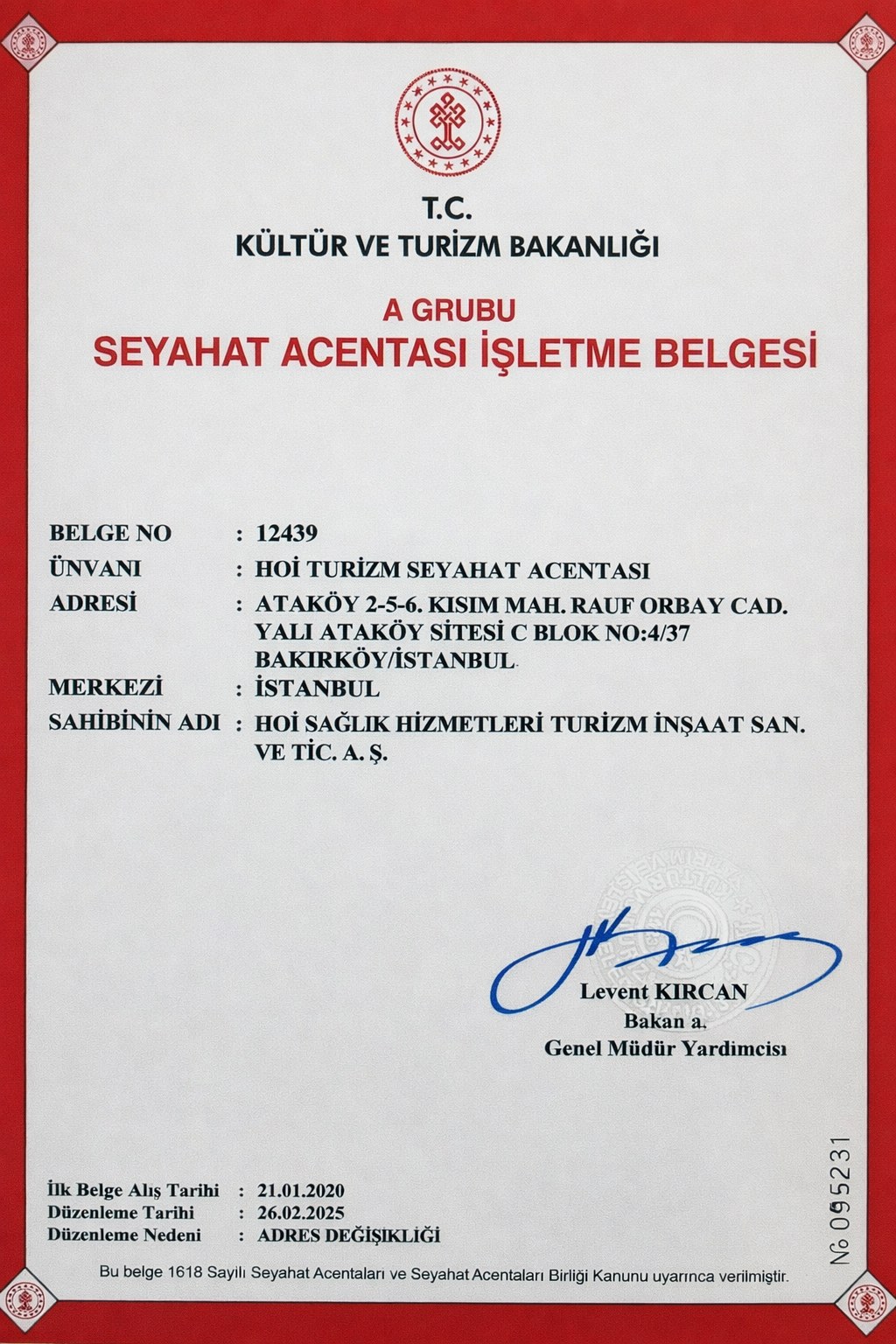
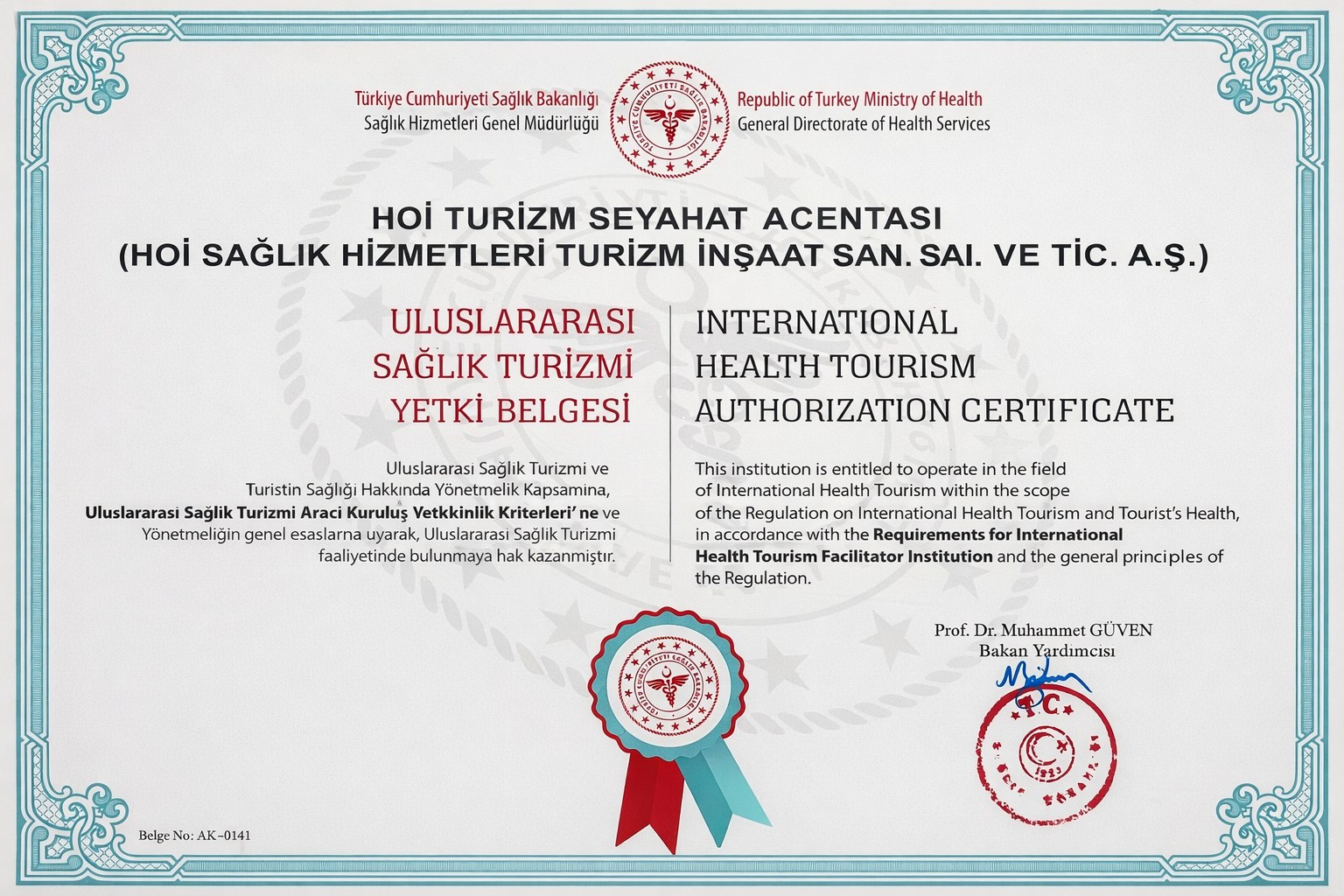
Micșorarea frunții la Hair of Istanbul este un implant de păr, nu o operație pe scalp. O linie frontală înaltă se aduce în față prin plasarea de unități foliculare individuale în partea din față a frunții, așa încât schimbarea se face cu păr, nu prin mutarea pielii. Cei mai mulți pacienți care o cer nu au niciun fel de cădere a părului — fruntea este pur și simplu înaltă, fie din naștere, fie pentru că linia frontală s-a retras de-a lungul anilor.
Verificat medical de Dr Ahmet Dilber, medic specialist chirurgie plastică, reconstructivă și estetică — 14 august 2026
Micșorarea frunții coboară linia frontală adăugând păr în partea din față a capului. Unitățile foliculare se extrag din zona donatoare din spatele scalpului, cu tehnica FUE și se plasează una câte una de-a lungul unei linii desenate în fața celei existente. Fruntea nu se micșorează; se acoperă.
Planificarea unei micșorări de frunte este diferită de planificarea unui implant pentru căderea părului. Nu există rărire de umplut și niciun tipar de ocolit — părul existent este de regulă des și sănătos, iar grefele noi trebuie să se contopească în el fără o linie de demarcație vizibilă. Asta înseamnă că primul rând se construiește aproape în întregime din grefe de un singur fir, plasate neregulat, la unghiul plat sub care firul iese din scalp la linia frontală.
Pentru că părul din jur nu se retrage, o micșorare de frunte se evaluează în raport cu un păr des, nu cu o zonă cheală. O linie care ar trece neobservată pe un scalp rărit este evidentă aici, motiv pentru care etapa de design durează mai mult la micșorarea frunții decât la un caz obișnuit.
De această distincție depinde tot ce urmează pe această pagină. Există o operație separată, numită tot micșorarea frunții, în care se scoate o fâșie de piele de pe frunte și scalpul se trage în față. Este o procedură diferită, cu o recuperare diferită și cu o linie de incizie permanentă. Hair of Istanbul nu o efectuează, iar nimic din ce este descris aici nu presupune tăierea frunții.
În practică fruntea se poate îngusta cu 3–7 centimetri, în funcție de capacitatea zonei donatoare și de proporțiile feței. Această pagină arată cui i se potrivește, cum se desenează noua linie frontală, câte grefe cere de obicei fiecare caz, cum se lucrează la femei fără ras, cronologia recuperării, riscurile și cât costă.
Micșorarea frunții se face cu tehnica FUE, sub anestezie locală, într-o singură ședință. Grefele se iau din spatele capului și se plasează de-a lungul unei linii frontale nou desenate; fruntea se îngustează de regulă cu 3–7 cm. La femei se lucrează de obicei fără rasul zonei receptoare, cu aproximativ 1.500–2.500 de grefe; la bărbați cazurile ajung până la circa 3.000. Firele implantate cad între săptămânile 3 și 8, creșterea nouă apare în lunile 3–4, iar rezultatul final se vede în lunile 13–15. Reducerea frunții prin transplant de păr (aproximativ 2.000–2.500 de grefe) costă 4.500 €, totul inclus, la Hair of Istanbul.
FUE, cu plasare DHI sau cu safir
3–7 cm
1.500–3.000
Lunile 13–15
Două proceduri diferite poartă numele de micșorare a frunții, iar confundarea lor este cea mai frecventă neînțelegere legată de ea. Varianta chirurgicală — chirurgia de coborâre a liniei frontale sau avansarea scalpului — scoate o fâșie de piele de pe frunte, trage scalpul în față și îl închide de-a lungul liniei frontale. Mută toată linia frontală dintr-odată și lasă o linie de incizie permanentă, ascunsă de păr atunci când se vindecă bine.
Varianta cu implant a micșorării frunții adaugă păr în fața liniei existente, fără să taie fruntea. Rezultatul se vede mai târziu, pentru că grefele trebuie să crească, dar nu presupune nicio incizie, nicio tensiune pe scalp și niciun risc pentru nervii senzitivi ai frunții. Hair of Istanbul efectuează numai varianta cu implant.
| Criteriu | Micșorarea frunții prin implant | Chirurgia de coborâre a liniei frontale |
|---|---|---|
| Ce se mută | Grefe individuale | O fâșie de scalp, avansată în față |
| Incizie | Niciuna; doar puncte individuale de recoltare | O linie continuă de-a lungul liniei frontale |
| Rezultatul apare | Treptat, în 13–15 luni | Imediat |
| Limitată de | Capacitatea zonei donatoare | Laxitatea scalpului |
| Se face aici | Da | Nu |
Micșorarea frunții se potrivește oamenilor cu o linie frontală înaltă, dar stabilă. Cea mai importantă întrebare la evaluare nu este cât de înaltă este fruntea, ci dacă linia frontală încă se mișcă: grefele plasate în fața unei linii care se retrage vor rămâne singure, în timp ce părul din spatele lor continuă să se rărească — exact rezultatul pe care nu îl vrea nimeni.
Micșorarea frunții este limitată de zona donatoare, nu de cât de mult se dorește coborârea. Grefele trebuie să vină de undeva, iar ce se folosește în față nu mai este disponibil pentru creștet dacă mai târziu apare alopecia androgenetică. Pentru un pacient cu antecedente familiale de cădere a părului, acesta este un compromis real și se discută la evaluare, nu după.
Micșorarea frunții este și o schimbare de câțiva centimetri, nu o redesenare a feței. Coborârea liniei frontale cu 3–7 cm schimbă vizibil proporția în fotografii și în oglindă, dar nu schimbă forma craniului, a arcadelor sau a tâmplelor. Pacienții nemulțumiți de toată treimea superioară a feței, nu în mod specific de linia frontală, sunt de obicei dezamăgiți de orice procedură care doar mută linia frontală.
Supraviețuirea grefelor și densitatea finală variază de la un pacient la altul, chiar și atunci când sunt tratați identic. Ce se dă la evaluare este o estimare măsurată despre cât de mult poate fi adusă linia în față pe scalpul dumneavoastră și despre cum va arăta asta — nu o promisiune. Dacă zona dumneavoastră donatoare nu poate susține coborârea pe care o cereți, se spune la evaluare, nu se descoperă după aceea.
În practică fruntea se îngustează cu 3–7 centimetri. Poziția unui caz în acest interval depinde de trei lucruri: cât păr donator se poate lua în siguranță, cât de lată este suprafața de acoperit și cât de deasă trebuie să fie linia nouă ca să stea convingător lângă părul din spatele ei.
Numărul de grefe pentru o micșorare de frunte decurge din asta. Cazurile femeilor cer de obicei mai puține grefe decât cele ale bărbaților, în parte pentru că suprafața este mai mică și în parte pentru că se construiește o linie mai blândă, mai puțin definită. Cifrele de mai jos sunt intervalele în care se încadrează cele mai multe cazuri; numărul pentru cazul dumneavoastră se măsoară la evaluare.
Număr uzual de grefe: 1.500–2.500
Observație: De regulă se face fără rasul zonei receptoare
Număr uzual de grefe: până la 3.000
Observație: O suprafață mai lată și o linie mai definită cer mai multe grefe
Număr uzual de grefe: Se adaugă la cele de mai sus
Observație: Rotunjirea colțurilor cere grefe pe care linia frontală nu le cere
Grefe obișnuite: 3–7 cm
Observație: Se măsoară la evaluare, față de capacitatea donatoare și de proporțiile feței
Cele mai multe femei care fac o micșorare de frunte sunt tratate fără ca zona receptoare să fie rasă. Părul existent este lung, des și sănătos, iar rasul lui ca să se plaseze grefe în fața lui ar fi o problemă cosmetică mai mare decât cea care se rezolvă. Lucrul printre firele existente este mai lent și mai solicitant, dar înseamnă că în luna care urmează schimbarea nu este evidentă pentru toată lumea.
Linia în sine se construiește diferit la o micșorare de frunte la femei. O linie frontală feminină este mai joasă, mai rotundă și mai blândă decât una masculină, cu o margine mai puțin definită și cu fir mai fin în față. Acest ultim aspect se realizează cu grefe de un singur fir, alese după calibru, nu doar după număr — primul rând este ceea ce face diferența dintre o linie frontală coborâtă și una evidentă.
Micșorarea frunții la bărbați pornește de la o altă linie. O linie frontală masculină este mai înaltă, mai dreaptă și are golfuri temporale definite. Coborârea ei nu înseamnă pur și simplu mutarea aceleiași forme în față: o linie coborâtă fără golfuri arată ca o perucă, iar o linie coborâtă prea mult pare a unui adolescent pe o față de adult. Potrivirea cu vârsta este limita care contează cel mai mult și este cea pe care pacienții o contestă cel mai des.
La bărbați se pune și problema alopeciei androgenetice. Dacă există antecedente familiale de alopecie androgenetică masculină, planul trebuie să funcționeze nu doar acum, ci și în momentul în care părul din spatele noii linii s-a rărit. Asta înseamnă de regulă o linie puțin mai sus și mai blândă decât cere pacientul la început, iar raționamentul se explică, nu se impune pur și simplu.
Linia frontală pentru micșorarea frunții se desenează pe propria dumneavoastră față, în poziție șezândă, înainte de a se face vreo anestezie, și se convine cu dumneavoastră înainte de orice altceva. În acel moment este reversibilă; după aceea nu mai este. Fotografiile vechi ajută acolo unde există, pentru că arată unde stătea linia.
Designul este proporțional, nu decorativ. Înălțimea frunții se măsoară față de distanța de la sprânceană la baza nasului și de la baza nasului la bărbie; punctele temporale, nivelul sprâncenelor și forma feței se analizează împreună. Lucrarea lui Dr Ahmet Dilber despre designul liniei frontale bazat pe proporții prezintă metoda mai în detaliu.
Micșorarea frunții își ia grefele din spatele și de pe părțile laterale ale capului, unde părul este genetic rezistent la alopecia androgenetică. Această rezistență se păstrează odată cu foliculul, motiv pentru care părul implantat persistă în poziția lui nouă, indiferent ce se întâmplă cu părul din jur.
Capacitatea donatoare se măsoară la evaluare și este finită. O micșorare de frunte făcută astăzi reduce ce rămâne disponibil pentru creștet mai târziu, iar pentru un pacient care poate dezvolta alopecie androgenetică asta trebuie cântărit deschis. Acolo unde zona donatoare nu poate furniza coborârea cerută, planul se reduce, în loc ca zona donatoare să fie supra-recoltată — o zonă donatoare rărită este o problemă permanentă, iar o linie frontală puțin mai sus nu este.
Recoltarea pentru o micșorare de frunte se face câte o unitate foliculară pe rând, cu un punch cu micromotor de 0,7–1,0 mm, dimensionat după calibrul părului dumneavoastră. Unitatea se ia cu țesutul din jur intact; punch-ul nu trebuie să taie foliculul, pentru că o grefă secționată nu crește, iar deteriorarea nu se mai poate repara mai târziu în ședință.
Punctele de recoltare sunt individuale și se vindecă sub formă de puncte mici, nu de linie. Nu există fâșie și nu există cicatrice liniară. Grefele se țin în soluție între recoltare și plasare, iar timpul petrecut în afara corpului se ține cât de scurt permite ședința.
Plasarea este locul în care o micșorare de frunte reușește sau eșuează, pentru că grefele intră în cea mai vizibilă linie de pe cap, cu păr des imediat în spatele lor. Unghiul, adâncimea și densitatea se controlează grefă cu grefă, iar primul rând se plasează aproape plat pe piele.
Metoda se alege după caz, nu se vinde ca o caracteristică; între ele nu există nicio diferență de preț.
| Metodă | Cum funcționează | Unde se alege |
|---|---|---|
| DHI | Canalul și grefa, într-o singură mișcare, cu un implantor de tip stilou | Lucrul fără ras și plasarea densă printre firele existente |
| Safir | Canale deschise cu lamă de safir, apoi plasarea grefelor | Suprafețe mai late, unde geometria canalelor se planifică dinainte |
| Incizie | Incizii fine, potrivite cu dimensiunea grefei | Acolo unde direcția părului existent variază de-a lungul liniei |
O ședință de micșorare a frunții se face sub anestezie locală și durează cea mai mare parte a zilei, cu pauze. Injecțiile cu anestezic de la început sunt partea inconfortabilă; după aceea zona este amorțită, iar restul ședinței nu doare, deși statul nemișcat este principala solicitare pentru pacient.
Analizele de sânge și evaluarea cardiacă preoperatorie se verifică înainte de începerea ședinței. Linia frontală se desenează și se convine prima; urmează recoltarea, deschiderea canalelor și plasarea, fiecare etapă fiind terminată pe toată suprafața înainte de a începe următoarea.
Umflătura de pe frunte și din jurul ochilor este evoluția normală după o micșorare de frunte, mai mult decât după un implant obișnuit, pentru că lucrul se face chiar în partea din față a capului. Apare în ziua a doua sau a treia și trece până în ziua a patra.
Spălarea după o micșorare de frunte începe în ziua a treia și ține zece zile, după același protocol ca la orice implant din clinică: spuma de îngrijire se aplică și se lasă 20–30 de minute, se clătește cu apă călduță la presiune mică, apoi șamponul de îngrijire se face spumă în palmă și se apasă pe zonă fără frecare. Zona nu se freacă deloc, nici ușor, nici energic, și nu se usucă cu prosopul.
Prima spălare se face la clinică, ca să vedeți măcar o dată cum se face corect. Protocolul complet de îngrijire prezintă tot parcursul zi cu zi, inclusiv îndepărtarea crustelor după a noua spălare.
Înainte de plecare primiți un set de îngrijire pentru micșorarea frunții, cu instrucțiuni de folosire. Conține o spumă de îngrijire și un șampon de îngrijire, iar acestea sunt singurele produse folosite pe scalp în primele zece zile — niciun produs de curățare, niciun produs de coafat, nimic promovat ca blând sau natural. Pielea în curs de vindecare poate reacționa la produse care nu i-au fost recomandate.
După cele zece zile scalpul revine la spălarea obișnuită. Pe termen lung nu este nevoie de niciun produs special; părul implantat se comportă ca părul din care provine.
Cronologia micșorării frunții este aceeași ca la orice implant pe scalp, iar mijlocul ei este inconfortabil: firele implantate cad înainte să crească. Pacienții care nu au fost preveniți despre acea etapă o interpretează ca pe un eșec.
Fruntea și zona ochilor arată umflate; trece de la sine
Cruste mici în jurul fiecărei grefe, dispărute până la final
Linia nouă arată mai goală decât în săptămâna 1
Fine și rare — primul semn real
Linia coborâtă devine vizibilă pentru ceilalți
Textura și direcția se așază; rezultatul este complet
Perioadele de mai jos se numără din ziua procedurii și sunt aceleași ca la orice implant din clinică.
| De evitat | Cât timp | Motiv |
|---|---|---|
| Atingerea zonei implantate | 72 de ore | Grefele sunt fixate doar mecanic până când se stabilește irigația sanguină |
| Apa pe scalp | Până în ziua a treia | Apa directă dislocă grefele care nu sunt încă ancorate |
| Alcoolul | 1 săptămână | Interacționează cu cura de antibiotic prescrisă și îngreunează vindecarea |
| Șepci, căciuli, căști | 1 lună | Frecare și căldură direct pe noua linie frontală |
| Efortul fizic, sala și transpirația abundentă | 1 lună | Și transpirația, și tensiunea crescută acționează asupra pielii în curs de vindecare |
| Marea și piscinele | 1 lună | Sare și clor pe piele care nu a terminat de vindecat |
| Lumina directă a soarelui pe scalp | 2 săptămâni | Pielea nouă de la linia frontală se arde ușor și este complet expusă |
| Solarul | 1 lună | Aceeași expunere, concentrată |
| Tunderea zonei implantate cu aparatul de ras | 3 luni | Grefele sunt încă superficiale; numai cu foarfeca |
| Vopseaua de păr și tratamentele chimice | 8 luni | Substanțele chimice ajung la folicul prin pielea care încă se remodelează |
Micșorarea frunții implică riscurile oricărui implant, plus unul specific ei: rezultatul este în partea din față a capului, la nivelul ochilor, și nu poate fi acoperit cât timp se așază. Cele mai multe complicații sunt minore și se rezolvă de la sine; cele care contează sunt estetice și se previn în etapa de design, nu se corectează după.
Eșecurile estetice specifice sunt o linie prea dreaptă, prea joasă pentru vârsta pacientului sau prea deasă față de părul din spatele ei. Toate trei sunt decizii de design, nu rezultate ale vindecării — de aceea desenul se convine cu pacientul înainte de anestezie și de aceea o linie potrivită cu vârsta se argumentează, nu se livrează pur și simplu la cerere.
Febră, roșeață sau căldură care se întind, puroi, durere care crește după ziua a treia în loc să scadă, sau umflătură care este pe o singură parte ori se agravează după ziua a patra. Trimiteți odată cu mesajul o fotografie făcută la lumina zilei, fără bliț; aproape nimic din prima lună nu se îmbunătățește dacă așteptați o săptămână ca să vedeți dacă trece.
Fotografiile de la micșorarea frunții se verifică lunar pe tot parcursul primului an. Nu este o formalitate — curba de creștere este destul de lentă încât schimbarea de la o lună la alta să fie invizibilă în oglindă și evidentă într-o serie de fotografii, iar aceasta este singura cale sigură de a deosebi o perioadă liniștită obișnuită de un caz care trebuie analizat mai atent.
Din luna a treia, terapia PRP poate fi folosită pentru susținerea părului din jur, acolo unde scalpul este altfel sănătos. Dacă merită sau nu se hotărăște din fotografii și din evaluarea inițială, nu se oferă ca adaos de rutină.
Reducerea frunții prin transplant de păr (aproximativ 2.000–2.500 de grefe) costă 4.500 €, totul inclus, la Hair of Istanbul.
Nu există o taxă separată pentru metoda de plasare folosită, iar pachetul acoperă consultația dinainte și de după, analizele de sânge și evaluarea anestezică, transferurile, cazarea cu mic dejun, setul de îngrijire și controlul.
Cifra exactă se confirmă la evaluare, odată ce s-au măsurat cât se poate coborî linia și numărul de grefe. Pagina de prețuri pentru implantul de păr prezintă structura completă a pachetelor.
La Hair of Istanbul este un implant de păr. Grefele se plasează în fața liniei frontale existente; nu se scoate piele de pe frunte și nu se face nicio incizie pe scalp. Există o procedură chirurgicală separată cu același nume, în care se excizează o fâșie de frunte și scalpul se avansează — nu asta se face aici.
De regulă cu 3–7 centimetri. Poziția cazului dumneavoastră în acest interval depinde de capacitatea zonei donatoare, de lățimea suprafeței de acoperit și de proporțiile feței. Se măsoară la evaluare, pe propriul dumneavoastră scalp, nu se estimează doar din fotografii.
Cazurile femeilor cer de regulă 1.500–2.500 de grefe, iar cele ale bărbaților ajung până la circa 3.000, pentru că suprafața este mai lată și linia mai definită. Cifra se stabilește la evaluare. Pentru că prețul urmează pachete fixe, numărul de grefe determină pachetul aplicabil; nu se facturează per grefă.
De regulă nu, dacă sunteți femeie. Cele mai multe micșorări de frunte la femei se fac fără rasul zonei receptoare, lucrând printre firele existente; zona donatoare se tunde pe o porțiune pe care o acoperă părul din jur. La bărbați se rade mai des, deși și acest lucru se discută, nu se presupune.
Asta depinde aproape în întregime de design și de primul rând. O linie frontală coborâtă se dă de gol printr-o margine dreaptă, printr-un unghi prea vertical sau prin grefe prea groase în față — nu prin densitate. De aceea linia se desenează neregulat, de aceea se folosesc grefe de un singur fir pe margine și de aceea desenul se convine cu dumneavoastră înainte de orice anestezie.
Foliculii implantați vin dintr-o zonă genetic rezistentă la alopecia androgenetică, așa că persistă în poziția lor nouă. Acest lucru nu protejează însă părul din spatele lor. Dacă mai târziu apare alopecia androgenetică, ea afectează părul original, nu linia implantată — de aceea istoricul familial face parte din planificare.
Procedura se face sub anestezie locală. Injecțiile de la început sunt partea inconfortabilă; după aceea zona este amorțită. Ședința este lungă, nu dureroasă. Sensibilitatea din primele zile este normală și se gestionează cu medicația prescrisă.
Firele noi încep să apară în lunile 3–4, linia coborâtă devine vizibilă pentru ceilalți între lunile 6 și 9, iar rezultatul final se vede în lunile 13–15. Între săptămâna 3 și săptămâna 8 firele implantate cad, ceea ce este de așteptat și este etapa pe care pacienții o confundă cel mai des cu un eșec.
Da, iar cele două se planifică ca o singură procedură, din aceeași zonă donatoare. Acolo unde și creștetul are nevoie de grefe, împărțirea între față și creștet se hotărăște la evaluare, pentru că ce se folosește la linia frontală nu mai este disponibil în spatele ei.
Deseori da, iar grefele se folosesc uneori chiar pentru camuflarea liniei de incizie de la acea operație. Țesutul cicatricial primește grefele mai puțin previzibil decât scalpul sănătos, așa că se poate trata întâi o zonă mică de probă, care se evaluează înainte de a se lucra pe toată linia.
Surse științifice evaluate de experți pe această temă:
Micșorarea frunții folosește aceeași zonă donatoare și aceeași tehnică ca procedurile de mai jos.
Contactați-ne pentru o consultație gratuită. Echipa noastră multilingvă vă răspunde la întrebări și vă însoțește pe tot parcursul procesului.
Completați formularul, iar echipa noastră vă va contacta în 24 de ore.