
 en
en TR
TR  SK
SK  ITA
ITA  FR
FR  DE
DE  ES
ES  BG
BG 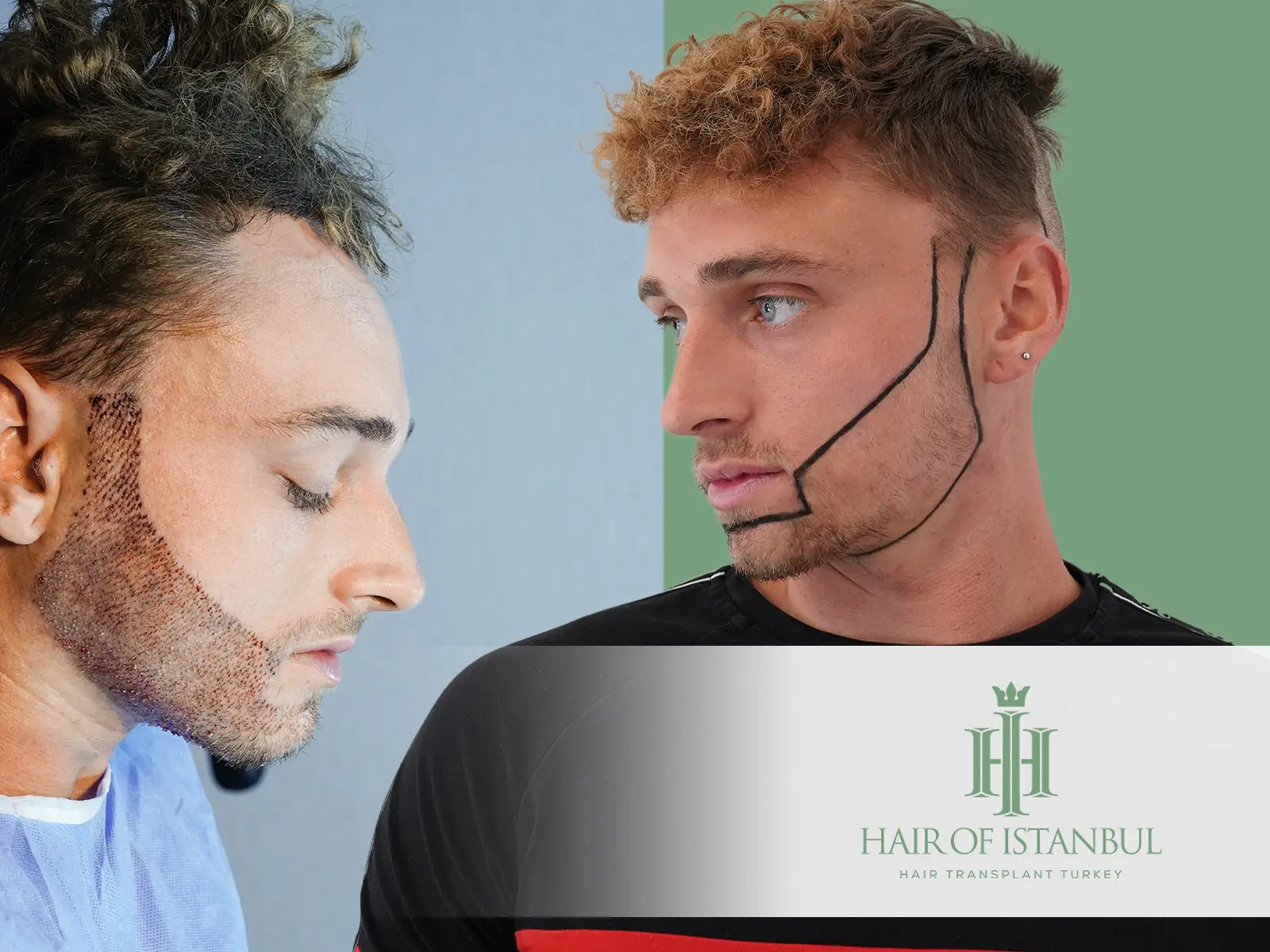
Minimal Scar Beard Transplant Techniques: A Practical, Evidence-Led Guide
For many patients, natural density is only half the goal; the other half is keeping the donor and recipient areas looking pristine. That’s where minimal scar beard transplant techniques come in. This guide explains, in plain terms, how clinics lower visible scarring risk: from donor-side extraction physics to recipient-side incision choices, to aftercare that protects healing. We keep the science straight FUE is the extraction technique; implantation is performed with DHI pens or sapphire/slit tools and planned with coronal or sagittal orientation. Framing the procedure this way helps readers understand how each step influences scar visibility.
First Principles: Why Scars Form—and How We Influence Them
Every incision—however small—triggers a wound cascade. Collagen deposition, angiogenesis, and remodeling can leave microscopic marks that usually become imperceptible when handled properly. The promise of minimal scar beard transplant techniques is not magic; it’s disciplined control over variables: punch size and geometry, direction and depth, spacing strategy in the donor zone, gentle handling, and smart recipient-site planning that respects skin tension lines and light behavior.
Clarifying Roles: Extraction vs Implantation
To avoid confusion: FUE is extraction—we remove follicular units one by one from the safe donor area. DHI, sapphire, and slit define the implantation step—how channels are made and grafts are placed. Both phases matter for minimal scar beard transplant techniques, but scarring risk is largely set by extraction discipline and channel quality, then consolidated by aftercare.
1) Donor Mapping That Prevents “Over-Harvest” Patterns
A cornerstone of minimal scar beard transplant techniques is uniform, spread-out harvesting. Densitometry and trichoscopy determine safe extraction density (FU/cm²), then the team creates a chessboard-like map to avoid adjacent hits. Skipping rows, rotating zones, and limiting per-pass extractions minimize clustering that could show as “moth-eaten” when hair is short. See fundamentals of the procedure on our hair transplant page and extraction logic on the FUE technique page.
2) Punch Diameter and Edge Geometry Small Rings, Big Differences
Using the smallest punch that safely envelopes the follicle reduces dermal disruption. Trumpet, serrated, and sharp punches behave differently across skin types; documenting which geometry yields cleaner cuts for each phenotype is part of mature minimal scar beard transplant techniques. Undersizing increases transection; oversizing increases wound area. The “just right” pairing is selected by hair caliber, curl, and dermal thickness.
3) Angle, Depth, and Motion Control to Respect the Bulb
Subdermal follicle trajectory often differs from the hair’s surface exit angle especially in wavy or Afro-textured hairs. Entering more parallel to the skin with predictable depth—slowing near the bulb—avoids jagged tears that heal less elegantly. These micro-choices turn into macro-wins for minimal scar beard transplant techniques.
4) Tumescence, Traction–Countertraction, and Field Stability
Uniform tumescence “lifts” follicles from deeper structures and steadies tissue. With proper traction–countertraction, the punch meets a stable surface, creating rounder, cleaner micro-wounds that remodel better. Consistency in this step is a quiet hero of minimal scar beard transplant techniques.
5) Recipient-Site Strategy: Coronal vs Sagittal for Natural Light
In beard design, borders should look soft up close. Coronal orientation at low exit angles helps hair lie closer to the skin, producing a “feathered” edge. Sagittal or mixed patterns can add lift where volume is desired (e.g., goatee core). Choosing the right orientation improves optical coverage so fewer, finer channels are needed—another pillar of minimal scar beard transplant techniques. Tooling (DHI pens vs sapphire/slit blades) supports the plan; it does not replace it.
6) Caliber-Aware Graft Selection for Borders vs Fill
Singles from finer donor zones frame borders; doubles/triples build density behind. Using thick groupings at the very edge can force larger channels and harsher light reflection. Caliber matching, zone by zone, limits channel size and helps minimal scar beard transplant techniques deliver soft lines without visible marks.
7) Biologic Support: Temperature, Hydration, and Handling
Dehydrated grafts are fragile. Cold, buffered storage and short “out-of-solution” times protect tissue, lower inflammation, and reduce debris—yielding cleaner healing fields. While preservation media don’t “erase” scars, they improve graft quality so fewer re-placements are needed—a downstream contribution to minimal scar beard transplant techniques.
8) QA Loops: Pilot Passes and Audit Sampling
Experienced teams begin each region with a small pilot pass, then microscope-check stumps and extracted units. If transection rises or wounds look ragged, they adjust angle, punch, or torque immediately. This continuous auditing makes minimal scar beard transplant techniques measurable and repeatable.
9) Special Considerations for Different Skin and Hair Types
Thicker dermis benefits from slightly larger punches and more tumescence; very curly follicles require slower forward motion and angle bias to follow the subdermal “S.” Sensitive or atrophic skin calls for gentler traction and reduced session size. Customization—not one-size rules—drives minimal scar beard transplant techniques for diverse presentations.
10) Aftercare that Protects Remodeling (Your Part of the Win)
Patient behavior can amplify or undermine surgical precision. The first two weeks are about stability: no friction, elevated sleeping, pH-balanced cleansing, and sun protection. Avoid shaving or tight masks early on; follow schedules for washing and emollients. Structured guidance is outlined in our after care resources—crucial for consolidating minimal scar beard transplant techniques.
11) Recipient Zones: Cheeks, Jawline, and Submandibular Edge
Cheeks need soft, stochastic borders: irregular micro-sawtooth patterns made with singles at low angles. Jawlines tolerate slightly higher density and angle for definition, but borders still use singles to avoid a stamped look. Submandibular (neck) areas should respect natural hair direction to keep short stubble looking intentional. These zone rules keep minimal scar beard transplant techniques natural at 10 cm and at 10 mm.
12) Donor Aesthetics for Short Hairstyles and Up-dos
Men increasingly wear short fades; women undergoing beard-style reconstructions (e.g., gender-affirming care) may expose donor areas in up-dos. Wide spacing, randomized extraction, and session caps protect the back-of-head look. This is where minimal scar beard transplant techniques intersect long-term lifestyle choices.
Evidence Corner (Authoritative Read, No Hype)
For concise overviews of wound biology, micro-incision behavior, and scar minimization principles relevant to follicular surgery, see the National Center for Biotechnology Information: NCBI Bookshelf – Wound Healing & Scar Biology. Evidence-aware planning underpins all minimal scar beard transplant techniques.
Costs, Teams, and Choosing a Clinic
Session size, instrumentation, and QA protocols influence cost as much as hours on the clock. Equally important are experience and philosophy—meet the medical team, clinic standards on about us, and practical packages on the pricing page. These factors shape how well minimal scar beard transplant techniques translate into daily life.
FAQs: Short, Honest Answers
Will anyone notice the donor? With randomized, low-density harvest and healthy hair length, most people will not. Zero-visibility at 1–2 mm cannot be guaranteed, but minimal scar beard transplant techniques make marks very hard to detect.
Can I shape right away? Borders settle over weeks. Trim around, not across, early on. Your surgeon will give a timeline so minimal scar beard transplant techniques mature without irritation.
What if my skin scars easily? Declare keloid history. Session size, punch choice, and aftercare will be adapted. Conservative planning keeps minimal scar beard transplant techniques safe for sensitive skin.
Putting It All Together
Scar-minimal results are engineered, not accidental. Uniform donor mapping, caliber-matched punches, angle/depth control, low-trauma channels, and disciplined aftercare form the backbone of minimal scar beard transplant techniques. When combined with a patient-first design and ethical use of donor resources, these habits produce borders that look soft up close and natural at any distance. To discuss your plan, explore general foundations on hair transplant, review outcomes in before after, and contact us via contact for a tailored consultation.
