
 en
en TR
TR  SK
SK  ITA
ITA  FR
FR  DE
DE  ES
ES  BG
BG 
After Beard Transplant
Beard transplantation is one of the most important procedures in cosmetic medicine. By properly managing the process before, during, and after beard transplant, healthy follicle development can be achieved. It’s crucial to apply the right interventions and follow proper care instructions after the procedure. Before discussing redness and scabbing, it’s essential to understand the overall process that supports proper healing and follicle integrity.
Surgery for Beard Transplantation
Beards and mustaches play a key role in a person’s confidence and appearance. Their absence or sparseness can cause dissatisfaction, leading to the development of various medical solutions. Beard cultivation is a treatment designed to create a fuller, more aesthetically pleasing beard or mustache when natural growth is insufficient or patchy. It is now a major practice in modern medicine and a popular procedure within health tourism.
One of the most critical elements in beard transplant procedures is selecting the correct sowing area and density. The final design line is drawn by the doctor after examination, while taking into account the patient’s aesthetic requests. Another important stage is implanting grafts in the natural direction of hair growth. Typically, a period of 6–9 months is required for follicles to normalize and produce healthy hair. This timeframe depends on the patient’s physiology, the applied technique, and recovery quality.
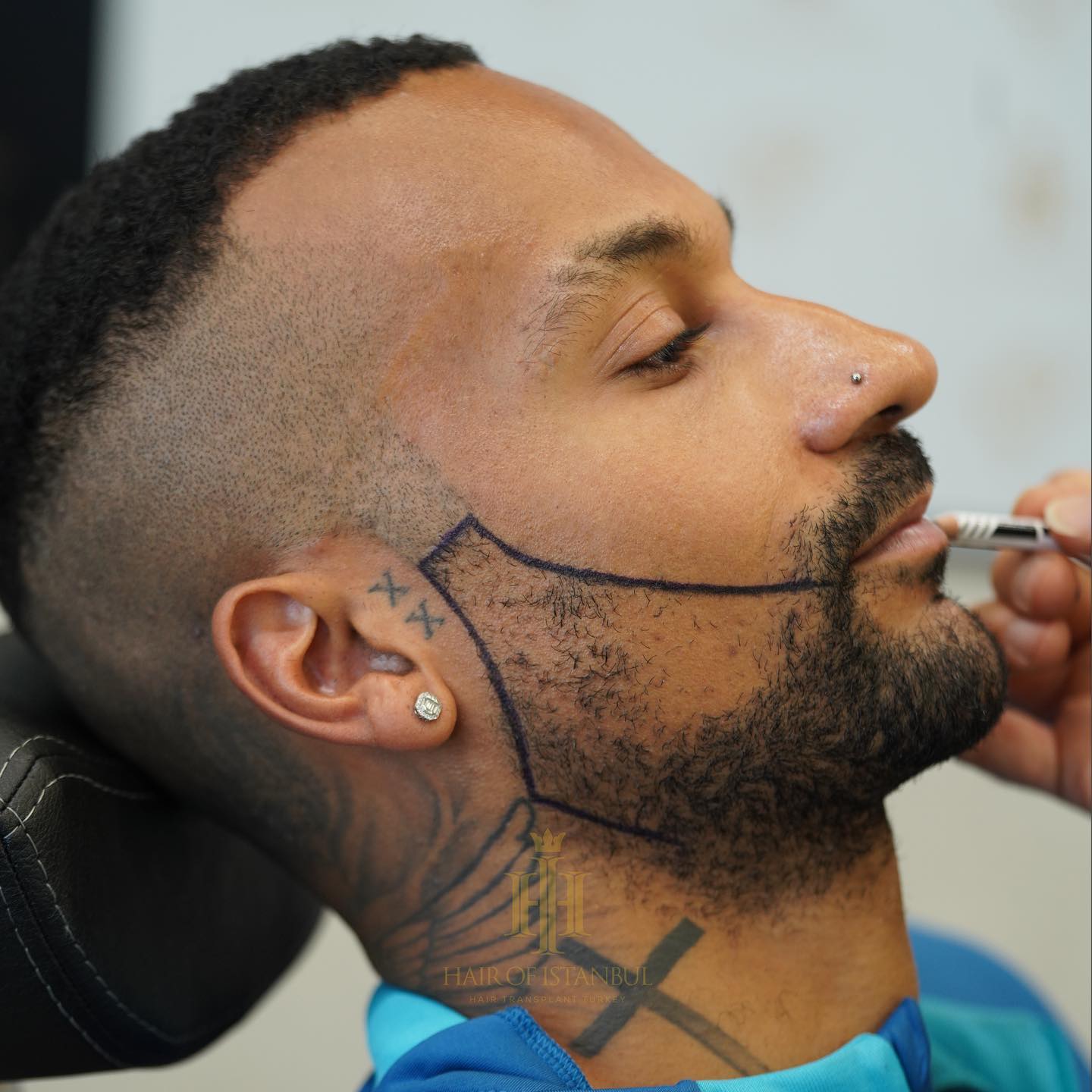
After beard transplantation, there are a few main aspects to focus on:
- Crusting and redness
- Healing process, first wash, shaving, and maintenance
There are four general stages of recovery. Redness and scabbing are common during the early days after the procedure and should not be a cause for alarm. Assessing the recovery process correctly helps patients avoid unnecessary worry.
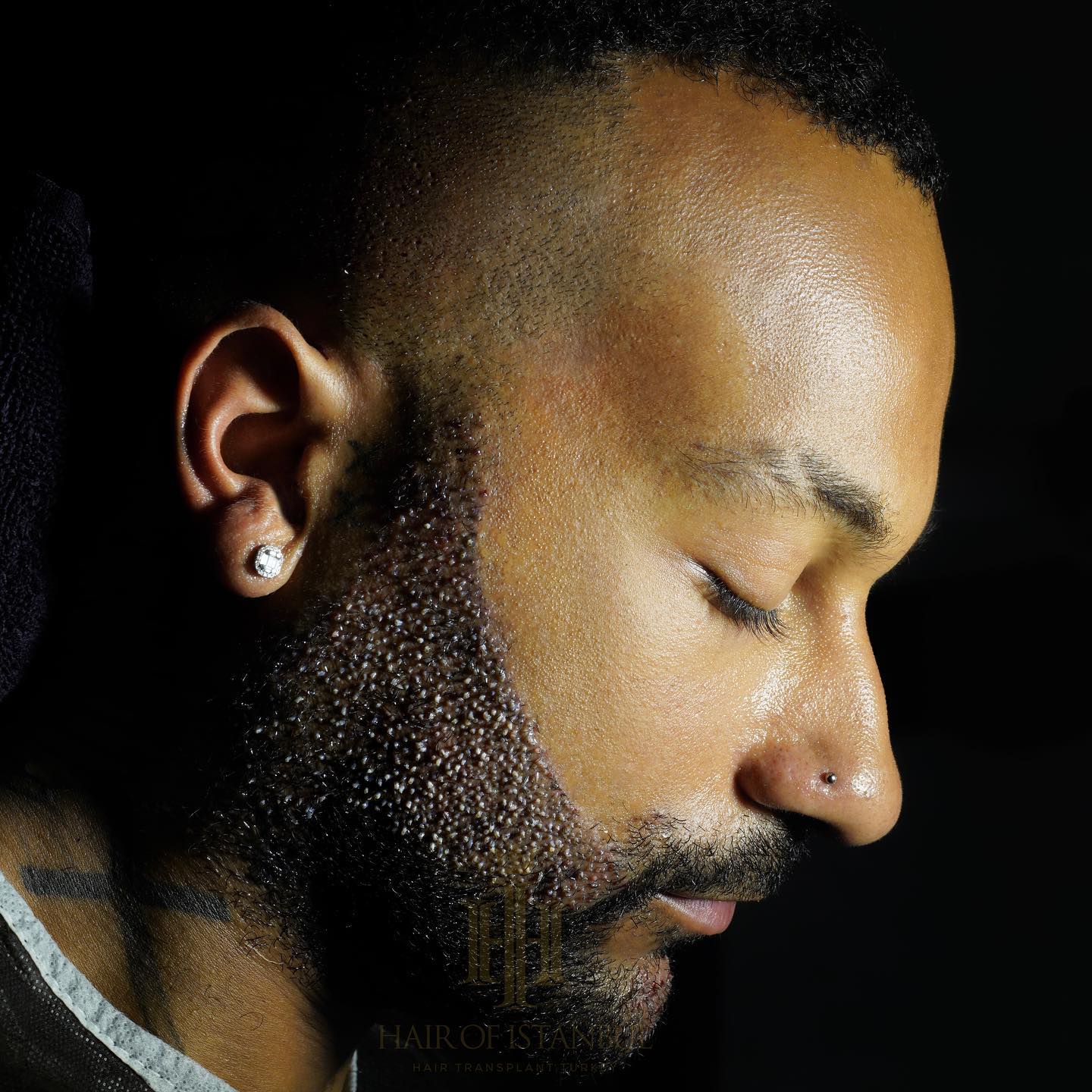
Redness and crusting are mild but time-consuming effects that follow beard transplantation. Using the FUE method, acne-like redness may appear temporarily around implanted follicles — this is normal and doesn’t require intervention. Crusting occurs because of the small incisions made during graft placement.
To maintain a normal healing process, it is vital to avoid touching the transplanted area. Preventing contact helps stop bacterial growth and protects grafts as they attach to the skin. Redness usually fades quickly, while crusting begins to reduce around the third day after surgery.
Following a Beard Transplant: The Healing Process
Because the face is a highly sensitive area, healing after beard transplantation can take longer than after hair transplants if there’s too much physical contact with the treated region. The first week is the most crucial part of recovery, and proper care during this time ensures a smooth process.
Rest is recommended during the first three days after the operation. Avoid smoking or alcohol during this period, as both slow down recovery. Physical activities that cause sweating, including sports and sexual activity, should also be avoided to prevent dislodging newly implanted grafts.
To protect the area, avoid wearing turtlenecks or any clothing that may rub against the transplanted region.
Following surgery, a nutrition plan rich in proteins and vitamins A, E, C, D, B7, and B12 helps accelerate recovery and support tissue regeneration.
It’s important to sleep on your back and minimize contact with the pillow, as transplanted follicles are delicate for several days. Beard transplant recovery steps are similar to those after a hair transplant. The process should always be followed under the supervision of your doctor, who will monitor progress closely.
One of the most critical phases for patients is the shock shedding stage. This occurs 1–2 weeks after the procedure and often causes concern, but it’s a natural part of the recovery. Shed hairs will regrow within the following months, and full growth can continue improving for up to two years. Panicking during this phase is unnecessary, as it’s a sign of normal follicle regeneration.
Immediately Following a Beard Transplant: Wash and Shave
After beard transplant, the first wash and shave are extremely important steps in maintaining follicle health. Incorrect washing methods can damage grafts and slow recovery. Usually, the first wash is performed in the clinic, but some patients may do it at home if advised by their doctor.
When washing at home, be extra gentle around areas with redness or crusting to avoid dislodging the grafts. The first wash typically occurs 2–4 days after surgery and includes three phases: applying lotion, gentle foaming, and rinsing.
For detailed information and professional guidance, you can contact Hair of Istanbul.
