
 en
en TR
TR  SK
SK  ITA
ITA  FR
FR  DE
DE  ES
ES  BG
BG 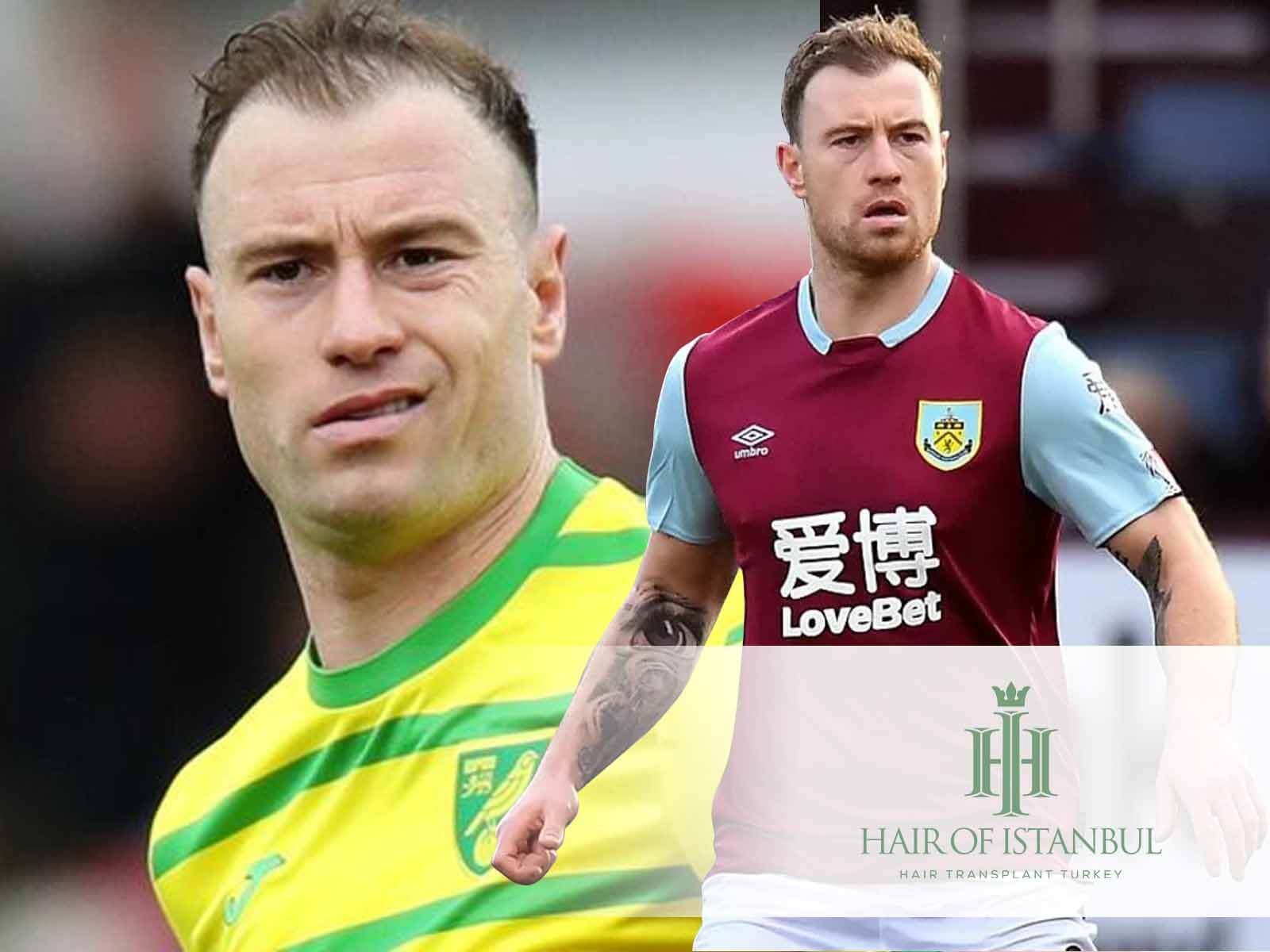
Ashley Barnes Hair Transplant: Full Analysis
Short answer: The topic of an Ashley Barnes hair transplant has gained significant attention among football fans and hair restoration researchers. While the Premier League striker has never publicly confirmed undergoing a transplant, visible changes in his hair density, hairline sharpness, and overall scalp coverage have led many to believe that he may have benefited from a modern FUE or DHI procedure. In 2025, hair restoration is more natural, discreet, and technologically advanced than ever, making such transformations common among elite athletes.
Why the Ashley Barnes Hair Transplant Became a Trending Topic
Ashley Barnes is widely known for his aggressive playing style and consistent presence across Premier League and Championship performances. Over the years, fans noticed that his hairline appeared to evolve significantly—transitioning from early-thinning zones to stronger frontal density. Social media comparisons, match-day photos, and recent interviews sparked renewed discussion about whether the striker opted for a professional hair transplant.
Unlike many celebrities who openly discuss cosmetic procedures, Barnes has remained private on the topic. This has fueled more curiosity, and football communities frequently analyze before-and-after visuals for clues.
Visible Changes: Natural Hair Growth or Professional Procedure?
The primary reason fans question whether Ashley Barnes underwent a transplant is the noticeable improvement in his frontal hairline between his late 20s and mid-30s. Common visual indicators suggesting a transplant may include:
- Sharper, more defined hairline in recent seasons.
- Improved density in previously diffuse frontal areas.
- Consistent texture between native and restored hair.
- No visible scarring, which aligns with modern FUE or DHI techniques.
These signs match typical post-transplant outcomes of elite athletes who prefer minimally invasive, fast-recovery techniques.
Why Athletes Choose Hair Transplantation
Professional athletes like Ashley Barnes often face immense scrutiny from fans and media. The physical demands of football, combined with constant high-resolution broadcasting, can make appearance changes noticeable. Common reasons athletes choose hair restoration include:
- Confidence & public image: Athletes often represent sports brands and endorsements.
- Camera visibility: Every match is broadcasted in 4K resolution, making hair changes obvious.
- High-stress careers: Stress can accelerate male pattern baldness.
- Rapid recovery: Modern techniques allow return to training in days.
FUE and DHI—now the preferred techniques—allow for minimal scarring, which is ideal for public figures who must maintain a natural appearance.
Hair Transplant Techniques Likely Used in Similar Celebrity Cases
Although Barnes has not confirmed any procedure, the transition in density and outline seems consistent with modern hair restoration methods. These may include:
FUE (Follicular Unit Extraction)
This method involves extracting individual follicles from the donor area using a micro-punch. It’s widely chosen by athletes for its fast healing and scar-free finish.
DHI (Direct Hair Implantation)
DHI uses an implanter pen for direct graft placement, providing precise angle and direction control—ideal for natural frontal hairline reconstruction.
Sapphire FUE
Uses sapphire-tipped blades to create ultra-fine incisions. Offers faster recovery and smoother implantation channels.
Regenerative Support
Modern athletes often complement transplants with supportive therapies like:
- PRP (Platelet-Rich Plasma)
- Regenerative peptides
- Low-level laser therapy
Possible Timeline of Ashley Barnes’ Hair Transformation
By comparing images from his earlier seasons with more recent ones, the transformation appears to follow a pattern similar to typical hair transplant recovery:
- Months 0–6: Early density changes become visible.
- Months 6–12: Strengthening of mid-frontal and hairline areas.
- Months 12–18: Full results appear—strong, even density.
This timeline aligns with scientific growth phases following FUE or DHI procedures.
Why Modern Transplants Fit Athletes Perfectly
In 2025, hair transplantation has become extremely refined. Clinics specializing in celebrity transformations use:
- Pain-free anesthesia protocols
- Natural angle placement
- High-yield graft handling
- Rapid recovery techniques
As a result, public figures like Ashley Barnes can maintain privacy while enjoying natural results.
Scientific Perspective: Are Transplants Permanent?
Modern hair transplants rely on the principle of donor dominance, which means follicles taken from the back of the scalp maintain their genetic resistance to balding—even after relocation. Research published in dermatologic and aesthetic surgery journals confirms that transplanted follicles typically remain active and grow for a lifetime.
Thus, if Barnes underwent a transplant, the results would likely be long-lasting with proper care.
Should Fans Expect a Statement from Ashley Barnes?
Most athletes remain private about cosmetic procedures—partly due to media attention and personal preference. While some footballers publicly embrace their procedures, others choose not to comment. Barnes fits the latter category, and unless he chooses to speak openly, the discussion will remain speculative based on photographic evidence.
Conclusion
Whether or not the Ashley Barnes hair transplant rumors are true, his transformation reflects the power of modern hair restoration. In 2025, FUE and DHI techniques continue to deliver natural, permanent results that blend seamlessly with existing hair. For athletes and everyday individuals alike, these procedures offer confidence, realism, and long-term aesthetic impact.
He has never confirmed it publicly. However, many fans and experts believe his recent appearance suggests a possible FUE or DHI procedure.
Most choose FUE or DHI because they leave no visible scarring and offer natural, media-proof results.
Full results usually appear within 9–12 months, similar to the timeline seen in Barnes’ transformation.
Yes. Transplanted follicles from the donor area grow permanently, following normal hair growth cycles.
Because they offer quick recovery, natural appearance, and minimal downtime — perfect for professional sports schedules.
