
 en
en TR
TR  SK
SK  ITA
ITA  FR
FR  DE
DE  ES
ES  BG
BG 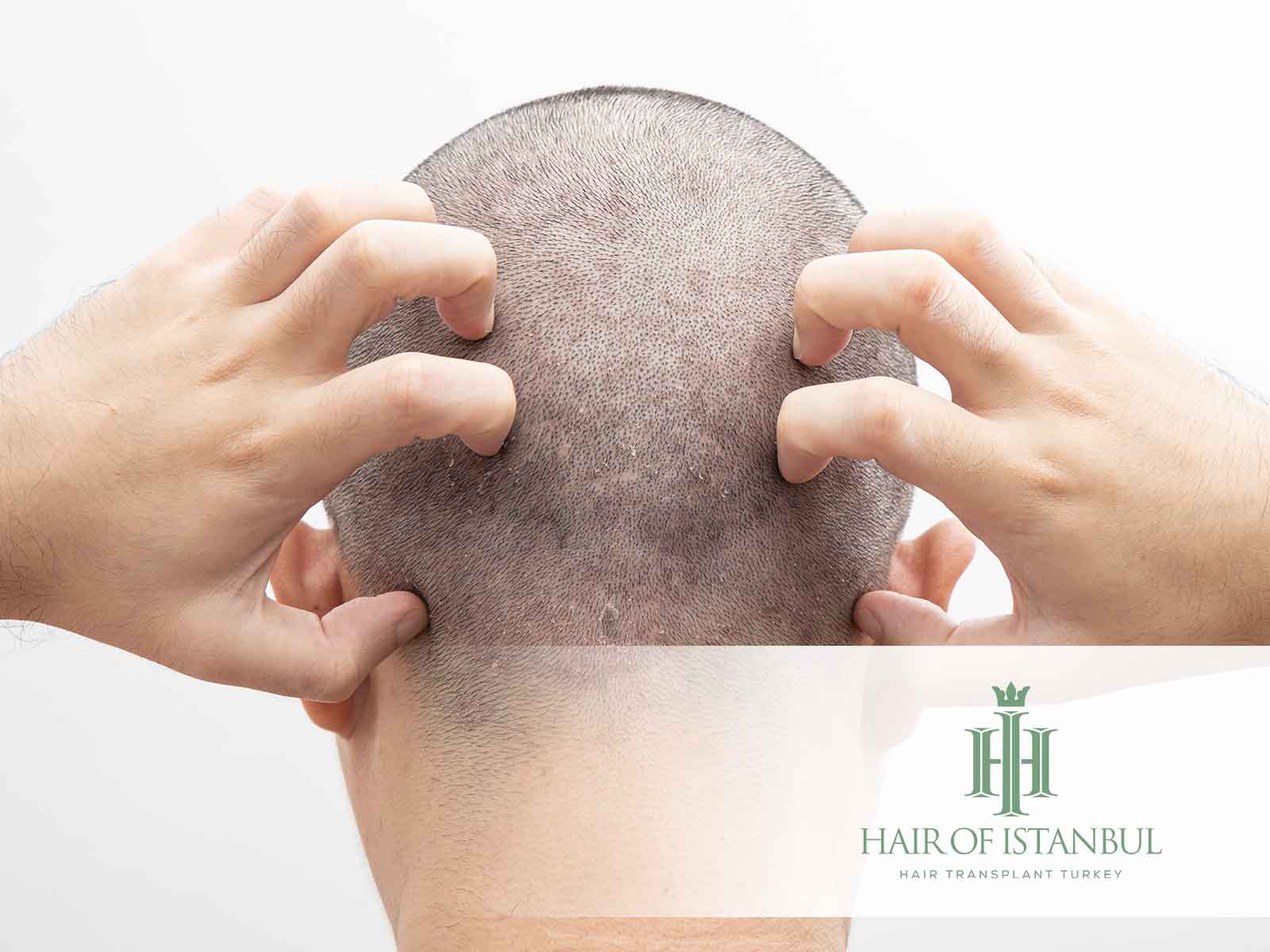
Seborrheic Dermatitis: Itchy Scalp, Hair Thinning, and Hair Transplant Candidacy
Seborrheic Dermatitis is a common, chronic scalp condition that causes flaking, redness, and persistent itch in oil-rich areas of the skin. On the scalp, it is often mistaken for simple dandruff, yet the inflammation it creates can be intense and disruptive. For many people, the biggest concerns are an itchy scalp, visible flakes on dark clothing, and the fear that this chronic irritation is leading to hair thinning or permanent hair loss.
This guide explains what Seborrheic Dermatitis is, how it affects the scalp and hair density, when it may contribute to shedding, and how it interacts with modern FUE-based hair transplant planning. It is an educational overview and does not replace individual medical advice.
What Is Seborrheic Dermatitis?
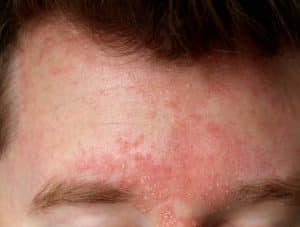
Seborrheic Dermatitis is a chronic, relapsing inflammatory condition that primarily affects areas rich in sebaceous (oil) glands, such as the scalp, eyebrows, sides of the nose, beard area, chest, and behind the ears. On the scalp, it can range from mild dandruff-like flaking to more prominent, greasy scales with underlying redness and itch.
Key characteristics of Seborrheic Dermatitis on the scalp include:
- White or yellow greasy flakes on the hair and shoulders
- Red or pink underlying skin (more visible in lighter skin tones)
- Light or darker patches around the hairline in deeper skin tones
- Persistent itch and irritation, especially during flares
- Periods of improvement and relapse over months or years
The exact cause is multifactorial. It often involves a combination of genetic predisposition, an inflammatory response to Malassezia yeast on the skin, sebum composition, and environmental triggers such as stress or climate changes.
Seborrheic Dermatitis and Itchy Scalp
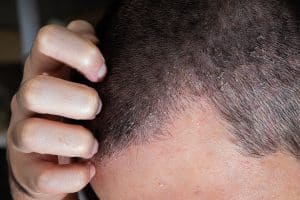
An itchy scalp is one of the most common reasons people seek medical advice for Seborrheic Dermatitis. The itch can range from mild discomfort to intense, sleep-disrupting irritation. Scratching may briefly relieve the sensation, but it also damages the skin barrier and can aggravate inflammation.
Dermatit
Why the Scalp Itches
In Seborrheic Dermatitis, inflammatory mediators are released in response to yeast and sebum on the scalp. This triggers:
- Local redness and swelling
- Scaling and flaking
- Itch receptors being activated in the skin
Over time, chronic itching and scratching can lead to additional problems, including excoriations (scratch marks), burning sensations, and secondary irritation from hair products.
Does Seborrheic Dermatitis Cause Hair Thinning?
A frequent concern is whether Seborrheic Dermatitis directly causes permanent hair loss. In most cases, it is not a scarring condition—meaning the follicles are not destroyed. However, it can still contribute to hair thinning or increased shedding in several ways:
- Inflammation: Ongoing inflammation around hair follicles can temporarily disrupt the hair growth cycle.
- Scratching: Repeated, aggressive scratching may traumatise follicles and shafts, causing breakage or shedding.
- Secondary infection: If inflamed skin becomes infected, hair in that area may shed until the infection is controlled.
- Overlap with androgenetic alopecia: Many patients with a receding hairline or pattern hair loss also have Seborrheic Dermatitis, making thinning more noticeable.
In other words, Seborrheic Dermatitis usually causes temporary shedding or increased visibility of existing thinning, not permanent follicle destruction. However, when combined with genetic hair loss, its impact on appearance can be significant.
Risk Factors and Triggers
Several factors are associated with flares of Seborrheic Dermatitis:
- Genetic predisposition
- Oily skin or scalp
- Cold and dry climates, or seasonal changes
- Stress, fatigue, and lack of sleep
- Certain neurological or immune conditions
Flares often worsen in periods of stress or during winter months. Improving overall scalp care and addressing these triggers can reduce both symptoms and flare frequency.
Diagnosis and When to See a Dermatologist
Many people initially assume they “just have dandruff.” However, not every flaky scalp is Seborrheic Dermatitis, and similar conditions include psoriasis, atopic dermatitis, contact dermatitis, tinea capitis (fungal infection), or even scarring alopecias.
You should consider seeing a dermatologist if:
- Scaling and redness are spreading beyond the scalp
- Itch is intense or interferes with sleep
- There are yellow crusts, oozing, or signs of infection
- You notice rapid or patchy hair thinning in affected areas
- Over-the-counter shampoos have not helped after several weeks of correct use
A dermatologist can distinguish Seborrheic Dermatitis from other scalp diseases, which is especially important for anyone considering a hair transplant.
Typical Treatment Approaches for Seborrheic Dermatitis of the Scalp
Treatment is tailored to severity and skin type, but common strategies include:
Medicated Shampoos
Dermatologists often recommend shampoos containing one or more of the following active ingredients:
- Antifungals (e.g., ketoconazole, ciclopirox)
- Zinc pyrithione
- Selenium sulfide
- Salicylic acid or other keratolytics to help lift scales
- Coal tar preparations (for select patients)
These shampoos must be used exactly as directed (for example, leaving them on the scalp for several minutes before rinsing) and at the frequency recommended by the dermatologist.
Topical Anti-Inflammatory Agents
In more inflamed cases, short courses of mild topical corticosteroids or non-steroidal anti-inflammatory preparations may be prescribed for the scalp. These must be used under medical supervision, especially around hair transplant planning.
General Scalp Care
Good scalp hygiene and habits can support medical treatment:
- Shampooing as often as prescribed (sometimes more frequently than before)
- Avoiding harsh styling products during flares
- Not scratching or picking at scales
- Managing stress, as much as possible
Patients should always follow the instructions of their treating dermatologist or physician. Self-medicating with strong steroids or unregulated products can worsen the condition.
Seborrheic Dermatitis and Hair Transplant: Are You a Candidate?
Many patients with a receding hairline or diffuse thinning also have Seborrheic Dermatitis. The question then becomes: can someone with this scalp condition safely undergo a hair transplant?
Is Seborrheic Dermatitis a Contraindication?
In most individuals, Seborrheic Dermatitis is not an absolute contraindication to FUE-based hair transplantation. However, it should be reasonably controlled before surgery. Operating on a highly inflamed, actively flaring scalp increases the risk of:
- Delayed healing
- Increased itching and crusting after surgery
- Patient discomfort and scratching around grafts
During pre-operative evaluation, the medical team will examine:
- Extent and severity of scalp inflammation
- Stability of the condition over time
- Response to prior dermatologic treatment
Sometimes, patients are advised to stabilise their Seborrheic Dermatitis before scheduling a procedure. This may involve a course of medicated shampoos or topical therapies prescribed by their dermatologist.
Seborrheic Dermatitis and Donor Area Considerations
Because Seborrheic Dermatitis can also affect the occipital and parietal scalp, it may be visible in the donor area for hair transplant. A healthy donor zone is essential for optimal graft survival and long-term planning.
In practice, as long as the condition is under control and the skin is not acutely inflamed, FUE extraction can typically be performed safely by experienced surgical teams.
Post-Transplant Itching vs Seborrheic Dermatitis
It is normal to experience some itching after a hair transplant as part of the healing process. This is discussed in more detail in the guide to hair transplant side effects. For patients with a history of Seborrheic Dermatitis, distinguishing between:
- Normal post-operative itch
- Flares of underlying dermatitis
is important. Any new or worsening redness, greasy scales, or intense itch several weeks after surgery should be discussed with the clinic or a dermatologist before starting or resuming medicated shampoos.
Using Medicated Shampoos After Hair Transplant
Timing is critical. In the early days after surgery, patients must follow the clinic’s specific washing protocol, such as the steps described in the first wash after hair transplant guide. Introducing medicated shampoos too early—or using strong anti-dandruff products without approval—can irritate the healing scalp and grafts.
Later, once grafts have fully anchored and the skin has recovered, a dermatologist may reintroduce Seborrheic Dermatitis treatments in a controlled way. This balance between graft protection and dermatitis control should always be guided by medical professionals.
When Itchy Scalp and Hair Thinning Need Urgent Attention
While Seborrheic Dermatitis is usually manageable, you should seek medical help promptly if:
- Itching is severe and continuous
- There are painful or pus-filled lesions on the scalp
- Hair is shedding in clumps or patchy areas are rapidly appearing
- You have other systemic symptoms (fever, fatigue, weight loss)
These signs may indicate other scalp diseases or infections that require specific treatment and are especially relevant before planning any surgical procedure.
Independent Medical Reference
For an independent dermatology-focused overview of Seborrheic Dermatitis, you can review the clinical resource provided by DermNet New Zealand, an international dermatology education platform.
Conclusion
Seborrheic Dermatitis is a chronic but manageable scalp condition that commonly presents with itchy, flaky, and sometimes greasy skin. While it usually does not cause permanent hair loss, inflammation and scratching can contribute to temporary shedding and make existing thinning more visible. With proper dermatologic care, medicated shampoos, and balanced scalp hygiene, most patients achieve good control of symptoms.
When it comes to hair transplantation, Seborrheic Dermatitis does not automatically exclude a patient from surgery. However, active flares should be stabilised and the scalp carefully evaluated before planning FUE extraction and implantation with techniques such as DHI, Sapphire, or Slit. With realistic expectations, coordinated care between dermatology and surgical teams, and adherence to post-operative instructions, patients can manage their scalp condition and pursue long-term hair restoration safely.
In most cases, Seborrheic Dermatitis does not permanently destroy follicles. It can, however, cause temporary shedding or breakage if inflammation and scratching are severe. Proper treatment often allows hair to recover.
Yes, many patients with Seborrheic Dermatitis can safely undergo FUE-based hair transplantation, provided the condition is reasonably controlled and the scalp is not in an active flare at the time of surgery.
Inflammation in the skin and the body’s response to Malassezia yeast and sebum trigger itch receptors, leading to persistent itching. Scratching worsens irritation and can injure the skin.
Dermatologists often recommend medicated shampoos containing antifungals, zinc pyrithione, selenium sulfide, salicylic acid, or tar. The exact product and frequency must be chosen and supervised by a healthcare professional.
Ideally, Seborrheic Dermatitis should be stabilised before a hair transplant. After surgery, any medicated shampoos or topical treatments should only be resumed when your clinic or dermatologist confirms it is safe for the grafts and healing skin.
