








What Is DHT?
DHT — dihydrotestosterone — is the primary hormonal driver of androgenetic alopecia, the most common cause of hair loss in men and women worldwide. This article explains what DHT is, how it damages hair follicles, and which treatments effectively block it — including the biological principle that makes hair transplant results permanent.
DHT — dihydrotestosterone — is an androgen hormone derived from testosterone and the primary biochemical driver of androgenetic alopecia, the most common cause of hair loss in men and women worldwide. Understanding how this hormone works is the foundation of understanding hair loss: every major pharmacological treatment for pattern baldness, and the rationale behind donor area selection in hair transplant surgery, is built around the dihydrotestosterone mechanism.
How DHT Is Produced
Dihydrotestosterone is not present in the body independently — it is synthesised from testosterone via the enzyme 5-alpha reductase (5-AR), which is present in hair follicles, the prostate, skin, and liver.
Two isoforms are clinically relevant:
- Type I — present predominantly in sebaceous glands and the liver
- Type II — present predominantly in hair follicles and the prostate
When testosterone contacts the Type II enzyme in a susceptible follicle, it is converted into the active form of the hormone — which is approximately five times more potent than testosterone in its binding affinity to the androgen receptor.
What Is DHT and How Does It Cause Hair Loss?
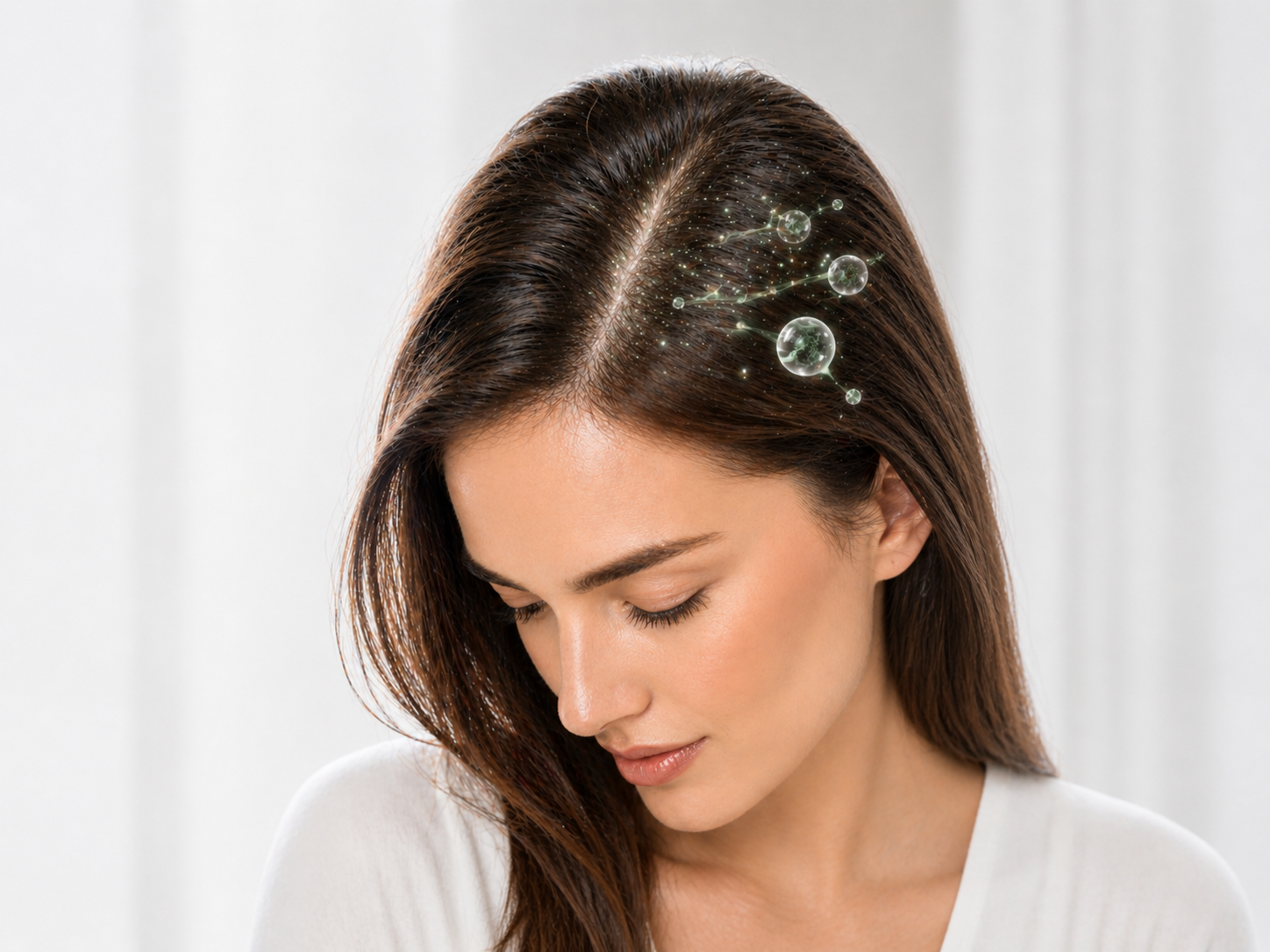
The hormone binds to androgen receptors within the dermal papilla cells of genetically susceptible hair follicles. This binding triggers a sequence of molecular events that progressively shortens the anagen (active growth) phase of the hair cycle and increases the telogen (resting) phase.
Over successive cycles, the follicle miniaturises — producing progressively finer, shorter, and less pigmented hairs — until it eventually becomes permanently dormant. This process is called follicular miniaturisation.
The genetic susceptibility to dihydrotestosterone is inherited. The key anatomical fact that underpins hair transplant surgery is that follicles in the occipital and lateral scalp — the permanent donor zone — do not express the same hormonal sensitivity. These follicles retain their resistance permanently, even after being transplanted to a hormone-rich recipient area.
DHT and Pattern Hair Loss
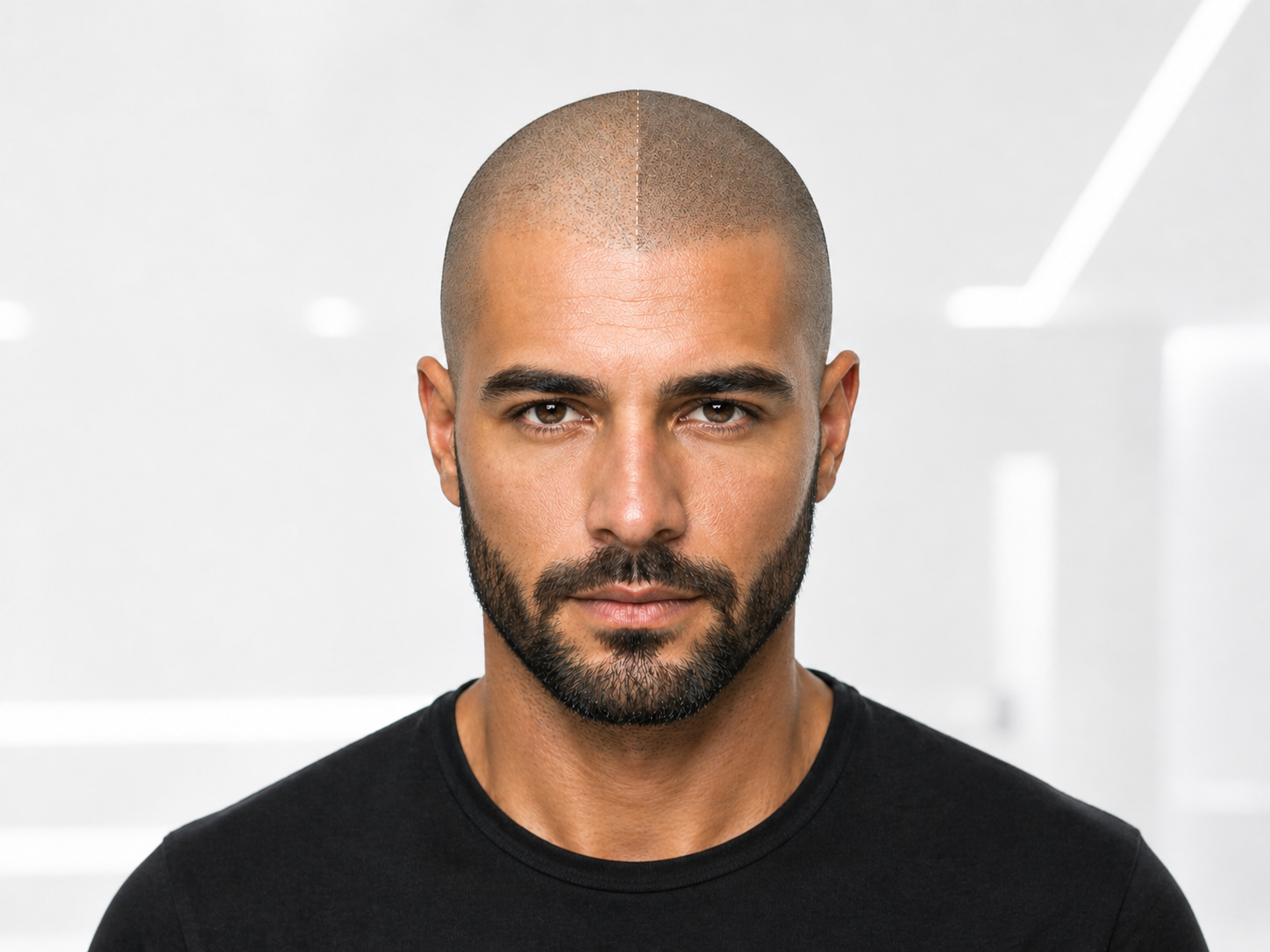
In men, hormone-driven hair loss follows the Norwood Scale — beginning with bitemporal recession and progressing to crown thinning and, in advanced cases, near-complete loss of the frontal, top, and crown scalp.
In women, the same mechanism operates, but the distribution of androgen-sensitive follicles differs — producing diffuse thinning across the crown classified on the Ludwig Scale, typically with frontal hairline preservation. This pattern is addressed surgically through women’s hair transplant procedures tailored to female-pattern presentation.
Androgenetic alopecia affects approximately 50% of men by age 50 and over 50% of women over a lifetime, according to the American Academy of Dermatology.
What Is DHT — Treatments That Target It
The two FDA-approved pharmacological treatments for androgenetic alopecia both operate via the dihydrotestosterone pathway.
Finasteride (1mg daily, oral) is a selective Type II 5-alpha reductase inhibitor. It reduces serum and scalp DHT by 64–68% at the standard dose. Multiple long-term studies confirm it halts progression in the majority of male patients and produces visible regrowth in a significant proportion. Finasteride is contraindicated in premenopausal women due to teratogenic risk.
Dutasteride (0.5mg daily, oral) is a dual Type I and Type II inhibitor. It produces deeper hormonal suppression than finasteride, reducing serum levels by up to 90%. Dutasteride carries a strong clinical evidence base for superior efficacy versus finasteride and is widely used off-label for androgenetic alopecia.
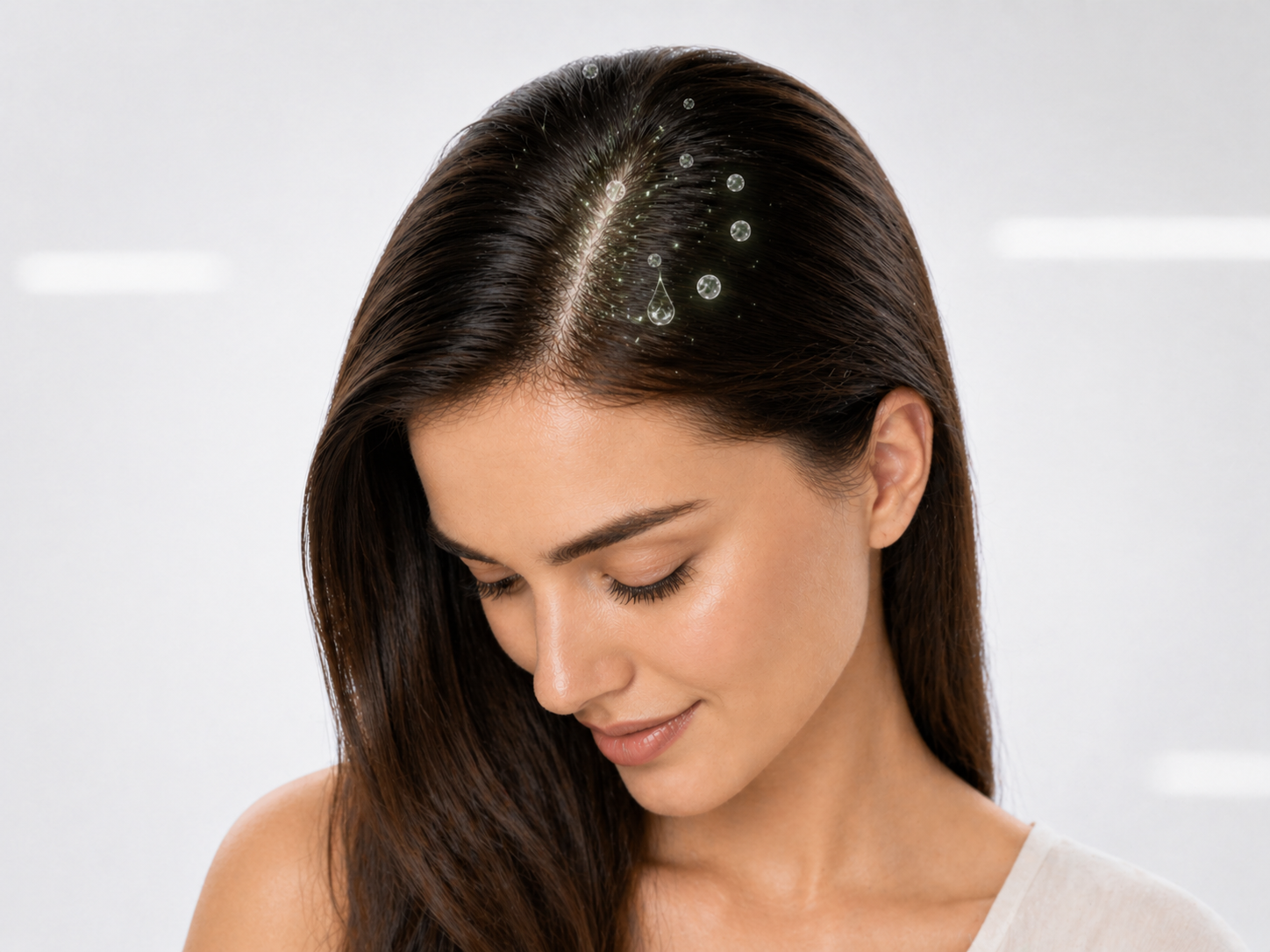
Localised dutasteride delivered via mesotherapy injection achieves follicle-level suppression at a fraction of the systemic oral dose — available at Hair of Istanbul for patients seeking targeted blockade without systemic exposure (Saceda-Corralo et al. 2022). For patients seeking complementary regenerative support alongside hormonal management, PRP treatment is often integrated into the same therapeutic plan.
DHT and Hair Transplant Surgery
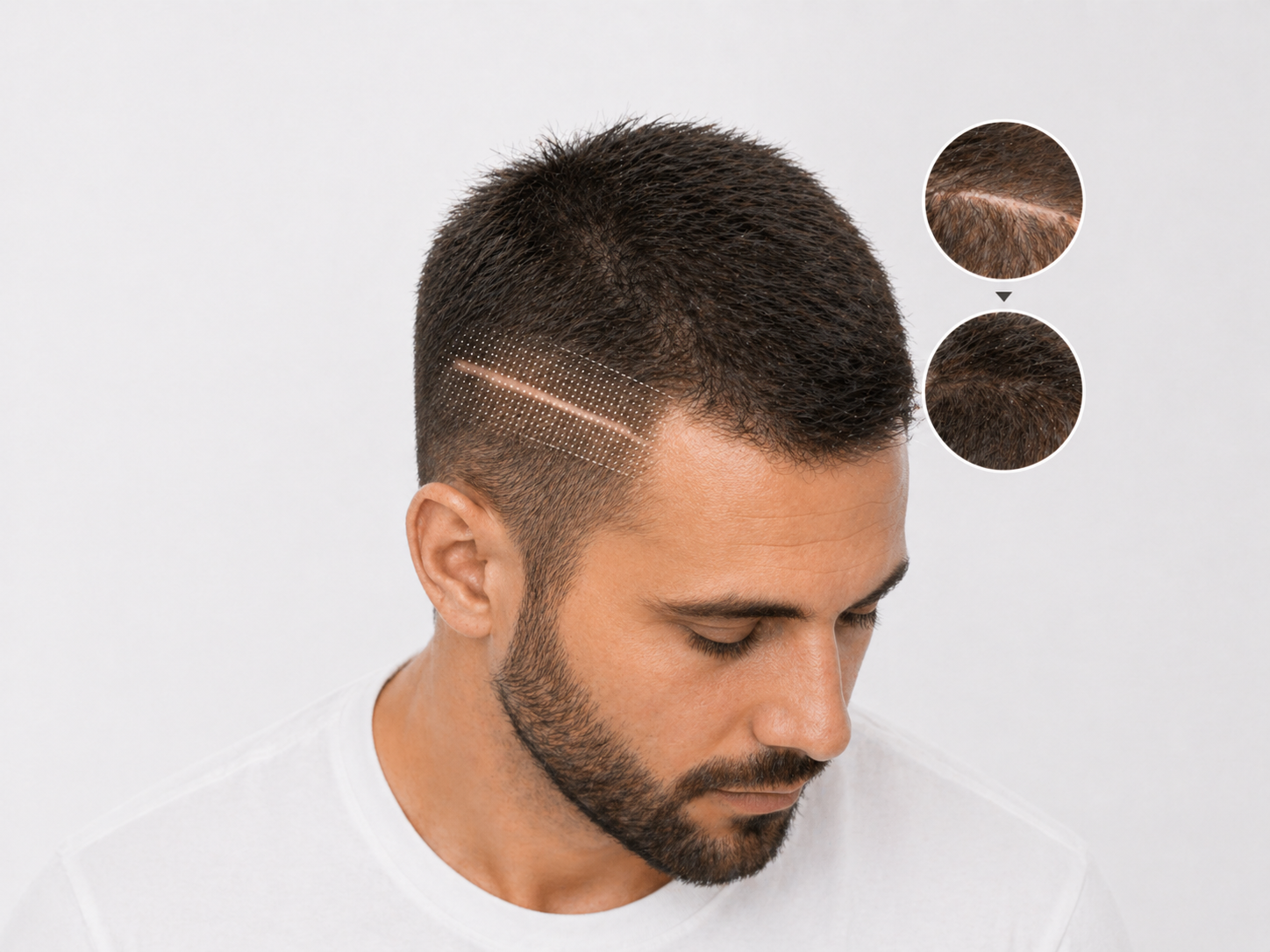
The hormonal-resistant nature of occipital donor follicles is not incidental — it is the biological principle on which hair transplant surgery is founded. When follicles from the permanent donor zone are relocated to androgen-sensitive recipient areas, they retain their donor-area genetic programming and continue to grow permanently.
However, native (non-transplanted) hairs in the recipient area remain subject to ongoing follicular miniaturisation.
This is why Hair of Istanbul incorporates long-term planning into every surgical consultation: hairline design must account for the trajectory of future native hair loss, not only the current presentation at the time of surgery.
DHT (dihydrotestosterone) is an androgen hormone converted from testosterone by the enzyme 5-alpha reductase. It causes hair loss by binding to androgen receptors in genetically susceptible follicles, shortening the active growth phase and progressively miniaturising the follicle until it stops producing hair. This process — follicular miniaturisation — is the primary mechanism behind androgenetic alopecia in both men and women.
Transplanted hair is protected from DHT — but native hair is not. Follicles used for transplantation are taken from the occipital donor zone, which is genetically resistant to dihydrotestosterone. They generally retain this resistance after transplantation and continue to grow over the long term. However, non-transplanted native hairs in and around the recipient area remain susceptible to ongoing miniaturisation, which is why long-term medical management and careful surgical planning are important components of every hair transplant at Hair of Istanbul.
Both are 5-alpha reductase inhibitors, but they differ in potency and target. Finasteride selectively inhibits the Type II isoform, reducing the hormone by 64–68% at the standard 1mg daily dose. Dutasteride inhibits both Type I and Type II isoforms — producing deeper suppression of up to 90% at 0.5mg daily. Dutasteride has a stronger evidence base for efficacy but is not yet FDA-approved specifically for hair loss, while finasteride has been approved since 1997. Both require continuous use to maintain their effect.
Yes. Localised dutasteride delivered via mesotherapy injection achieves follicle-level suppression without significant systemic absorption — avoiding the systemic side effects associated with oral administration. A large retrospective study by Saceda-Corralo et al. (2022, n=541) demonstrated 38.4% marked improvement with zero sexual adverse events across the entire cohort. This protocol is available at Hair of Istanbul for patients seeking hormonal blockade without the systemic exposure of oral finasteride or dutasteride.
No. Dihydrotestosterone is the primary driver of androgenetic alopecia — the most common form of hair loss — but hair loss has multiple other causes. These include telogen effluvium (stress, nutritional deficiency, hormonal disruption), alopecia areata (autoimmune), traction alopecia (mechanical trauma from tight hairstyles), scarring alopecias, thyroid disorders, iron deficiency, and medication-induced hair loss. Accurately identifying the cause before treatment is essential — which is why Hair of Istanbul conducts a formal clinical assessment before any treatment plan is confirmed.