
 en
en TR
TR  SK
SK  ITA
ITA  FR
FR  DE
DE  ES
ES  BG
BG 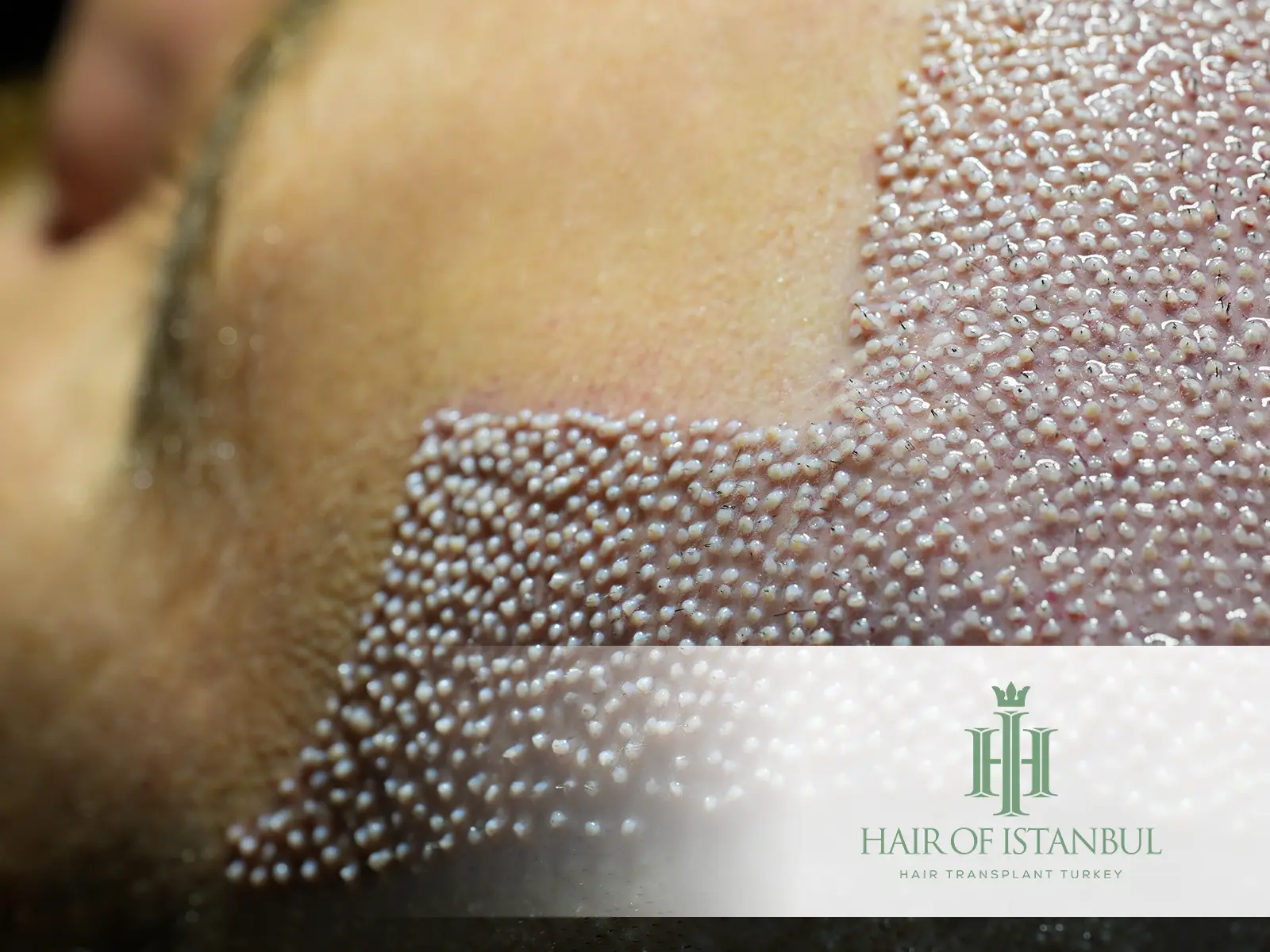
Hair Transplant Side Effects: Swelling, Redness, and Shock Loss Explained (2025 Guide)
The most common hair transplant side effects—swelling, redness, and shock loss—are completely normal biological reactions that occur during the early healing phase. While modern FUE extraction and implantation techniques such as DHI, Sapphire, and Slit significantly reduce trauma compared to older strip (FUT) surgeries, the scalp still undergoes micro-injury during transplantation. Understanding why these effects occur, how long they last, and how to manage them correctly is essential for a smooth and predictable recovery.
This 2025 guide focuses exclusively on the three most universal side effects of hair transplantation—swelling, redness, and shock loss—and provides clear, medically accurate explanations based on modern FUE protocols.
Why Swelling, Redness, and Shock Loss Occur
Each of these side effects is directly linked to the body’s natural healing response. Thousands of micro-channels in the recipient area and micro-extractions in the donor area activate inflammatory and regenerative pathways. These reactions are expected, temporary, and not signs of surgical failure.
For additional reference on the overall healing journey, patients may review the comprehensive hair transplant recovery timeline.
1. Swelling After Hair Transplant
Swelling (post-operative edema) is one of the most predictable hair transplant side effects. It occurs because local anesthesia and micro-surgical manipulation increase temporary fluid accumulation in the scalp tissues. As gravity pulls this fluid downward, swelling may move from the forehead toward the eyelids.
When Swelling Occurs
- Starts: Day 2–3
- Peaks: Day 3–4
- Ends: Day 5–7
Not all patients experience visible swelling, and in most cases, it resolves naturally without medication.
Why Swelling Happens
Swelling is caused by the body’s inflammatory cascade—an essential mechanism for healing. The following contribute to edema:
- Local anesthesia diffusing into tissue planes
- Increased blood flow to support healing
- Micro-trauma during graft placement
How to Reduce Swelling
- Sleep with head elevated (30–45°) for the first 3 nights
- Avoid bending forward or heavy lifting
- Avoid exercise for at least 10–14 days
- Follow the clinic’s saline spray and cold compress recommendations (never apply ice directly on grafts)
For additional exercise-related precautions, visit the guide to exercise after hair transplant.
2. Redness After Hair Transplant
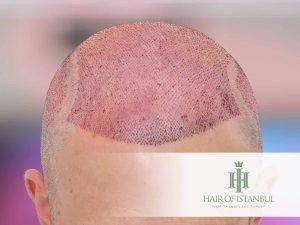
Redness (erythema) is a normal and expected response as the skin increases blood flow to repair micro-incisions. It is not a complication unless accompanied by progressive pain, heat, or discharge.
How Long Redness Lasts
- Most patients: 7–14 days
- Fair or sensitive skin: 3–6 weeks
- Reactive skin types: longer periods are possible
Why Redness Occurs
Each implanted graft requires a micro-channel. The body sends oxygen-rich blood to these sites, causing temporary redness. This increased vascular activity also supports early graft survival.
How to Reduce Redness
- Use pH-balanced medical shampoo for the first 10–14 days
- Avoid direct sun exposure for at least 4–6 weeks
- Do not scratch or rub the scalp
- Follow the moisturising steps described in the first wash after hair transplant guide
Redness vs Infection
Redness alone is normal. Infection—though extremely rare—shows additional signs:
- Heat in the area
- Persistent pain
- Pus or foul smell
- Fever
These signs require medical evaluation.
3. Shock Loss After Hair Transplant
Shock loss is the most misunderstood of all hair transplant side effects. Many patients mistake it for graft failure, but this is incorrect. Shock loss is a temporary shedding of the hair shaft, not the follicle.
Why Shock Loss Happens
Shock loss occurs when transplanted or surrounding native hairs temporarily enter a resting phase (telogen) due to surgical stress, inflammation, or temporary oxygen changes in the skin.
While hair shafts shed, the follicles remain intact under the skin and will regrow.
When Shock Loss Happens
- Starts: Week 2
- Peak: Weeks 3–6
- Ends: Week 6–8
When Regrowth Begins
- First regrowth: Month 3–4
- Visible density: Month 5–6
- Major improvement: Month 6–9
- Full maturation: Month 12–18
Shock loss does not affect long-term success unless the patient has advanced miniaturisation in native hairs—this may require supportive medical therapy.
How to Reduce Shock Loss Risk
- Avoid early exercise
- Follow correct washing routines
- Avoid scratching or friction
- Maintain scalp hydration with clinic-approved products
- Manage stress and avoid smoking
For more detailed regrowth expectations, see the hair transplant recovery timeline.
Side Effects in the Donor Area
The donor area generally heals faster than the recipient area thanks to micro-punch FUE extraction. Typical side effects include:
- Mild redness
- Sensitivity while washing
- Tiny dot marks that fade significantly within weeks
- Tightness or dryness during the first days
To understand donor preservation strategies, patients can review the donor area for hair transplant guide.
How to Prevent or Minimise Side Effects
While side effects cannot be completely eliminated, they can be significantly reduced through proper care:
- Follow washing protocols exactly
- Avoid sweating in the first 10–14 days
- Keep scalp clean and hydrated
- Sleep elevated for the first nights
- Avoid sun exposure during early recovery
- Avoid alcohol and smoking early on

When to Contact Your Clinic
Most side effects are mild, temporary, and expected. However, patients should seek medical support if they notice:
- Persistent or severe pain
- Yellow discharge
- Fever or chills
- Rapid swelling after Day 5
- Sudden spreading redness with heat
Independent Medical Reference
For general hair loss and scalp health information, refer to the authoritative NHS hair loss resource.
Conclusion
The most common hair transplant side effects—swelling, redness, and shock loss—are normal components of the healing process. They are temporary, predictable, and manageable with correct after-care. Swelling typically resolves within a week, redness fades gradually, and shock loss gives way to strong regrowth starting at Months 3–4. With patience, structured recovery, and high-quality clinical support, patients can expect safe healing and natural long-term results.
Swelling usually appears on Days 2–4 and resolves by Day 5–7.
Yes. Redness lasts 1–3 weeks, longer in sensitive skin.
A temporary shedding of transplanted and sometimes native hairs between Weeks 2–6. Follicles remain intact.
New growth begins at Months 3–4, with major improvement from Months 6–9.
Follow proper washing, avoid sweating early on, protect from sun, and follow clinic after-care instructions.
