
 en
en TR
TR  SK
SK  ITA
ITA  FR
FR  DE
DE  ES
ES  BG
BG 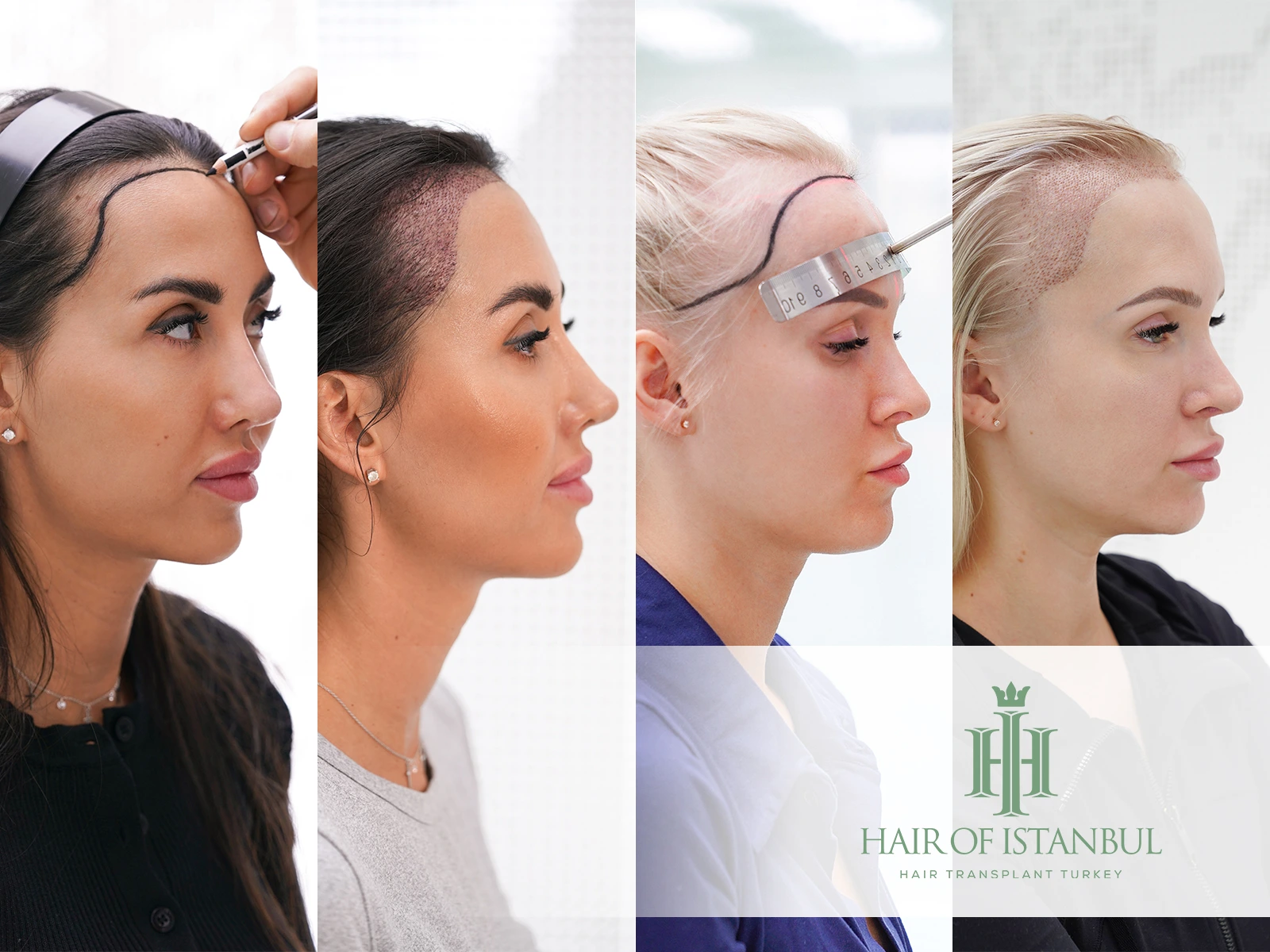
Impact of Female Hair Transplant on Life: What Meaningfully Changes?
The impact of female hair transplant on life is often described in before–after photos, yet the most important outcomes are lived every day: confidence returning, styling becoming simple again, and social moments feeling natural instead of stressful. This guide translates clinical realities into daily-life language so readers can evaluate whether the impact of female hair transplant on life aligns with their goals, health, and expectations.
Why Women Seek Transplantation and What’s Different Clinically
Female hair loss patterns differ from typical male recession. Many women show diffuse thinning that spares a central “safe” donor zone to varying degrees. Correctly diagnosing the pattern, stability, and medical contributors (thyroid disease, iron deficiency, postpartum shifts, traction habits) determines the eventual impact of female hair transplant on life. In appropriate candidates, surgical restoration complements medical care; in others, medical therapy alone may be recommended until stability is proven.
The Psychological Lift: Confidence, Agency, and Everyday Ease
From client diaries and clinic follow-ups, the most immediate impact of female hair transplant on life is psychological: reduced mirror-checking, less camouflage (powders, fibres), and freedom to style hair without anxiety about wind, lighting, or rain. This relief compounds into better social participation and professional presence. Patients frequently report that their self-image begins to match how they feel internally—an essential win for well-being.
Extraction vs Implantation: Keeping the Science Straight
Modern procedures separate two phases. FUE is the extraction technique—follicular units are harvested one by one from the strongest donor areas. The implantation phase is executed with tools and channel strategies (DHI implanter pens or sapphire/slit blades with coronal/sagittal orientation). Clarifying this helps readers understand the impact of female hair transplant on life: clean FUE extraction protects donor aesthetics, while smart implantation design drives the visible hairline and density.
To learn more about fundamentals, see our overview of the core procedure on the hair transplant page, and detailed extraction principles on the FUE technique page. For implantation logistics and angle/depth control, see DHI technique.
Five Powerful Wins Women Commonly Report
- Styling freedom returns. The daily fringe choreography—hats, toppers, powders—simplifies. This immediate change is a practical impact of female hair transplant on life that saves time and mental load.
- Photographs become easy again. Stage lights and overhead LEDs stop feeling like adversaries. Density distribution and line softness are planned to behave well in harsh lighting.
- Professional presence improves. Many women note more focus in meetings and interviews because attention shifts from concealment to content—an often-underestimated impact of female hair transplant on life.
- Long-term design stability. Thoughtful donor management supports future flexibility. A responsible plan anticipates progressive thinning and preserves options.
- Body-image congruence. The mirror begins to reflect how patients feel internally, reinforcing sustained adherence to healthy routines.
Candidacy: Who Actually Benefits Most?
The best impact of female hair transplant on life occurs in women with stable female-pattern thinning, traction alopecia with halted traction, and localized scars. Diffuse unpatterned alopecia and active inflammatory conditions are poor candidates until medically controlled. Evidence-based screening matters—see an authoritative primer on women’s hair loss patterns at the American Academy of Dermatology (AAD).
Design Priorities in Women: Hairline, Part Line, and Frame
Female restoration emphasizes three visual anchors: a soft, feminine frontal line; reinforcement along the part line; and frame restoration around the temples. The impact of female hair transplant on life hinges on how these zones are balanced—not the raw graft number. Singles (one-hair grafts) set the hairline feather; strategic doubles add invisible mass behind. Coronal channeling at low exit angles creates sheen and softness; sagittal patterns may be favored where direction changes. These design choices translate directly to daily styling experiences.
Donor Management and Aesthetics
Unlike male patterns, women often wear longer hair that exposes the donor area during up-dos. Clean FUE extraction with spread-out harvest patterns prevents “moth-eaten” looks. Thoughtful spacing, punch selection, and session size safeguard ponytail aesthetics—quiet choices that maximize the impact of female hair transplant on life months later when hair is tied back.
Timeline: What to Expect Month by Month
Immediate post-op includes mild swelling and tiny scabs. Shedding (“telogen effluvium” of transplanted shafts) typically peaks around weeks 3–6. Early sprouts emerge by months 3–4, with visible volumization between months 6–9. Maturation and shine optimization continue through months 12–15. Adhering to structured instructions amplifies the impact of female hair transplant on life by converting biological potential into visible density—see our after care guidance.
Medical Care That Complements Surgery
Best results are comprehensive. Iron correction, thyroid management, low-level laser, anti-inflammatory scalp care, and traction avoidance support density. Where appropriate, physicians may discuss pharmacologic options tailored to female physiology. This multimodal plan is a force multiplier for the impact of female hair transplant on life, keeping native hairs healthier while the transplant matures.
Risk, Realism, and Ethics
No operation is risk-free: shock shedding of native hair, temporary numbness, or suboptimal yield can occur. Ethical counseling aligns expectations with anatomy. The impact of female hair transplant on life remains positive when planning is honest about donor limits and the likelihood of future medical therapy. Data-driven clinics photograph outcomes under consistent lighting and angles to verify progress.
Techniques Without Confusion
To reiterate: FUE is extraction; DHI/sapphire/slit are implantation tools and channel strategies. Keeping roles distinct prevents marketing confusion and helps patients evaluate how each decision affects the impact of female hair transplant on life. Extraction quality protects the ponytail; implantation artistry defines the part, frame, and hairline behavior in real life.
Costs, Teams, and Choosing a Clinic
Pricing reflects session size, operator expertise, and clinical safeguards. Our transparent package overview is summarized on the pricing page. Just as important, review the experience and philosophy of the medical team and the clinic’s patient-first ethos on about us. These factors shape the long-term impact of female hair transplant on life as much as the graft count.
Frequently Asked Questions
Will people notice? Early on, there are visible signs for about 7–10 days. Thereafter, the change develops gradually. The subtle pace is one reason the impact of female hair transplant on life feels natural.
Can I color or style as usual? Most clinics allow gentle coloring after the scalp fully heals (commonly 4–6 weeks). Heat styling is reintroduced gradually. The impact of female hair transplant on life is amplified when protective styling habits are adopted.
What if hair loss progresses? Responsible plans anticipate progression and reserve donor options. Ongoing medical care maintains the positive impact of female hair transplant on life over years, not just months.
Putting It All Together
The meaningful impact of female hair transplant on life is a composite: diagnostic rigor, conservative donor use, feminine design, and disciplined aftercare. When these parts align, daily benefits styling freedom, social ease, and self-image congruence compound. For visuals of design principles applied in practice, browse our before after gallery, and for a personalized plan that respects your biology and goals, reach out via contact.