
 en
en TR
TR  SK
SK  ITA
ITA  FR
FR  DE
DE  ES
ES  BG
BG What Is PRP Hair Treatment?
In Which Hair Problems Is PRP Used?
PRP hair treatment is commonly recommended for:
- Early and moderate male pattern hair loss (androgenetic alopecia)
- Female pattern hair loss and diffuse hair thinning
- Supportive treatment before or after hair transplantation
- Seasonal or stress-related hair shedding (with physician approval)
- Weak, fine, dull, or low-volume hair
In areas where hair follicles are completely lost and the scalp is smooth and shiny, PRP alone is not sufficient to regrow hair. In such cases, surgical options such as hair transplantation are typically required. Correct indication is essential for realistic expectations.
Who Is a Good Candidate for PRP Hair Treatment?
Generally suitable candidates include:
- Individuals with recent-onset or moderate hair loss
- Those experiencing thinning but not complete baldness
- Patients wishing to strengthen hair before a transplant
- Patients who want to support healing and density after a transplant
- Adults in good health with no major blood disorders
Patients who may not be suitable or require special caution:
- Individuals undergoing active cancer treatment
- Those with significant blood disorders or very low platelet counts
- Patients with serious autoimmune diseases or chronic infections
- Pregnant or breastfeeding women (treated only at physician’s discretion)
- Patients with active infection, open wounds, or severe scalp disease
Before PRP, a detailed medical history, physical examination, and (if needed) laboratory tests are recommended to confirm suitability.
How Is PRP Hair Treatment Performed?
The PRP hair treatment process consists of several steps:
1. Consultation and Treatment Planning
The physician evaluates the scalp, hair quality, degree of hair loss, underlying causes, medications, and expectations to create an individualized plan.
2. Blood Draw
A small amount of blood (usually 10–20 ml) is drawn from a vein in the arm, similar to a routine blood test.
3. Centrifugation (Separation)
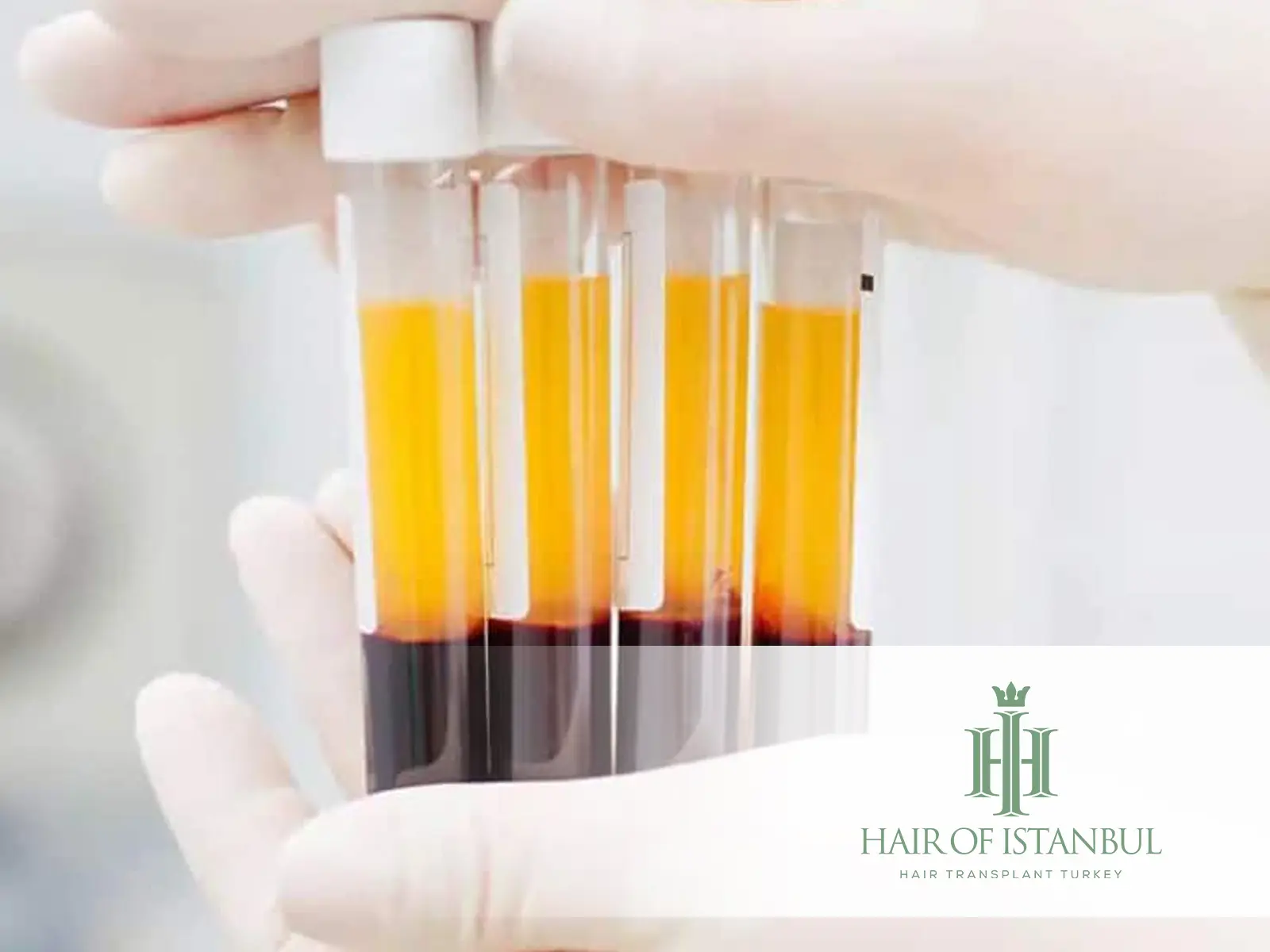
The collected blood is placed into special tubes and spun at a specific speed and duration to separate components:
- Red blood cells
- White blood cells
- Platelet-rich plasma (PRP)
The PRP layer, rich in growth factors, is extracted for injection.
4. Preparing the Scalp
Depending on sensitivity and physician preference, a topical anesthetic cream or spray may be applied to the scalp to reduce discomfort.
5. PRP Injections
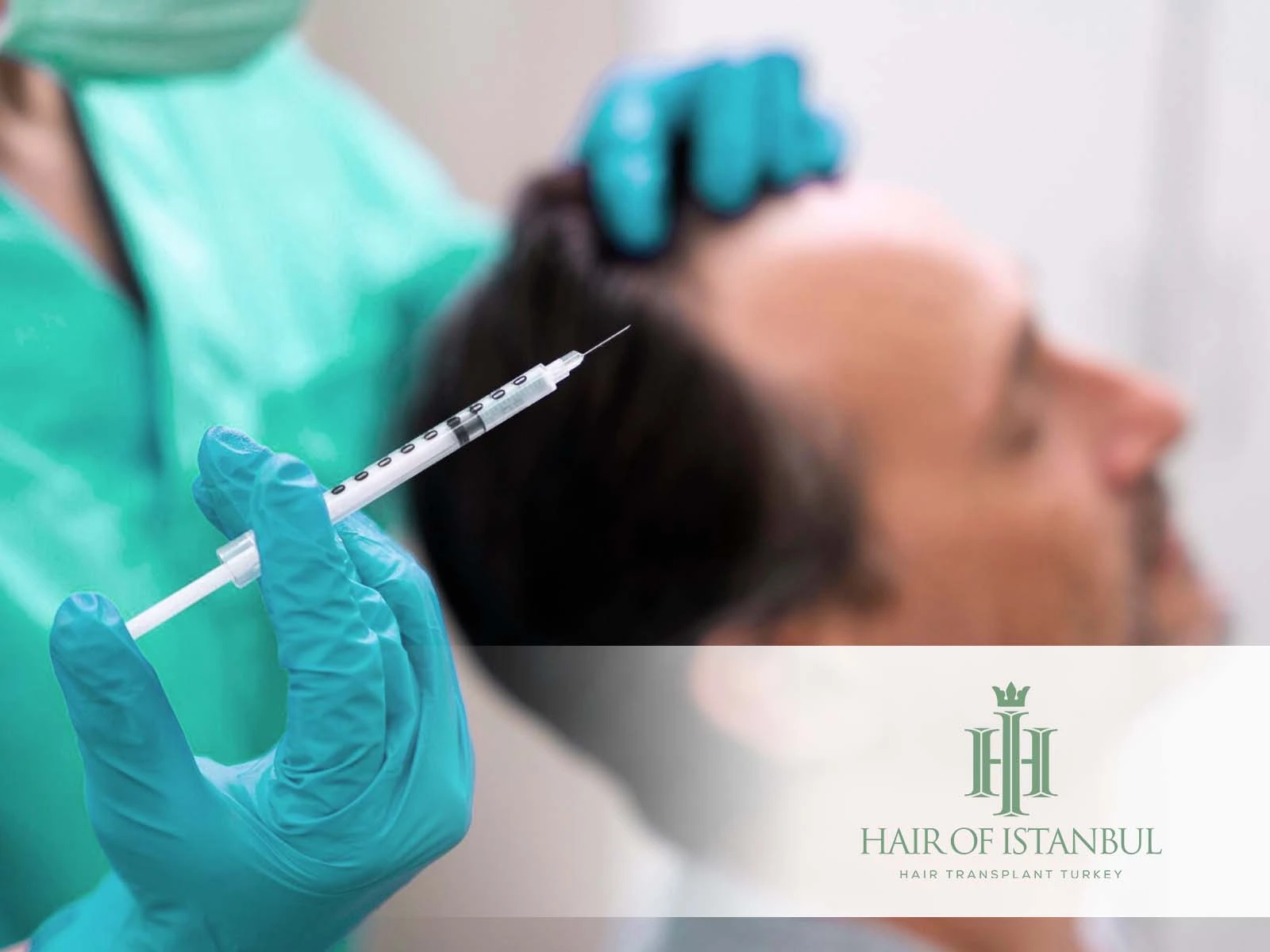
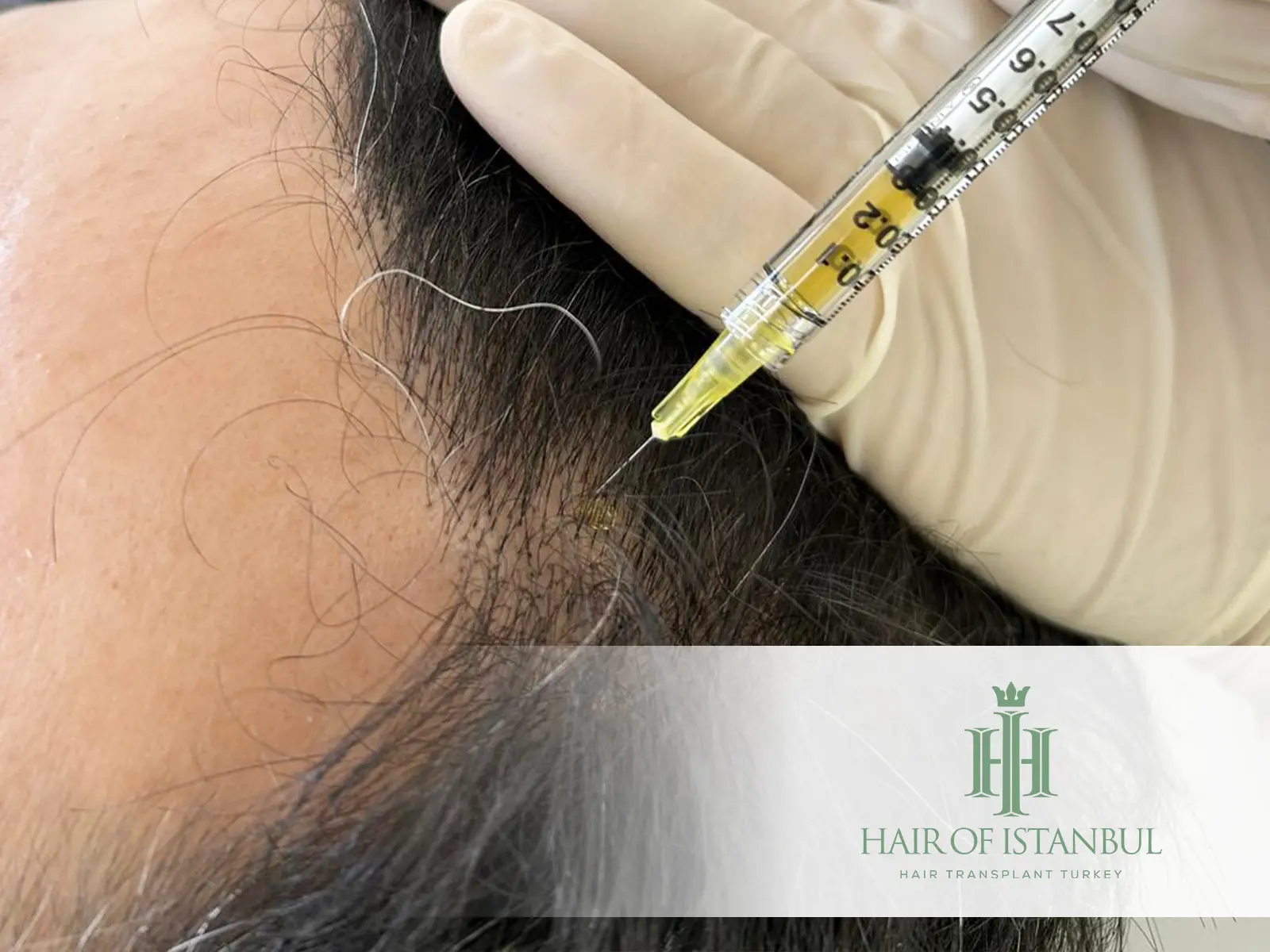
The PRP is injected into the scalp using fine needles, targeting areas with thinning or shedding. Injections are usually placed every few centimeters in a grid-like pattern. The full procedure typically lasts 30–45 minutes.
6. After the Procedure
Temporary redness, sensitivity, or a mild burning sensation may occur. These effects usually resolve within a few hours, and most patients return to daily activities immediately.
How Many PRP Hair Sessions Are Needed?
The number of sessions depends on the severity of hair loss, patient age, and general health.
Common protocols:
- 3–6 total sessions
- 4–6 week intervals between sessions
- Maintenance sessions every 6–12 months
Initial improvements such as reduced shedding or stronger hair shafts are often noticeable after the second or third session. Visible increases in density and volume may take 6–12 months.
Individual results vary, and no treatment guarantees identical outcomes for all patients.
Advantages of PRP Hair Treatment
- Autologous and biological: Uses the patient’s own blood, reducing allergy risk.
- Non-surgical: No incisions or stitches; minimally invasive.
- Short sessions: Typically 30–45 minutes.
- Fast recovery: Most patients return to daily routines immediately.
- Combination therapy: Works alongside transplantation, mesotherapy, and topical treatments.
You may feel slight stinging or pressure due to injections. Topical anesthetics help improve comfort.
PRP can reduce shedding and improve hair density, especially in early-stage hair loss. It does not fully reverse advanced genetic baldness. In such cases, hair transplantation is usually required.
Results can be long-lasting but not entirely permanent. Genetics, hormones, age, and lifestyle continue to influence hair health. Maintenance sessions may be necessary.
Reduced shedding often appears after 2–3 sessions. Visible density improvements typically emerge within 6–12 months.
- Mesotherapy:Uses injections of vitamins, minerals, amino acids, and active substances.
- PRP:Uses platelet-rich plasma with natural growth factors.
Some patients benefit from a combination of both, depending on physician evaluation.
PRP is a modern, minimally invasive option that supports hair follicles using the body’s own biological mechanisms. Many patients experience improvement in thickness, strength, and density—but results differ by individual, and expectations must be realistic.
