
 en
en TR
TR  SK
SK  ITA
ITA  FR
FR  DE
DE  ES
ES  BG
BG 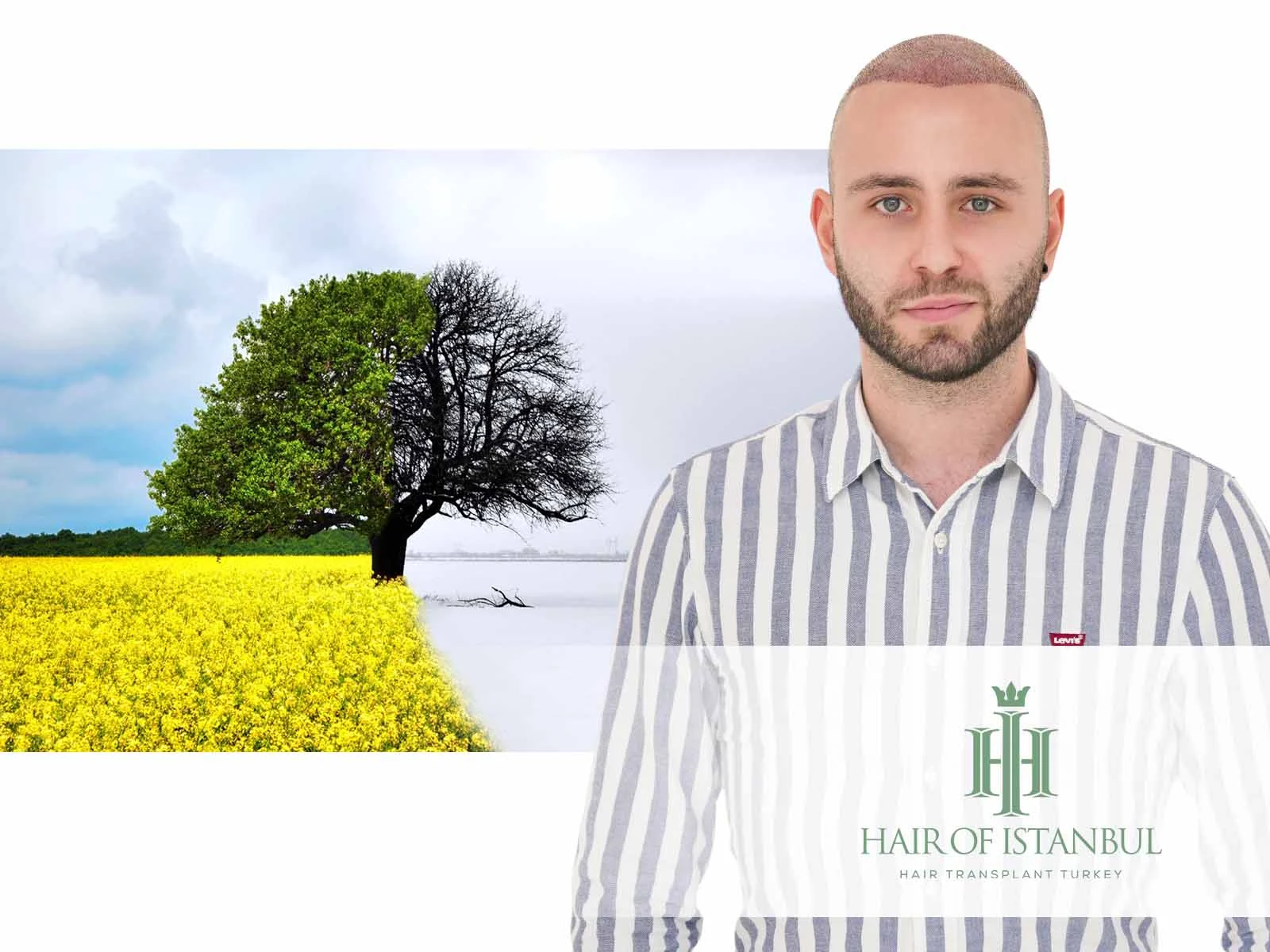
Best Season for Hair Transplant: Complete 2025 Guide for Optimal Results
The best season for hair transplant is one of the most common questions among individuals planning the procedure. While modern hair restoration techniques ensure reliable and consistent outcomes at any time of the year, seasonal differences can influence comfort, early healing, sun protection, swelling behavior, and lifestyle compatibility. This comprehensive 2025 guide explains how each season affects the recovery process, what environmental factors matter, and how to choose the ideal time for maximum comfort and optimal results.
Why the Season Matters in Hair Transplantation
Hair transplantation whether performed with FUE extraction and implantation techniques such as DHI, Sapphire, or Slit—requires a brief but sensitive early healing phase. During the first 10–14 days, the scalp experiences minor crusting, redness, and sensitivity. Environmental stability helps minimize irritation and accelerates comfort.
Although graft survival rates remain stable year-round when performed by experienced medical teams, selecting the best season for hair transplant can enhance postoperative comfort and reduce the risk of environmental stress on the scalp. Factors such as UV exposure, humidity, temperature, sweating, and daily activities all play a role.
Is There a Scientifically Proven “Best Season for Hair Transplant”?
Medically, there is no single season that guarantees superior graft survival. However, environmental conditions have clear effects on how easy or challenging the early aftercare period may feel. For instance, intense sun exposure can irritate a freshly transplanted scalp, while excessive sweating may compromise hygiene during the first week. Therefore, choosing the right season depends on personal lifestyle, geographic location, travel plans, and sensitivity to climate conditions.
Winter Hair Transplant
Winter is widely considered by many experts to be the best season for hair transplant due to its healing-friendly characteristics. Cooler temperatures and reduced sun exposure create ideal conditions for early recovery.
Advantages of Winter
- Very low UV radiation, reducing the risk of sun induced irritation
- Minimal sweating, allowing grafts to heal comfortably
- Stable cold temperatures that support natural swelling management
- More time indoors, which simplifies aftercare routines
Potential Downsides
- Dry indoor heating may increase scalp dryness (easily managed with medical moisturizers)
- Strong winds may cause temporary sensitivity outdoors
Overall, winter is ideal for patients seeking discreet recovery and maximum comfort.
Spring Hair Transplant
Spring offers moderate temperatures and balanced humidity, making it another excellent candidate for the best season for hair transplant. Patients who prefer gradual seasonal change often find spring comfortable.
Advantages of Spring
- Stable weather with mild temperatures
- Lower sun intensity than summer
- Opportunity for early results to be visible by late summer
Considerations
- Outdoor activities increase, requiring mindful sun protection
Spring is particularly beneficial for patients who want the visible growth stage (months 3–6) to align with summer.
Summer Hair Transplant
Summer is a popular time for many international patients due to flexible schedules, but it requires disciplined compliance with medical aftercare. While medically safe, the environment demands greater attention.
Advantages of Summer
- More vacation time for many individuals
- Convenience for international travel
- Opportunity to plan results for winter or next spring
Challenges
- High UV levels require strict sun avoidance for 2–3 weeks
- Increased sweating may cause temporary discomfort
- Swimming (pool/sea) is prohibited for at least 2–3 weeks
For patients who follow medical guidelines carefully, summer can still be an excellent choice.
Autumn Hair Transplant
Autumn is among the most preferred seasons for hair restoration due to its mild climate and reduced UV exposure. It balances comfort and practicality exceptionally well.
Advantages of Autumn
- Comfortable temperatures with low humidity
- Significant decrease in sun intensity
- Minimal sweating and irritation
Considerations
- Post-summer sun damage or dryness may require scalp conditioning
Autumn is especially suitable for patients who want to start the growth phase before winter.
Comparing All Seasons for Hair Transplant
The best season for hair transplant often depends on a patient’s preferences and lifestyle. A direct comparison provides clarity:
Winter vs. Summer
- Winter: Easiest healing, lowest UV, minimal sweating
- Summer: Most scheduling flexibility, but requires discipline with sun protection
Spring vs. Autumn
- Spring: Balanced climate, earlier visibility of results
- Autumn: Very comfortable for recovery, low UV, ideal for discreet healing
Choosing the Best Season Based on Your Lifestyle
To determine your personal best season for hair transplant, consider the following factors:
- Do you spend a lot of time outdoors?
- Can you avoid sun exposure for the first 2–3 weeks?
- Do you sweat easily in warm weather?
- What is your work or travel schedule like?
- Do you prefer a discreet recovery period?
These questions help align the procedure with your natural lifestyle rhythms.
Medical Factors That Matter More Than Seasons
While seasons influence comfort, the biologically critical factors remain constant year-round. The most important elements for successful outcomes are:
- Experienced medical team
- Sterile, controlled surgical environment
- Correct FUE extraction angles and depth
- Proper graft storage conditions
- High-precision implantation techniques
- Postoperative communication and follow-up
For those seeking a deeper understanding of the procedure, reviewing guides on hair transplantation, FUE technique, or after-care guidelines can provide valuable context.
Which Season Do Most Patients Prefer?
- Winter: Most comfortable and discreet
- Autumn: Ideal weather with minimal environmental challenges
- Spring: Mild climate and excellent planning flexibility
- Summer: Convenient for vacations, but requires strict care
Winter and autumn consistently rank as the most popular choices among patients prioritizing comfort and low UV exposure.
Best Season for Hair Transplant Expert Opinion
Experts agree that the best season for hair transplant is the period during which the patient can consistently follow aftercare guidelines, avoid sun exposure, and maintain scalp hygiene without difficulty. For many individuals, this tends to be winter or autumn. However, long-term results remain stable across all seasons when medical protocols are properly followed.
Additional Resources to Explore
To continue your research, visit our guides on:
For general medical information on hair loss, refer to the authoritative NHS hair loss resource.
Winter and autumn are typically preferred because UV levels are lower and sweating is minimal, making recovery more comfortable.
No. Summer is safe medically, but you must avoid sun exposure and sweating during the first weeks for optimal healing.
Cold weather does not harm grafts. It may cause dryness but has no negative effect on graft survival.
Patients often experience smoother healing in cooler seasons due to lower UV exposure and reduced perspiration.
No. With proper medical protocols, graft survival and final results remain the same in all seasons.
