




What Is DHI Hair Transplant?
DHI (Direct Hair Implantation) is a hair transplant technique that uses the Choi implanter pen to place follicular grafts directly into the recipient area in a single step — without pre-made incisions. This article explains how DHI works, what differentiates it from FUE, the role of the Choi pen, and the clinical scenarios in which DHI is preferred.
DHI — Direct Hair Implantation — is a surgical hair transplant technique that uses a specialised tool called the Choi implanter pen to place follicular grafts directly into the recipient area in a single step. Unlike traditional FUE, where channels are created first and grafts are placed afterwards, DHI hair transplant technique combines incision and implantation into a single motion. The approach gives the surgeon precise control over the angle, direction, and depth of every implanted graft — making it particularly suited to specific clinical scenarios including unshaven procedures, dense packing, and hairline refinement. Understanding DHI is essential for any patient evaluating hair transplant surgery options.
How DHI Hair Transplant Works
The DHI procedure follows the same biological foundation as all modern hair restoration: follicles are harvested from the occipital donor zone — genetically resistant to DHT — and relocated to the recipient area, where they retain their permanent growth programming.
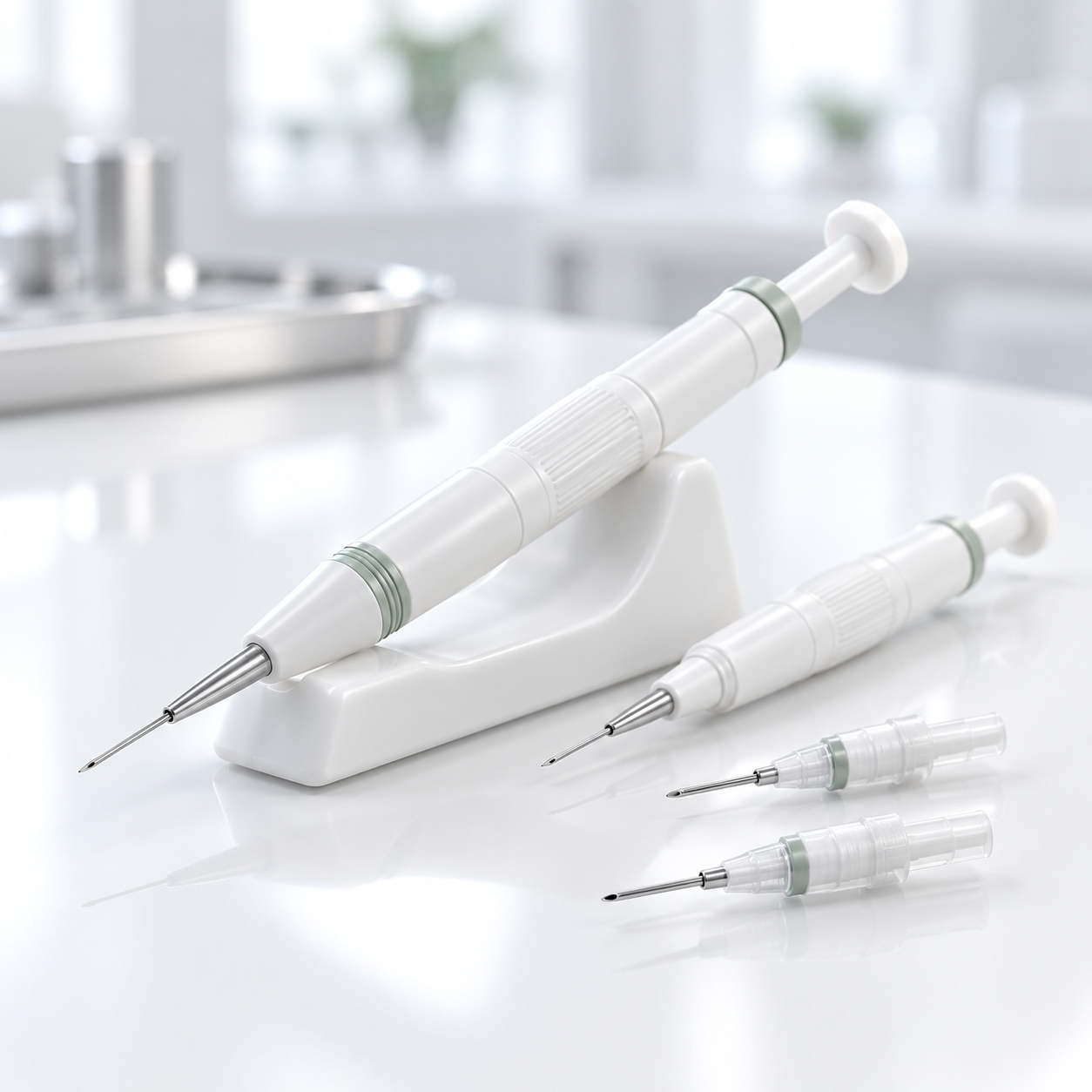
What differentiates DHI is the implantation phase. After grafts are extracted using standard FUE micro-punches (0.7–0.9 mm diameter), they are loaded one by one into a Choi implanter pen — a hollow, tapered needle that holds the graft inside its barrel. The surgeon then presses the pen tip into the recipient scalp at the chosen angle and depth, and a spring-loaded mechanism releases the graft into the tissue in the same motion.
This single-step process eliminates the separate “channel creation” phase used in FUE. The result is shorter time outside the body for each graft, theoretically improving graft survival, and simultaneous control over four critical placement variables — angle, direction, depth, and density — at the moment of implantation.
DHI Hair Transplant Technique — Clinical Evidence
Comparative studies between DHI and FUE consistently report similar long-term graft survival rates, generally in the 90–95% range when both techniques are performed by experienced surgeons. The key clinical differentiators are not raw survival numbers but rather precision, recipient-area trauma, and the ability to perform unshaven procedures.
- Implantation angle: DHI achieves 40–45° natural-direction placement consistently
- Time out of body: Reduced for each graft compared to two-stage FUE
- Recipient bleeding: Minimised due to fewer pre-made incisions
- Density per cm²: Up to 50–60 grafts/cm² achievable in skilled hands
The literature does not establish DHI as universally superior to FUE — both techniques produce excellent outcomes when performed correctly. The technique selection should be driven by the specific clinical case, surgeon experience, and patient preferences rather than a blanket assumption that one method is “better” than the other.
DHI Choi Implanter Pen Explained
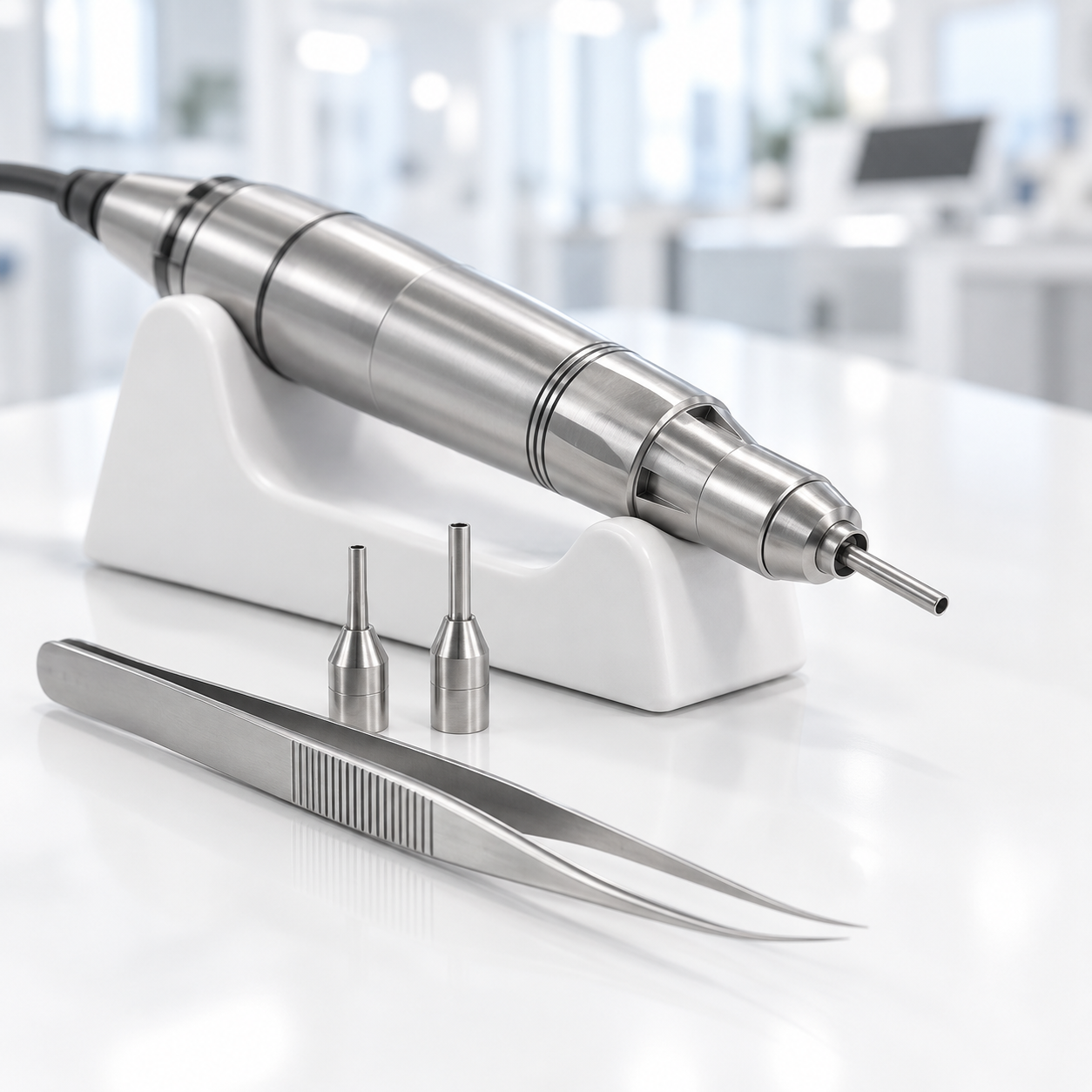
The Choi implanter pen — developed in South Korea in the early 2000s and refined through multiple generations — is the defining tool of DHI. The pen consists of a hollow needle with a sharp, tapered tip and a spring-loaded plunger mechanism that releases the loaded graft on activation.
Multiple needle gauges are available — typically ranging from 0.6 mm to 1.0 mm — selected based on the size of the follicular unit being implanted. Single-hair grafts use the finest gauges; multi-hair follicular units (3–4 hairs) use wider gauges to avoid graft compression.
A typical DHI procedure uses 6–8 pens loaded simultaneously by trained technicians, allowing the surgeon to maintain a continuous implantation rhythm. The graft loading process itself is delicate — improper loading can cause graft trauma, which is why DHI requires significantly more team training and operational discipline than basic FUE.
DHI vs FUE — Key Differences
Both DHI and FUE share the same extraction phase. The differences emerge in the implantation phase and downstream clinical advantages.
FUE (two-step): Surgeon first creates recipient site channels using sapphire or steel blades, then technicians manually place the extracted grafts into the pre-made channels using forceps. Channel angle, depth, and density are determined upfront.
DHI (single-step): Surgeon uses the Choi implanter pen to create the channel and place the graft simultaneously. Angle, depth, and density are controlled in real-time at every implantation.
The clinical scenarios where DHI offers a meaningful advantage:
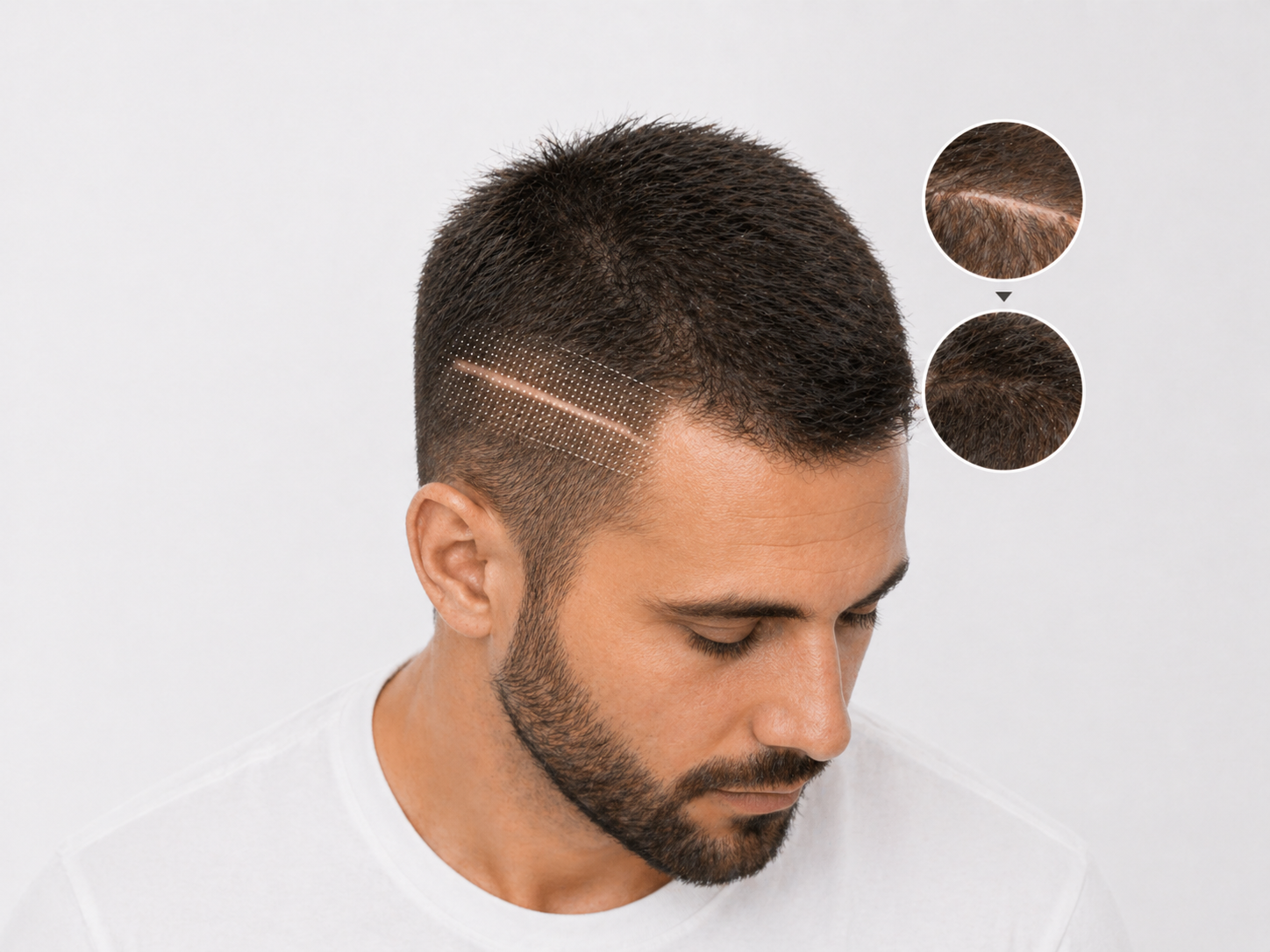
- Unshaven procedures: DHI’s precision allows implantation between existing hairs without the need to fully shave the recipient area — a major aesthetic and social benefit, particularly for women’s hair transplant patients
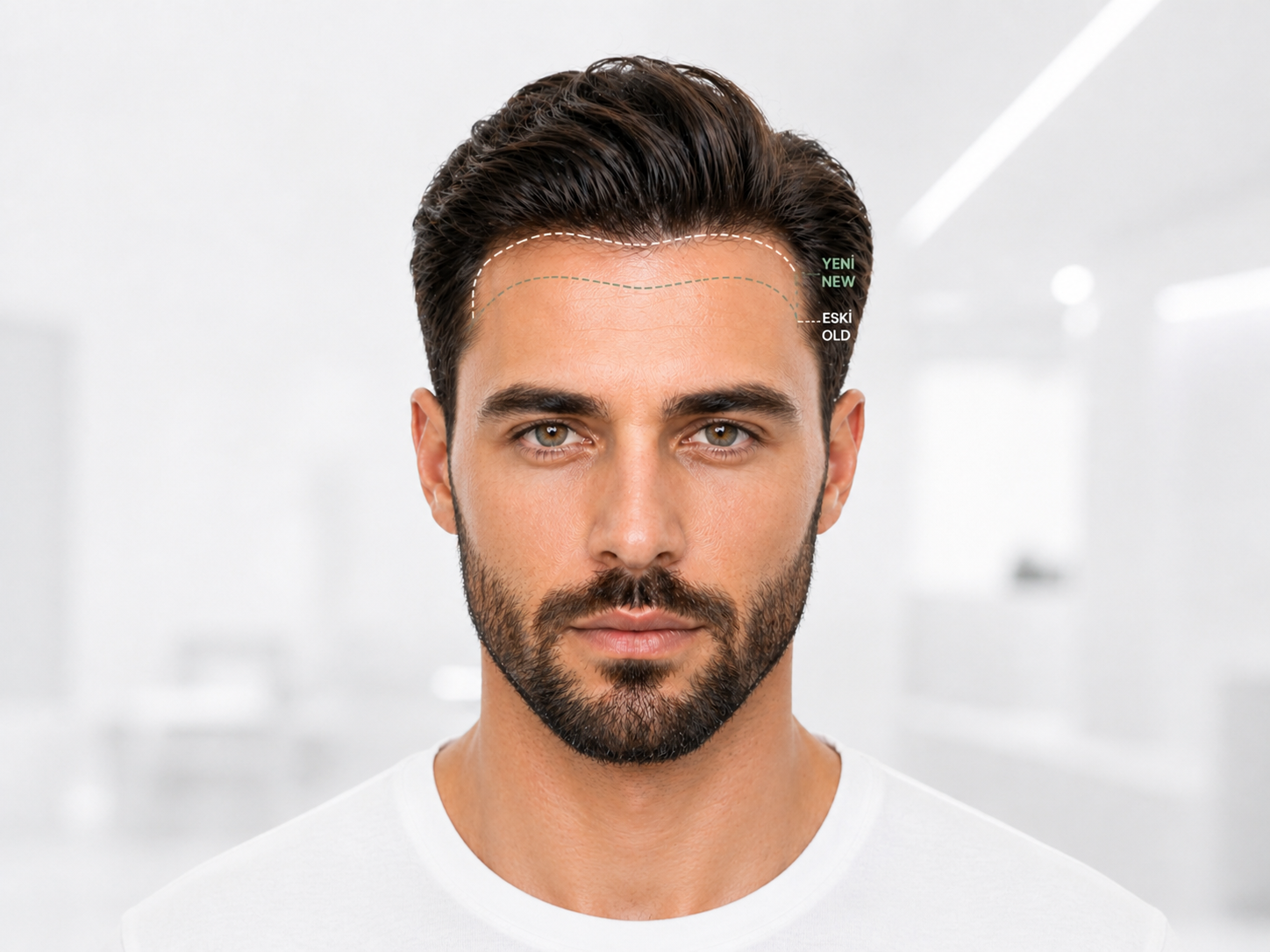
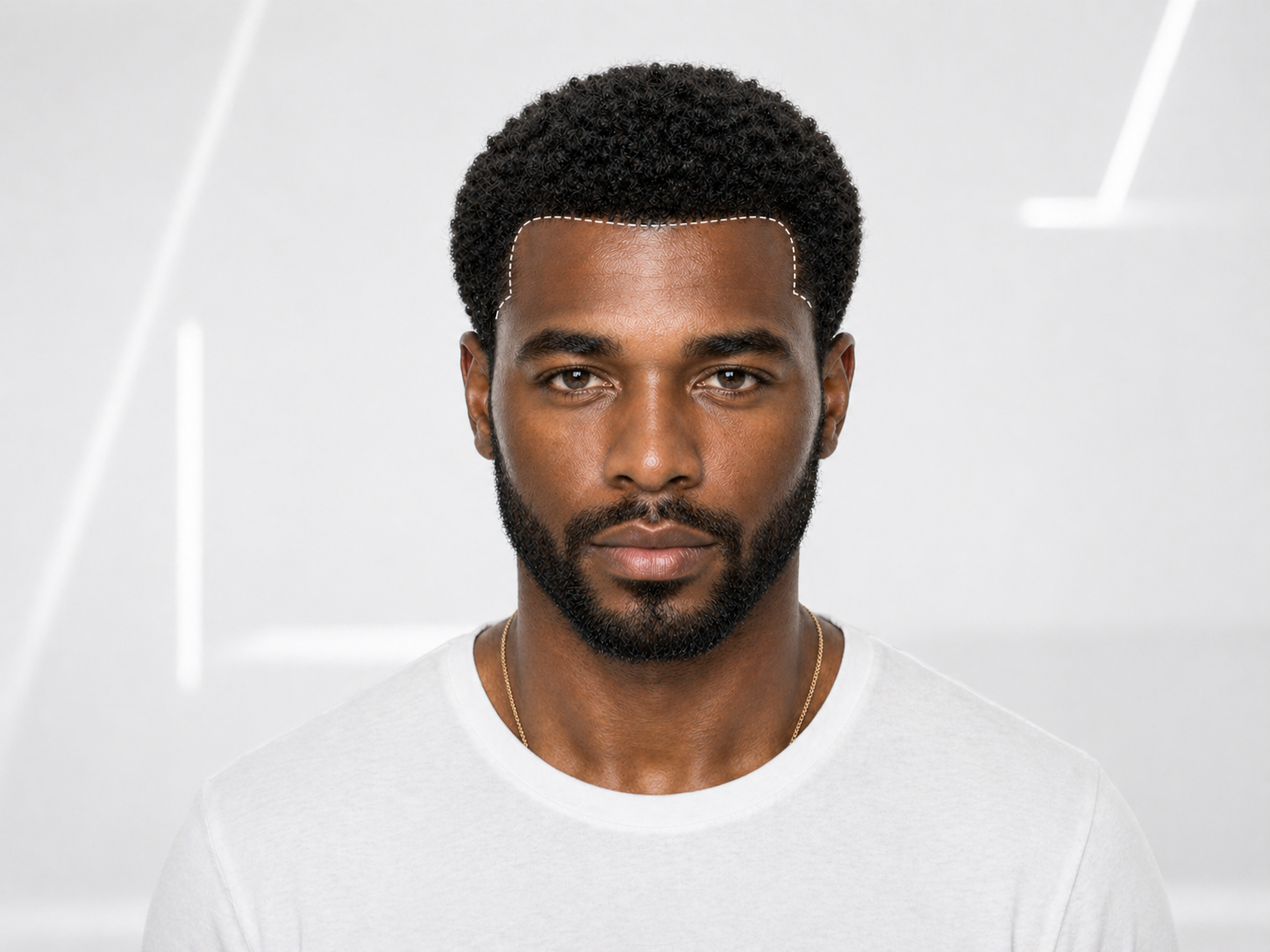
- Hairline refinement: Single-hair graft placement at the frontal hairline benefits from the angle precision of the Choi pen
- Crown reconstruction: Whorl-pattern direction control is more reproducible with DHI
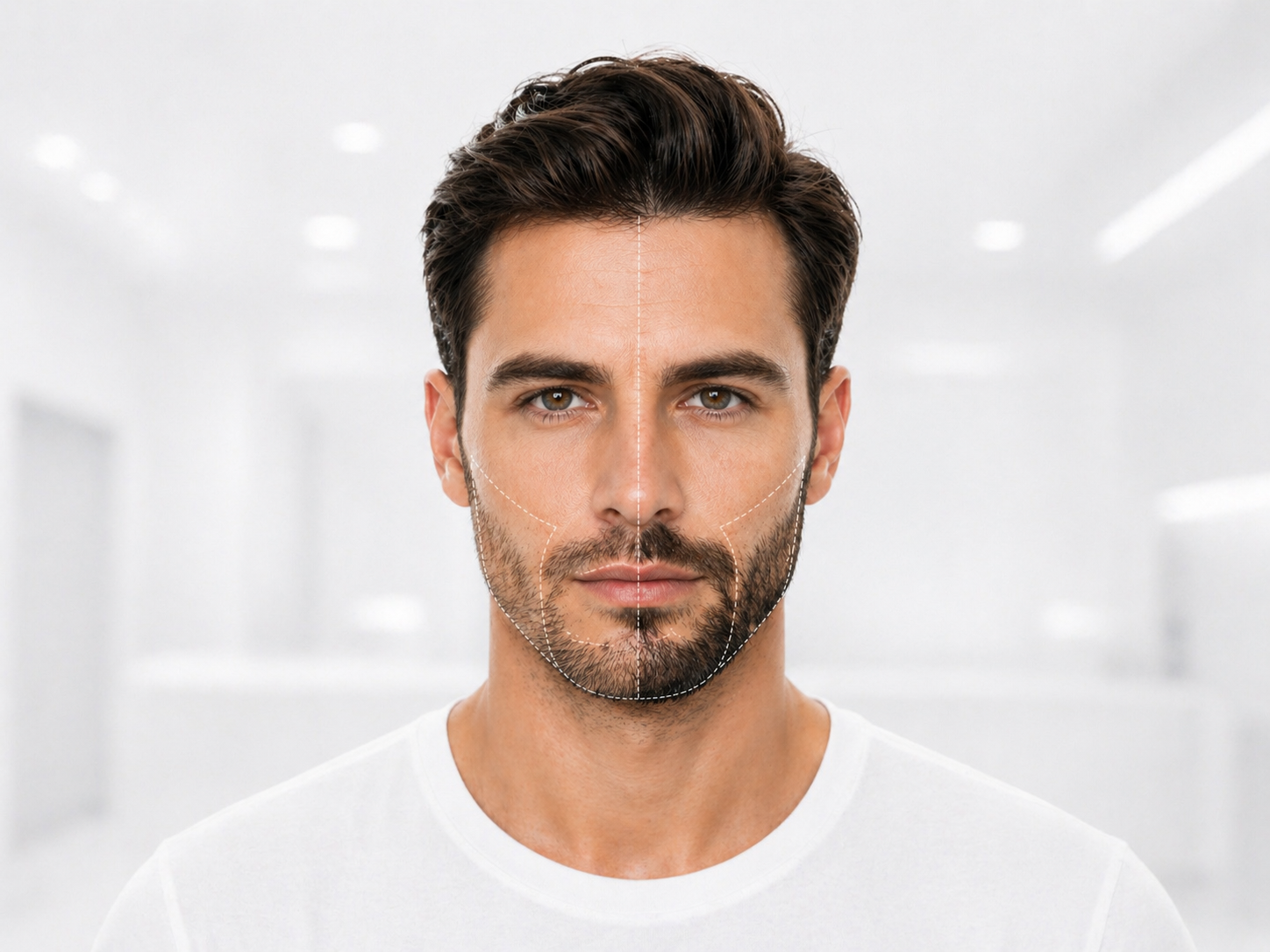
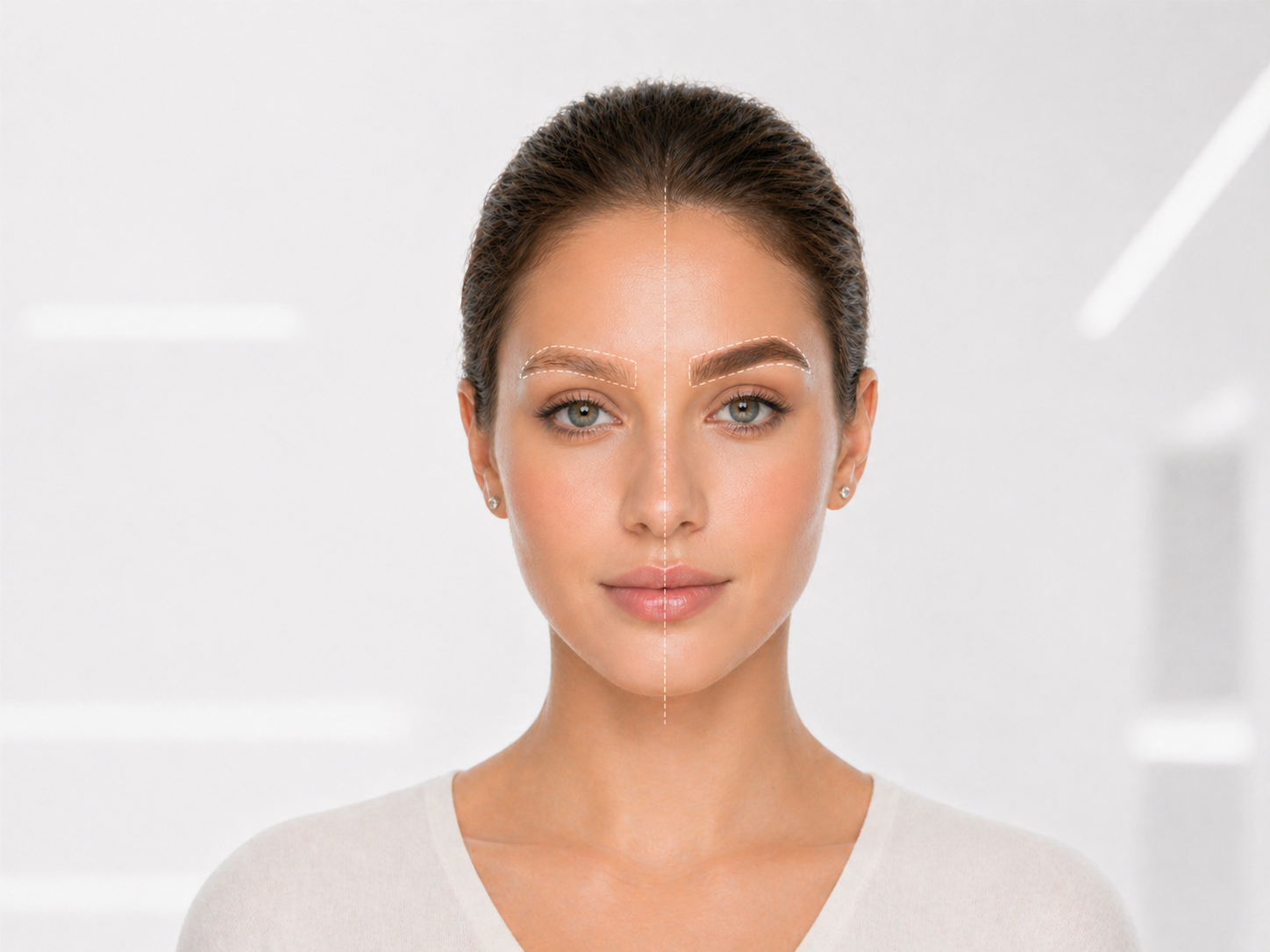
- Beard and eyebrow transplant: The 1–4 hair grafts used in beard transplant and eyebrow procedures benefit from DHI’s directional control
Conversely, FUE remains the standard choice for very large sessions (4,500+ grafts) where DHI’s slower implantation pace becomes a logistical limitation, and for cases requiring extensive sapphire blade work for high-density packing.
DHI Hair Transplant at Hair of Istanbul
At Hair of Istanbul, DHI is selected based on the specific clinical case — not as a default for all patients. The technique is most frequently used for unshaven procedures, women’s hair transplant cases, hairline-only reconstructions, beard and eyebrow transplant, and crown work where directional control is critical.
Every DHI procedure is performed by Dr. Mahmut Satekin under full medical supervision. Technician loading of the Choi pens is handled by a dedicated, trained team to ensure consistent graft preservation throughout the implantation phase. Anaesthesia is managed by Dr. Barış Adaklı.
Surgical consultation includes a detailed assessment of which technique — DHI, FUE, or a combined approach — best suits the patient’s hair pattern, donor capacity, and aesthetic goals. The technique recommendation is always case-driven and explained transparently to the patient before proceeding.
The main advantage of DHI is real-time control over four implantation variables — angle, direction, depth, and density — at the moment each graft is placed. The Choi implanter pen creates the channel and inserts the follicle in a single motion, which reduces the time grafts spend outside the body and eliminates the separate channel-creation phase used in FUE. DHI is particularly valuable for unshaven procedures, hairline refinement, beard and eyebrow transplants, and cases where natural directional flow at the crown or temple is critical.
Neither technique is universally “better” — both produce excellent outcomes when performed by experienced surgeons. Long-term graft survival is similar, in the 90–95% range. The choice between DHI and FUE should be driven by the specific clinical case: DHI is often preferred for unshaven procedures, hairline-only work, beard and eyebrow procedures, and crown direction. FUE remains the standard for very large sessions (4,500+ grafts) and cases requiring extensive sapphire blade work. At Hair of Istanbul, the technique is selected based on individual patient assessment rather than a default preference.
Yes — the unshaven DHI procedure is one of the technique’s most significant clinical advantages. The Choi implanter pen’s precision allows grafts to be placed between existing hairs without fully shaving the recipient area. This is particularly valuable for women’s hair transplant patients who want to preserve their full hair length, and for male patients who cannot or prefer not to take time off for the typical post-shave recovery period. The donor area still requires partial trimming for graft extraction, but the recipient area can be preserved.
DHI sessions typically range from 1,500 to 4,000 grafts in a single day. The technique is slower per graft than FUE due to the loading and single-step implantation process, which is why very large mega-sessions (4,500+ grafts) are more commonly performed using FUE or a combined approach. For most patients with mild to moderate hair loss, a 2,500–3,500 graft DHI session is well within the technique’s optimal range and produces excellent density and natural appearance.
The Choi pen is safe for hair grafts when operated by a properly trained team. Improper loading or excessive force can cause graft trauma — which is why DHI requires significantly more team training than basic FUE. At Hair of Istanbul, technicians performing graft loading are trained to clinic protocol, and the surgeon controls every implantation. Multiple needle gauges (0.6–1.0 mm) are used based on the follicular unit size, ensuring grafts are not compressed during loading. The technique has been refined since the early 2000s and is now a well-established standard in modern hair restoration.