
 en
en TR
TR  SK
SK  ITA
ITA  FR
FR  DE
DE  ES
ES  BG
BG 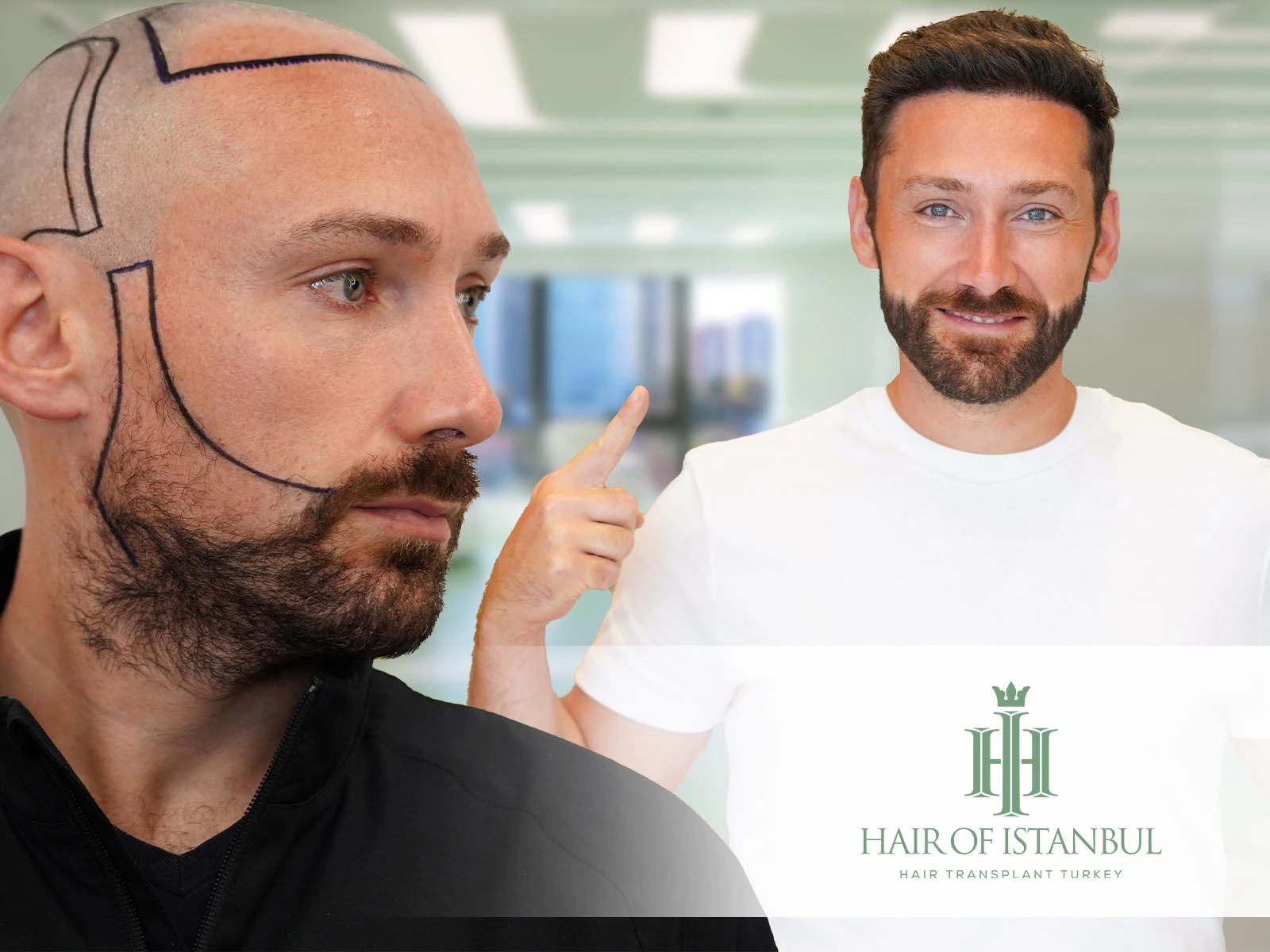
Facial Hair Transplant: Complete 2025 Guide to Beard, Mustache, and Sideburn Restoration
A facial hair transplant is one of the fastest-growing procedures in modern hair restoration. Beard density, mustache definition, sharp sideburns, and natural symmetry have become essential elements of masculine aesthetics. Whether the goal is to create a full beard, correct patchiness, fill scars, or restore areas affected by genetics or trauma, facial hair transplantation offers a permanent and natural solution. This comprehensive 2025 guide explains techniques, graft planning, healing stages, risks, and what patients can expect from a medically advanced FUE-based facial hair transplant.
What Is a Facial Hair Transplant?
A facial hair transplant is a procedure that relocates hair follicles—typically harvested using FUE extraction—from the donor area to the beard, mustache, sideburns, or jawline. The transplanted hair grows permanently, can be shaved normally, and maintains the characteristics of natural facial hair when designed correctly.
Unlike scalp transplantation, a facial hair transplant requires meticulous angulation, lower density distribution, and micro-directional placement to match existing beard patterns. Small deviations in angle or depth can affect naturalness, which is why surgeon experience is critical.
Who Is a Good Candidate for a Facial Hair Transplant?
The procedure is suitable for individuals experiencing:
- Patchy or uneven beard growth
- Genetically sparse facial hair
- Beard or mustache gaps
- Scarring from burns, acne, or trauma
- Post-surgical defects in facial regions
- Complete absence of beard (congenital alopecia barbae)
Candidates must have a healthy donor area on the scalp and realistic expectations about density and design. For donor assessment and long-term planning, patients may find it useful to explore the detailed guide on the donor area for hair transplant.
Techniques Used in Facial Hair Transplantation
A facial hair transplant uses FUE extraction for graft harvesting. Implantation may be performed using DHI pens, Sapphire blades, or conventional micro-slits—depending on the area and density goals.
FUE Extraction
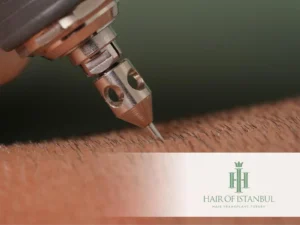
All modern facial hair procedures begin with FUE, which removes individual follicular units one by one. This technique minimizes scarring, preserves the donor area, and allows selection of grafts ideal for beard texture—usually single-hair or double-hair follicular units.
Fue Technique
DHI Implantation
DHI implanter pens provide superior precision for beard and mustache work. Their ability to implant directly allows surgeons to create micro-directional placement consistent with natural facial hair angles.
DHI Method
Sapphire or Slit Implantation
These tools allow for strategic channel opening when larger coverage is required, particularly in full-beard designs. The surgeon can refine density and direction while ensuring minimal trauma.
How Many Grafts Are Needed for a Facial Hair Transplant?
The number of grafts depends on the patient’s beard design goals:
- Mustache: 250–450 grafts
- Goatee: 400–700 grafts
- Sideburns: 200–350 grafts per side
- Cheeks (patchy areas): 300–900 grafts
- Full beard: 1800–2500+ grafts
Final planning is based on donor thickness, facial proportions, and desired density. The surgeon evaluates growth angles on multiple planes to ensure natural blending with existing facial hair.
Facial Hair Transplant vs Scalp Hair Transplant
While both procedures rely on FUE, they differ significantly in design and technique:
- Angles: Facial hair grows at very acute angles (5–20°), while scalp hair is more vertical.
- Density: Beard density targets are lower but require extreme precision.
- Follicle selection: Single-hair grafts dominate mustache and cheek design.
- Skin texture: Facial skin is thicker and more vascular, aiding graft survival.
These differences explain why a facial hair transplant requires specific expertise rather than simply applying scalp techniques to the face.
Healing Timeline After Facial Hair Transplant
Day 1–7
- Mild swelling around the jawline or upper lip
- Small crusts around graft sites
- Sensitivity when touching or washing
Week 2–6
Transplanted hairs shed (a normal phase) while follicles remain beneath the skin.
Month 3–6
Early growth begins, initially thin and light in texture.
Month 6–12
Density increases, texture thickens, and grafts blend smoothly with natural beard hair.
Month 12–18
Full maturation and definitive density are typically achieved.
Does a Facial Hair Transplant Hurt?
Local anesthesia ensures comfort throughout the procedure. Patients describe the experience as mild pressure or tapping, similar to the sensations felt during a scalp hair transplant. The postoperative period involves minor tightness or redness but no significant pain.
Risks and How to Minimize Them
Like any minimally invasive procedure, a facial hair transplant carries low but possible risks:
- Swelling
- Folliculitis
- Ingrown facial hairs
- Temporary redness or bumps
- Angle irregularities (rare with expert surgeons)
These can be minimized through proper after-care, hygiene, and following medical instructions outlined in the clinic’s after-care guide.
Can Beard Transplant Fix Acne or Burn Scars?
Yes. FUE-based reconstruction is highly effective for:
- Acne scars
- Burn marks
- Surgical scars
- Trauma-induced patches
Grafts are implanted at extremely low angles and varying depths to mimic natural texture, creating seamless coverage over scarred areas.
Facial Hair Transplant and Donor Area Dependence
A strong donor zone is essential. Because facial hair requires high-quality grafts, successful planning depends heavily on donor density, follicle calibre, and extraction safety. Patients can learn more about extraction strategies in the guide on the donor area for hair transplant.
How Soon Can You Shave After Facial Hair Transplant?
Shaving rules differ from scalp transplants:
- Do not shave for 10–14 days
- Electric trimming may begin after 2–3 weeks
- Wet shaving with a razor is typically safe after 4–6 weeks
This timeline protects newly implanted grafts while allowing the skin to fully regenerate.
Will Transplanted Facial Hair Look Natural?
Yes—when the angles, depth, density, and directional flow mimic natural beard characteristics. Naturalness depends on:
- Meticulous multi-directional placement
- Correct density distribution
- Using single-hair grafts for mustache and outline zones
- Matching existing growth patterns
The facial region is unforgiving of mistakes, so surgeon experience is the most important predictor of naturalness.
Exercise and Facial Hair Transplant
Avoid sweating and high-intensity workouts for the first 10–14 days, as moisture can irritate the area. For full guidance, review the clinic’s article on exercise after hair transplant.
Long-Term Permanence
Transplanted beard grafts maintain their characteristics for life. They can be shaved, trimmed, or styled just like natural facial hair.
Independent Medical Reference
For general information on hair and skin conditions, refer to the authoritative NHS hair loss resource.
Conclusion
A facial hair transplant is a highly effective, minimally invasive, and long-lasting solution for restoring beard, mustache, and sideburn density. With precise FUE extraction, advanced implantation methods, and expert-level design, patients achieve natural, permanent, and symmetrical results. When combined with proper after-care and donor preservation, facial hair restoration delivers lifelong confidence and aesthetic balance.
Most healing occurs within 7–10 days, early growth starts by month 3, and full results appear by 6–12 months.
Local anesthesia makes the procedure comfortable. Patients usually feel light pressure, not pain.
Yes. After 4–6 weeks, transplanted beard hair behaves like natural facial hair.
A full beard typically requires 1800–2500+ grafts, depending on face shape and density goals.
Yes. Donor follicles retain their lifelong characteristics and continue growing permanently.
