
 en
en TR
TR  SK
SK  ITA
ITA  FR
FR  DE
DE  ES
ES  BG
BG 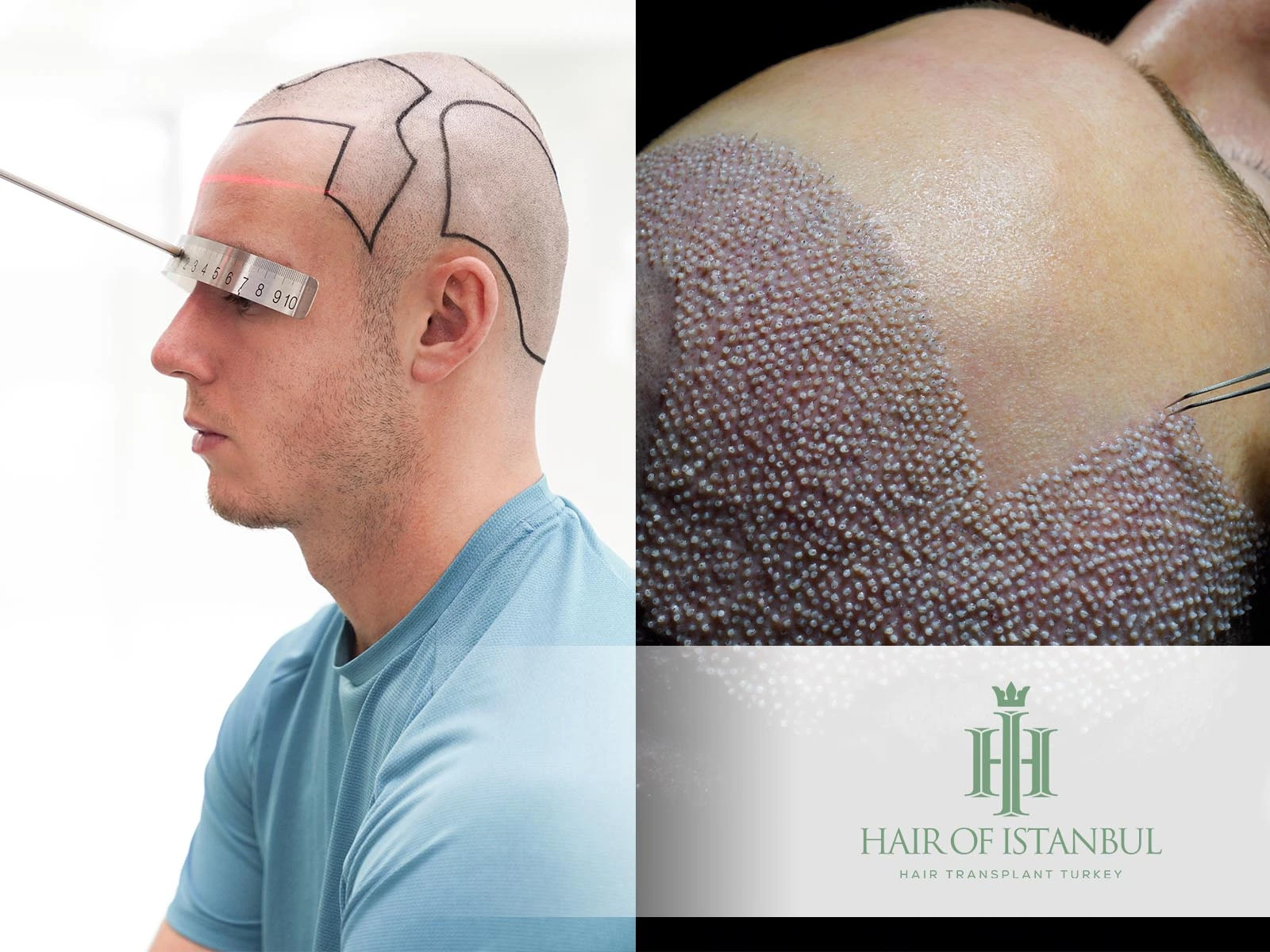
Istanbul Hair Transplant Guide: 2025 Roadmap for Safe, Natural Results
For many people researching hair restoration, the phrase Istanbul hair transplant appears again and again. Over the past decade, Istanbul has become one of the most recognisable destinations in the world for modern FUE hair transplantation. High case volumes, experienced medical teams, and all-inclusive treatment journeys attract patients from Europe, the Middle East, the Americas, and beyond.
At the same time, the rapid growth of the sector means quality can vary widely between clinics. This guide is designed to help you understand why Istanbul is such a strong centre for hair restoration, how to recognise a medically reliable clinic, which techniques are used, and what to expect before, during, and after your trip.
Why Istanbul Is a Global Centre for Hair Transplantation
Several factors have made Istanbul a key city on the hair restoration map:
- High surgical experience: Clinics in Istanbul perform large numbers of FUE procedures each year, refining protocols and technique.
- Modern technology: Advanced extraction and implantation methods such as FUE, DHI, Sapphire, and Slit are widely available.
- Medical tourism infrastructure: Hotels, transfers, translation services, and airport logistics are integrated into treatment packages.
- Cost–quality balance: Many patients find that Istanbul offers international-level quality at more accessible prices compared with some Western countries.
However, the fact that Istanbul is “famous” does not automatically mean every clinic meets the same medical standards. Choosing the right centre is the most important step in your Istanbul hair transplant journey.

Are You a Candidate for an Istanbul Hair Transplant?
Not everyone with thinning hair is a suitable transplant candidate. Before even thinking about flights and hotels, it is important to consider whether you are medically and anatomically ready for surgery.
Typical candidates include:
- Men with stabilised or slower-progressing androgenetic alopecia
- Women with defined areas of thinning rather than global hair loss
- Individuals with adequate donor density in the back and sides of the scalp
- Patients in good overall health, without uncontrolled systemic disease
Those who may need further evaluation before surgery:
- Patients with very limited donor capacity
- Individuals with active scalp diseases (psoriasis, severe seborrhoeic dermatitis, infections)
- People with unrealistic expectations about density or hairline shape
A careful assessment of donor and recipient areas, often supported by dermatoscopic imaging, is essential. For more on donor safety, see the donor area for hair transplant guide.
Hair Transplant Methods Commonly Used in Istanbul
Modern Istanbul hair transplant procedures are almost always FUE-based. The extraction method is FUE; the implantation style can differ depending on the surgeon’s plan.
FUE Extraction
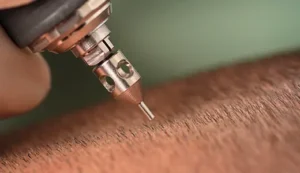
FUE (Follicular Unit Extraction) is the standard donor harvesting technique used in high-quality Istanbul clinics. Using micro-punches, follicles are removed one by one, leaving small dot scars rather than a linear strip scar. Details on this method are explained in the dedicated FUE technique overview.
DHI Implantation
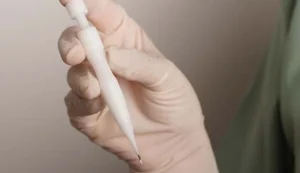
DHI uses implanter pens to place grafts directly into the scalp. It offers high control over angle and direction, especially beneficial in hairline refinement or dense packing. You can read more in the DHI hair transplant guide.
Sapphire and Slit Techniques
Many clinics also use Sapphire blades or classic Slit methods to open micro-channels for placement. These techniques allow precise control of depth and direction when restoring larger areas such as the mid-scalp or crown.
In short, the “method” you see in marketing is usually a combination of FUE extraction with one of these implantation styles. What matters most is the surgeon’s ability to choose the right method—or combination—for your specific pattern of loss.
How to Choose a Hair Transplant Clinic in Istanbul
The single most important part of your Istanbul hair transplant plan is selecting a clinic with strong medical standards. A good clinic will prioritise your safety and long-term result, not just short-term convenience.
Key elements to evaluate:
- Medical leadership: Is a qualified doctor clearly responsible for your case, or is the process technician-led?
- Experience and case portfolio: Does the clinic provide a consistent set of before & after results over many years?
- Transparent planning: Is donor capacity explained honestly, including limits and long-term considerations?
- After-care structure: Does the clinic offer clear instructions and ongoing support, or only immediate post-op care?
For a broader framework on what defines a quality clinic, you can also review the article on hair transplant clinics in 2025.
What Does an Istanbul Hair Transplant Journey Look Like?
Although details vary by clinic, a typical journey includes the following stages:
1. Remote Consultation and Planning
You send photos or attend an online consultation. The medical team evaluates:
- Pattern and degree of hair loss
- Donor density and quality
- Hairline design options and realistic density goals
An initial plan is proposed, including estimated graft numbers and whether a single or multi-session approach is more appropriate.
2. Travel and Arrival in Istanbul
Patients often arrive one day before surgery. Reputable clinics typically organise airport transfers and hotel accommodation as part of a structured journey, similar to what is described in the hair transplant package in Turkey guide.
3. In-Clinic Consultation and Pre-Op Tests
On the day before or the morning of surgery, your doctor:
- Confirms your medical history and medications
- Performs a detailed scalp examination
- Finalises hairline design and coverage plan
- Orders blood tests or additional evaluations if necessary
4. Surgery Day
The procedure is performed under local anaesthesia and follows a structured sequence:
- Donor shaving or partial trimming (depending on technique)
- FUE extraction of grafts
- Channel opening and/or DHI implantation
- Dressing of donor area and initial instructions
Depending on graft count, surgery may last between 6–8 hours with breaks.
5. First Wash and Early After-Care
The first wash is generally performed at the clinic, one day after surgery, to demonstrate the correct technique. Patients receive written and verbal instructions similar to those in the first wash after hair transplant guide.
6. Return Flight and Home Recovery
Many patients return home 2–3 days after surgery. Swelling, redness, and scabs follow the typical sequence described in the hair transplant recovery timeline. Follow-up is usually carried out via photos and online communication.
Cost Structure of an Istanbul Hair Transplant
Costs vary according to clinic, surgeon involvement, graft count, technique, and what is included in the package (hotel, transfers, medications, etc.). Instead of chasing the lowest price, patients should focus on value: the relationship between medical quality, safety, and the overall investment.
Many clinics use package-based pricing with a range, rather than charging per graft. For clinic-specific information, you can consult the hair transplant pricing page.
How Safe Is an Istanbul Hair Transplant?
When performed in a medically structured clinic with a qualified surgical team, an Istanbul hair transplant can be safe and predictable. However, risks increase if:
- The procedure is performed outside a medical environment
- There is no clear supervising doctor
- Donor extraction is excessive or unplanned
- After-care instructions are unclear or incomplete
International professional organisations advise patients to verify that their surgeon is appropriately trained and that the facility meets basic medical and sterilisation standards. An independent overview of surgical hair restoration and patient safety is provided by the International Society of Hair Restoration Surgery (ISHRS).
Setting Realistic Expectations for an Istanbul Hair Transplant
Even in the best hands, a hair transplant has limitations. It redistributes hair; it does not create new follicles. Your final result will depend on:
- Your starting donor density
- Your hair calibre (fine vs thick)
- Your pattern of loss and its progression
- Your adherence to after-care and lifestyle factors
Density continues to improve over months, typically with major changes between Months 4–9 and full maturation by 12–18 months. For timeline expectations, refer to follow-up articles such as hair transplant after 3 months and hair transplant after 8 months.
Conclusion
An Istanbul hair transplant can deliver natural, long-lasting results when approached as a medical decision rather than a quick tourist purchase. By understanding the city’s strengths, carefully evaluating clinics, clarifying techniques, and following evidence-based after-care, patients can benefit from Istanbul’s accumulated experience while protecting their long-term donor health and aesthetic outcome.
If you are considering a procedure, taking time to review medical team credentials, real patient journeys, and transparent pricing will help you make a decision that aligns with your expectations and safety.
Most patients stay 2–4 days: one day for consultation and preparation, one day for surgery, and one or two days for early follow-up and first wash.
In the first week, redness and scabs are visible. After 10–14 days, most signs are discrete. Many patients schedule their trip to overlap with vacation time to recover more privately.
Unlimited graft offers can be misleading. Donor capacity is finite, and safe extraction limits must be respected. Responsible clinics plan graft numbers based on long-term strategy, not marketing slogans.
Adjunct treatments such as PRP or mesotherapy can support healing and hair quality in selected cases but are not obligatory for every patient. They should be recommended based on medical evaluation, not as generic add-ons.
Look at consistent long-term results, medical leadership, transparent communication, and how clearly the clinic explains limitations—not only the aesthetic of their website or social media.
