
 en
en TR
TR  SK
SK  ITA
ITA  FR
FR  DE
DE  ES
ES  BG
BG 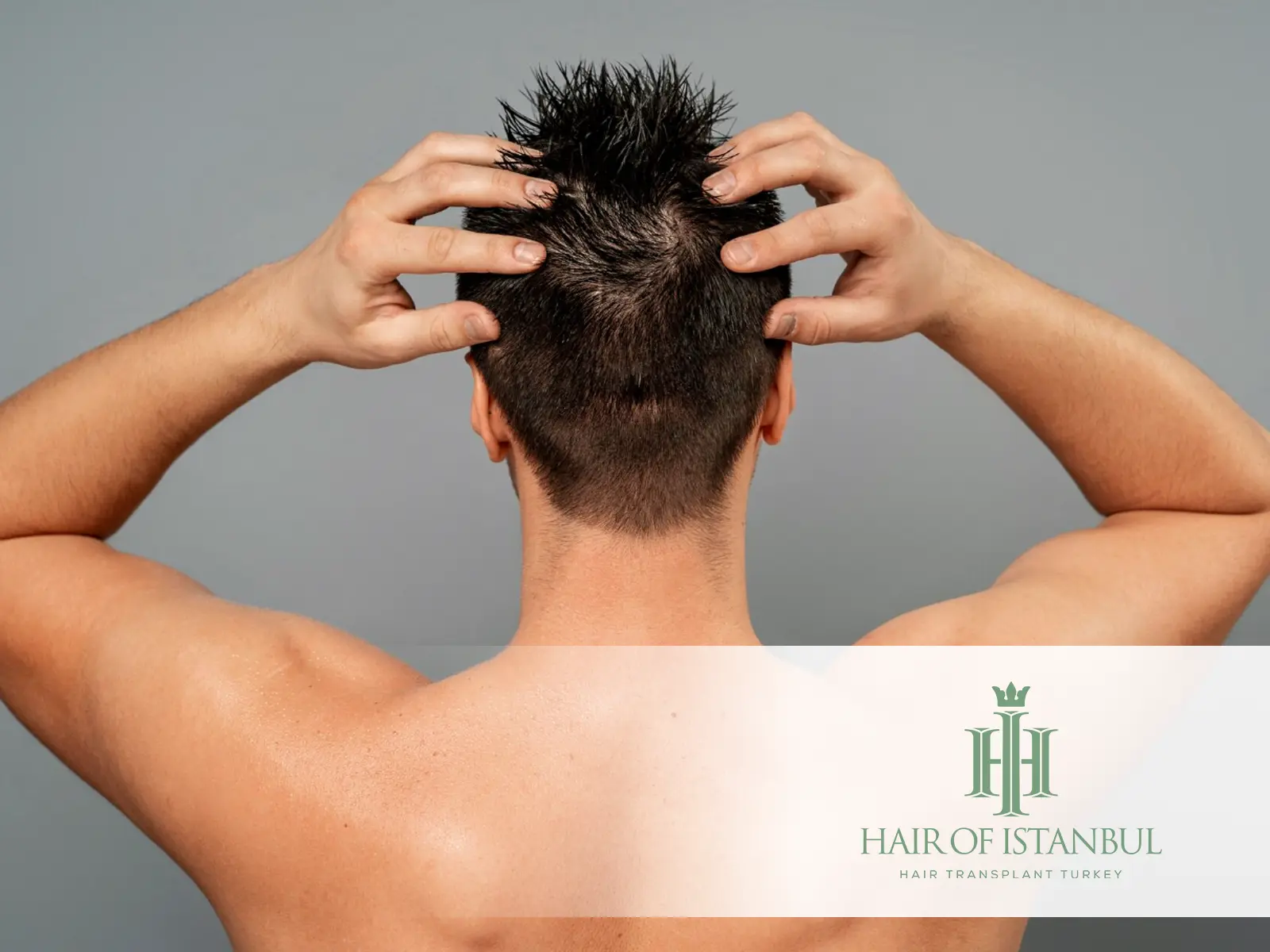
Post Hair Transplant Massage: When It’s Safe, How to Do It, and What to Avoid
Post hair transplant massage is a topic almost every patient asks about at some point in their recovery. Massage is associated with relaxation, improved circulation, and reduced tension — all of which sound appealing after surgery. However, in the context of modern FUE hair transplantation with implantation techniques such as DHI, Sapphire, or Slit, timing and technique are critical. The wrong type of pressure at the wrong time can damage healing grafts, while correctly timed gentle massage may support comfort and scalp mobility later on.
This guide explains when massage is absolutely forbidden, when it starts to become safer, how it can be integrated into your routine, and what current medical understanding suggests about its potential benefits and limitations.
Why Post Hair Transplant Massage Is a Sensitive Topic
During a modern FUE procedure, thousands of follicular units are extracted from the donor area and implanted into micro-channels in the recipient zone. For the first days and weeks, these grafts are mechanically fragile and depend on:
- Stable positioning in the scalp
- Re-establishment of blood supply
- Protection from friction, pressure, and trauma
Any early rubbing, kneading, or deep tissue massage over the transplant zone can:
- Dislodge grafts before they are anchored
- Increase local inflammation and swelling
- Introduce bacteria into healing micro-wounds
For this reason, high-quality after-care protocols place strict limits on touching and mechanical stress, especially in the first 10–14 days after surgery. This applies not only to post hair transplant massage, but also to how you wash, sleep, and exercise — outlined in more detail in the hair transplant recovery timeline.
Early Phase: Why Massage Is Not Allowed (Days 0–14)
The initial two weeks are focused on graft survival and basic wound healing. Key changes in this period include:
- Clot formation and scab development around each incision
- Reconnection of grafts with local blood vessels
- Resolution of early swelling and redness
In this phase, you should strictly avoid:
- Any head, neck, or scalp massage over the grafted area
- Rubbing, kneading, or pressure with fingers or tools
- Spa head massage or salon treatments on the transplant zone
The only mechanical contact allowed is the controlled, gentle washing protocol your clinic provides. In the first days, patients are often instructed to apply lotion and shampoo by patting rather than rubbing, as described in the first wash after hair transplant guide.
Intermediate Phase: Gentle Contact Starts (Days 10–21)
Around Day 10–14, scabs have largely fallen off if washing has been performed correctly, and the grafts are significantly better anchored. At this stage, some clinics introduce slightly more active movements during washing:
- Gentle circular movements with finger pads (no nails)
- More direct water flow from the shower at moderate pressure
- Careful softening of any remaining micro-crusts
Even in this intermediate phase, “massage” is not yet what most people imagine. It is still limited to:
- Soft fingertip movements with minimal downward pressure
- Short durations, mainly during shampooing
- Avoidance of any intense kneading, squeezing, or stretching of the scalp
Bu aşama, klinik dilde gerçek bir terapi masajından çok, kontrollü ve nazik bir yıkama tekniği olarak düşünülmelidir.
Later Phase: When Post Hair Transplant Massage Becomes Reasonable
True post hair transplant massage — with a focus on comfort, circulation, or scalp mobility — only becomes a realistic option once the grafts and skin have had time to consolidate. For many patients, this is around the 3–4 week mark for very gentle techniques and later for deeper work.
Typical progression looks like this (but must always be adapted to the individual and the clinic’s protocol):
- Weeks 3–4: Very light fingertip massages, mainly during washing, if your surgeon approves.
- Weeks 4–6: Gradual increase in circular motions across donor and recipient zones, avoiding any pain or excessive pressure.
- After 6 weeks: For many patients, the scalp tolerates more confident massage and normal grooming pressure, assuming there are no complications.
Any formal or deep-tissue head massage in a spa or massage center should only be considered after explicit approval by your hair transplant doctor, and usually not before several weeks have passed.
Potential Benefits of Post Hair Transplant Massage (in the Right Phase)
In general medicine, massage has been associated with improved circulation, reduced muscle tension, and enhanced comfort during recovery. Large medical centers describe massage therapy as a supportive tool to help reduce stress, lessen pain and muscle tightness, and promote relaxation when used appropriately as part of a treatment plan.
Once grafts and incisions have healed sufficiently, carefully applied scalp massage may offer:
- Comfort: Reducing feelings of tightness or stiffness in the scalp.
- Circulatory support: Encouraging microcirculation in the skin and subcutaneous tissues.
- Scar tissue mobility: Especially in FUT donor scars or in areas with mild fibrotic thickening.
- Stress relief: Lowering stress levels, which indirectly benefits general health and well-being.
At this stage, massage is not a miracle hair-growth treatment, but a supportive tool within a broader recovery and maintenance plan that includes proper washing, sun protection, balanced nutrition, and avoiding harmful habits such as smoking.
Risks of Massage If Done Too Early or Too Aggressively
While massage has potential upsides when timed correctly, it also carries clear risks if attempted too early or with excessive force:
- Graft displacement: In the first two weeks, strong rubbing or pressing can physically move grafts out of place.
- Increased inflammation: Excessive mechanical stress may worsen redness, swelling, or soreness.
- Infection risk: Dirty hands or tools combined with micro-trauma can introduce bacteria into healing sites.
- Uneven density: Local graft loss in massaged areas can lead to patchy density months later.
These risks are precisely why the early post-op instructions given by your clinic are strict about touching, scratching, and rubbing. Related mechanical risk factors — including early sports, contact activities, or tight headwear — are reviewed in the guide to exercise after hair transplant.
Types of Post Hair Transplant Massage: What Is and Is Not Acceptable
Scalp Self-Massage at Home
After your surgeon confirms it is safe, self-massage can be integrated into your routine with a few rules:
- Use clean hands and short fingernails.
- Rely on finger pads, not nails or tools.
- Apply light, circular motions across both donor and recipient areas.
- Stop immediately if you feel sharp pain, burning, or see redness intensify.
This kind of simple, low-pressure massage is often combined with gentle shampooing or oil-free topical care once the scalp has fully healed, and only if your medical team approves.
Professional Head Massage in a Spa or Salon
Professional head massages can be relaxing, but they carry additional risks after hair transplant because:
- Therapists may not be familiar with graft biology and FUE donor zones.
- Standard techniques often involve firm kneading, pulling, or percussion.
- Oil-based products may not be appropriate early in recovery.
If you wish to receive such treatments later in your journey, you must clearly inform the therapist about your surgery and follow your surgeon’s timing recommendations. Lying face down with the forehead pressed into a massage table cushion too soon after surgery is also discouraged because of direct pressure on the transplanted region.
Post Hair Transplant Massage and Donor Area Care
The donor area for hair transplant usually heals more quickly than the recipient area. After FUE extraction, dot-sized wounds crust and close within days, and discomfort generally decreases rapidly.
This means gentle massage typically becomes acceptable sooner in the donor than in the recipient area. For many patients:
- Light shampoo massage in the donor zone is allowed earlier, as per clinic instructions.
- Later, massage can help soften any minor tightness in the back and sides of the scalp.
Even so, timing and techniques must still be aligned with your clinic’s after-care plan.
How Post Hair Transplant Massage Fits Into the Overall Recovery
Massage is only one small piece of the broader recovery framework. A complete, evidence-based healing plan also includes:
- Structured washing and scab management during the first 10–14 days
- Awareness of short-term reactions like itching, swelling, and temporary shock loss, as outlined in hair transplant side effects
- Progressive return to normal physical activity and sports
- Timeline-based expectations about regrowth, visible change, and full maturation
The article on hair transplant recovery timeline explains how these elements fit together from Day 0 to Month 12–18. Massage, if used, belongs firmly in the later, more stable stages of this journey.
Independent Medical Perspective on Massage After Surgery
Major medical centers describe massage therapy as a complementary treatment that can help reduce stress, lessen pain and muscle tightness, and promote relaxation when integrated safely into patient care after surgery or illness. For a general overview of medical massage, you can review the Mayo Clinic massage therapy overview.
In the context of hair transplantation, the same principle applies: massage can be helpful, but only after the scalp has healed sufficiently and only in a way that does not compromise grafts or irritate the skin.
When to Contact Your Doctor About Massage or Scalp Symptoms
You should contact your hair transplant team before starting any new form of scalp manipulation and immediately if:
- You experience persistent pain or burning during gentle massage
- Redness, swelling, or warmth increases after contact
- You notice pus, unusual discharge, or strong odour from the scalp
- You see patchy areas that seem to lose density in previously massaged zones
Early communication allows problems to be addressed before they affect long-term results. For case-by-case evaluation and planning, reviewing your situation with an experienced surgical team — such as the one presented on the medical team page — is always recommended.
Conclusion
Post hair transplant massage is not a one-size-fits-all recommendation. In the earliest days and weeks, any massage or strong rubbing in the transplant zone is strictly off-limits, as grafts are still stabilising and wounds are closing. As healing progresses, gentle fingertip massage may be introduced as part of washing or comfort measures, but always under medical guidance and with a clear understanding of timing and pressure.
In the long term, correctly timed and carefully performed massage can support comfort, scalp mobility, and overall well-being — but it remains a supportive tool, not the core driver of transplant success. That success still depends on surgical planning, donor management, precise implantation, and adherence to the full after-care roadmap laid out by your clinic.
Most patients should avoid any scalp massage over the transplanted area for at least the first 10–14 days. Very gentle fingertip movements may be introduced later, only when the surgeon confirms that grafts are secure.
Massage is not a magic growth method, but once healing is complete it may support comfort, circulation, and scalp mobility. It should be seen as a supportive tool, not the main driver of density or regrowth.
Not in the early phase. Spa massage is usually too strong for recent grafts. You should wait until your doctor explicitly approves it and always inform the therapist about your surgery.
Often yes. The donor zone generally heals faster and can tolerate gentle shampoo massage earlier, but timing must still follow your clinic’s written instructions.
Too-early or aggressive massage can dislodge grafts, increase inflammation, raise infection risk, and create patchy density. That is why early after-care strictly limits rubbing, scratching, and pressure on the scalp.
