
 en
en TR
TR  SK
SK  ITA
ITA  FR
FR  DE
DE  ES
ES  BG
BG  RO
RO 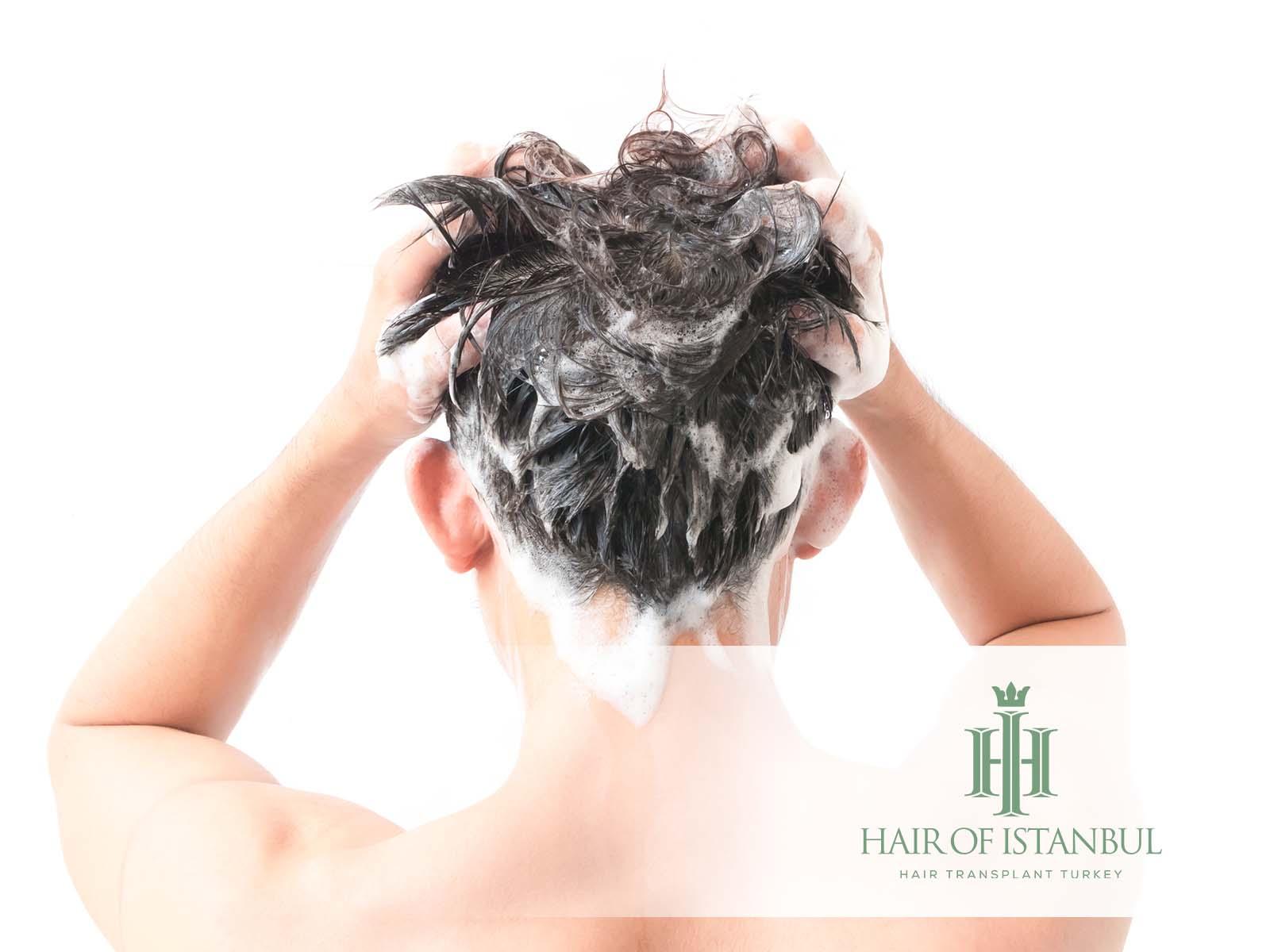
How Often Should I Condition My Hair? A Guide for Men
Most men either skip conditioner entirely or use it the way they use shampoo — a handful, rubbed into the scalp, rinsed straight off. Both are wrong, and the second one is the reason so many men decide conditioner “makes their hair greasy”. How often should I condition my hair has a short answer that depends on one thing only: how dry your hair is, which has nothing to do with how oily your scalp is.
The Short Answer
Condition every time you shampoo. Not every time you shower — every time you use shampoo. Shampoo strips sebum from the hair shaft; conditioner puts a substitute back. If you are washing daily, you are conditioning daily, and there is nothing wrong with that.
The two rules that matter more than frequency: conditioner goes on the lengths and ends, never on the scalp, and shampoo goes on the scalp, not down the lengths. Get those the right way round and most complaints about conditioner disappear.
How Often to Condition, by Hair Type
| Your hair | Shampoo | Conditioner | Where to apply it |
|---|---|---|---|
| Straight, fine, oily scalp | Daily is fine | Every wash | Ends only — a small amount |
| Straight, medium thickness | Every 1–2 days | Every wash | Mid-length to ends |
| Wavy or thick | Every 2–3 days | Every wash | Mid-length to ends |
| Curly | Every 3–7 days | Every wash, plus between washes if needed | Full length |
| Coily or Afro-textured | When needed — the AAD says at least once every 2–3 weeks | Every wash, plus a leave-in between | Full length, generously |
| Chemically treated, bleached or heat-damaged | As above for your texture | Every wash, plus a deep conditioner weekly | Full length |
| Shaved or very short (under 2 cm) | As you like | Not needed | — |
Note what changes down that table and what does not. The shampoo column moves a great deal; the conditioner column barely moves at all. That is the single most useful thing to take from this page.
The last row is worth stating plainly, because nobody sells it: below roughly two centimetres there is almost no hair shaft to condition. Buzz-cut hair needs a decent scalp routine, not a conditioner.
How Often Should Men Wash Their Hair?
The American Academy of Dermatology ties this to the scalp rather than to a schedule: if you have straight hair and an oily scalp you may want to shampoo every day, and if your hair is dry, textured, curly or thick, shampoo when needed. Their guidance also says to apply shampoo to the scalp rather than down the whole length of the hair — the lengths get cleaned by the runoff, and scrubbing them directly is what causes the roughness men then blame on the shampoo.
Men skew towards the oily-scalp end for a simple reason: sebum production is androgen-driven, so male scalps generally produce more of it. That is why “wash less” advice written for long, dry hair often makes a man’s hair look worse rather than better.
Does Conditioner Cause Hair Loss?
No, and the fear behind the question is worth taking apart properly, because it is the reason many men avoid conditioner entirely.
A dermatology review of shampoos and conditioners puts it directly: frequent, regular cleaning with a well-formulated shampoo will not damage the hair, and there is no upper limit of frequency provided a conditioner is used regularly. The same review notes a body of evidence that modern, mild shampoos do not interfere with mitosis in the growing matrix of the hair — the part that actually makes hair — and may help fragile hair by reducing the force needed to comb it.
So where does the impression come from? Three places:
- Hairs shed on wash day are hairs already lost. A scalp sheds around 100 hairs a day as part of the normal cycle. Those hairs stay caught in the surrounding hair until something dislodges them. Wash daily and you see roughly a hundred; wash every fourth day and you see roughly four hundred at once, and conclude the shampoo did it. Washing less does not reduce shedding, it just batches it.
- Slippery hair sheds what was already loose. Conditioner reduces friction, which is the point of it. On the first wash after using it, hairs that were tangled in place come away.
- Conditioner on the scalp looks like thinning. Silicones and oils weigh fine hair down at the root, so it lies flat and shows more scalp. Nothing has been lost — it just reads as thinner. Move the conditioner to the ends and it lifts again.
If you are seeing genuine thinning rather than wash-day shedding, that is a different question, and shampoo choice is not the answer to it. Our page on seeing your scalp through your hair covers how to tell the two apart.
Why Conditioner Belongs on the Lengths, Not the Scalp
This is not a preference, it is chemistry. Conditioner molecules carry a cationic — positively charged — surfactant. Hair carries a negative charge, and damaged hair carries a stronger one. So conditioner deposits itself preferentially wherever the shaft is most weathered, which is the part furthest from your head.
The ends of a 15 cm hair are more than a year old. Scalp hair grows at about 0.35 mm a day, so hair at your shoulders has been through a year or more of washing, towelling, sun and friction. The root end left your scalp last week and needs nothing. Conditioner applied to the scalp is applied to the one part of the hair that is undamaged, where it does nothing except weigh hair down and, if your scalp is already oily, add to the problem. More on the growth side of that in our hair growth cycle entry.
How Much to Use, and How Long to Leave It
- Amount. Short hair: a pea. Medium: a coin. Shoulder length or curly: a walnut. If your hair feels coated or limp the next morning, you used too much or applied it too high.
- Time. An ordinary rinse-out conditioner is designed to be left about five minutes before rinsing. Thirty seconds is not enough to do much; twenty minutes does nothing extra unless the product is a deep conditioner.
- Rinse. Rinse properly, and finish cooler if you can. Residue at the roots is the usual cause of “conditioner makes my hair flat”.
- Comb it through. Comb while the conditioner is in, not after it is rinsed out. Wet hair is at its most fragile, and this is the moment when the friction is lowest.
The Four Types, and Which One You Need
| Type | How it is used | Who it suits |
|---|---|---|
| Instant (rinse-out) | After shampooing, left about 5 minutes, rinsed | The default. Suits daily use on minimally damaged hair |
| Deep (intensive) | More concentrated, left 20–30 minutes | Very dry hair, and before colouring or chemical treatment |
| Blow-drying lotion | Like an instant conditioner but oil-free, left in | Fine hair with an oily scalp — the type most men have |
| Leave-in | Applied to damp hair, not rinsed | Curly, coily and Afro-textured hair; between washes |
If you have fine hair and a greasy scalp and have written conditioner off, the third row is the one you were never told about: it is formulated without the oils that were causing your complaint. Silicones such as dimethicone are the film-forming agents in most conditioners, and they are used at markedly different concentrations for different hair diameters — roughly 3–5% for the coarser hair typical in Asian populations against about 0.5% for finer European hair. A product that transformed someone else’s hair can genuinely flatten yours.
Conditioner Before or After Shampoo?
After, in almost every case. Shampoo removes sebum and residue; conditioner then replaces the smoothing layer that removal took away. Doing it in reverse leaves you shampooing the conditioner straight back off.
The exception people cite — conditioning first — is aimed at very fine hair that goes limp easily, and it works by leaving almost nothing behind. If your problem is limpness, an oil-free leave-in applied only to the ends solves it more reliably.
If Your Hair Is Thinning
Conditioner does not cause pattern hair loss and does not treat it. What it can do is make the hair you still have behave better: smoother cuticles reflect more light and tangle less, and less tangling means less mechanical breakage during combing and towelling. That is a cosmetic gain, and worth having, but it is not a treatment.
Two practical points for thinning hair. Avoid heavy silicone products at the roots, because weighed-down hair shows scalp. And do not stop washing: a scalp left unwashed for long periods is more prone to seborrhoeic dermatitis and flaking, which is covered in our page on seborrhoeic dermatitis and hair loss. If your hair feels rough and brittle rather than thin, see why your hair feels like straw.
After a Hair Transplant
None of the routine above applies in the first weeks after surgery, when the recipient area is healing and grafts are still anchoring. Washing is done to a specific protocol, with a specific product, at a specific pressure — see shampoo after a hair transplant and our general aftercare schedule. Do not put conditioner on the recipient area until your clinic says so, and do not use wax or styling product before then either.
Once healing is complete, transplanted hair is ordinary hair from the back of your head and is cared for like any other. If the scalp feels tight or flaky in the months afterwards, our page on dry scalp after a hair transplant covers it. Curly and Afro-textured patients should also read hair transplants with curly hair.
Frequently Asked Questions
How often should I condition my hair as a man?
Every time you shampoo. Frequency of conditioning follows frequency of washing, not the calendar — and it goes on the lengths and ends, never the scalp.
How often should men wash their hair?
The AAD suggests daily is reasonable for straight hair with an oily scalp, and washing when needed for dry, textured, curly or thick hair. Male scalps tend to be oilier, so many men genuinely do better washing daily than following advice written for dry hair.
Is it OK to condition your hair every day?
Yes, if you wash every day. A dermatology review concludes there is no upper limit on washing frequency provided a conditioner is used regularly.
Do men actually need conditioner?
If your hair is longer than about two centimetres, yes — shampoo removes sebum from the shaft and something has to replace it. Below that length there is not enough hair shaft for it to matter.
Does conditioner cause hair loss?
No. The hairs you see on wash day were already shed and held in place by the surrounding hair; washing less does not reduce shedding, it only collects it into bigger handfuls. Conditioner at the roots can make fine hair lie flat and look thinner, which is appearance, not loss.
How much conditioner should I use?
A pea for short hair, a coin for medium, a walnut for long or curly. Limp hair the next day usually means too much, or applied too close to the scalp.
How long should I leave conditioner in?
About five minutes for an ordinary rinse-out conditioner. Deep conditioners are formulated for 20–30 minutes and are for very dry or chemically treated hair, not for weekly use on healthy hair.
Should I use conditioner before or after shampoo?
After. Shampoo strips the shaft, conditioner replaces what was stripped. Reversing the order mostly washes the conditioner away.
References
- D’Souza P, Rathi SK. Shampoo and Conditioners: What a Dermatologist Should Know? Indian J Dermatol. 2015;60(3):248–254. pmc.ncbi.nlm.nih.gov/articles/PMC4458934
- Tips for healthy hair. American Academy of Dermatology. aad.org — tips for healthy hair
- Martel JL, Miao JH, Badri T, Fakoya AO. Anatomy, Hair Follicle. StatPearls, NCBI Bookshelf. ncbi.nlm.nih.gov/books/NBK513312
In Short
Condition every time you shampoo — the conditioning frequency follows the washing frequency, and it is the washing frequency that varies by hair type, from daily for straight hair with an oily scalp to as needed for coily and Afro-textured hair. Put shampoo on the scalp and conditioner on the lengths, because conditioner is cationic and binds where the shaft is most weathered, which is the ends. Use a pea to a walnut depending on length, leave it about five minutes, and comb it through while it is in. Conditioner does not cause hair loss: the hairs on wash day were already shed, and washing less only collects them into larger handfuls. If you have fine hair and an oily scalp and hate conditioner, try an oil-free leave-in on the ends instead of giving up. And after surgery, ignore all of this until your clinic clears it — follow the post-transplant washing protocol instead.