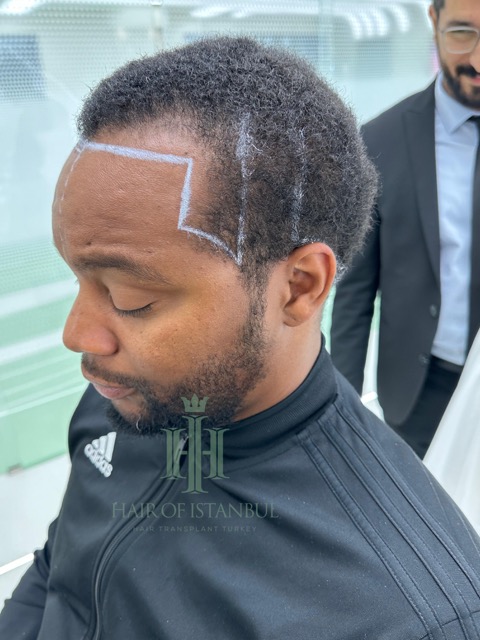
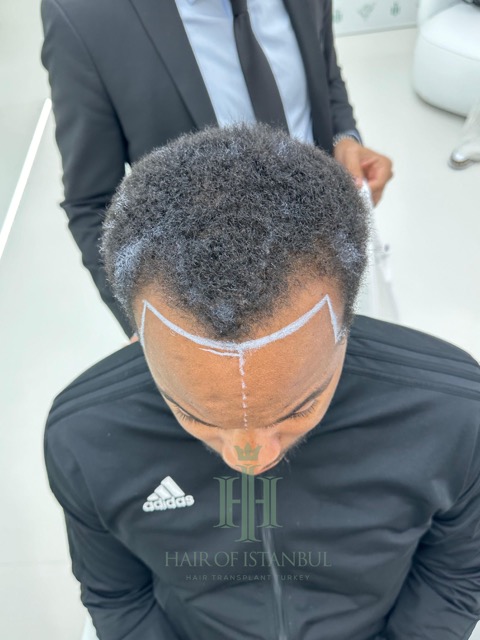
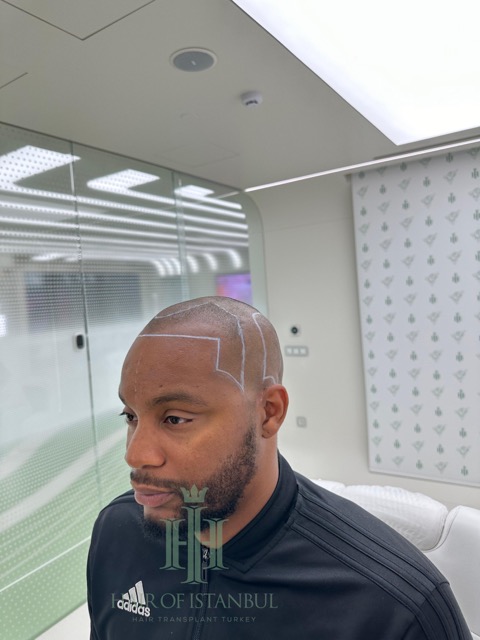
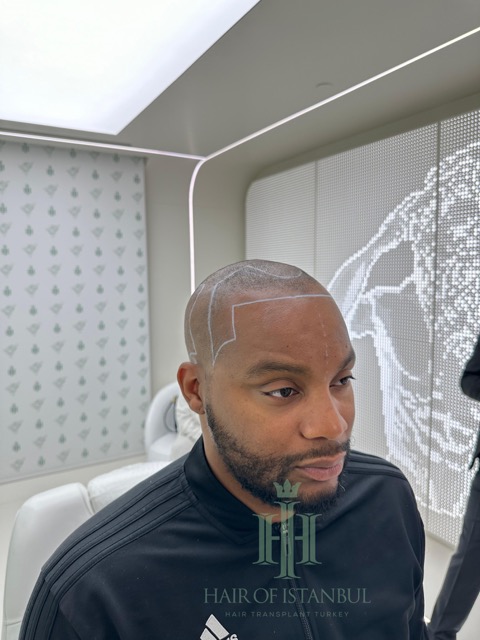
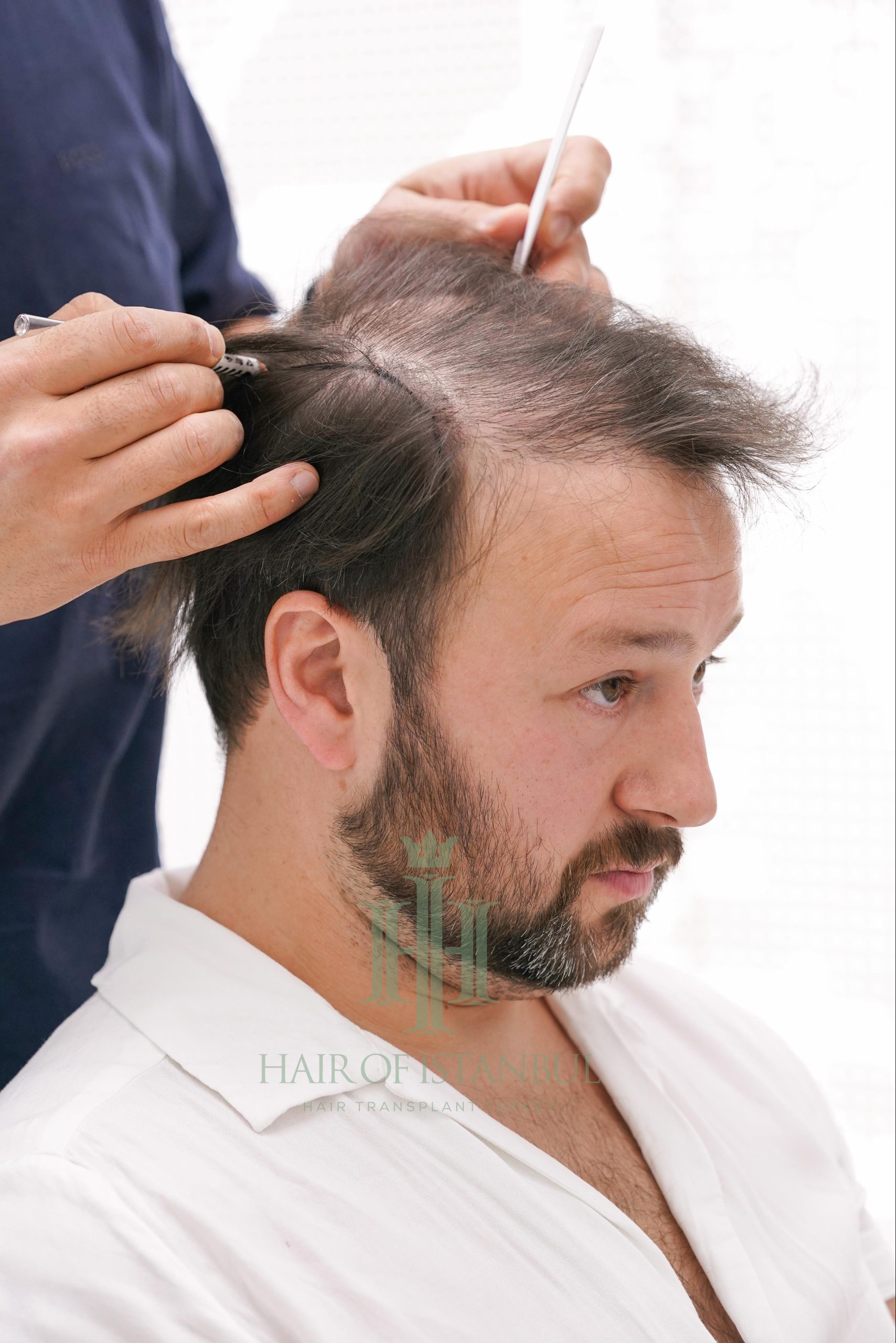
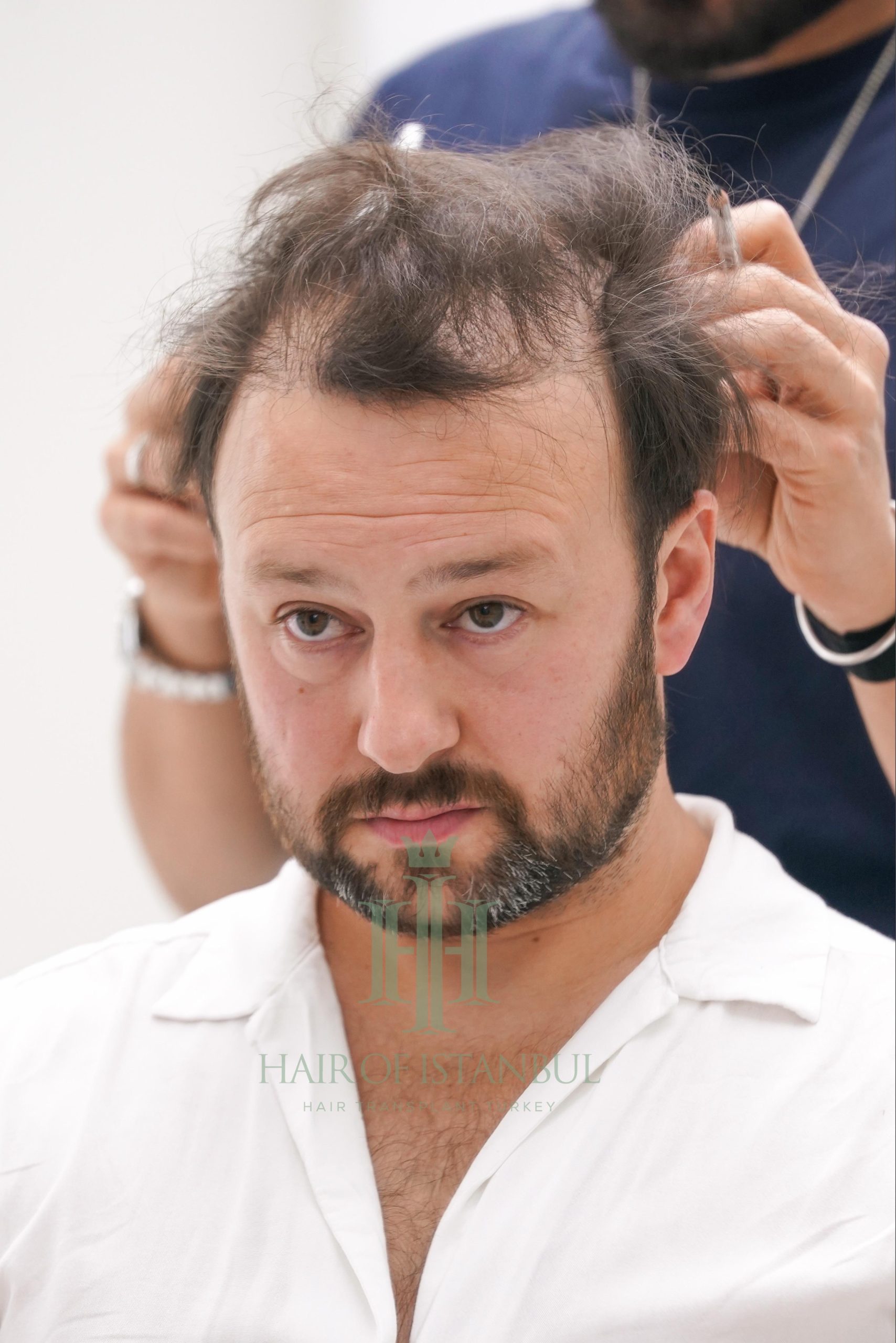
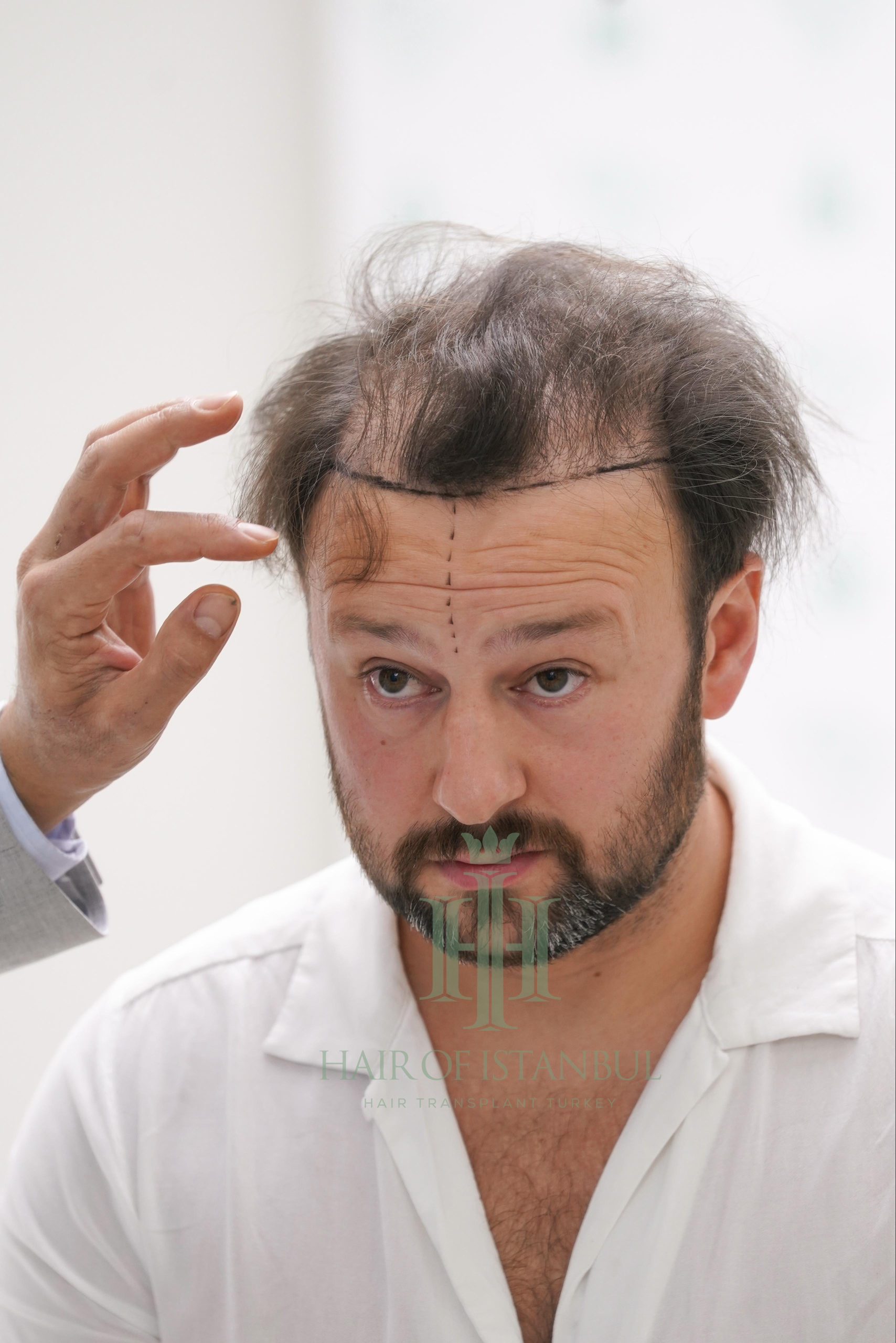
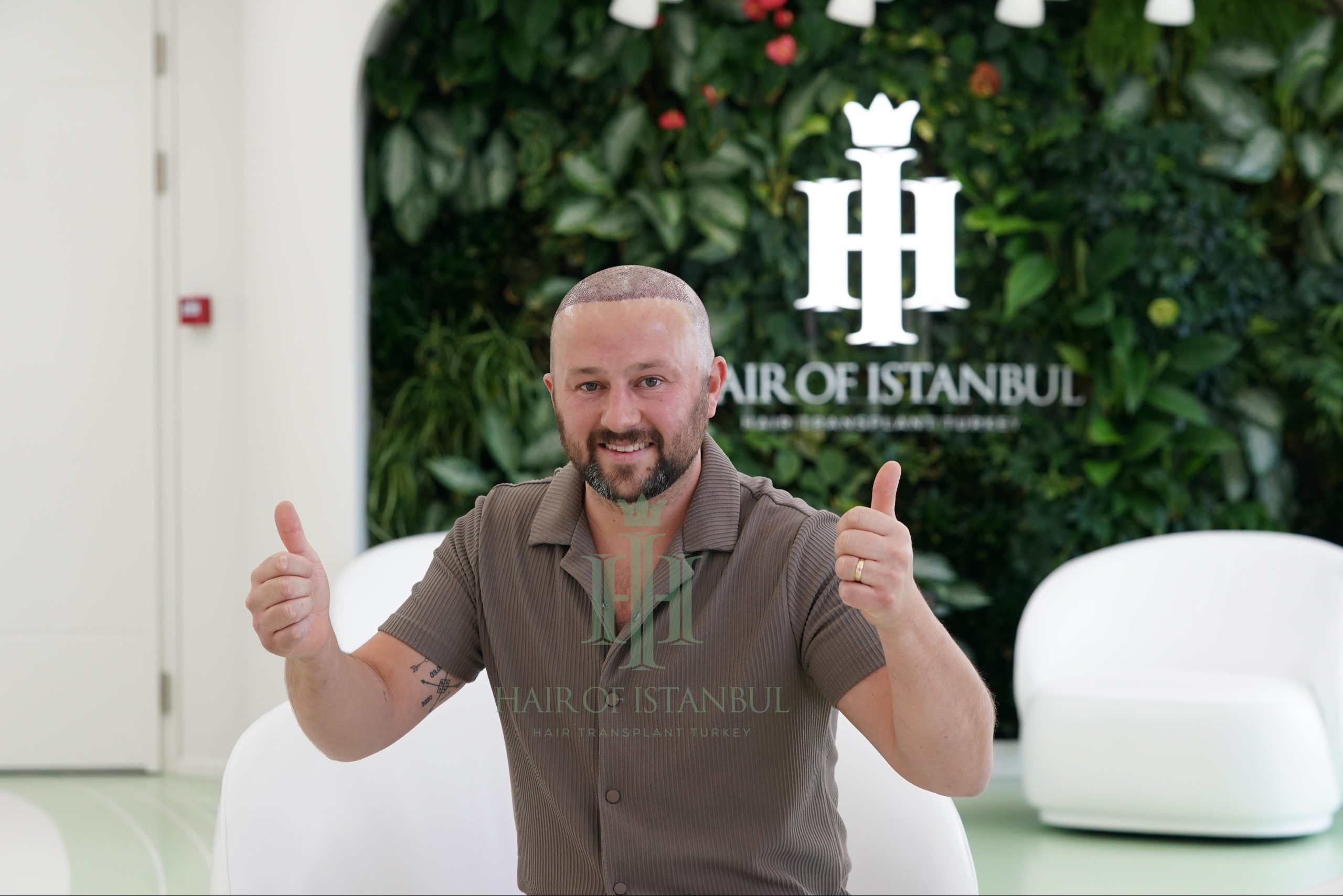
Hair Transplant Turkey Guide 2025: Safety, Quality, and Real Expectations
The phrase hair transplant Turkey appears in millions of searches every year. Turkey has become one of the most popular destinations worldwide for modern FUE hair transplantation, attracting patients from Europe, the Middle East, the Americas, and beyond. High case volumes, experienced surgical teams, and package-based pricing make the country appealing—but not every clinic operates at the same medical standard.
This 2025 guide is designed for international patients who are seriously considering a hair transplant in Turkey. It explains why Turkey became a global hub, how to separate marketing from medicine, which techniques are actually used, what to expect from packages and pricing, and how to evaluate long-term safety and results.
Why Turkey Became a Global Hub for Hair Transplantation
Turkey’s rise in hair restoration did not happen overnight. Several structural factors contributed:
- High surgical volume: Clinics in major cities, especially Istanbul, perform large numbers of FUE procedures, allowing surgeons to refine technique and protocols over time.
- Comprehensive medical tourism infrastructure: Airport transfers, hotel arrangements, translation, and after-care are often built into the journey.
- Modern FUE-based practice: Most reputable clinics now use FUE extraction with advanced implantation methods rather than older strip techniques.
- Value balance: For many patients, the overall cost of surgery and travel in Turkey is lower than in Western Europe or North America for comparable quality.
The combination of experience, infrastructure, and competitive pricing is what drives the popularity of the term hair transplant Turkey. But it also means there is a wide range of clinic quality, making careful selection essential.
Who Typically Chooses Turkey for a Hair Transplant?
Patients who travel to Turkey for hair transplantation often fall into one or more of the following groups:
- Men with moderate to advanced androgenetic alopecia looking for global-level results at more accessible prices.
- Women with stable patterns of thinning seeking specialised techniques for female hair restoration.
- People who prefer an all-in-one medical tourism experience, including hotel and transfers.
- Patients who have researched multiple countries and believe Turkey’s experience–cost balance suits their needs best.
There is no single “typical” patient profile; however, nearly all are looking to combine medical quality, safety, and a predictable process in an unfamiliar country.
Hair Transplant Turkey : What Methods Are Actually Used?
Marketing terms can be confusing—names like “micro-sapphire,” “mega-session,” or “ice FUE” appear frequently. Behind these labels, however, the core medical structure is the same:
- Extraction method: How follicles are removed from the donor area (almost always FUE in modern Turkish clinics).
- Implantation method: How grafts are placed into the recipient area (DHI pens, Sapphire blades, or Slit techniques).
To understand the basics of hair transplantation, including how grafts are harvested and redistributed, you can review the general hair transplant overview.
FUE Extraction in Turkey
Follicular Unit Extraction (FUE) is the standard donor harvesting technique in high-quality Turkish clinics. With FUE:
- Follicles are extracted one by one using micro-punch tools.
- No long strip of skin is removed; therefore, there is no linear scar.
- Small dot scars are left in the donor zone, typically inconspicuous with short hairstyles.
Success depends on punch size, angle, depth, and donor planning—not just the label “FUE” on a website.
DHI, Sapphire, and Slit Implantation
After extraction, grafts must be implanted into the balding or thinning areas. Turkish clinics commonly use:
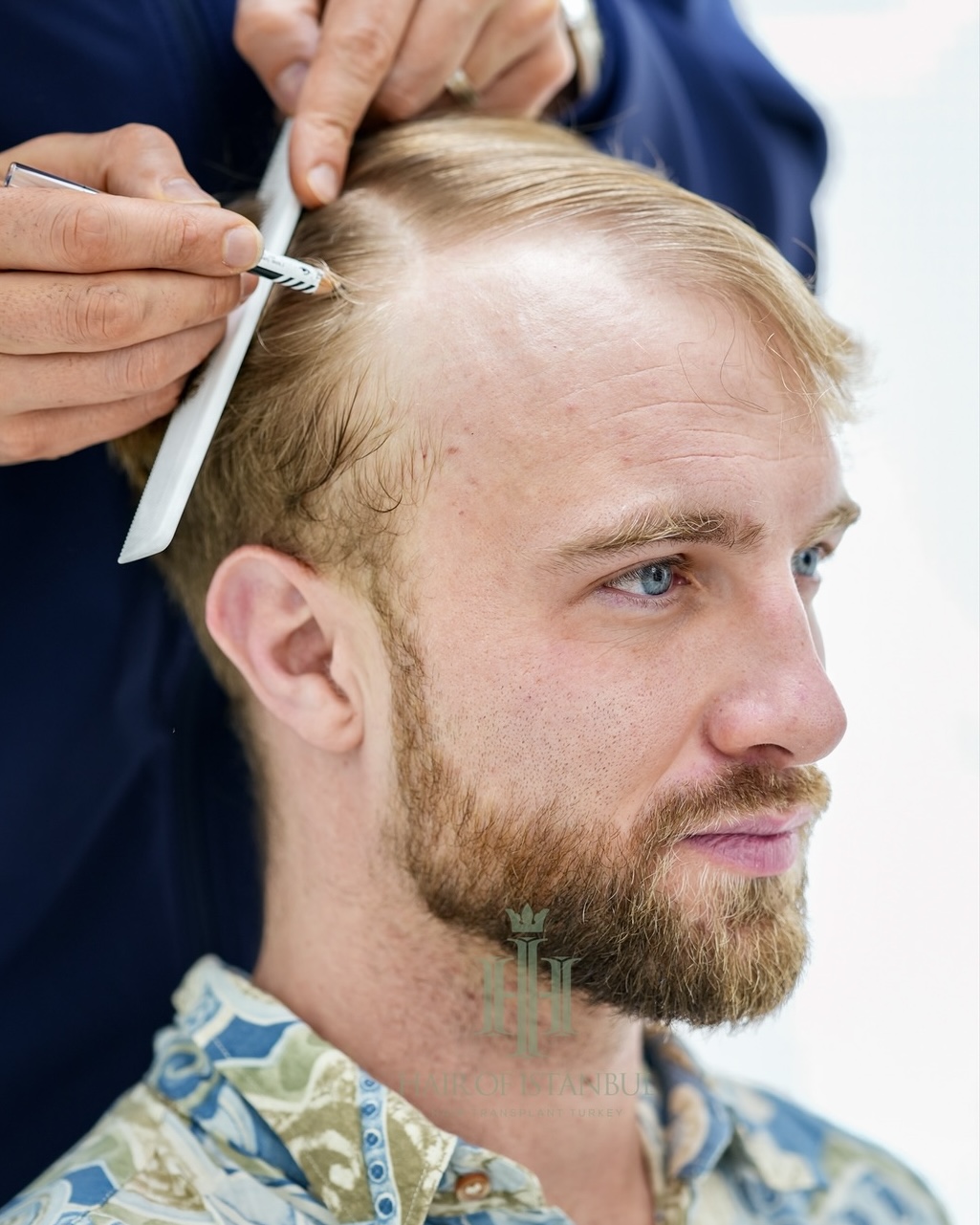
- DHI (Direct Hair Implantation): Grafts are loaded into implanter pens and placed directly, allowing precise angle and direction control—especially in the hairline.
- Sapphire blades: Used to create micro-channels for dense, uniform placement with smooth incisions.
- Slit technique: Steel blades or needles create channels; still widely used for mid-scalp or crown coverage.
The best clinics do not rigidly promote a single method; instead, they select or combine techniques based on your hair type, donor capacity, and pattern of loss.
What a Hair Transplant Package in Turkey Should Include
A “package” can mean very different things from one provider to another. A quality hair transplant Turkey package typically includes:
- Medical components: Pre-operative evaluation, blood tests when needed, FUE extraction and implantation performed or supervised by doctors, medications, and after-care instructions.
- Logistics: Airport–hotel–clinic transfers, hotel accommodation for several nights, translation support.
- Post-op care: First wash in the clinic, written care plan, and remote follow-up after returning home.
What matters is not simply “how many items are in the package,” but whether each component is medically meaningful. A more detailed breakdown of what a well-structured package looks like is available in the hair transplant package in Turkey guide.
How to Evaluate Clinics When Searching “ Hair Transplant Turkey ”
Typing “hair transplant Turkey” into a search engine yields thousands of results: clinics, agencies, influencers, and intermediaries. To protect yourself, focus on criteria that are hard to fake and strongly related to medical quality.
1. Medical Leadership and Accountability
Key questions include:
- Is there a clearly identified, qualified doctor responsible for your treatment?
- Will you meet this doctor before surgery, or only sales consultants?
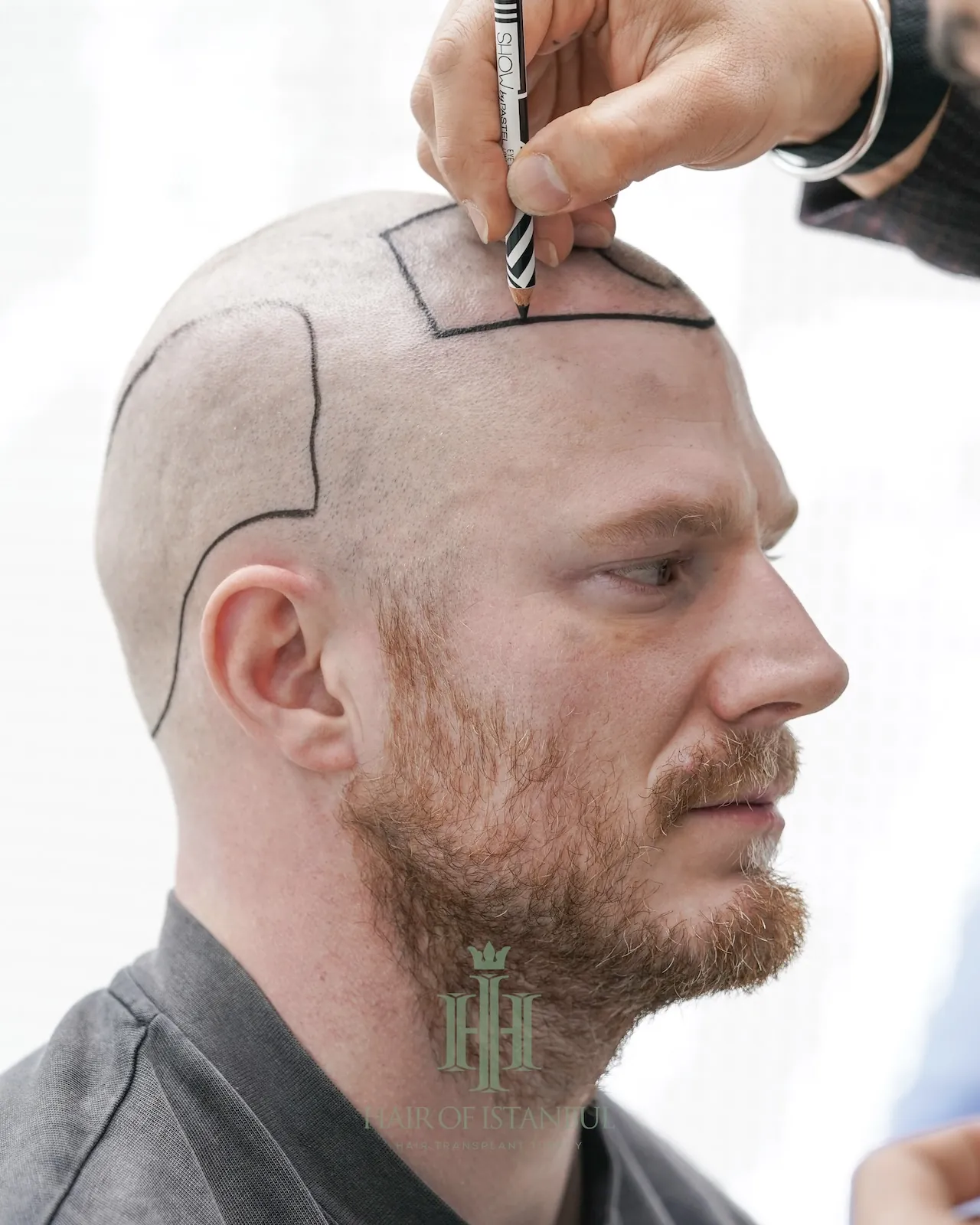
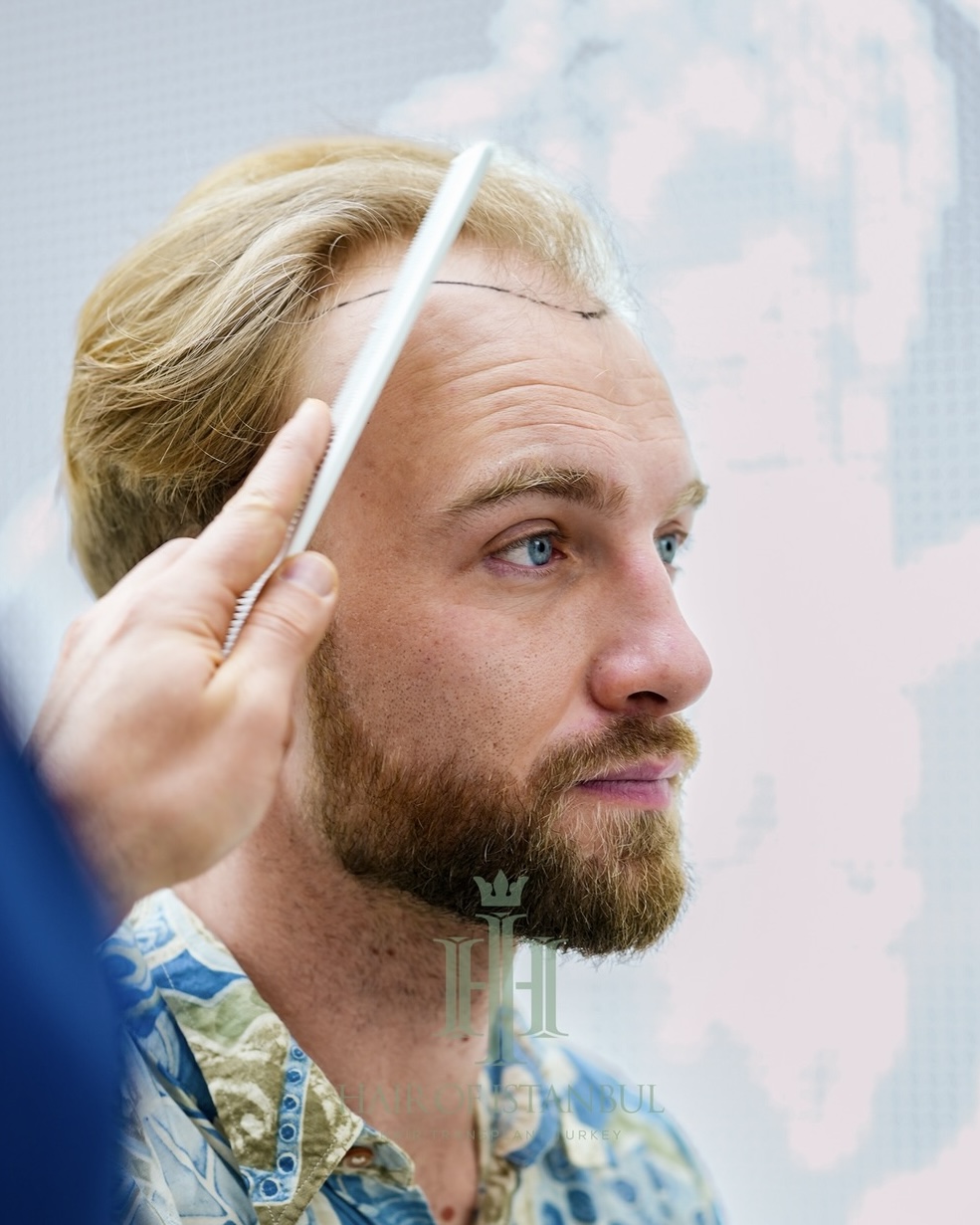
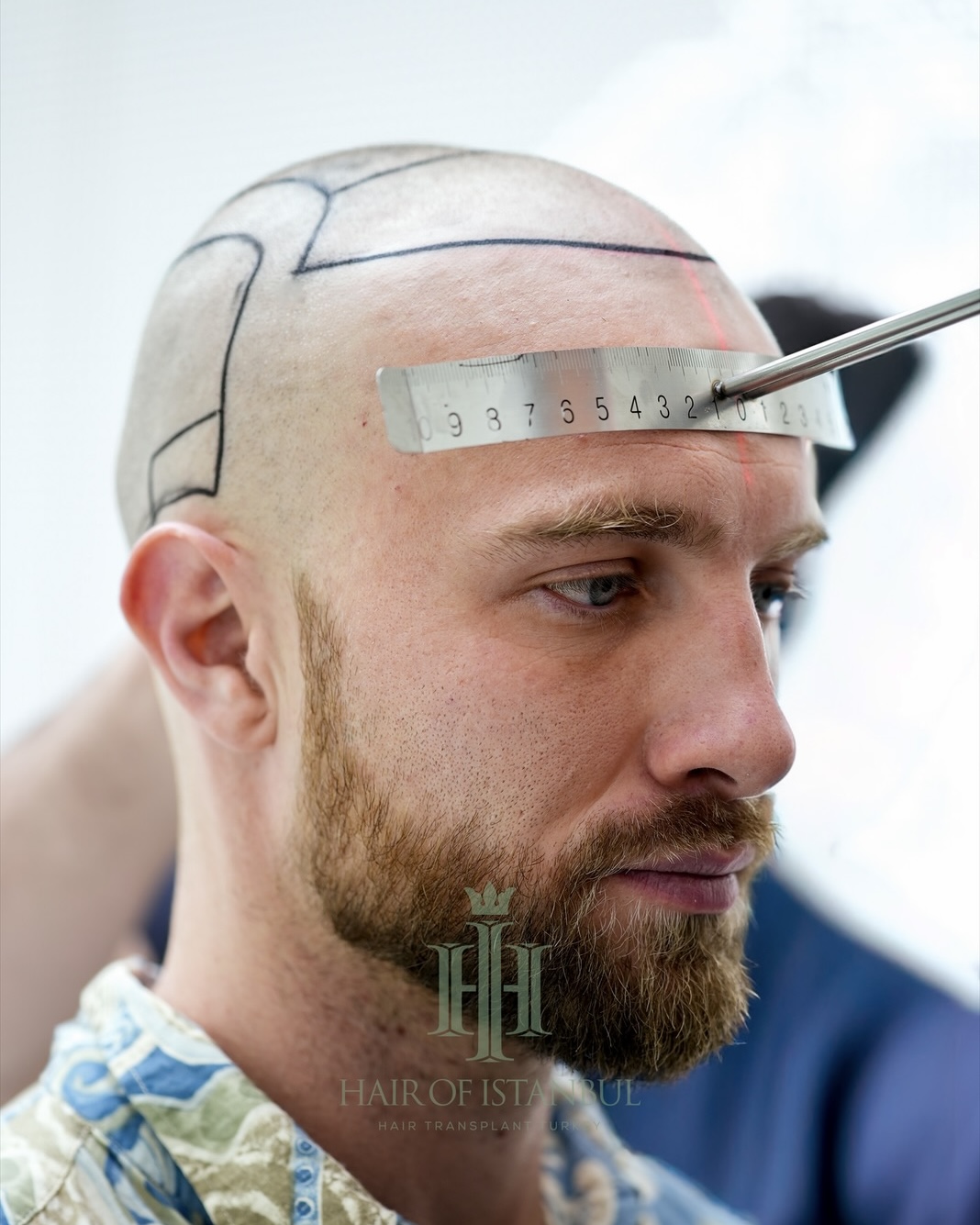
- Who designs the hairline and donor plan: a surgeon or non-medical staff?
A medically led clinic should make it very clear who your treating physician is and what their responsibility covers.
2. Donor Management Philosophy
Donor hair is finite. Ethical clinics:
- Explain how many grafts can be safely harvested now and in the future.
- Refuse unrealistic requests that could overharvest the donor area.
- Plan for the possibility of progressive loss and future sessions.
For a deeper dive into donor safety and planning, you can read the in-depth donor area for hair transplant article.
3. Transparent Communication and Real Results
Look for:
- Clear explanation of risks, limits, and realistic density—not only promises.
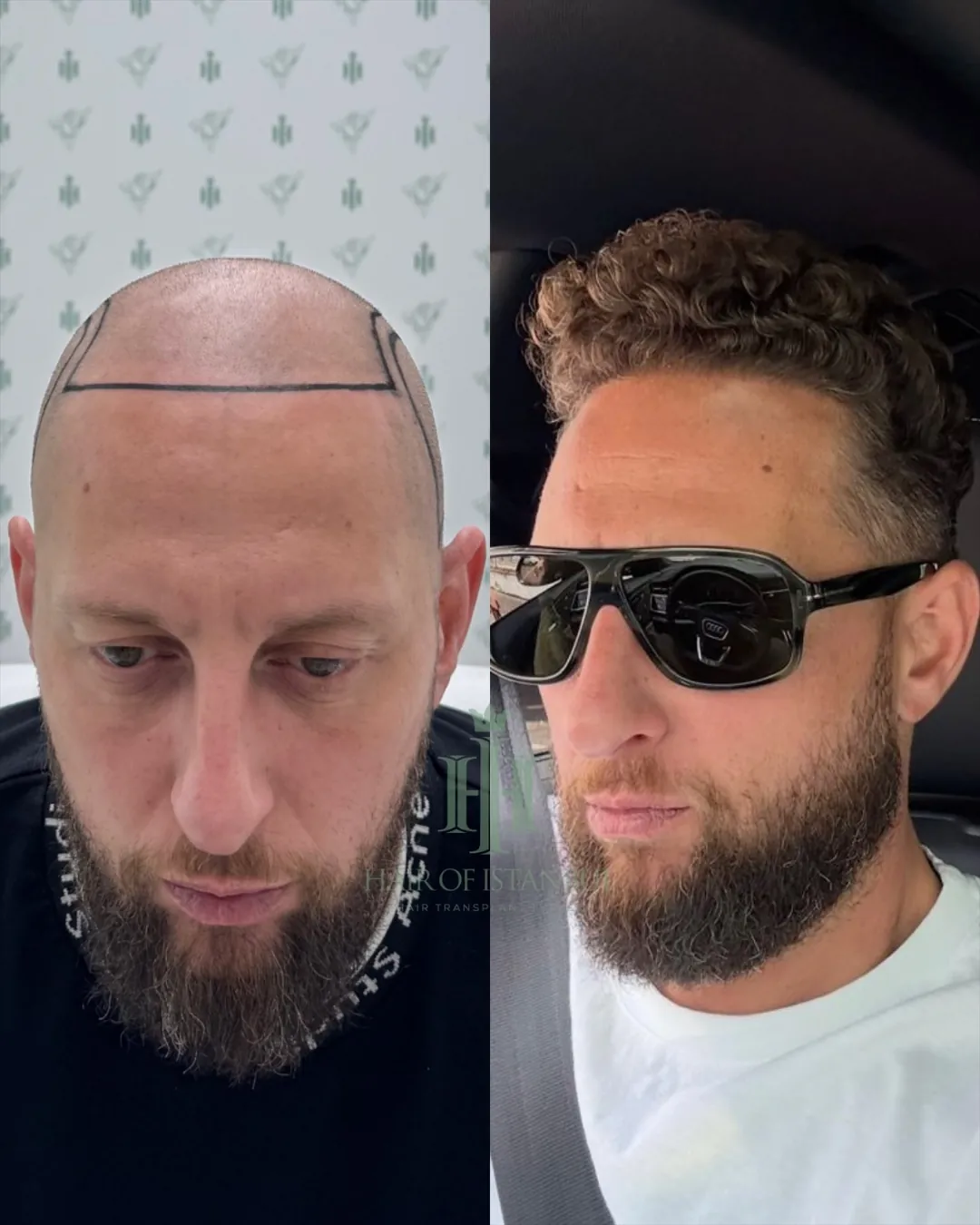
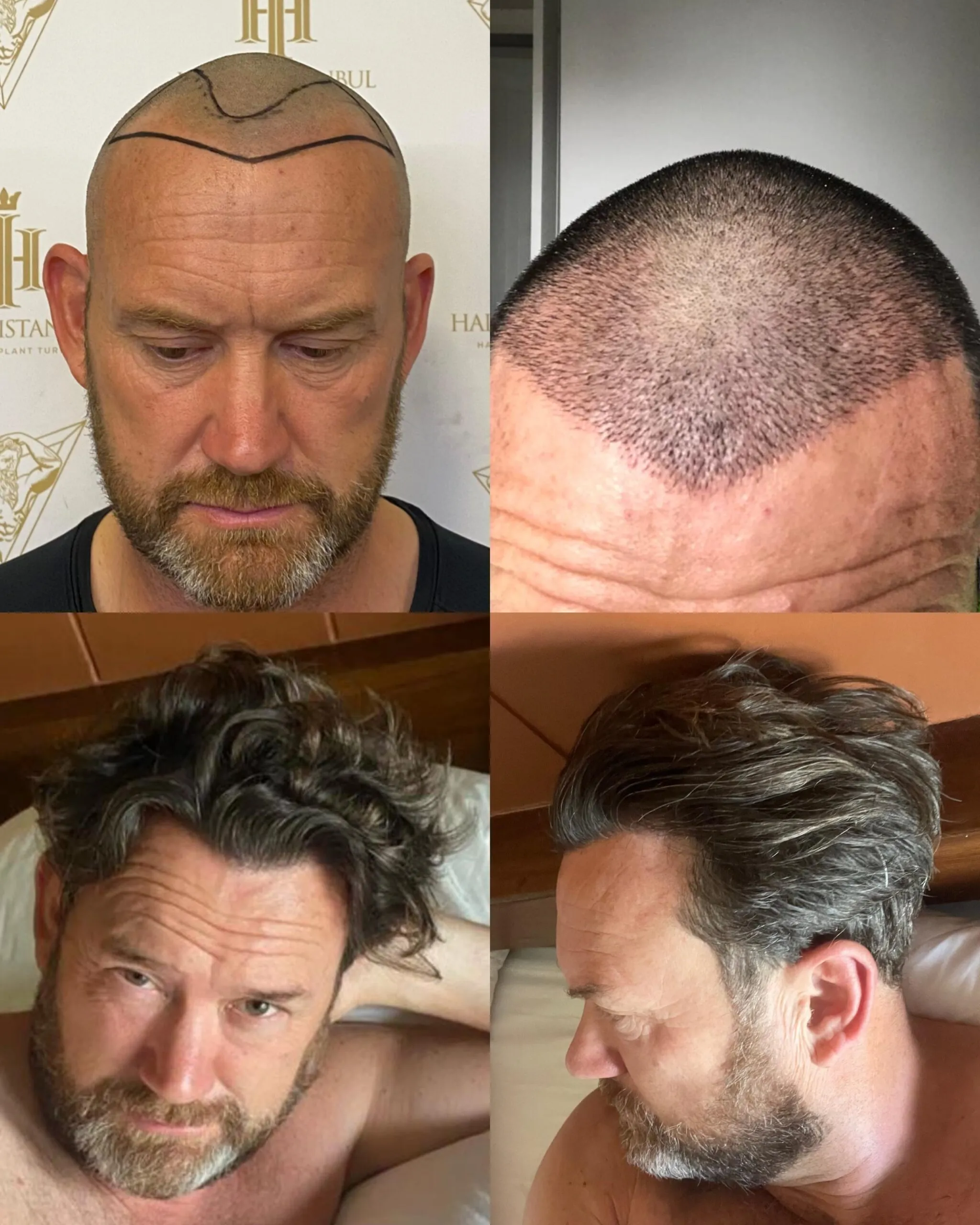
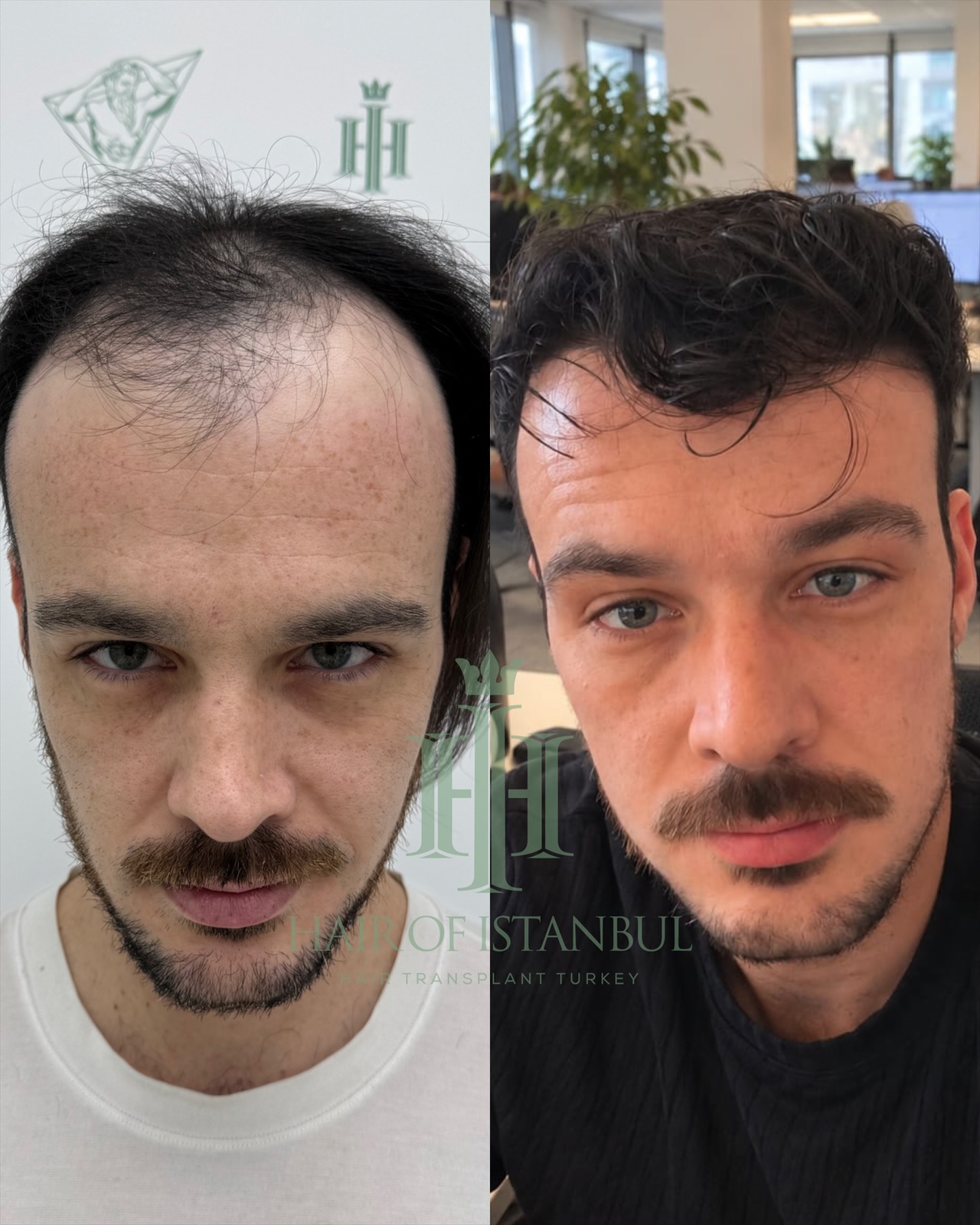
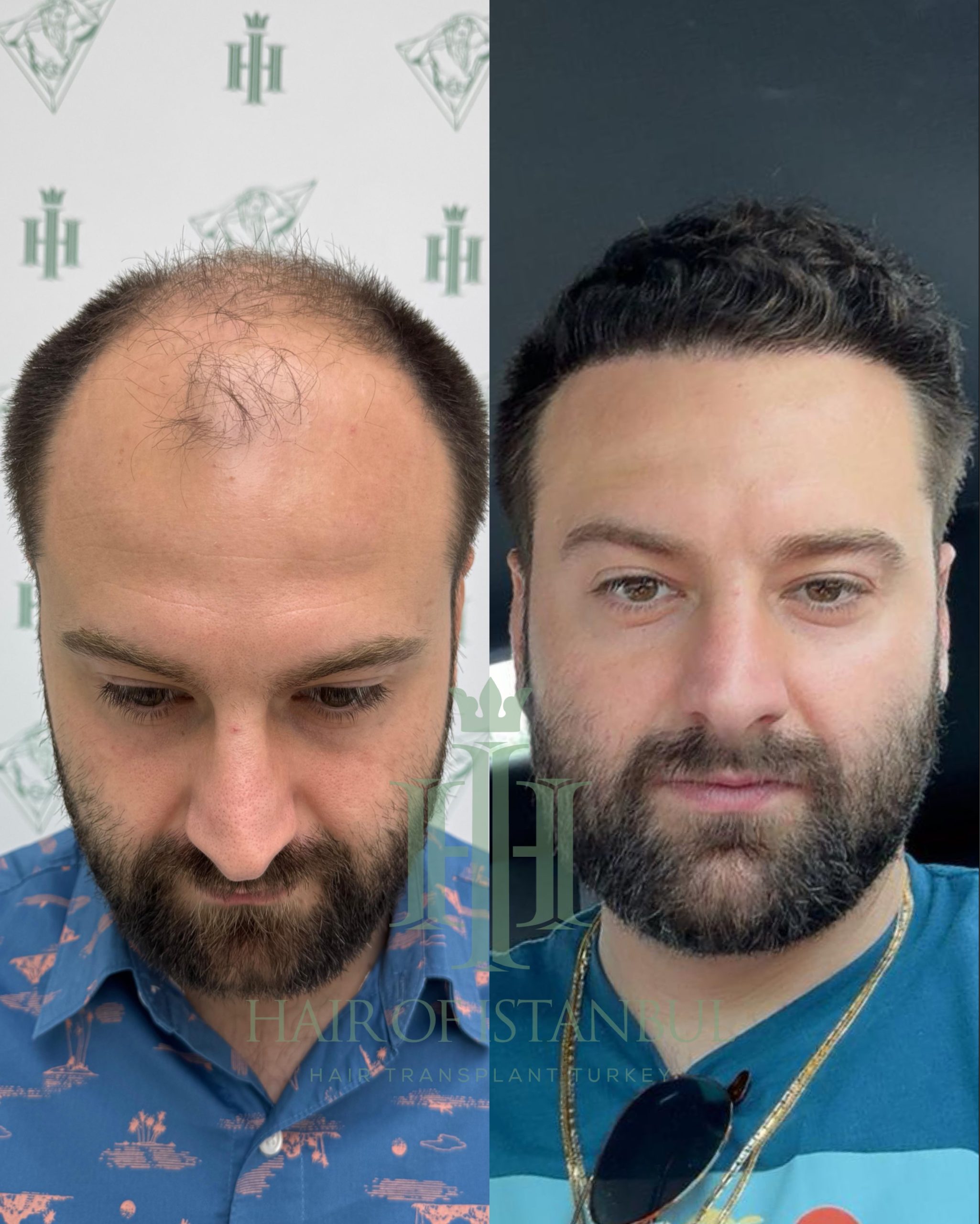
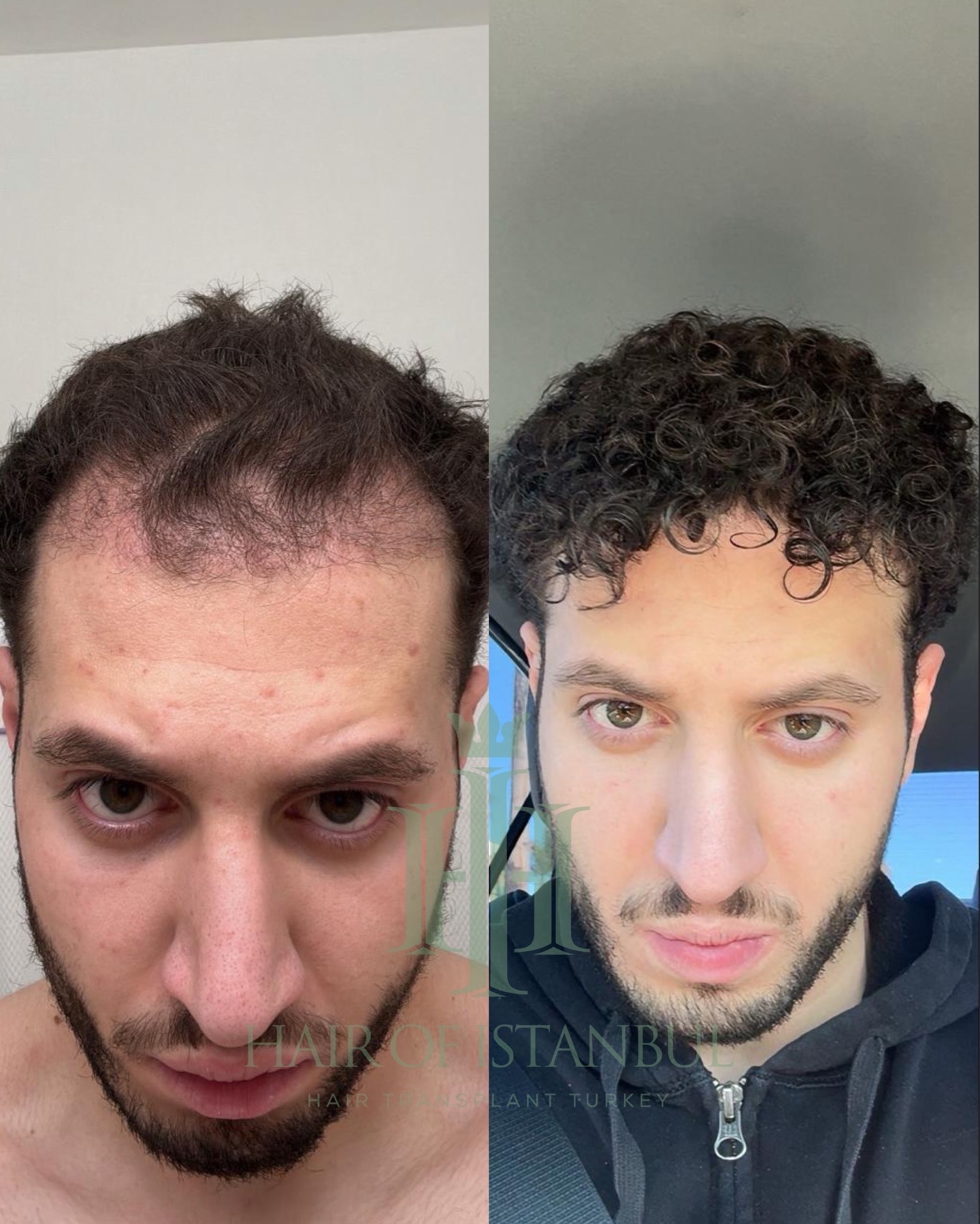
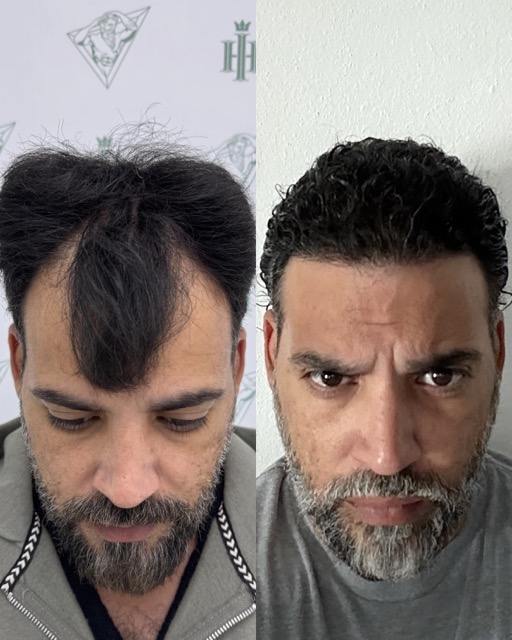
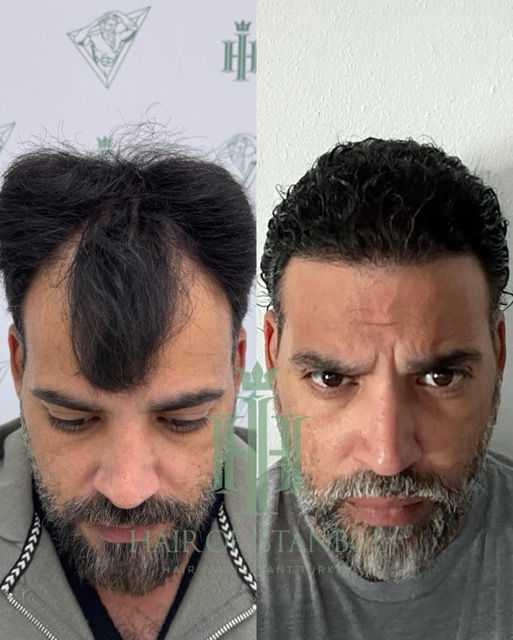
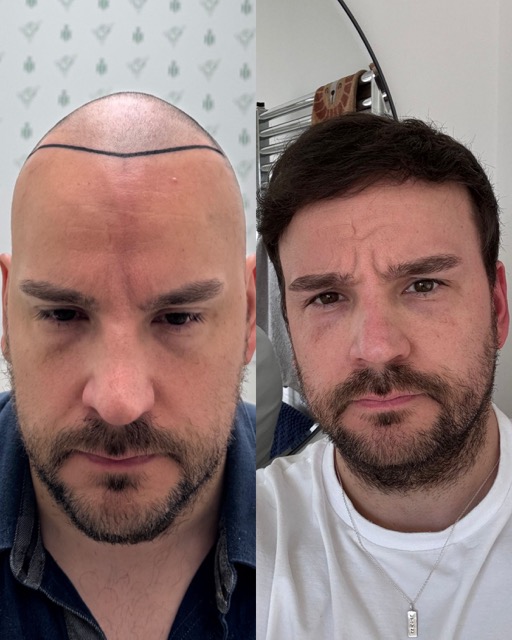
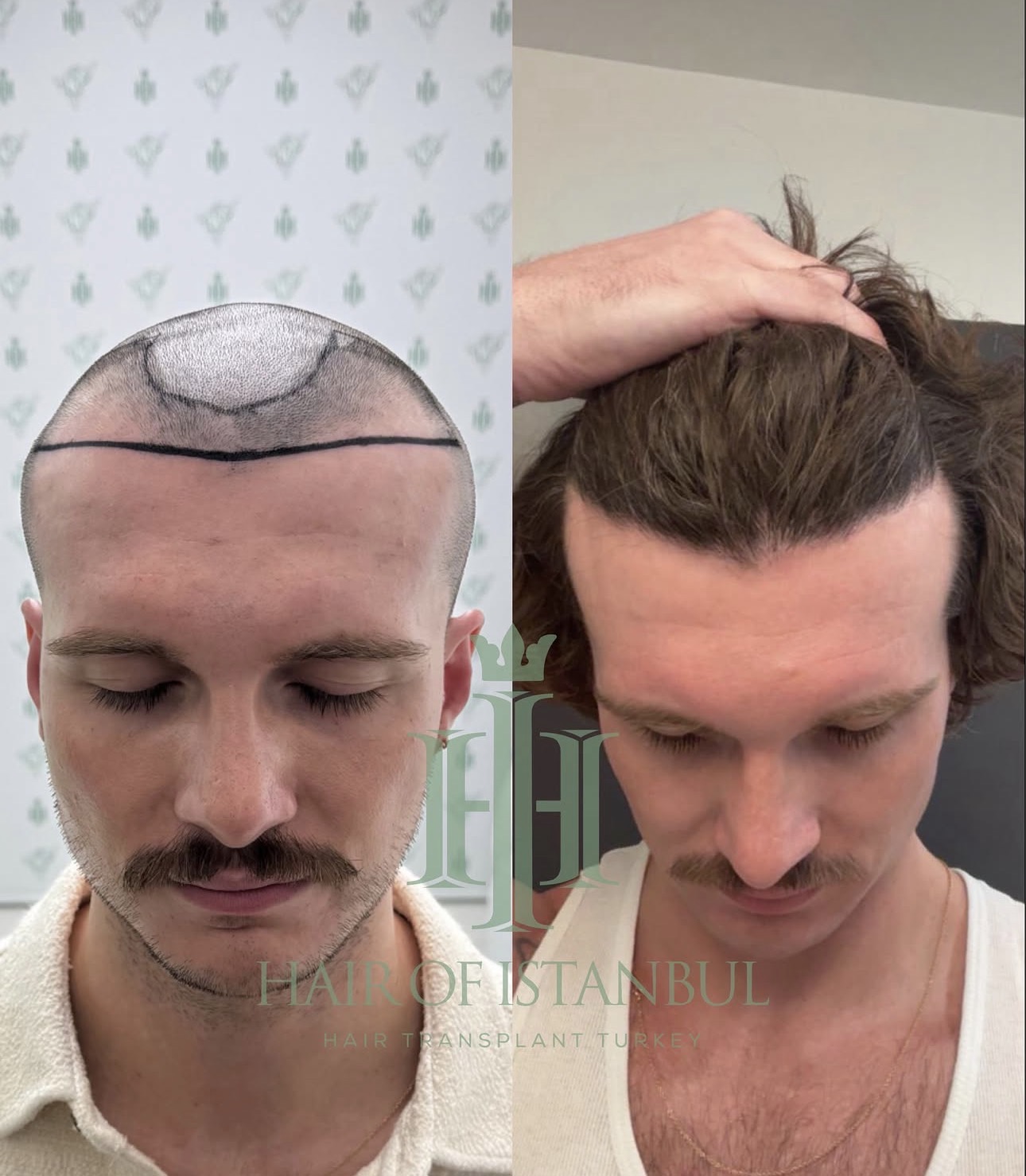
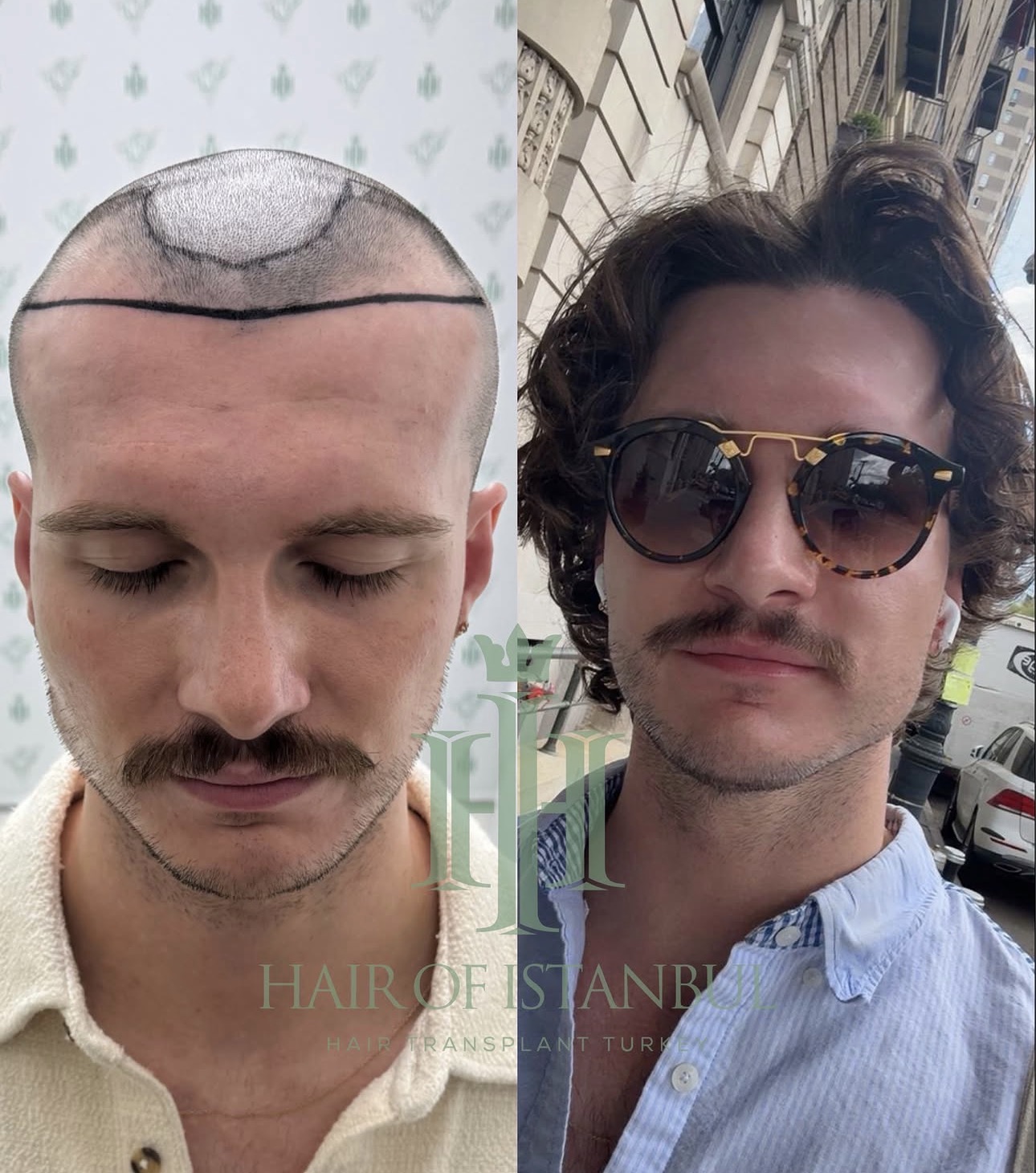
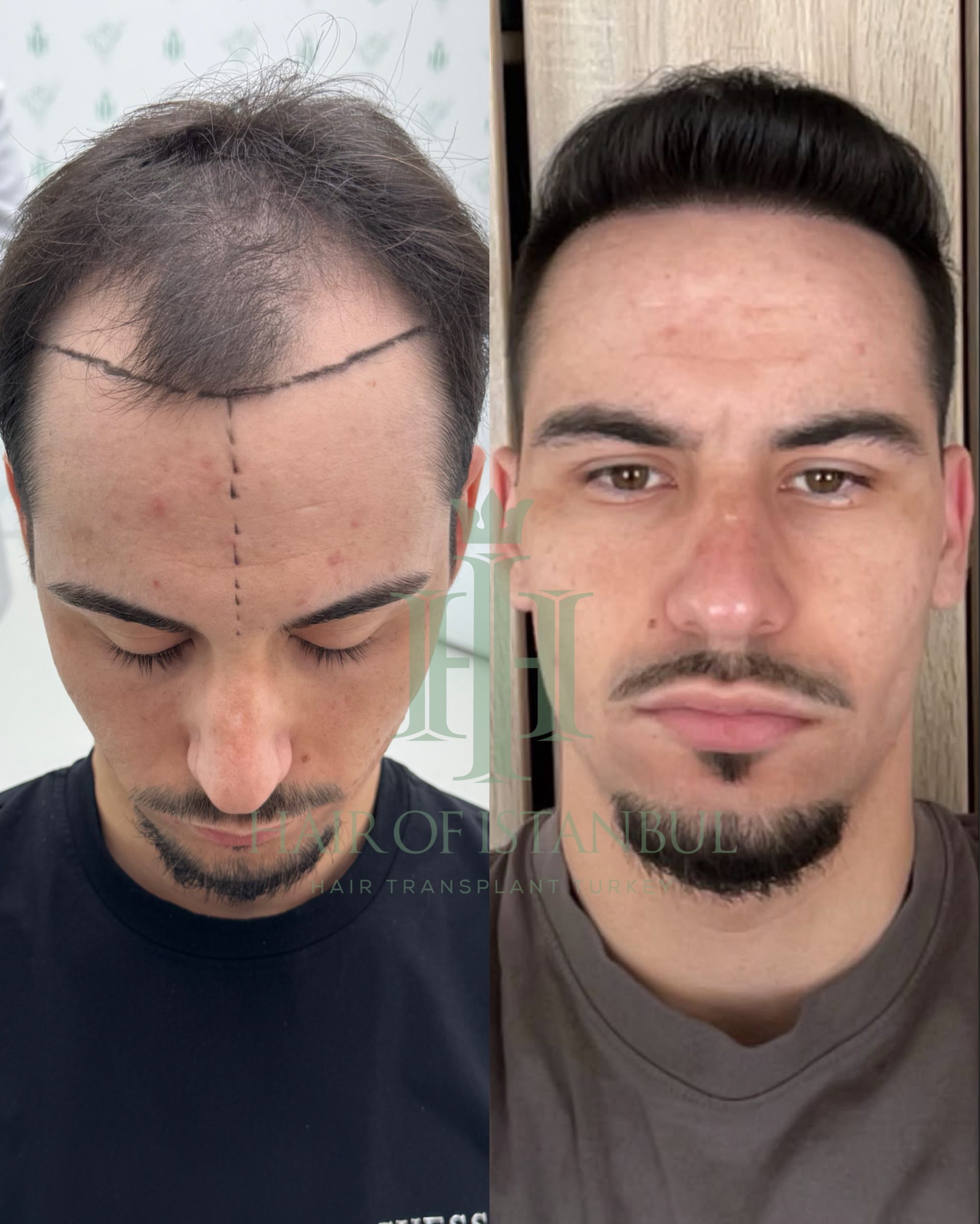
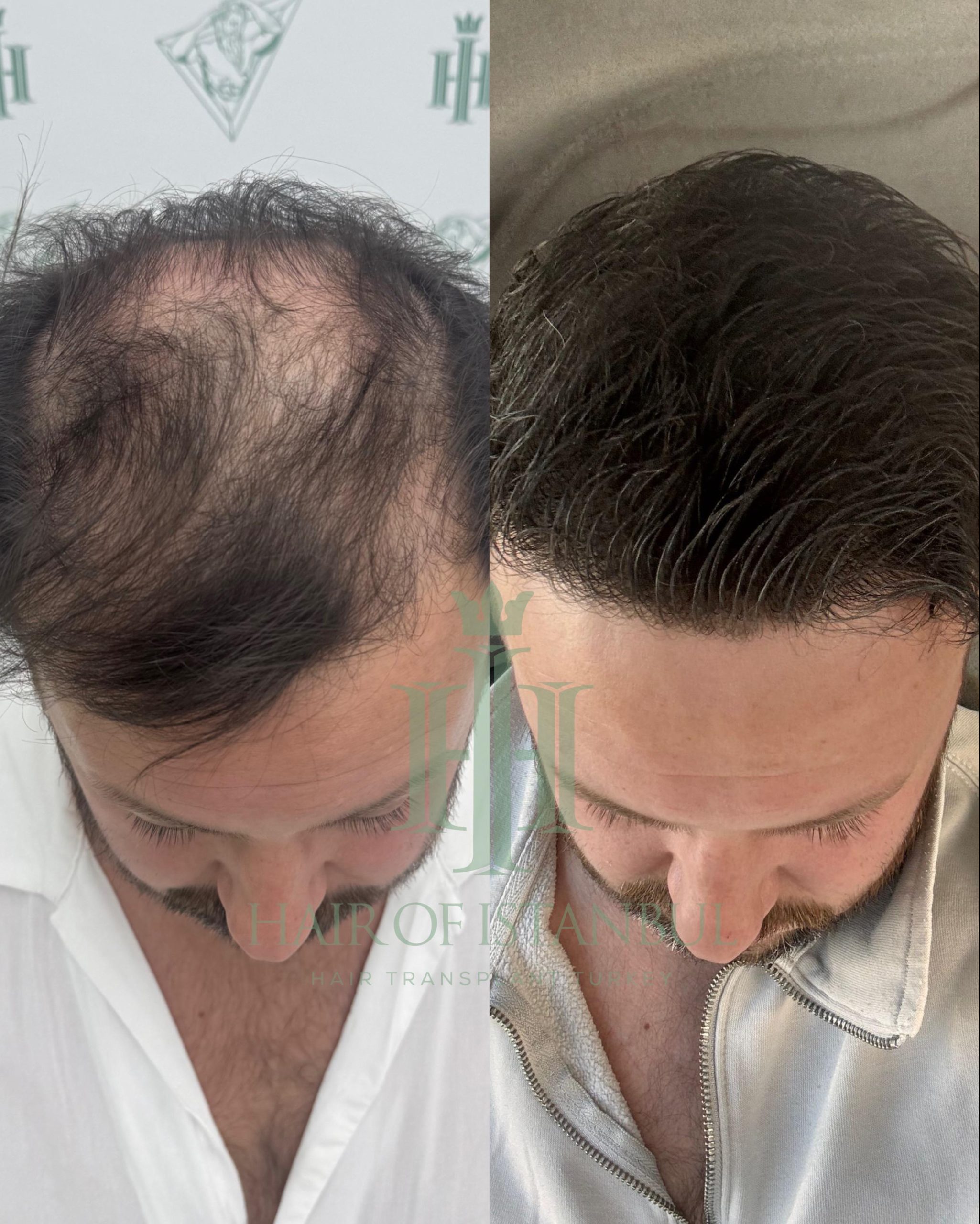
- Long-term, consistent before & after results rather than a few highlight images.
- Honest discussion of whether you may need more than one procedure over time.
4. Clinic Environment and Accreditation
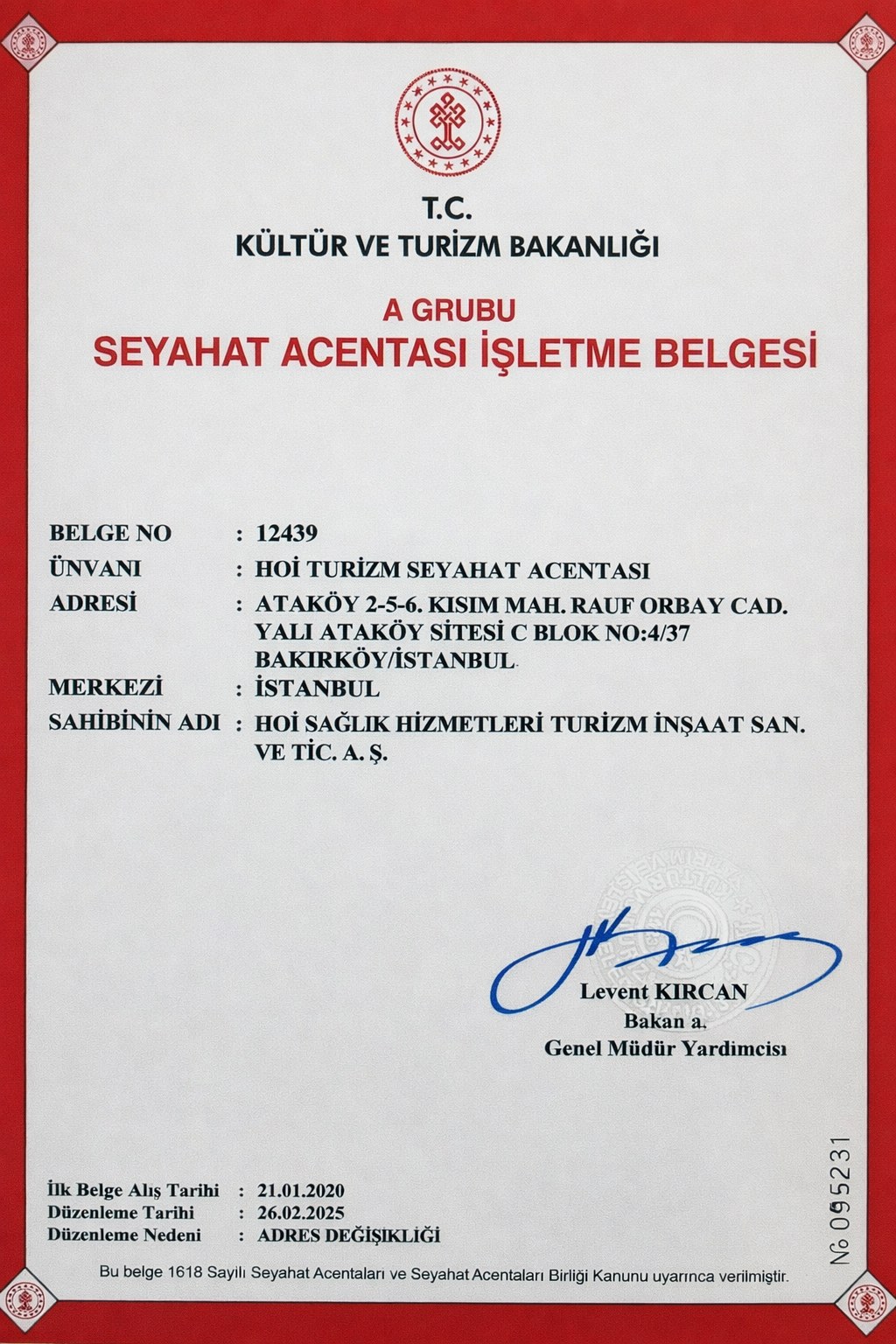
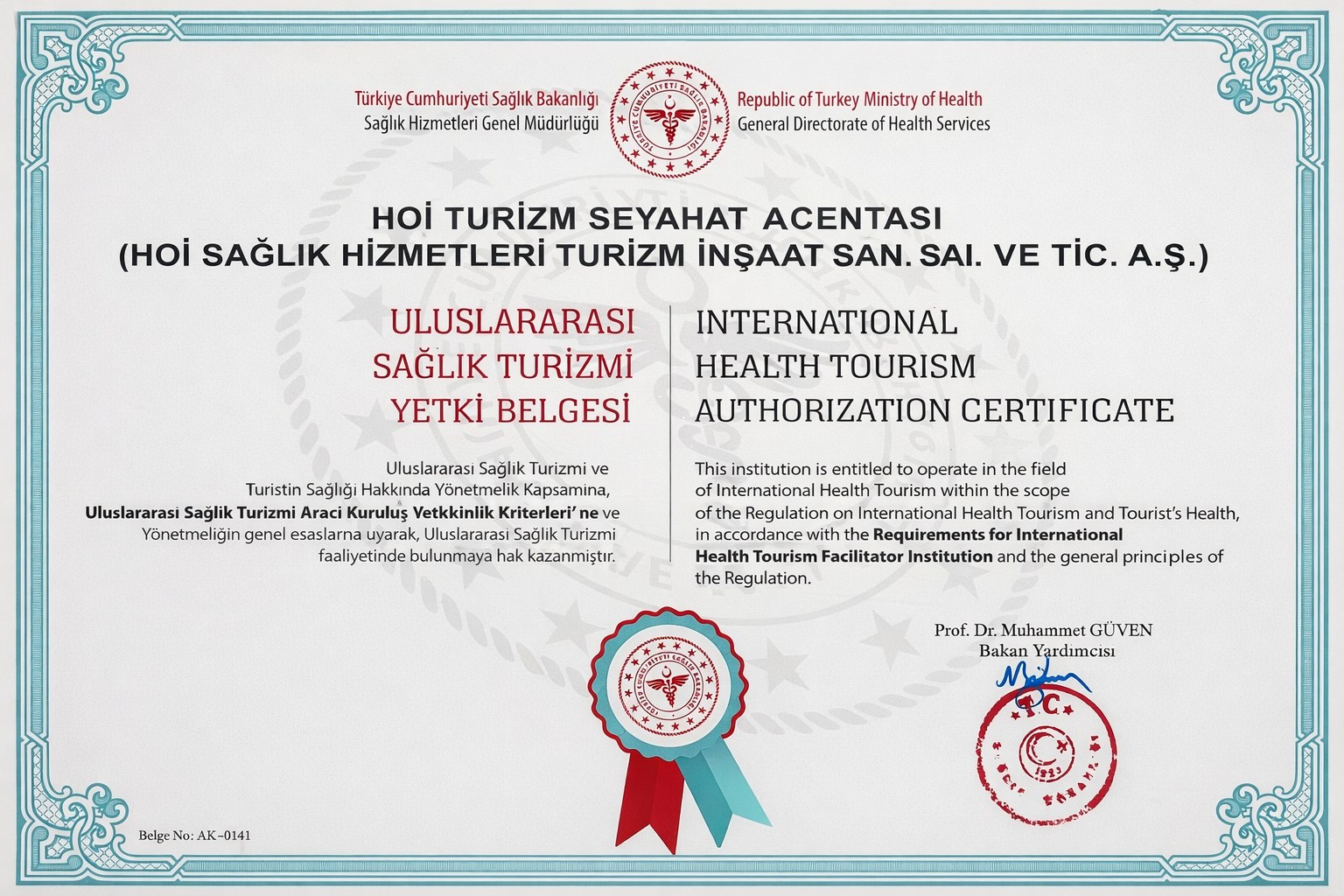
High-standard clinics operate in medical-grade environments with appropriate sterility, emergency readiness, and documentation. Some patients visit or request video tours before confirming treatment. Even at a distance, you can ask specific questions about facilities, sterilisation, and staff qualifications.
For a more structured way to think about evaluating centres, see the dedicated article on hair transplant clinics in 2025.
Cost of Hair Transplant Turkey : Price vs. Value
Cost is a major reason people look for a hair transplant in Turkey, but focusing on price alone is risky. When comparing offers:
- Be cautious of extreme “cheap deals” that seem far below the national average.
- Understand what is included—medical evaluation, anaesthesia, medications, follow-up, etc.
- Ask who exactly performs each part of the surgery and how many patients are treated per day.
Packages may be priced per session rather than per graft. While some ballpark ranges are widely discussed online, individual quotes will vary depending on your pattern of loss, donor quality, and surgical plan. For clinic-specific cost information, you can review the hair transplant pricing page.
What the Recovery Process Looks Like After a Hair Transplant Turkey
Whether you have surgery at home or abroad, the biological recovery is the same. Understanding the process helps reduce anxiety and prevents unrealistic expectations.
Key phases:
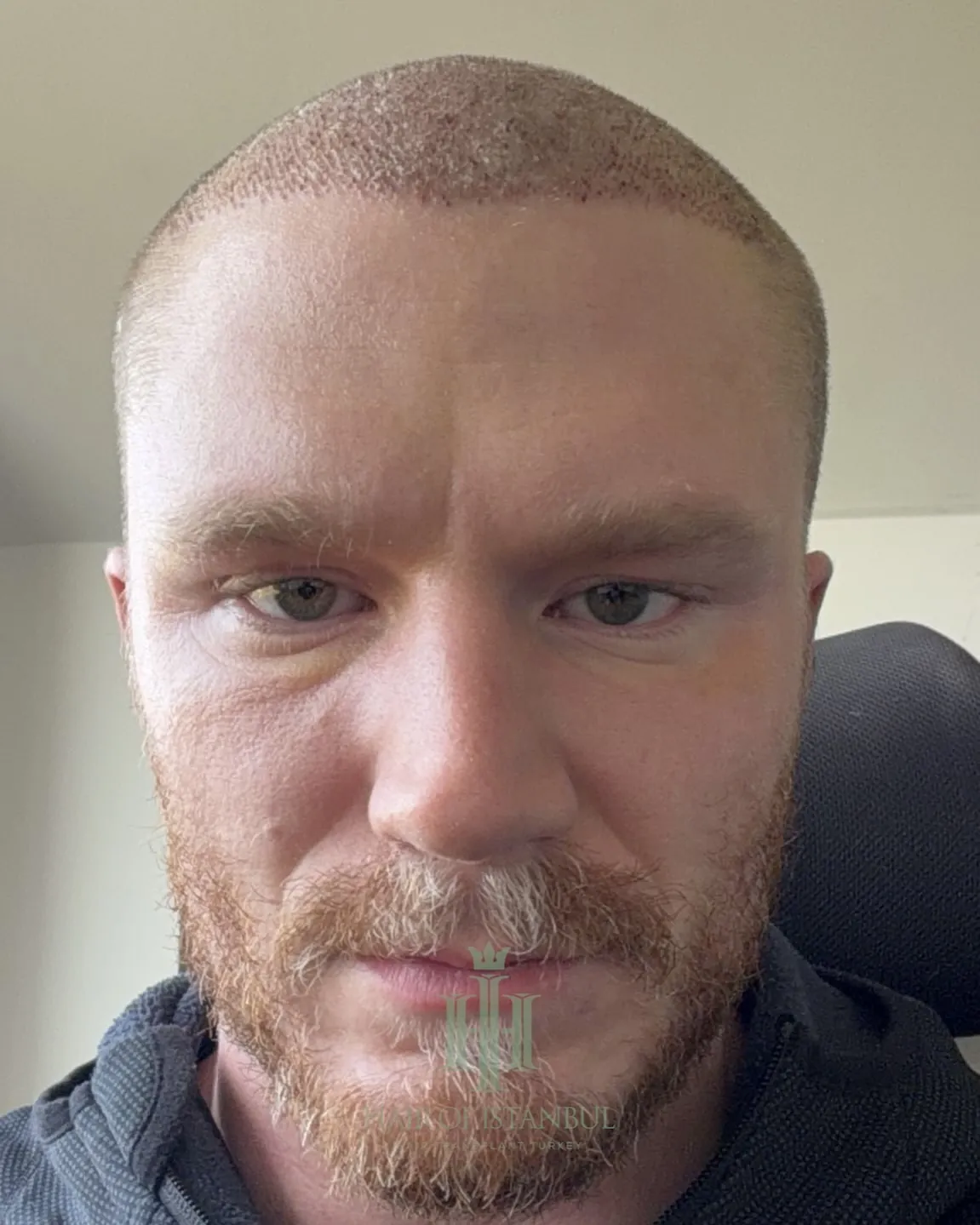
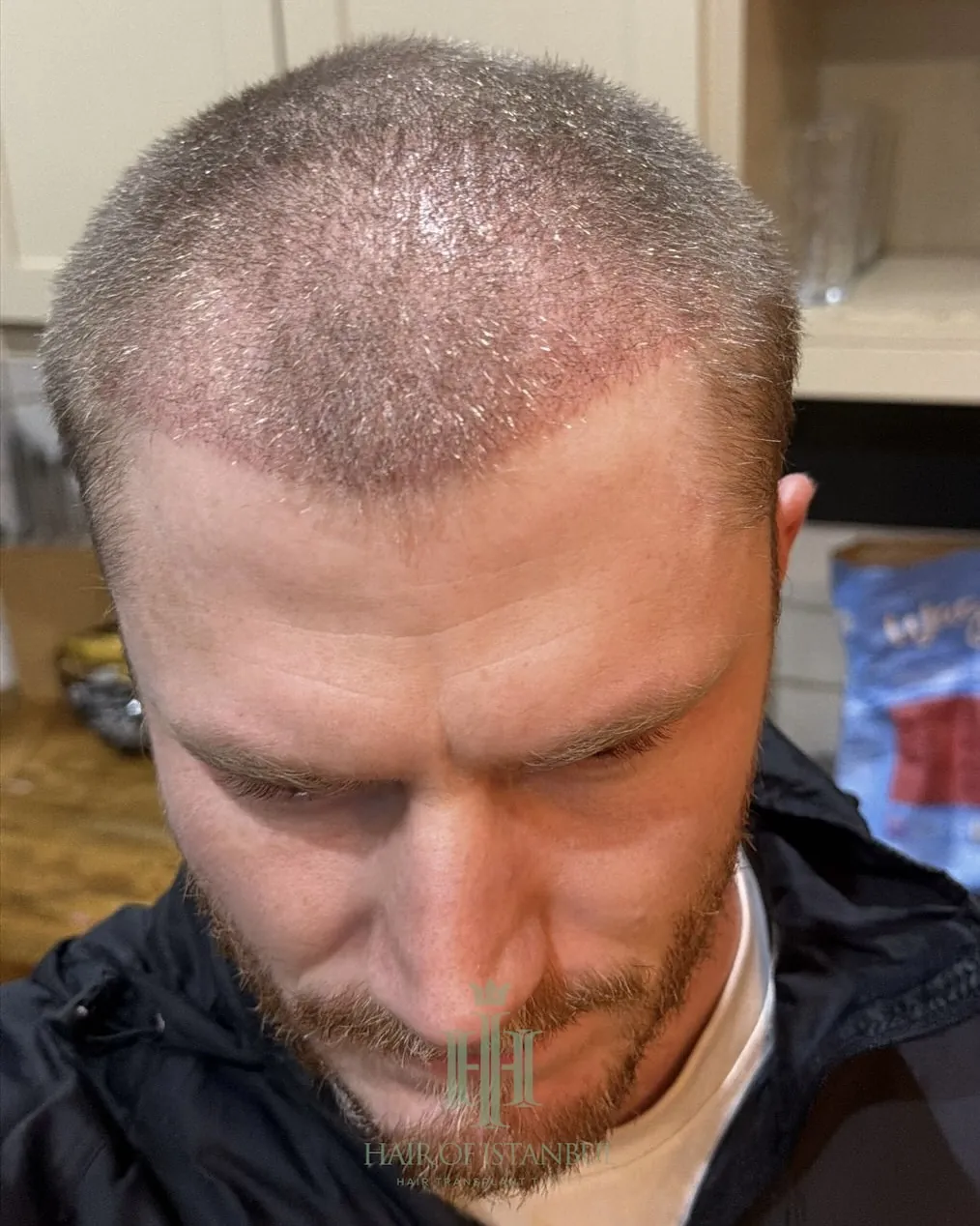
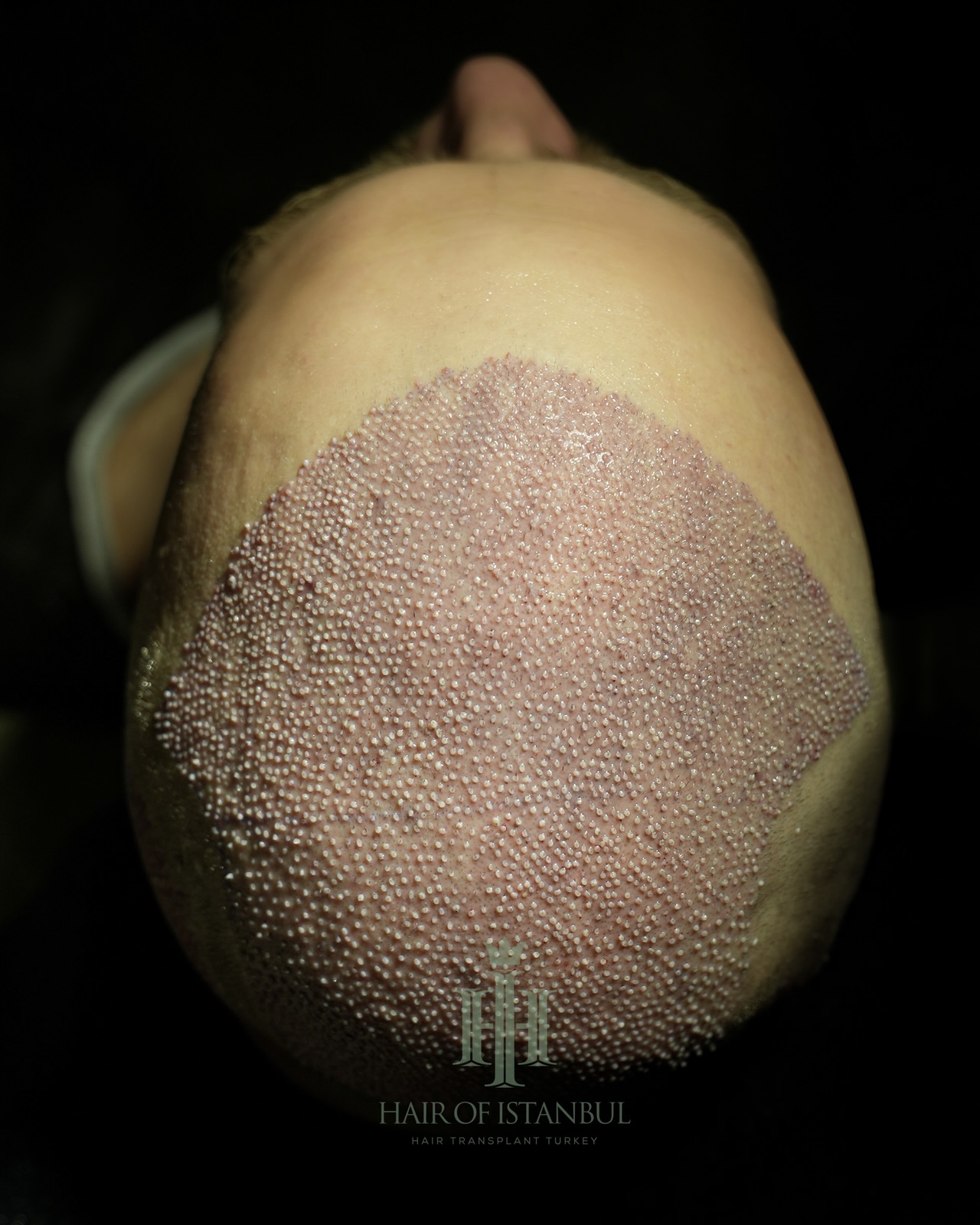
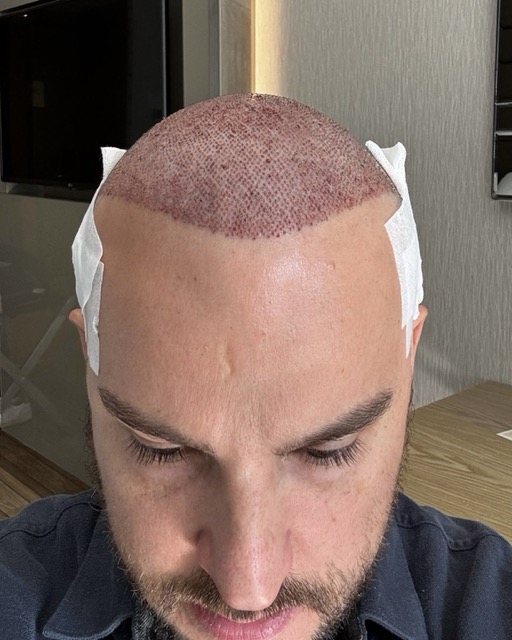
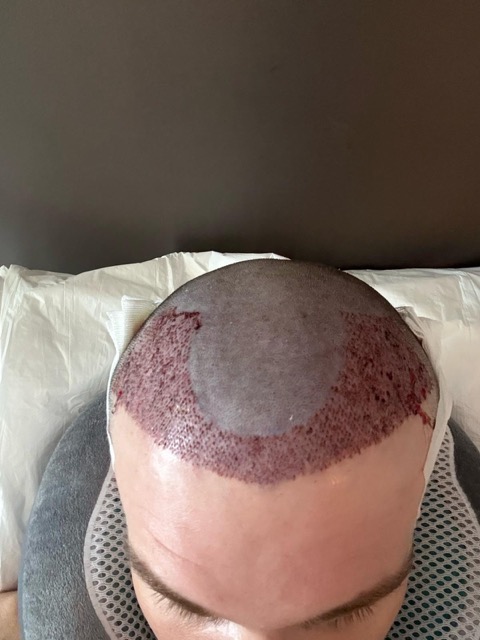
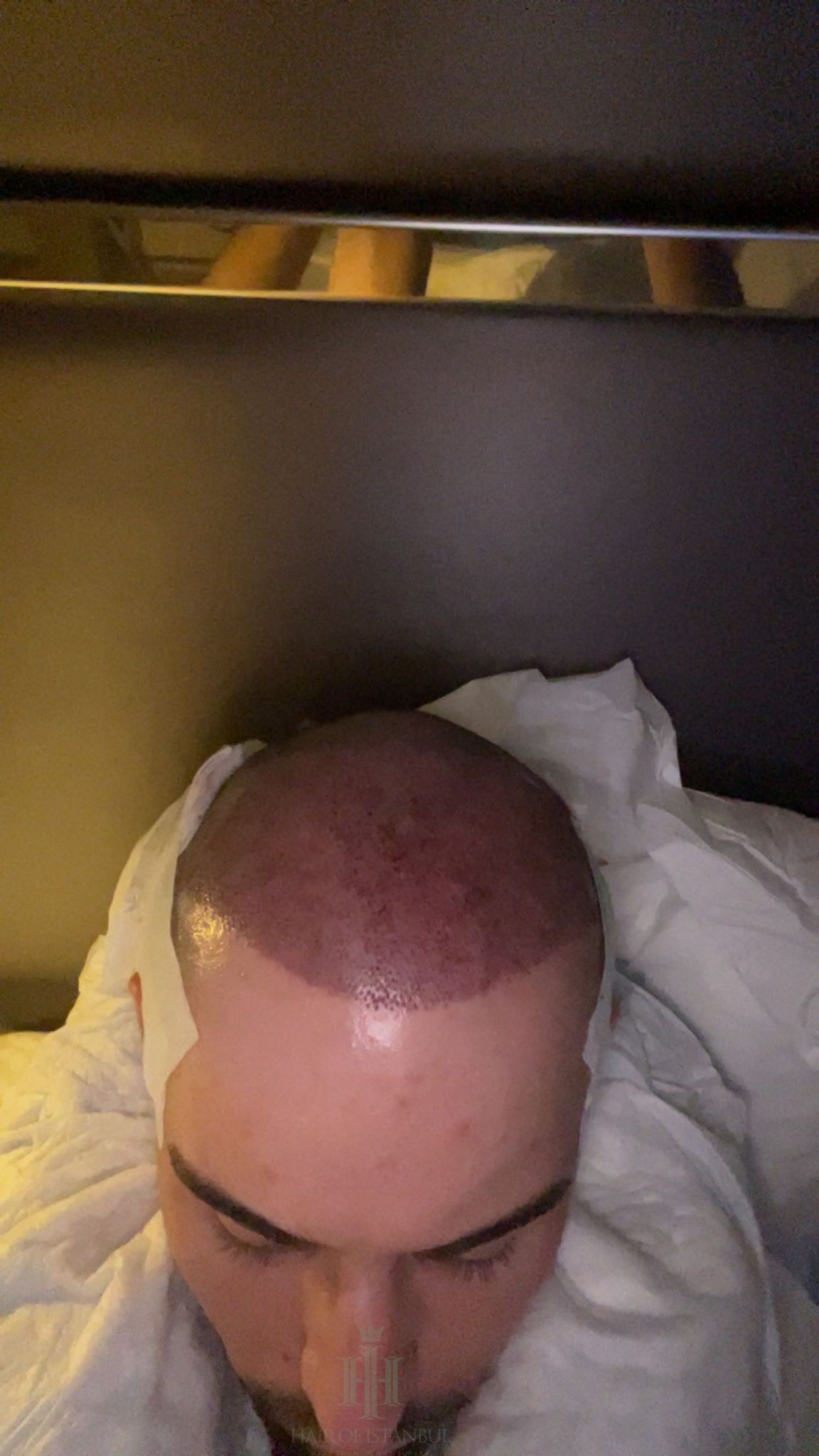
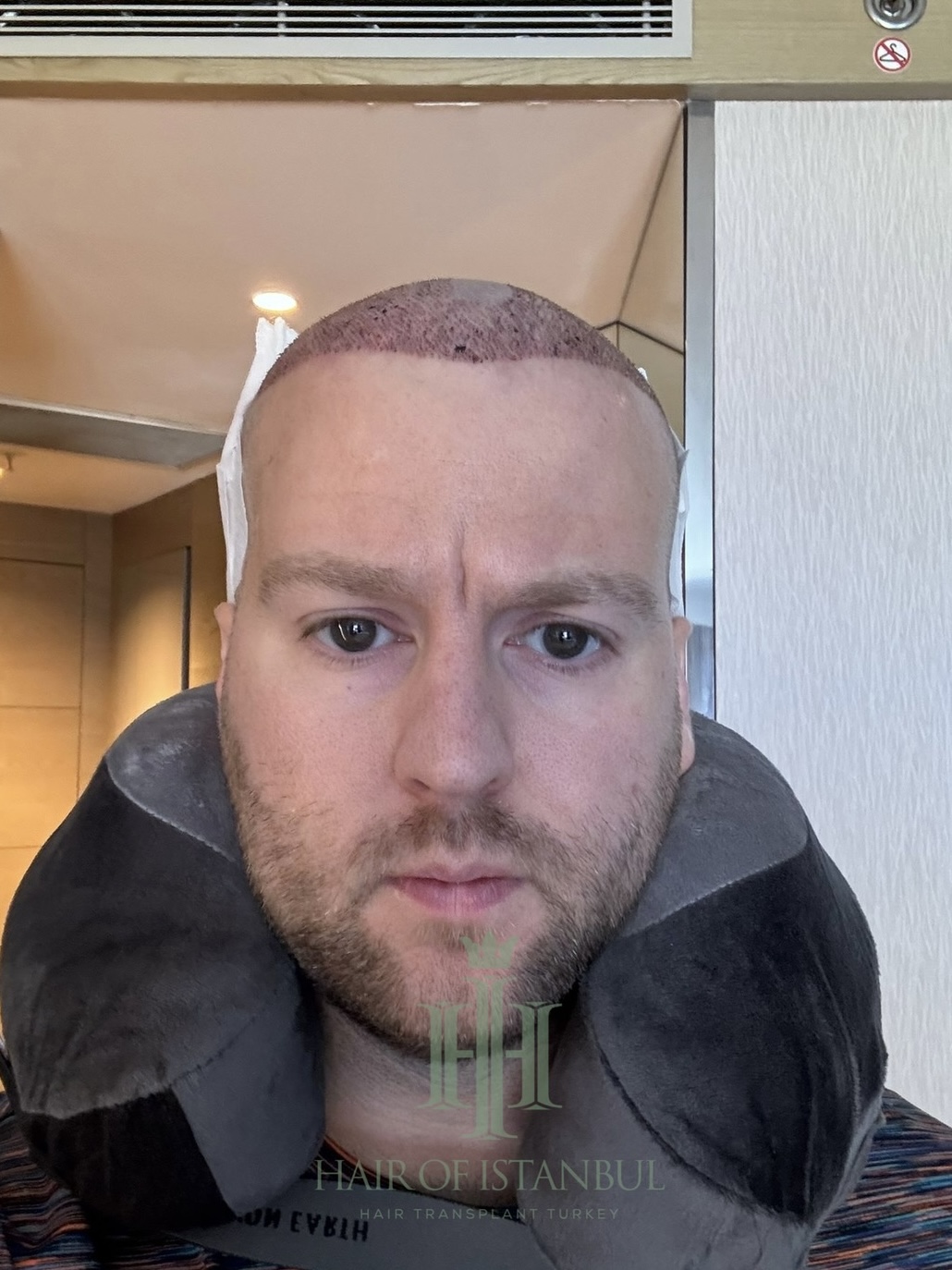
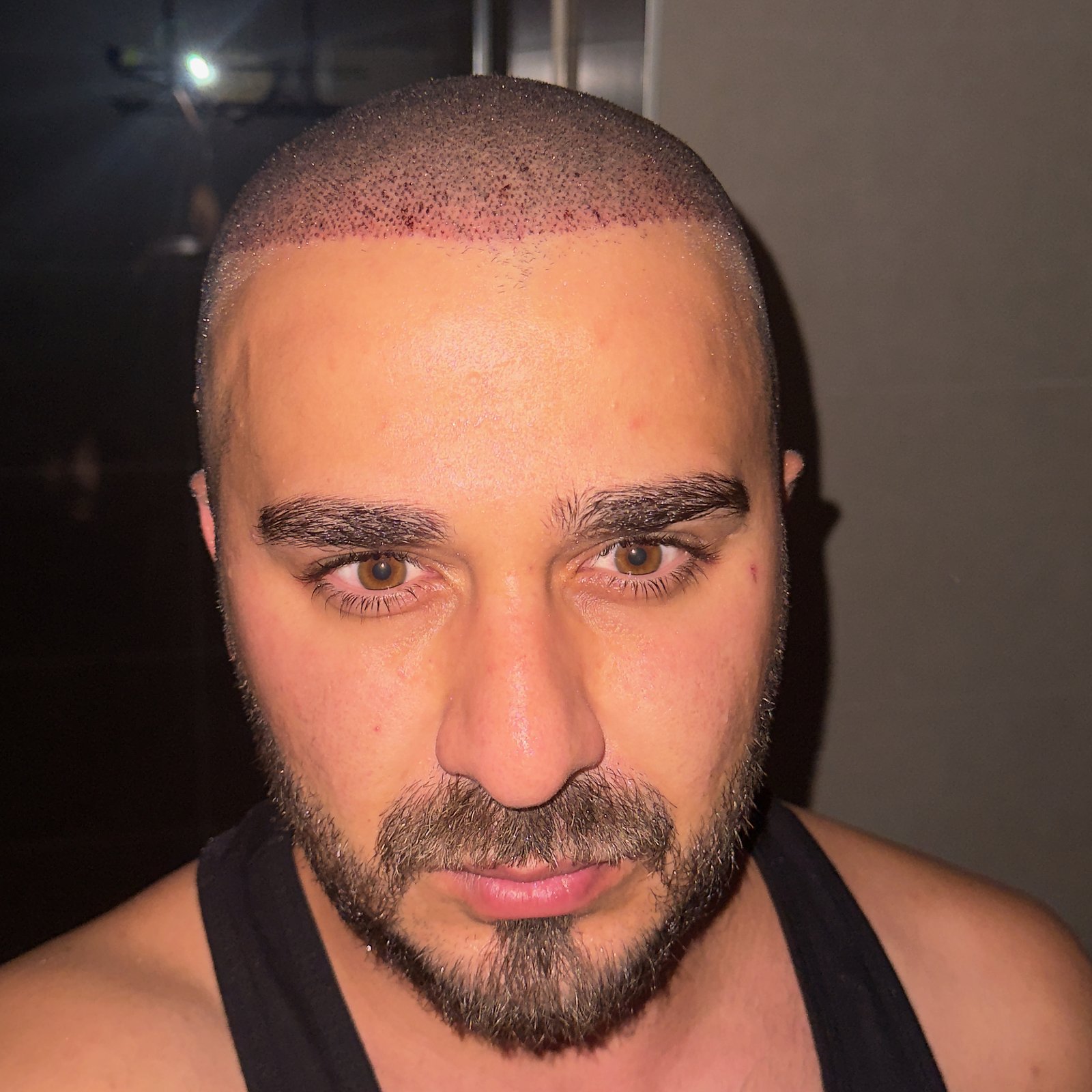
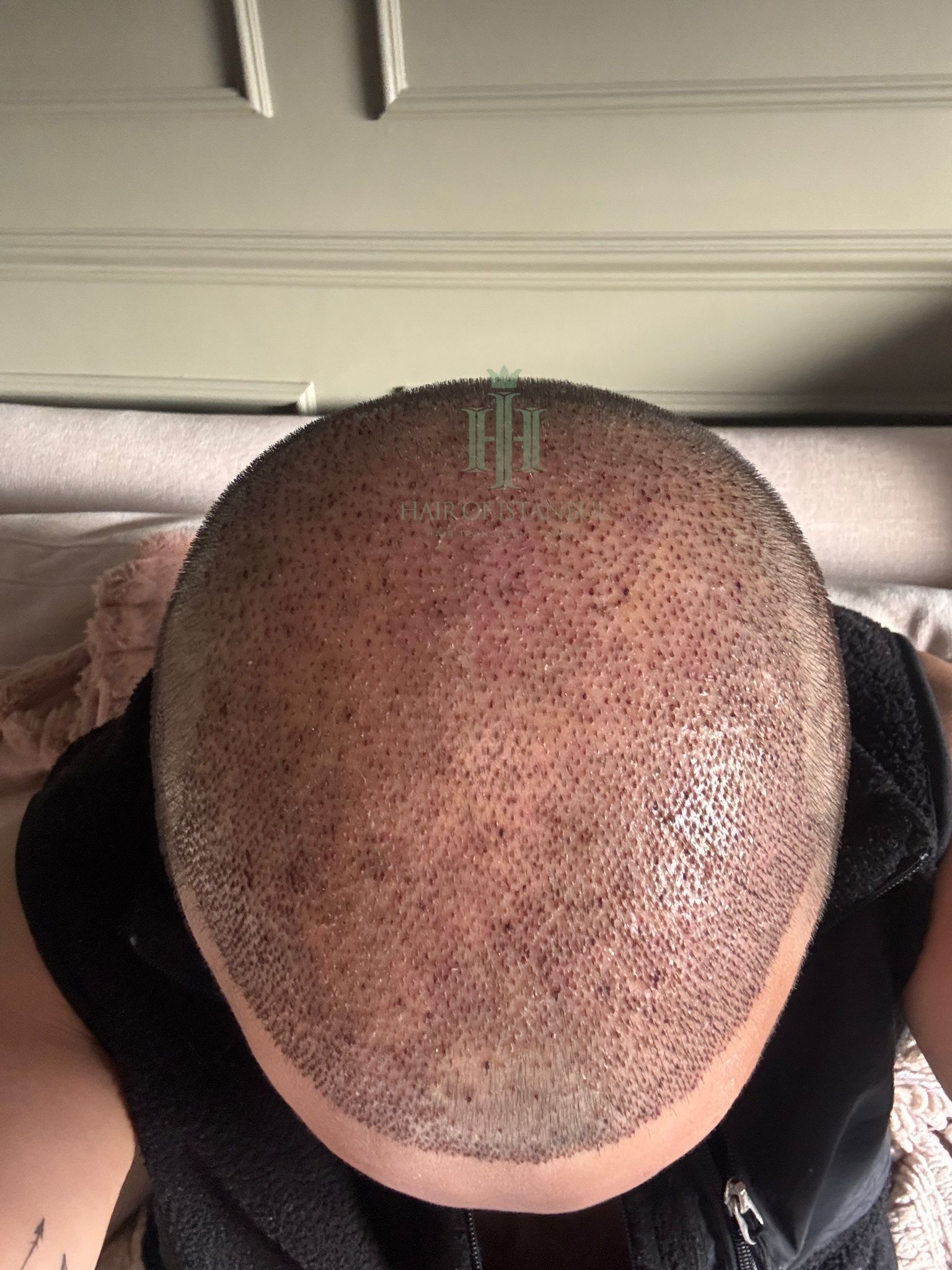
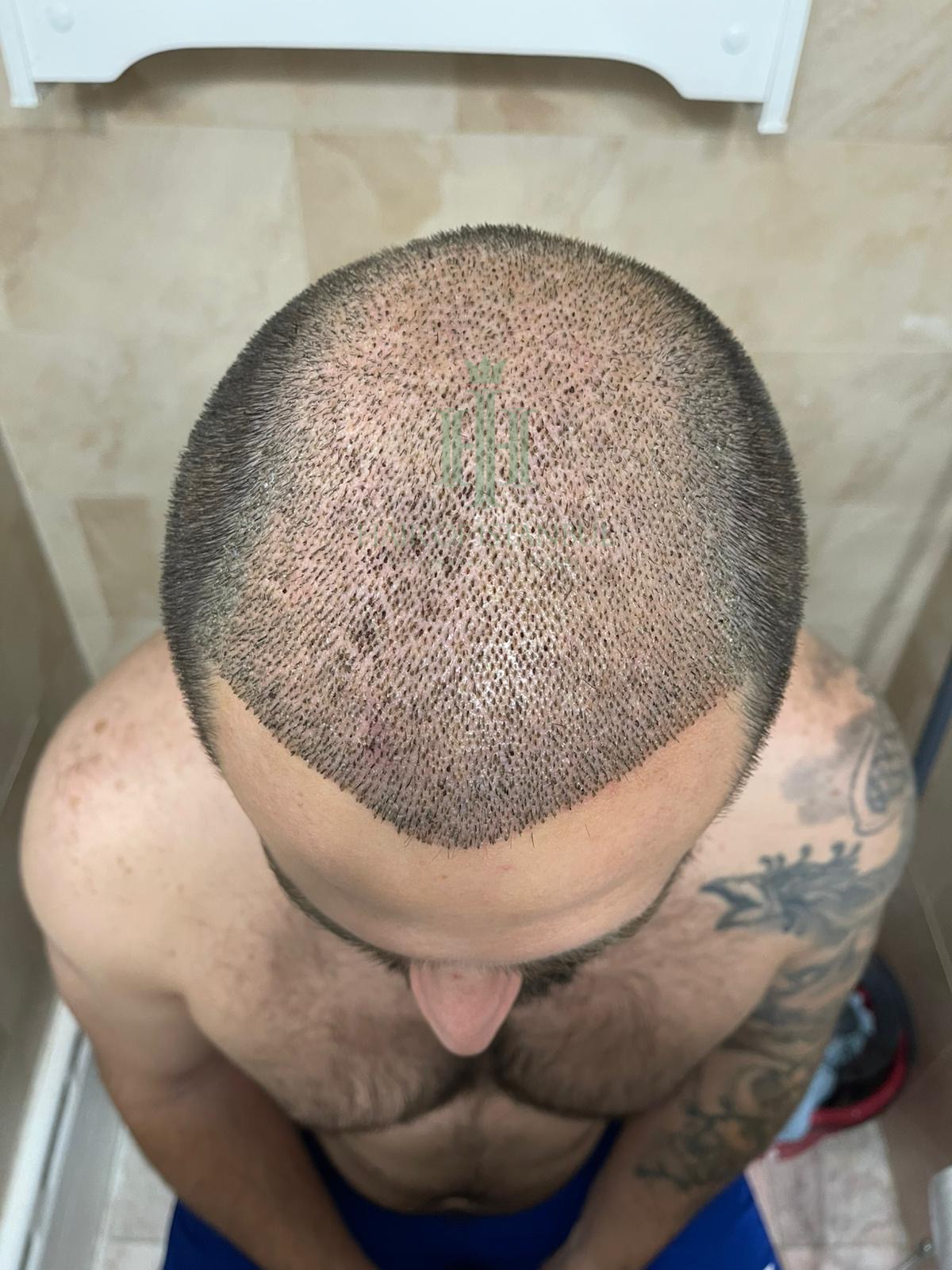
- Days 1–7: Swelling, redness, and scabs. Sleep with head elevated, avoid contact with the grafts, and follow the specific washing protocol demonstrated by your clinic.
- Days 8–14: Scabs fall, the scalp looks cleaner. It may still be slightly pink or sensitive.
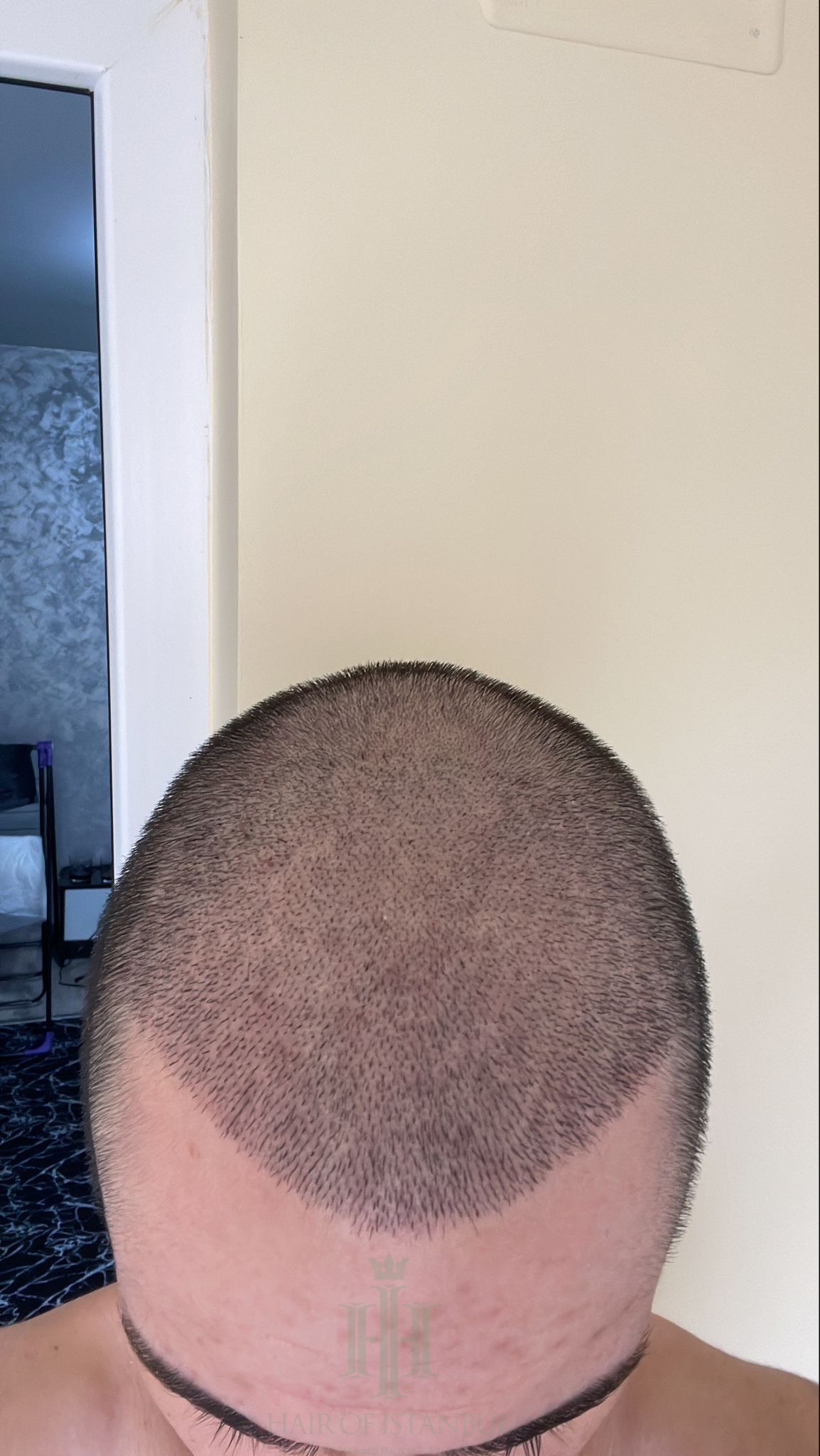
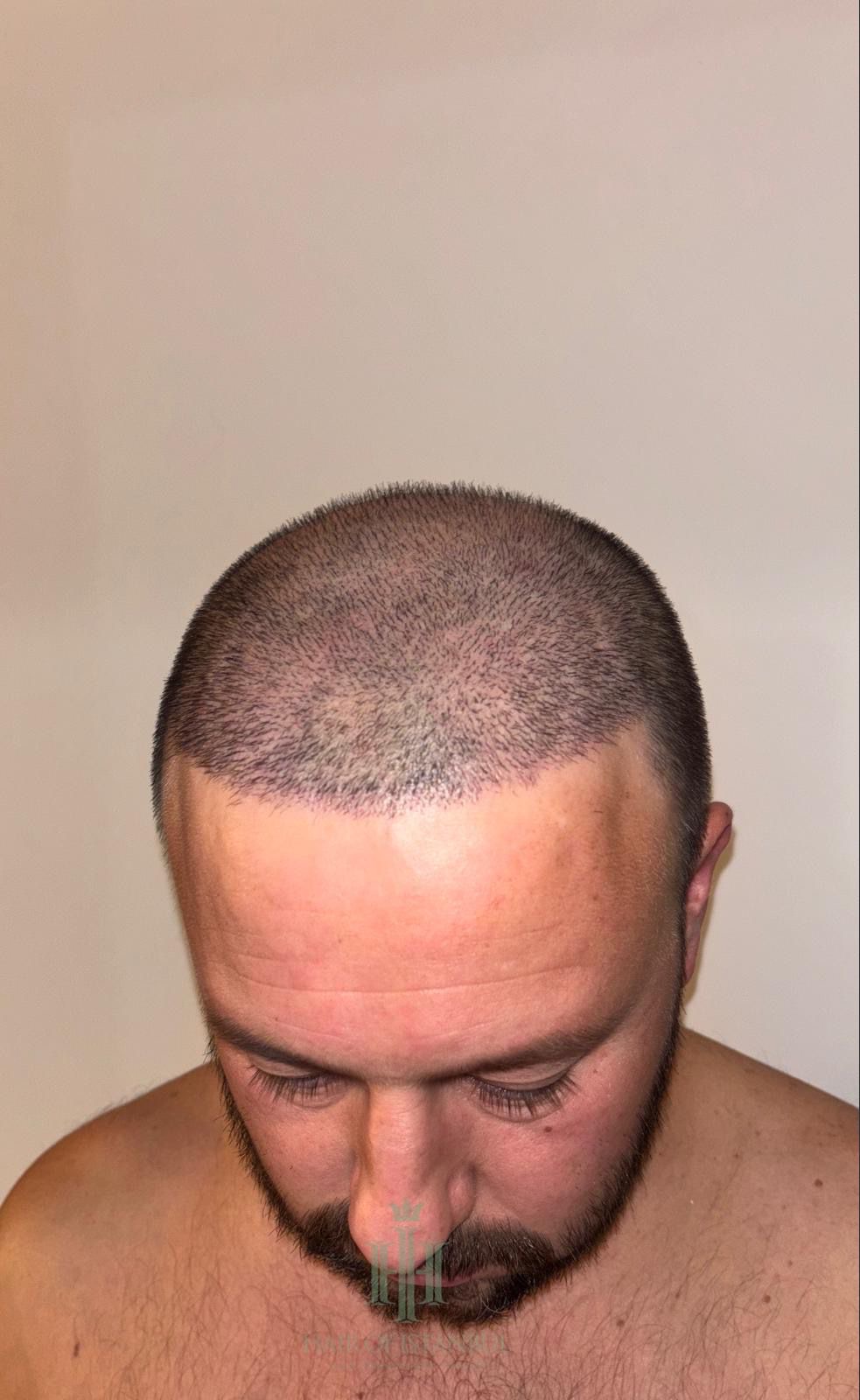
- Weeks 2–6: Transplanted hairs shed; the scalp often looks similar to pre-op, with hair in a resting phase.
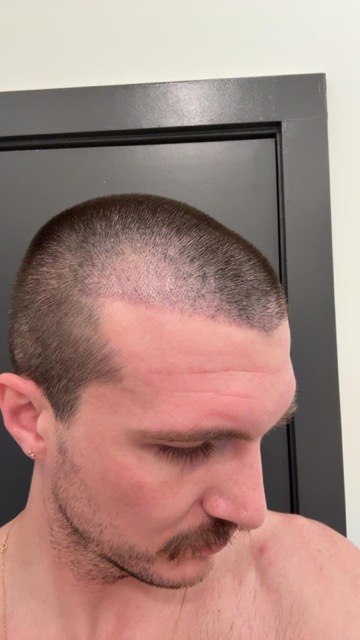
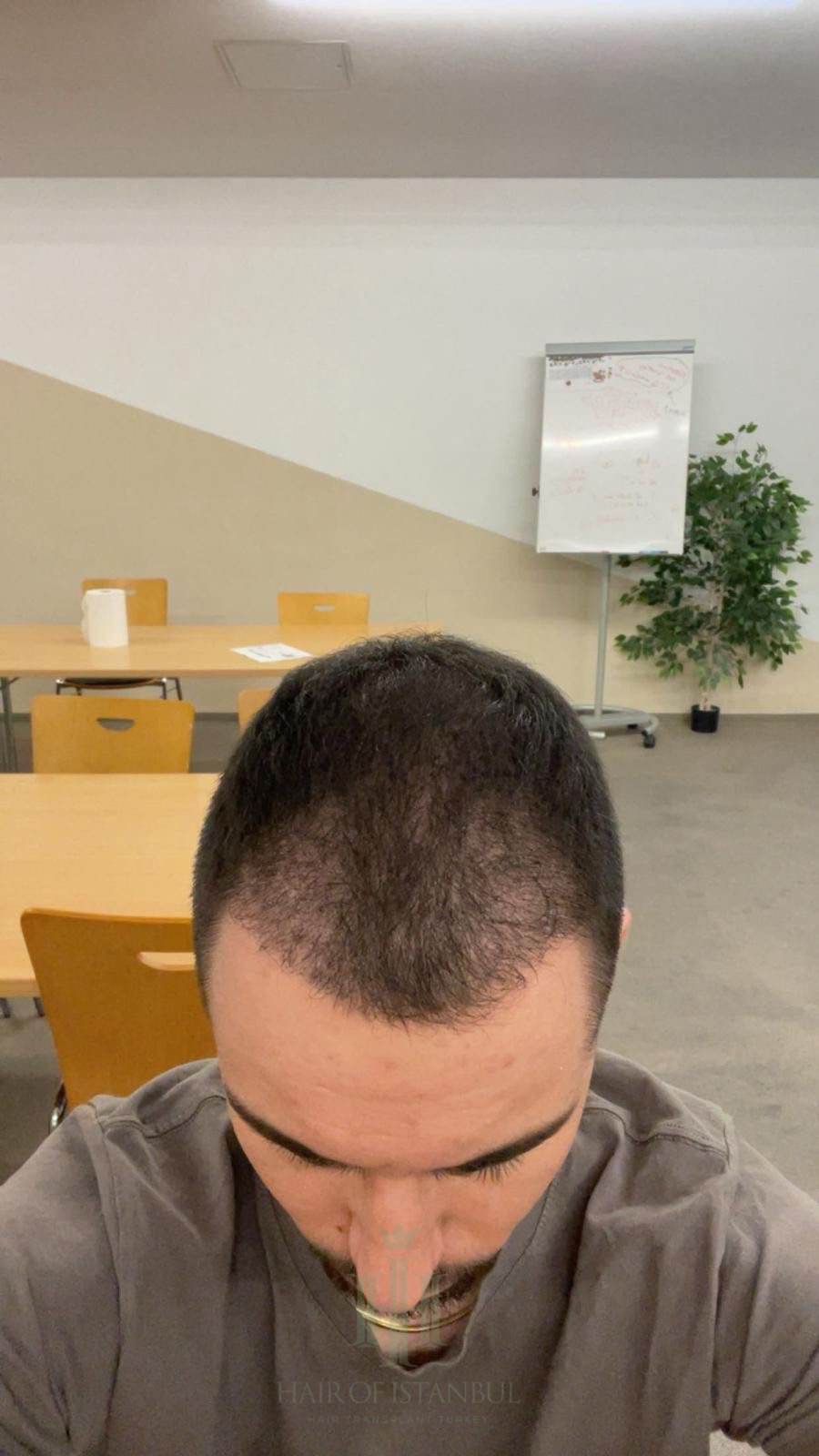
- Months 3–6: New hairs gradually emerge and start to thicken.
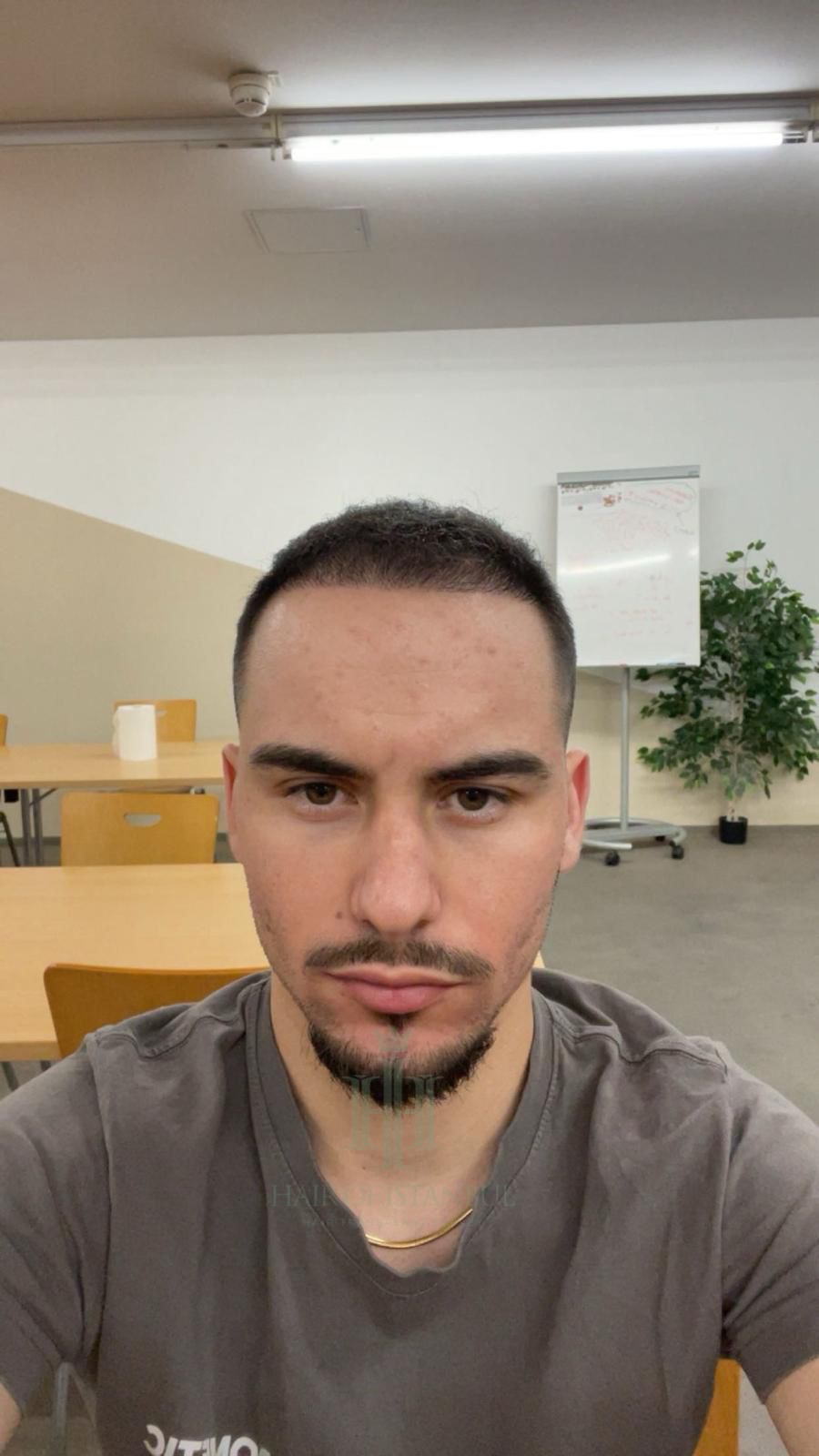
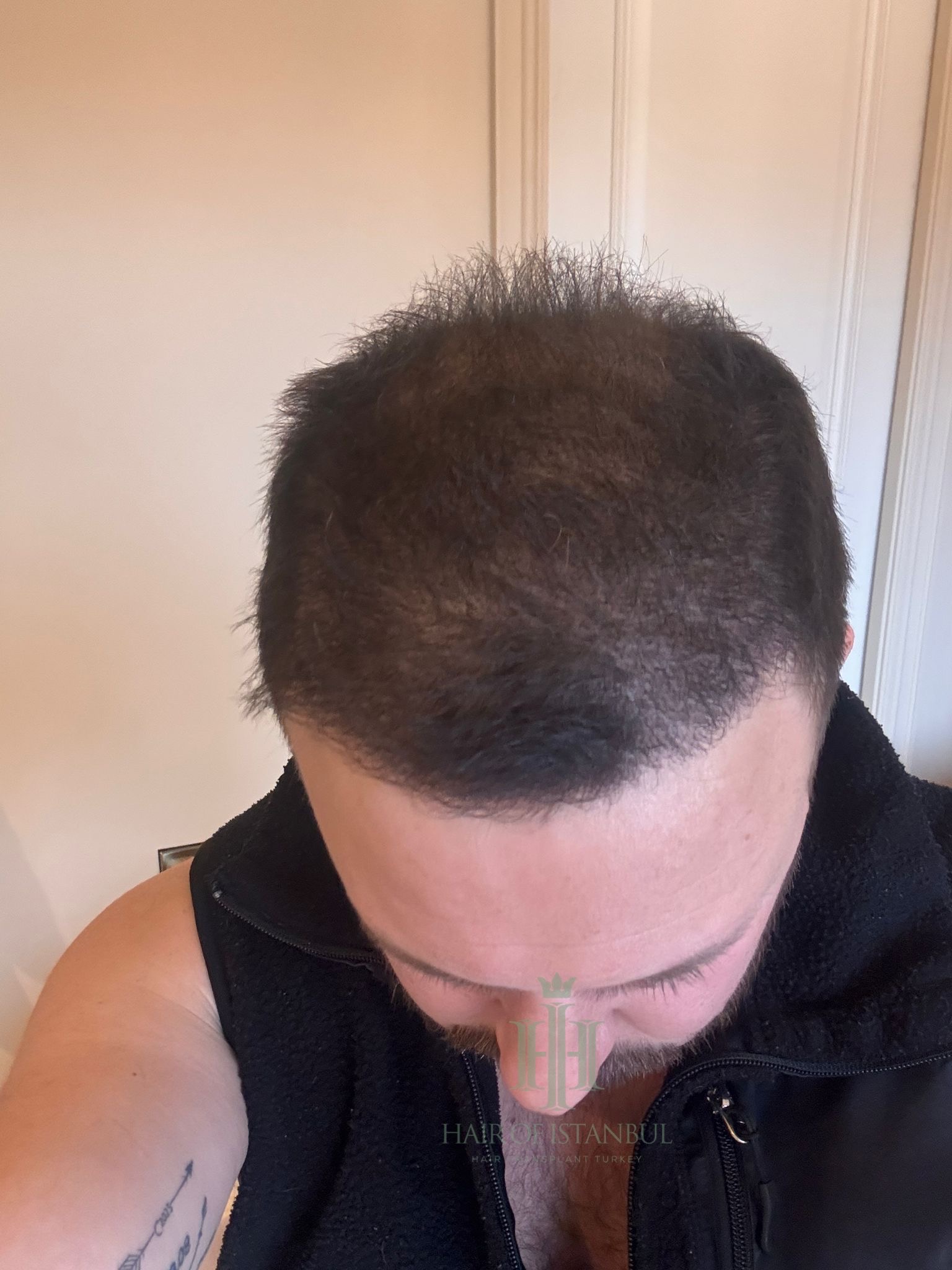
- Months 6–12+: Density improves, texture matures, and the final result becomes more visible.
A detailed, stage-by-stage description is available in the hair transplant recovery timeline, which is helpful to review before travelling so you know what to expect after you return home.
Is a Hair Transplant in Turkey Safe?
Safety depends less on the country and more on the specific clinic, medical team, and adherence to standards. In Turkey, as elsewhere, there is a spectrum—from high-end, medically structured centres to low-cost operations with minimal oversight.
To improve safety:
- Verify that the surgeon is appropriately trained in hair restoration or related fields.
- Confirm that the procedure is done in a medical facility with sterile technique.
- Ensure the clinic obtains full medical history and, when necessary, blood tests or consultations.
- Ask about emergency protocols and complication management practices.
Independent public health services also emphasise the importance of using qualified surgeons and regulated clinics for hair transplant surgery, and outline how FUE and FUT work, what risks exist, and what realistic results look like. For a neutral overview of hair transplant procedures and their risks, you can review the NHS hair transplant guidance.
Managing Expectations: What a Hair Transplant Turkey Can and Cannot Do
A well-planned hair transplant in Turkey can deliver:
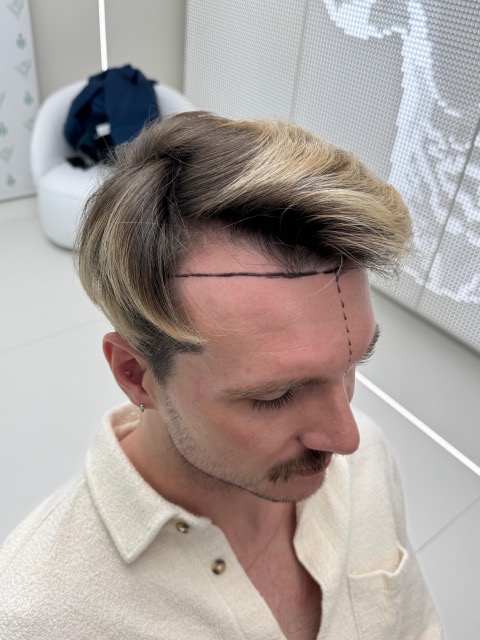
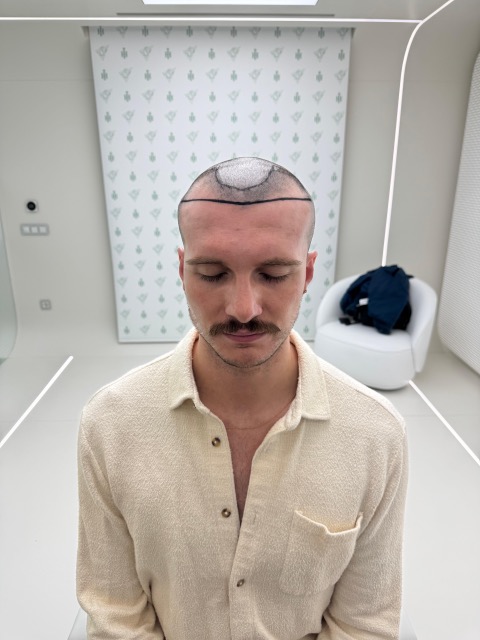
- A more defined and age-appropriate hairline
- Improved density in the frontal and mid-scalp regions
- Better coverage in the crown (depending on donor capacity)
- Long-term, natural-looking change in appearance
But no clinic—anywhere in the world—can promise to:
- Recreate your childhood density across the entire scalp with limited donor hair
- Stop all future genetic hair loss in non-transplanted areas
- Guarantee identical results for patients with different hair types and donor conditions
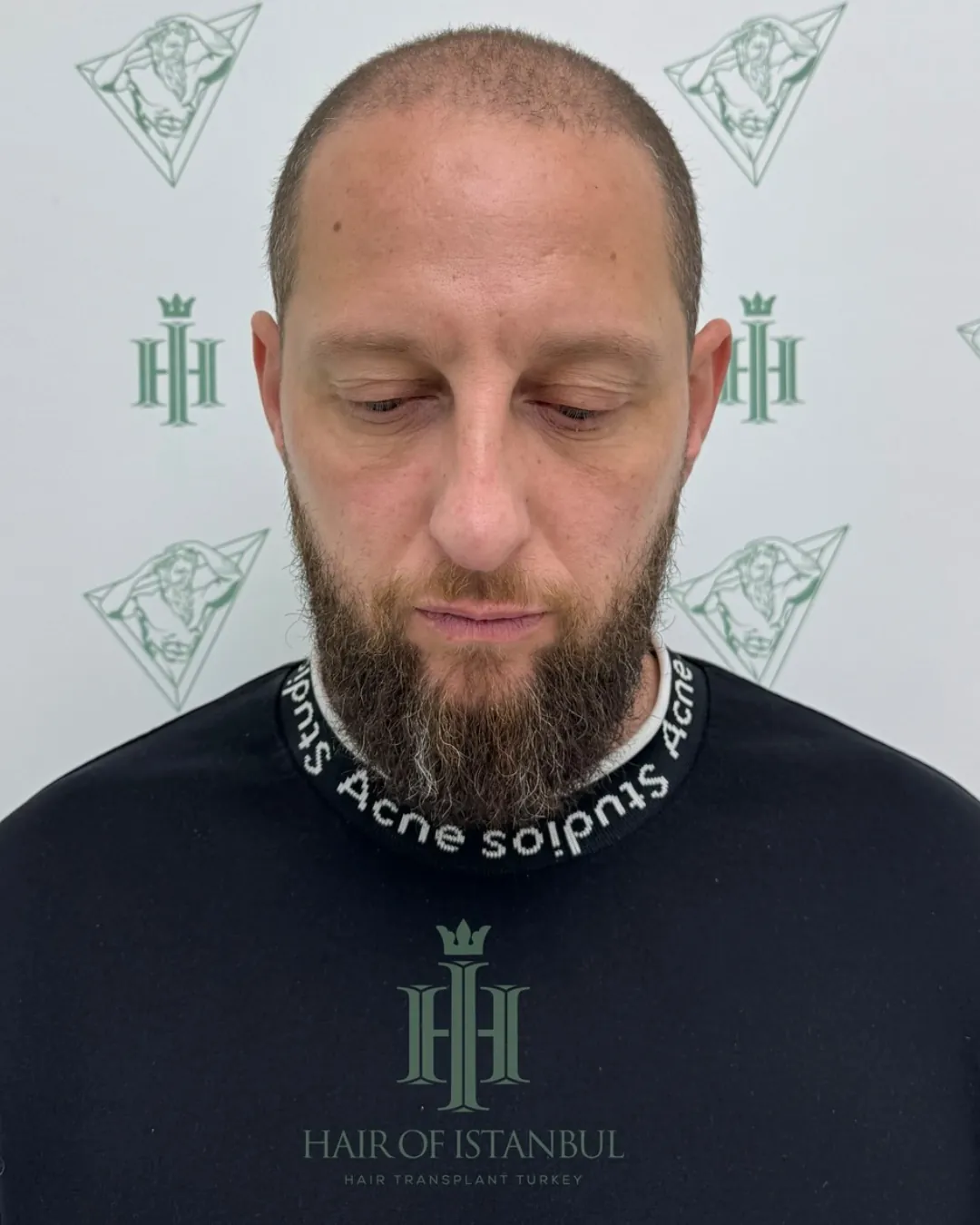
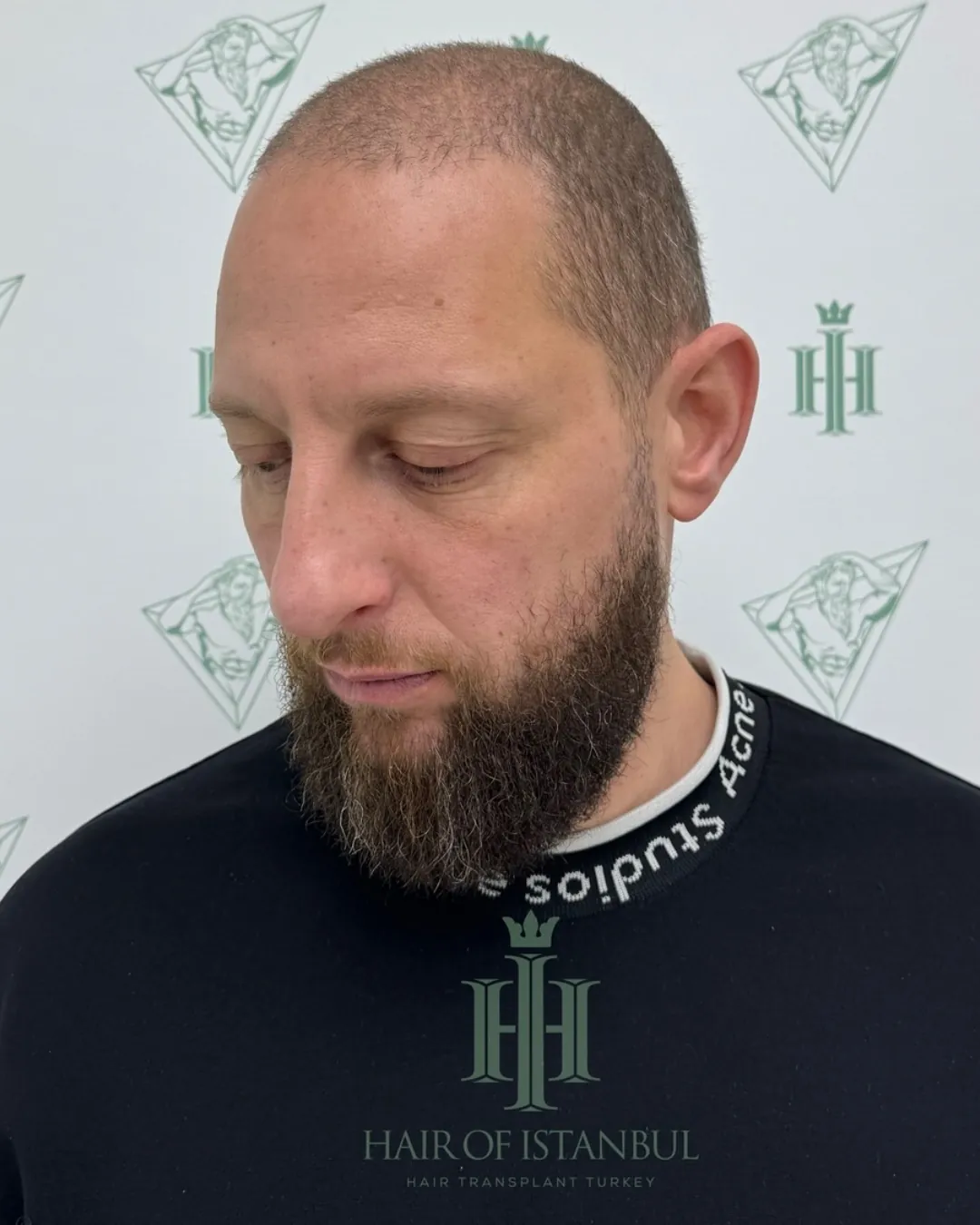
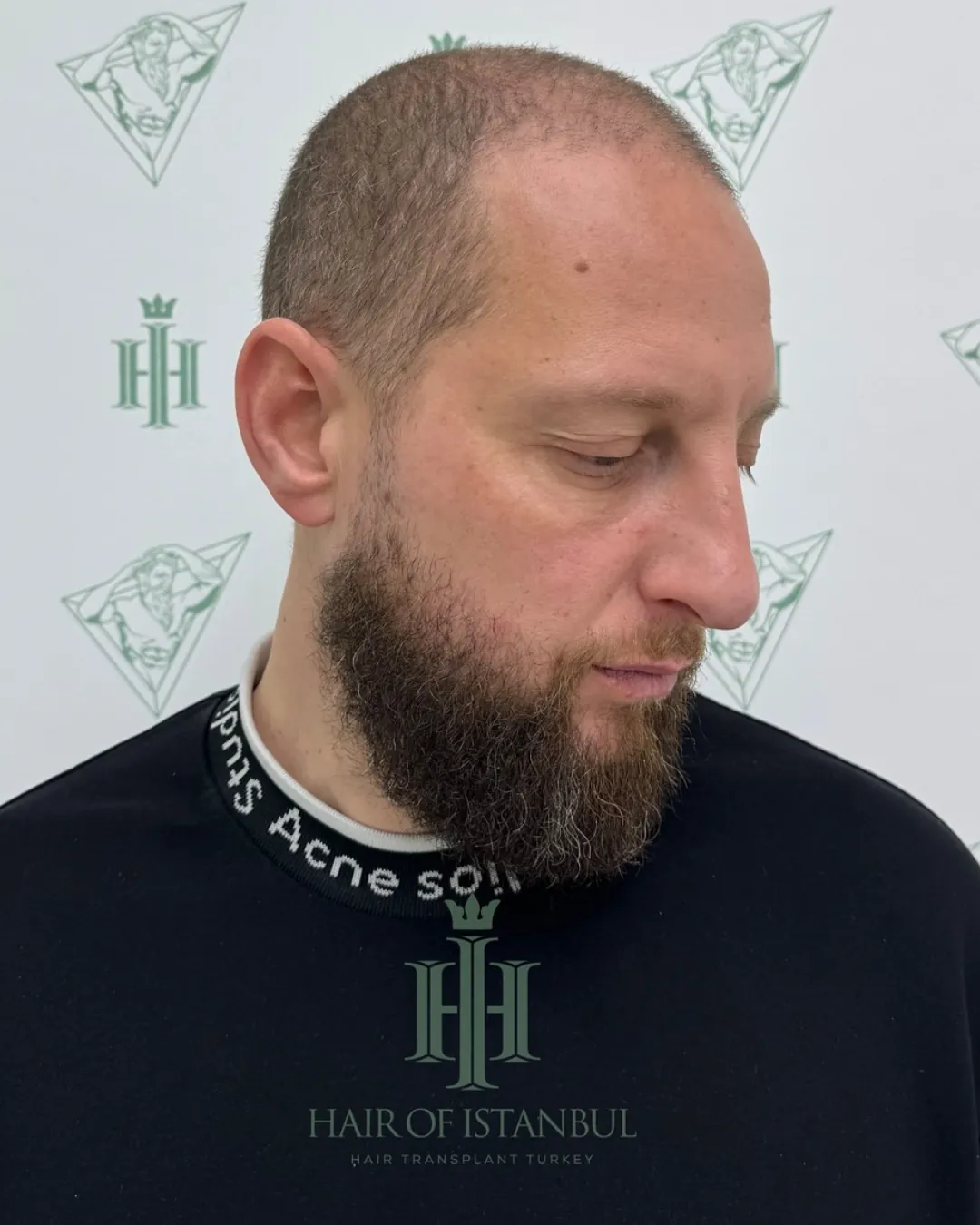
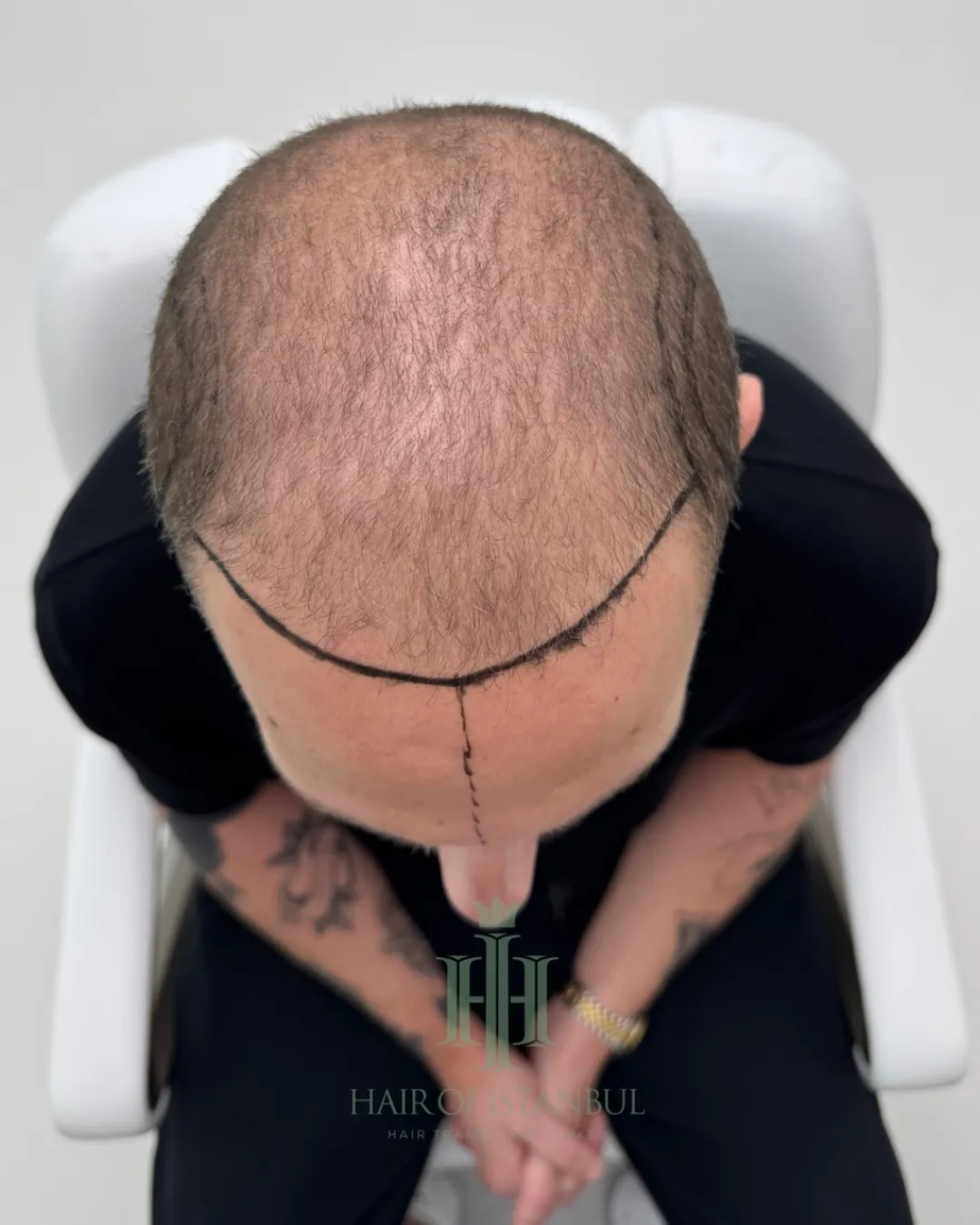
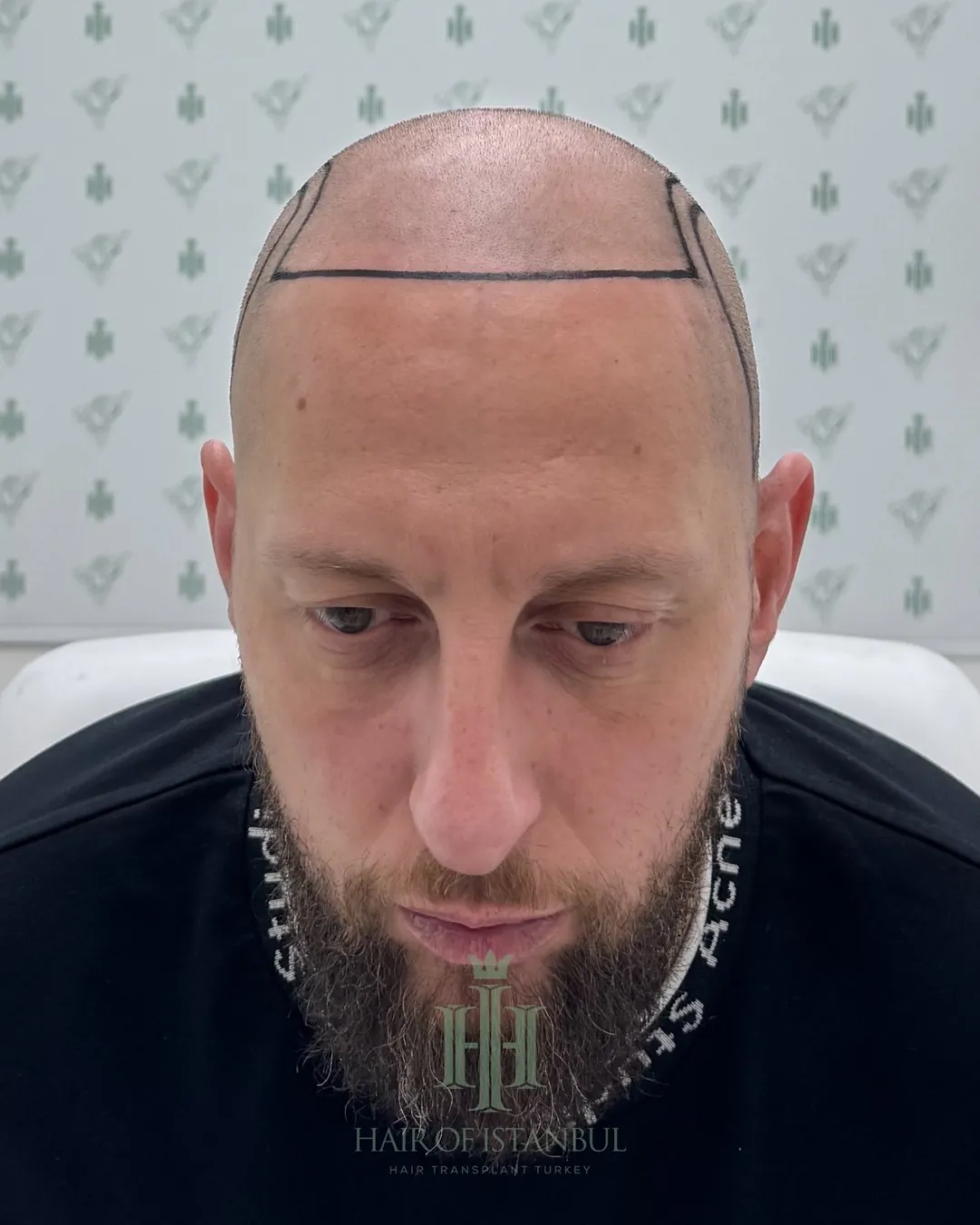
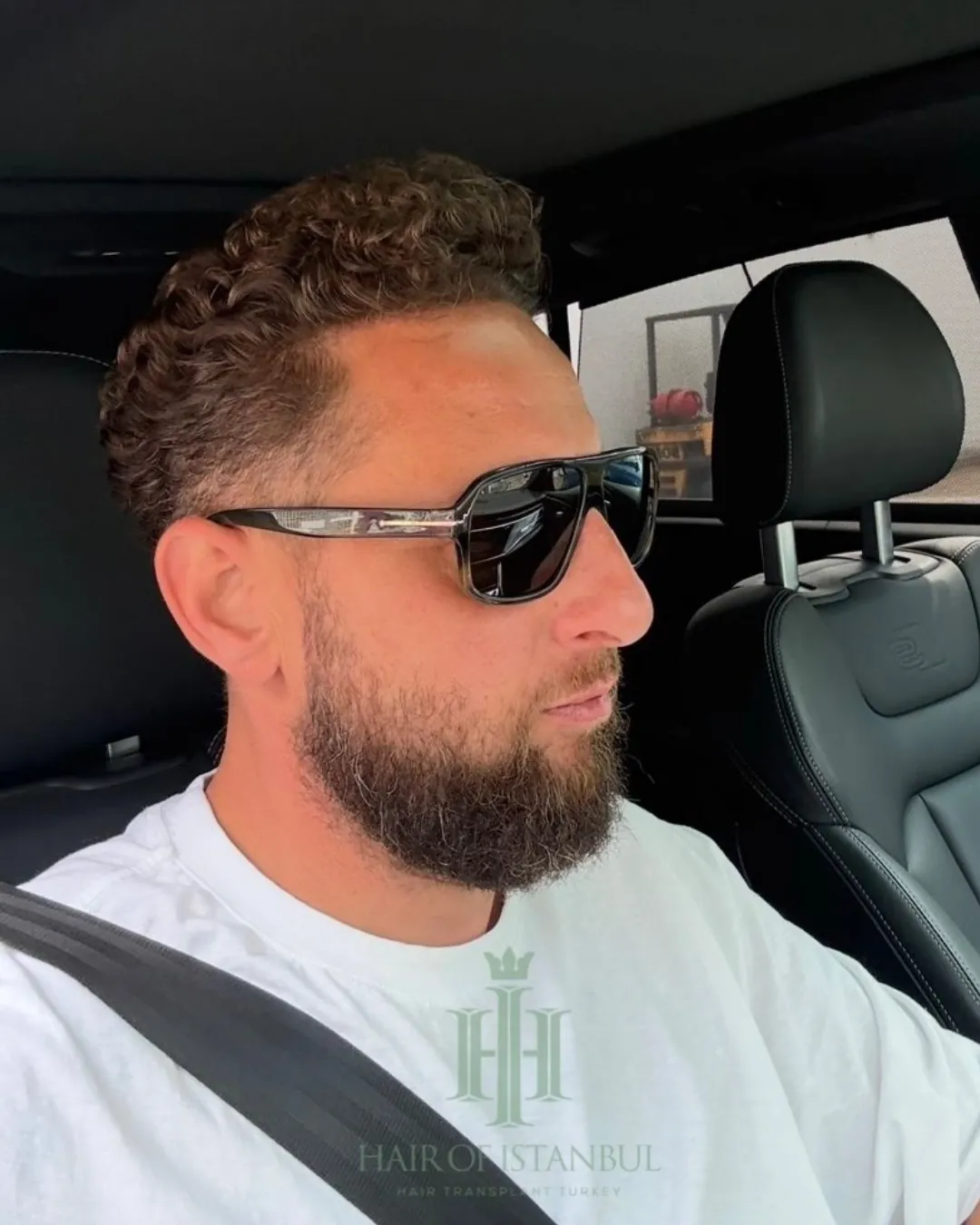
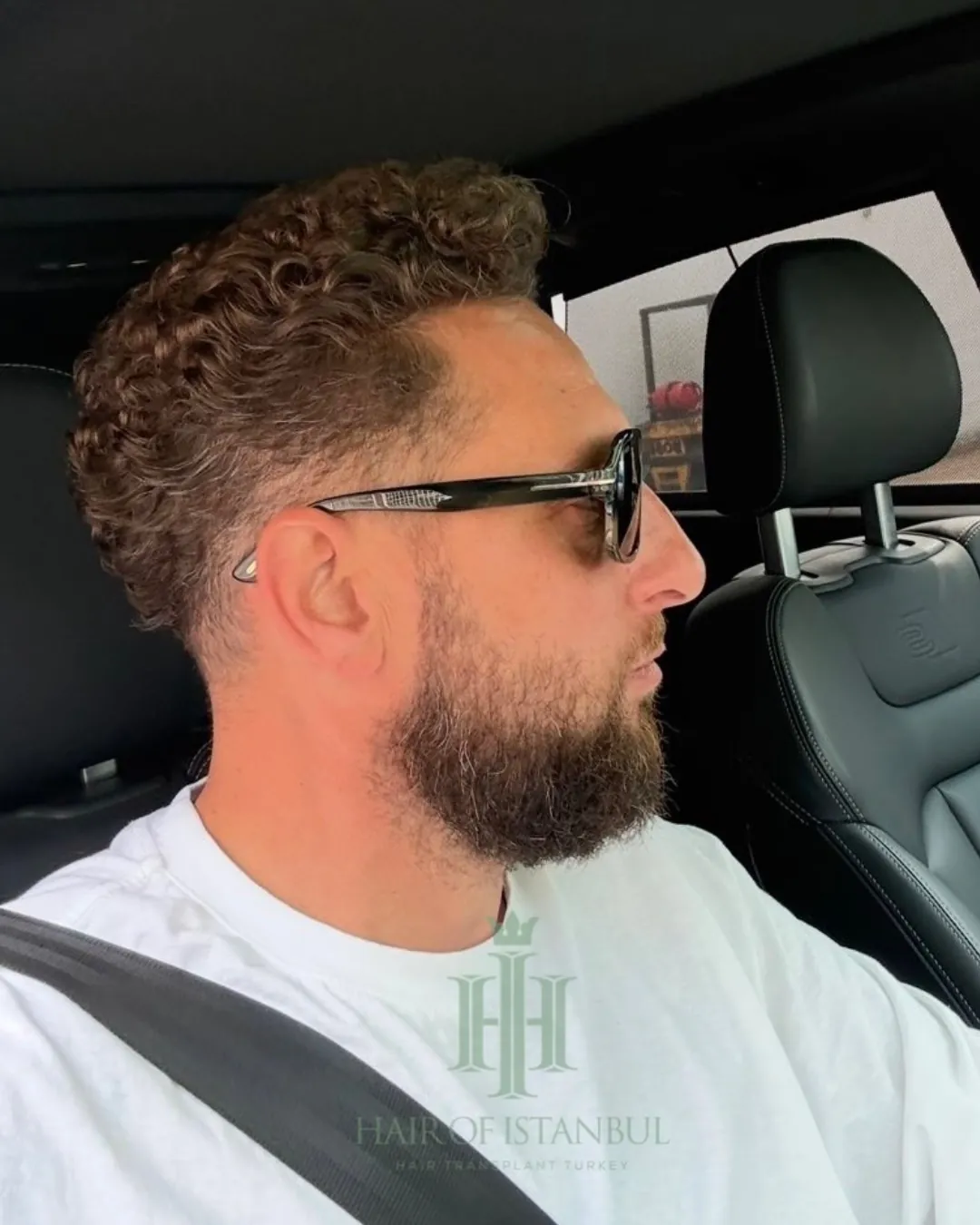
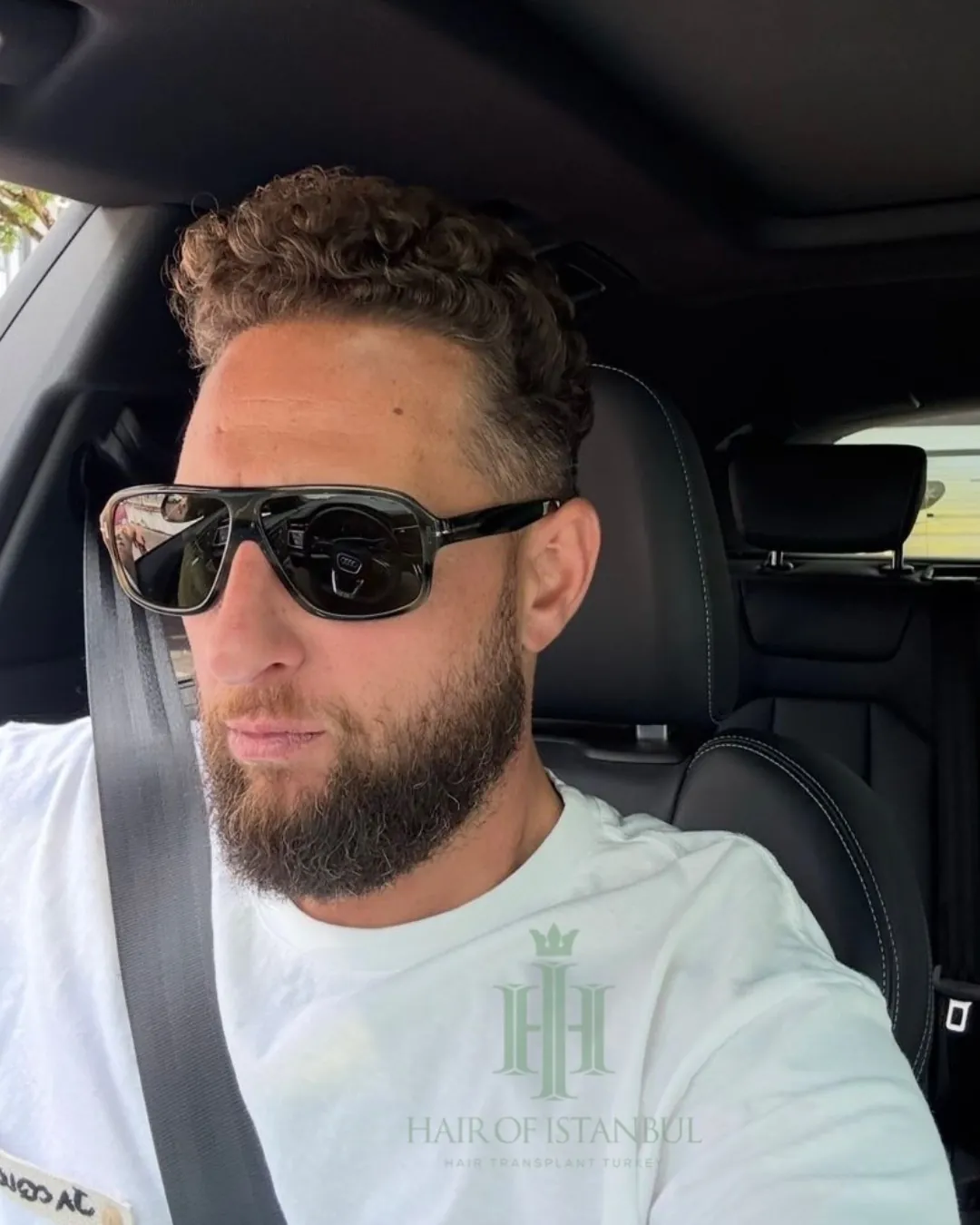
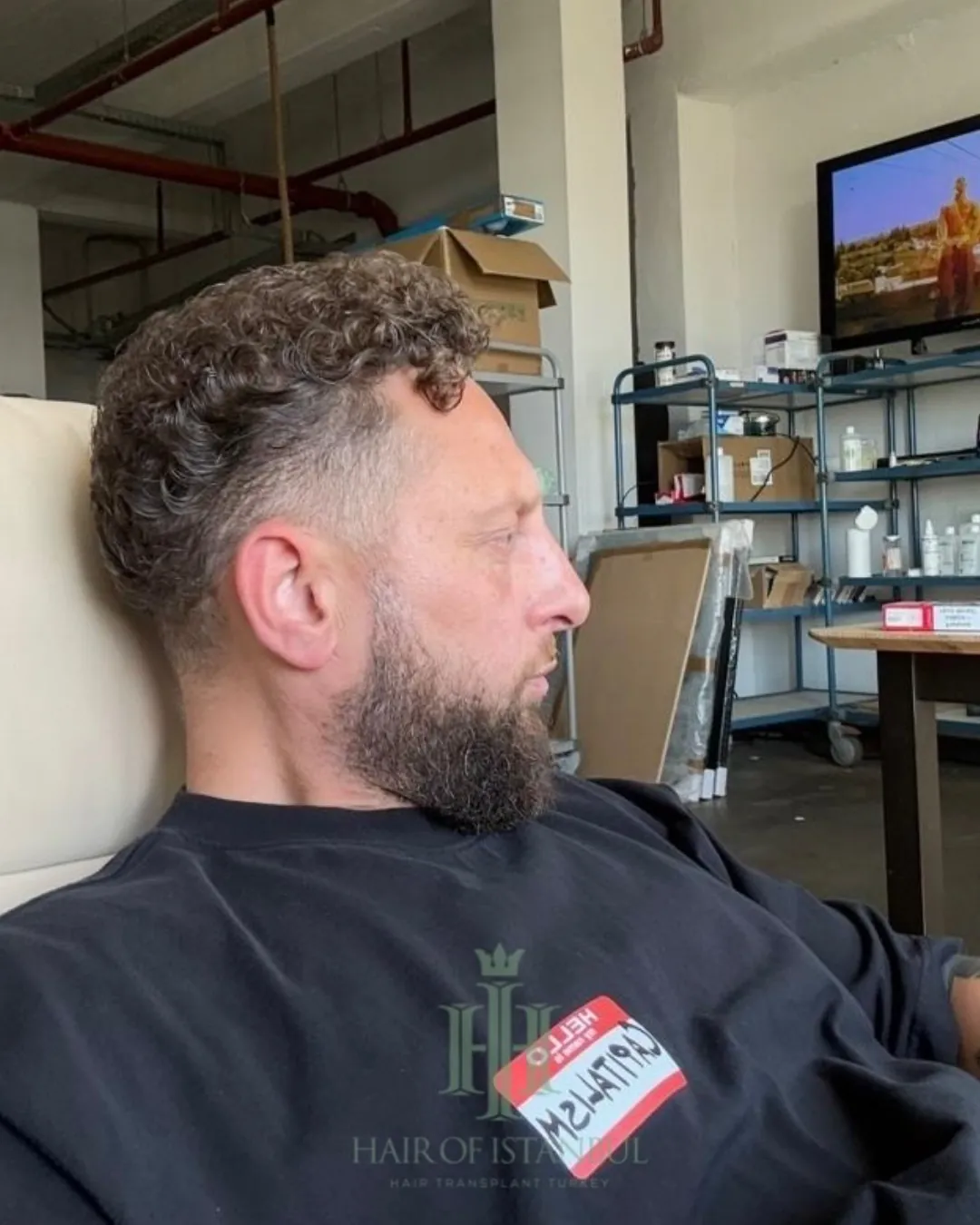
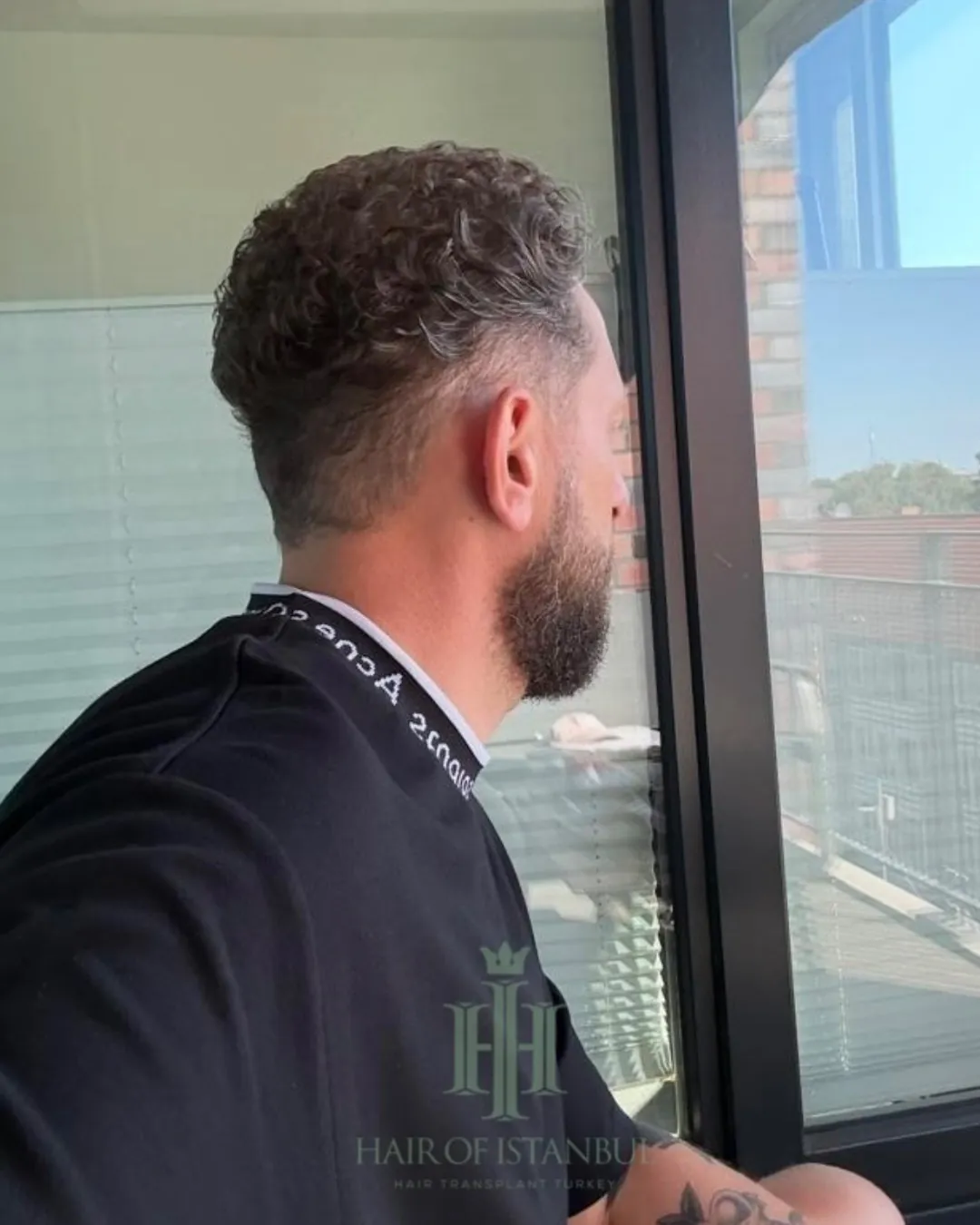
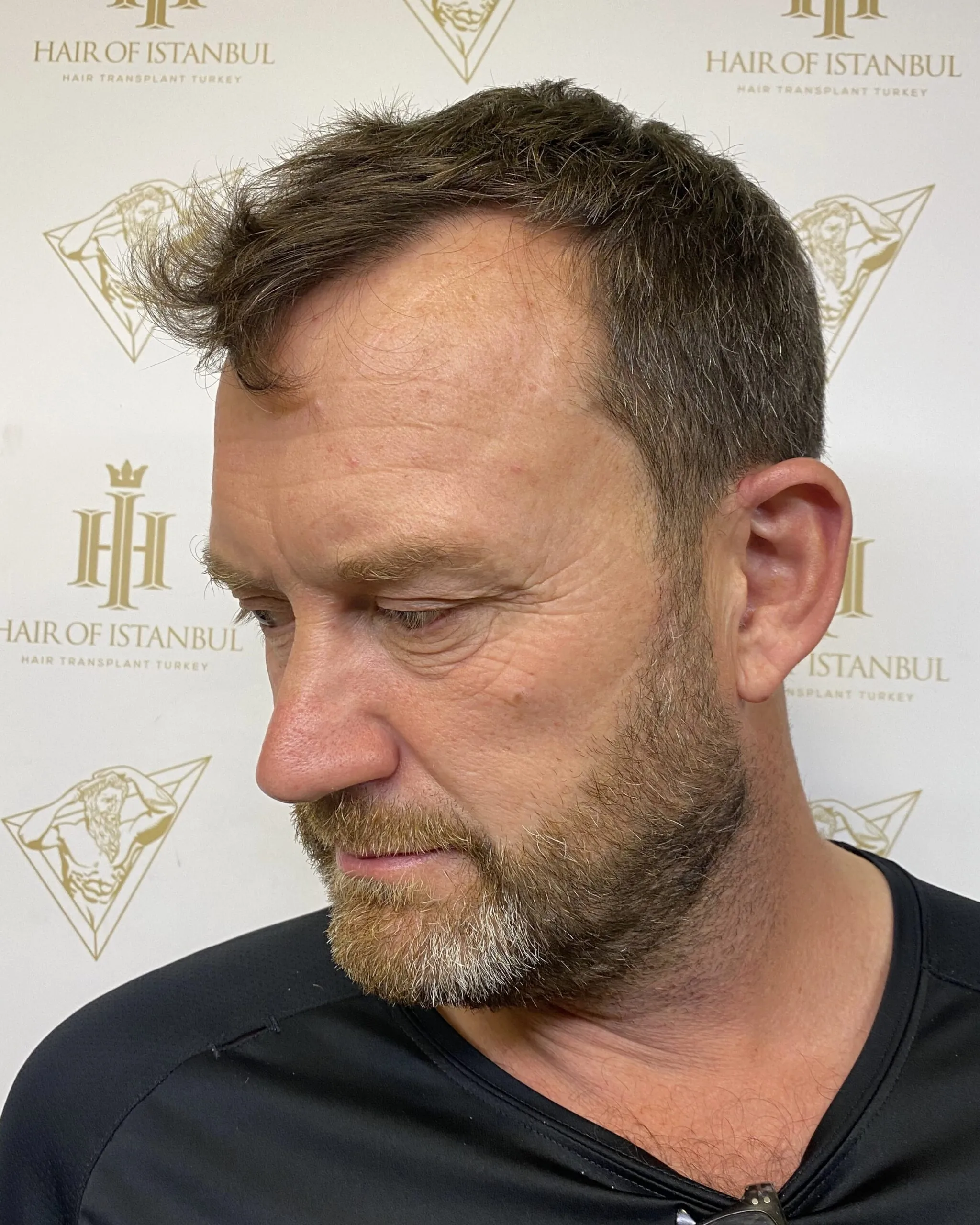
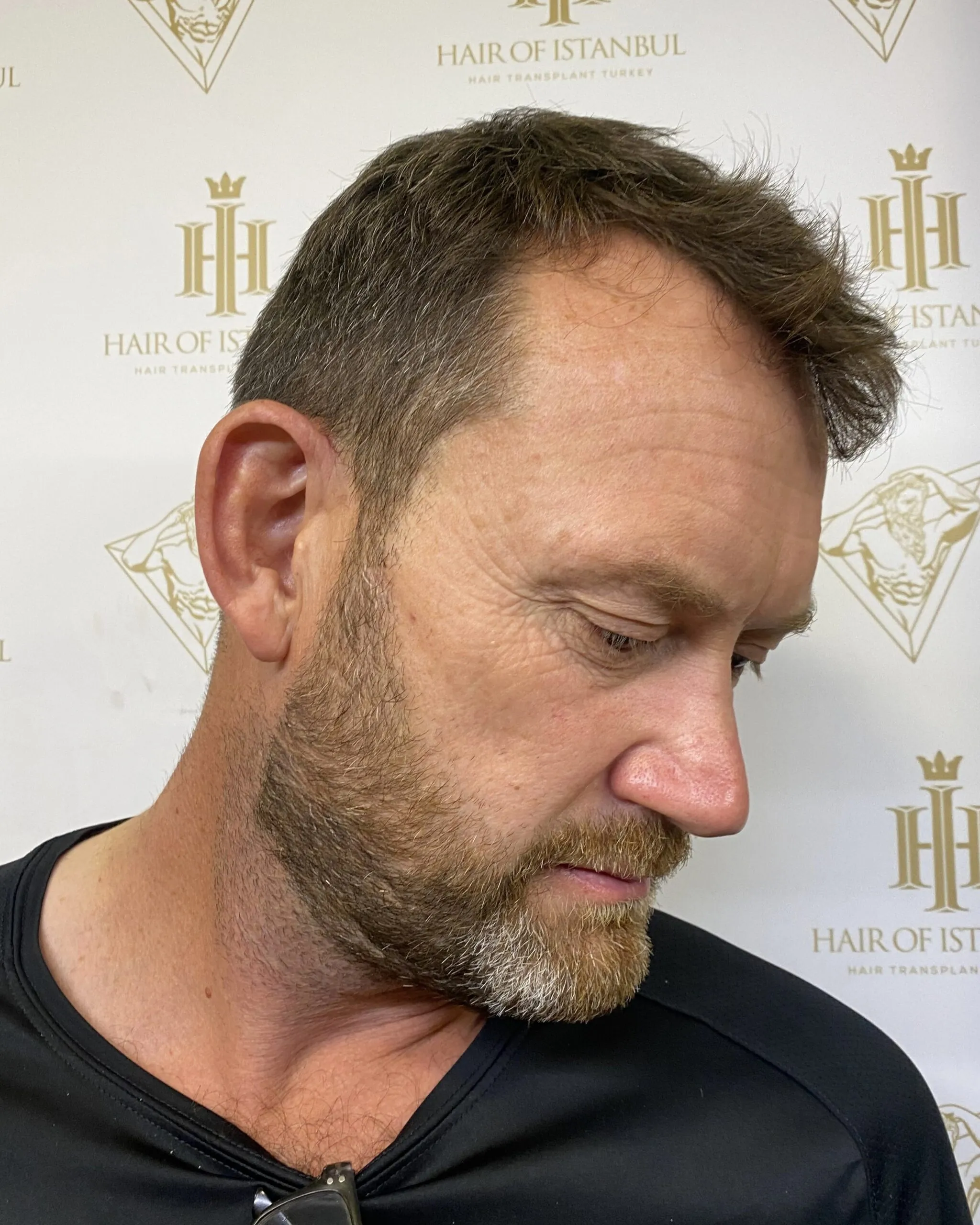
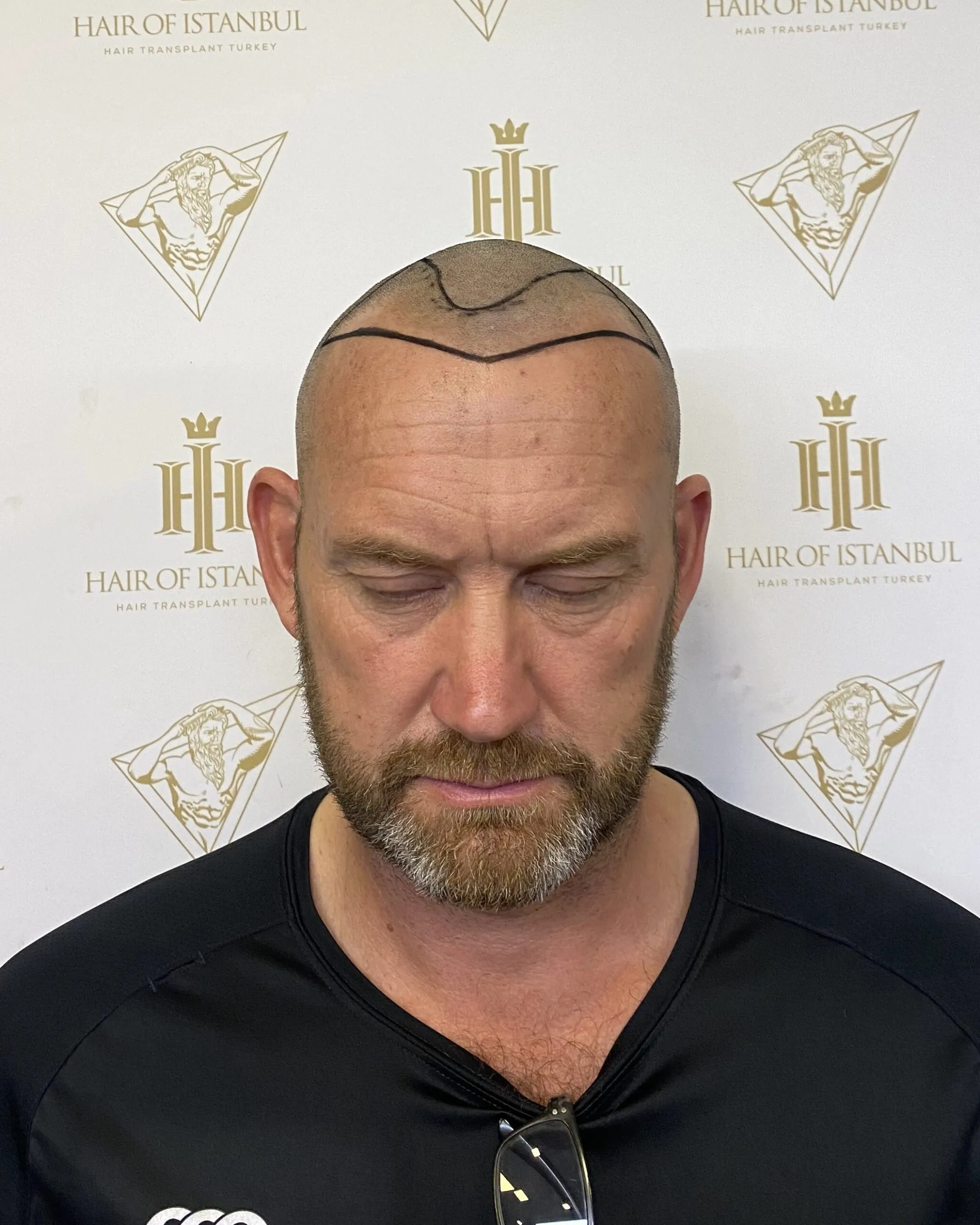
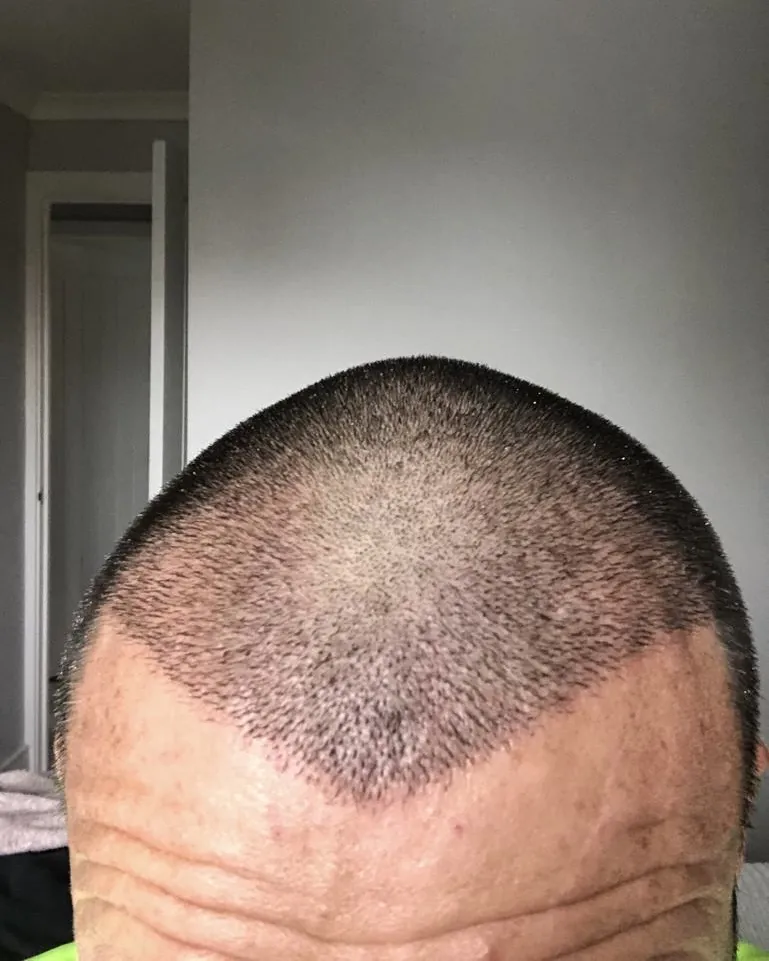
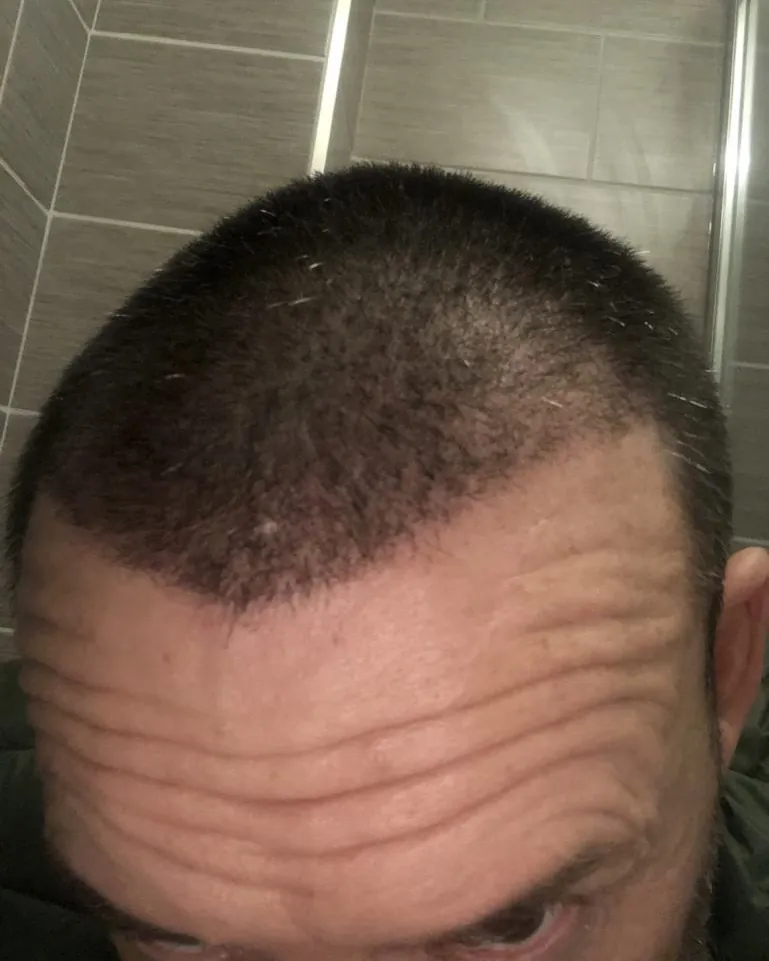
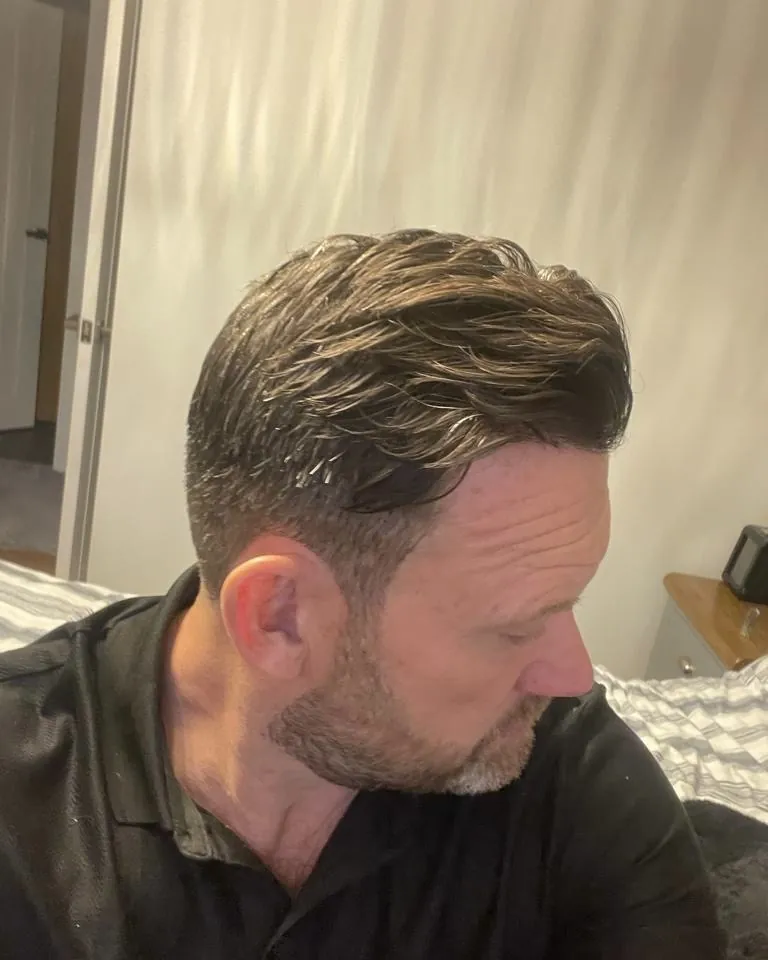
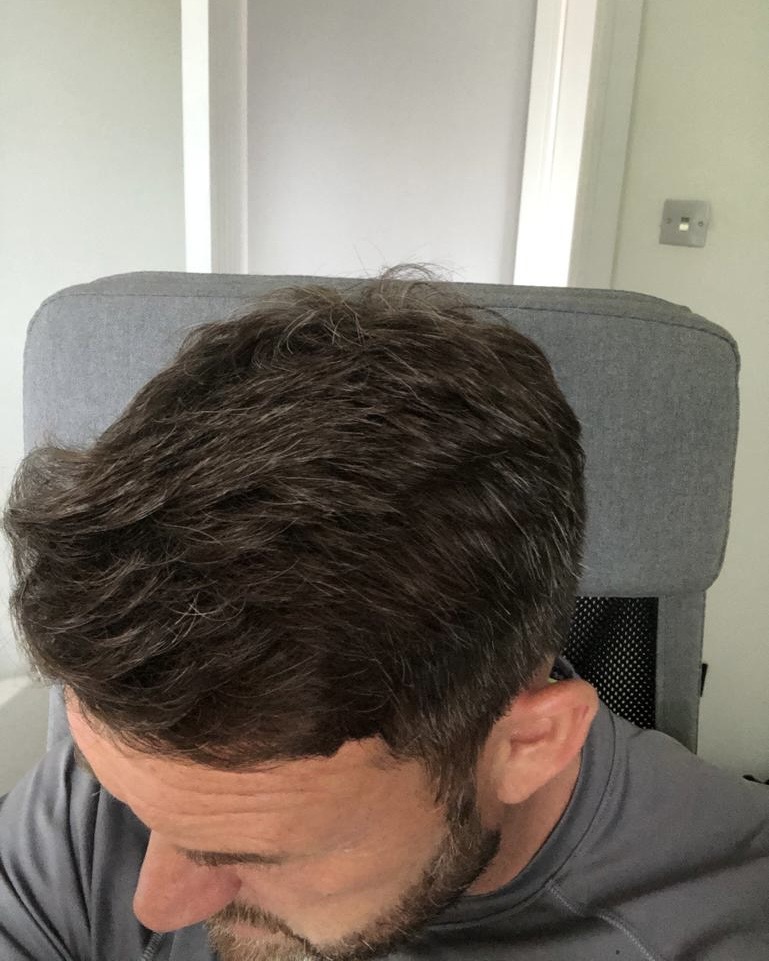
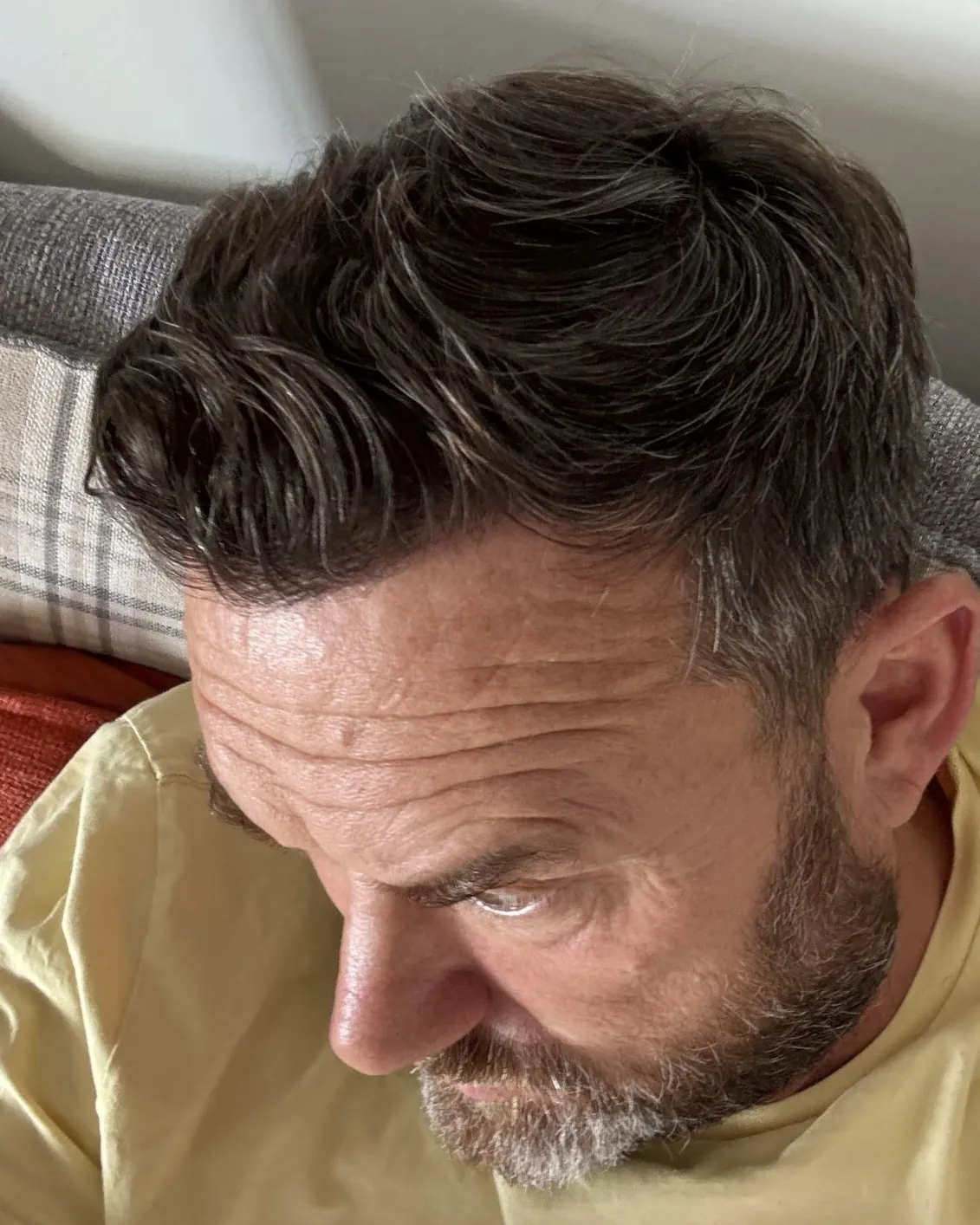
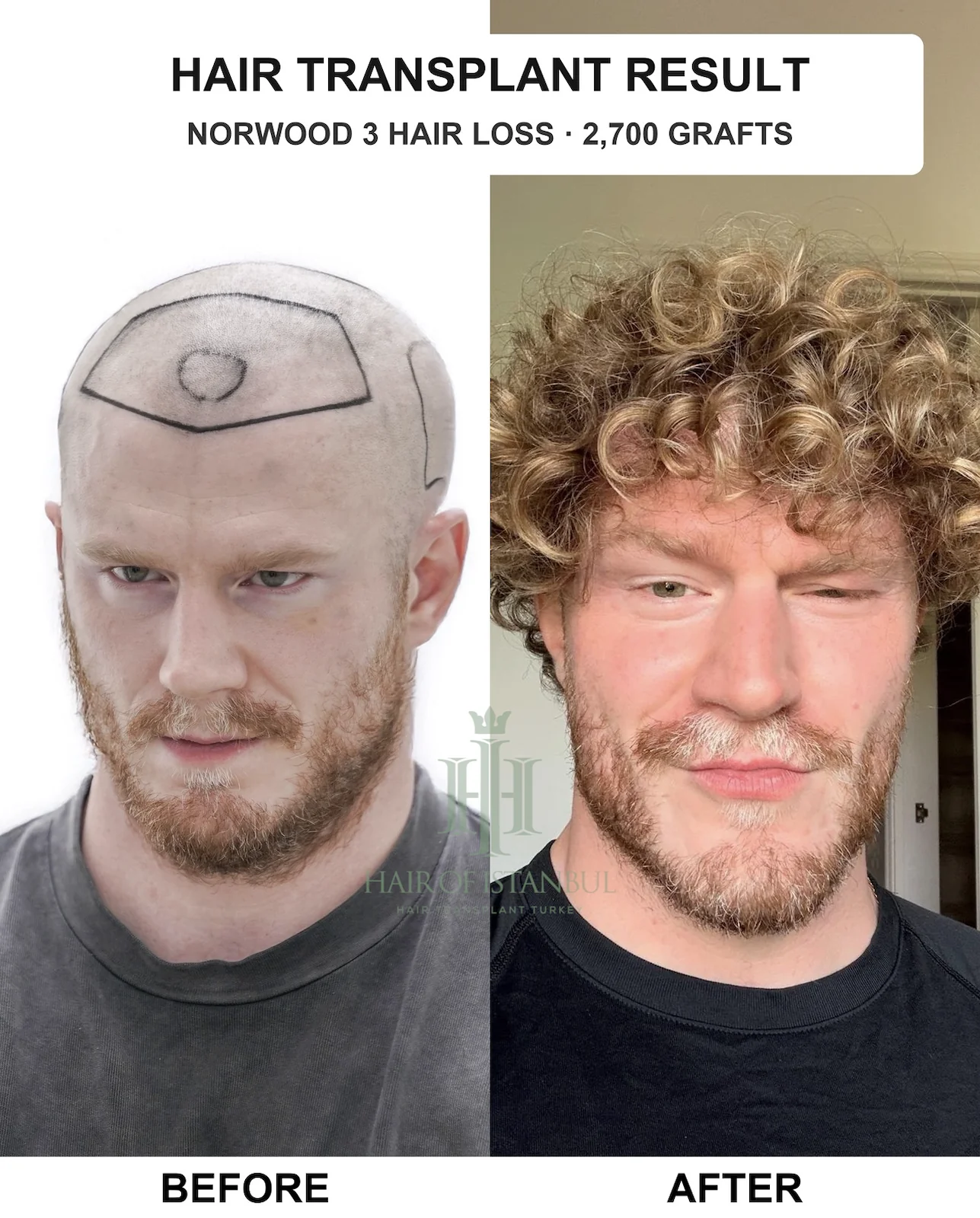
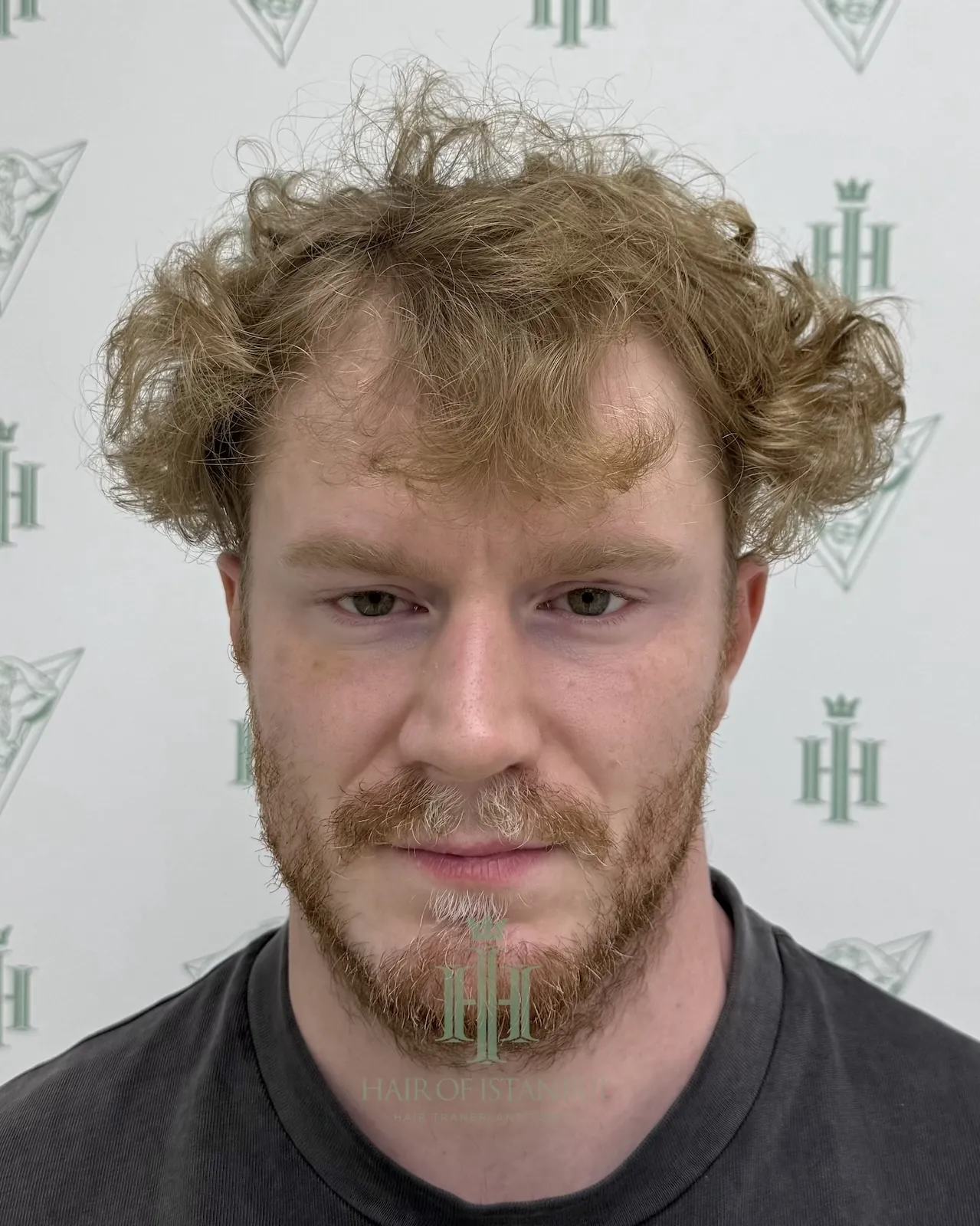
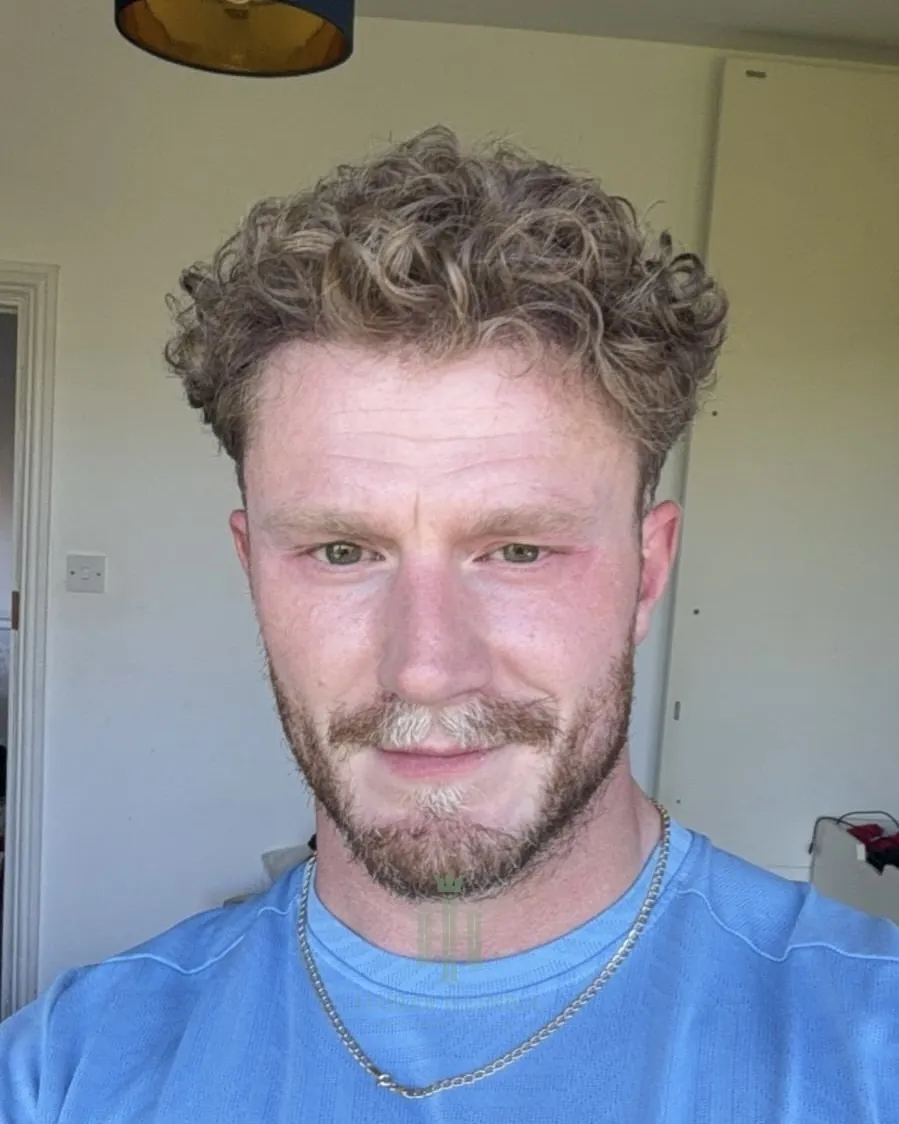
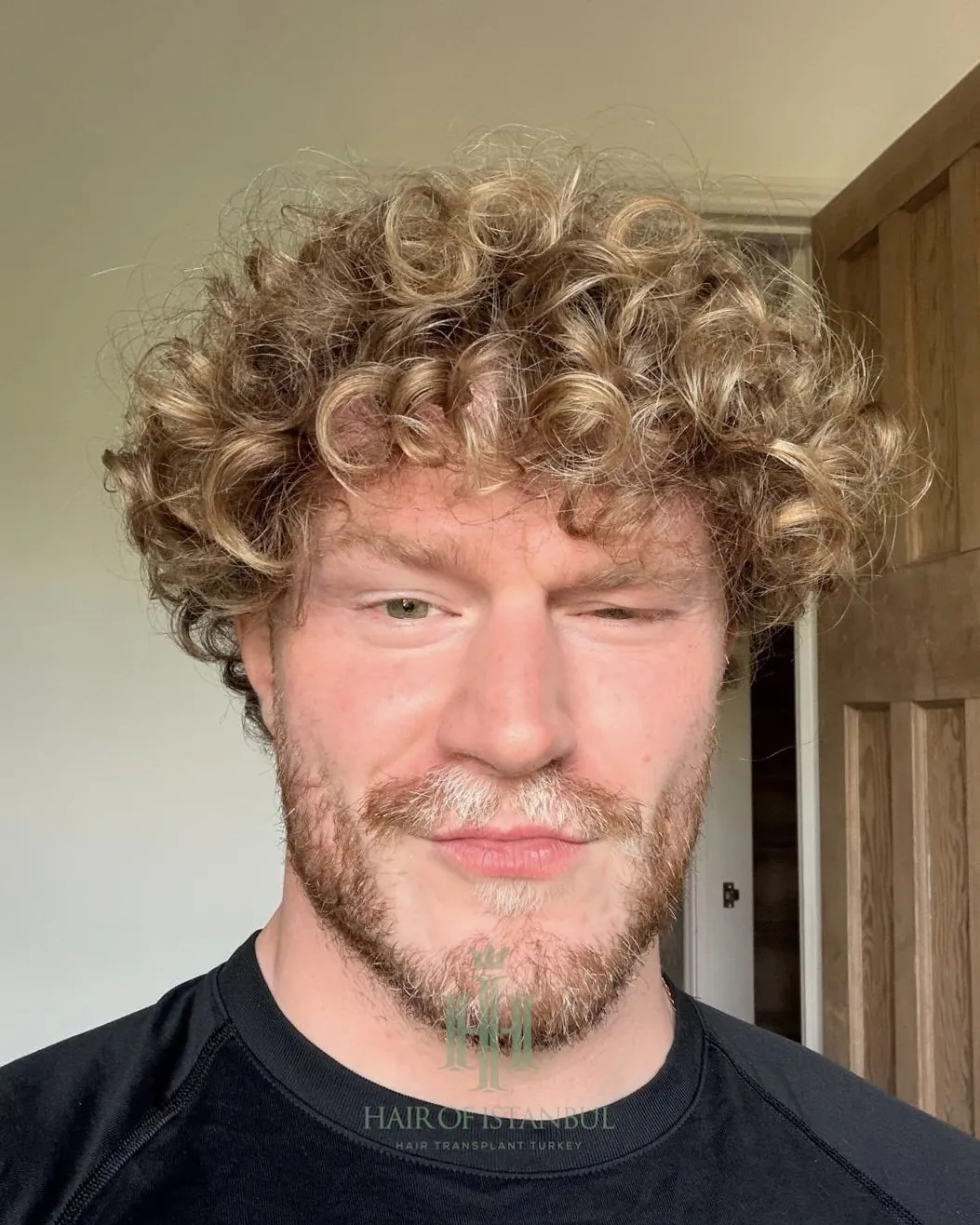
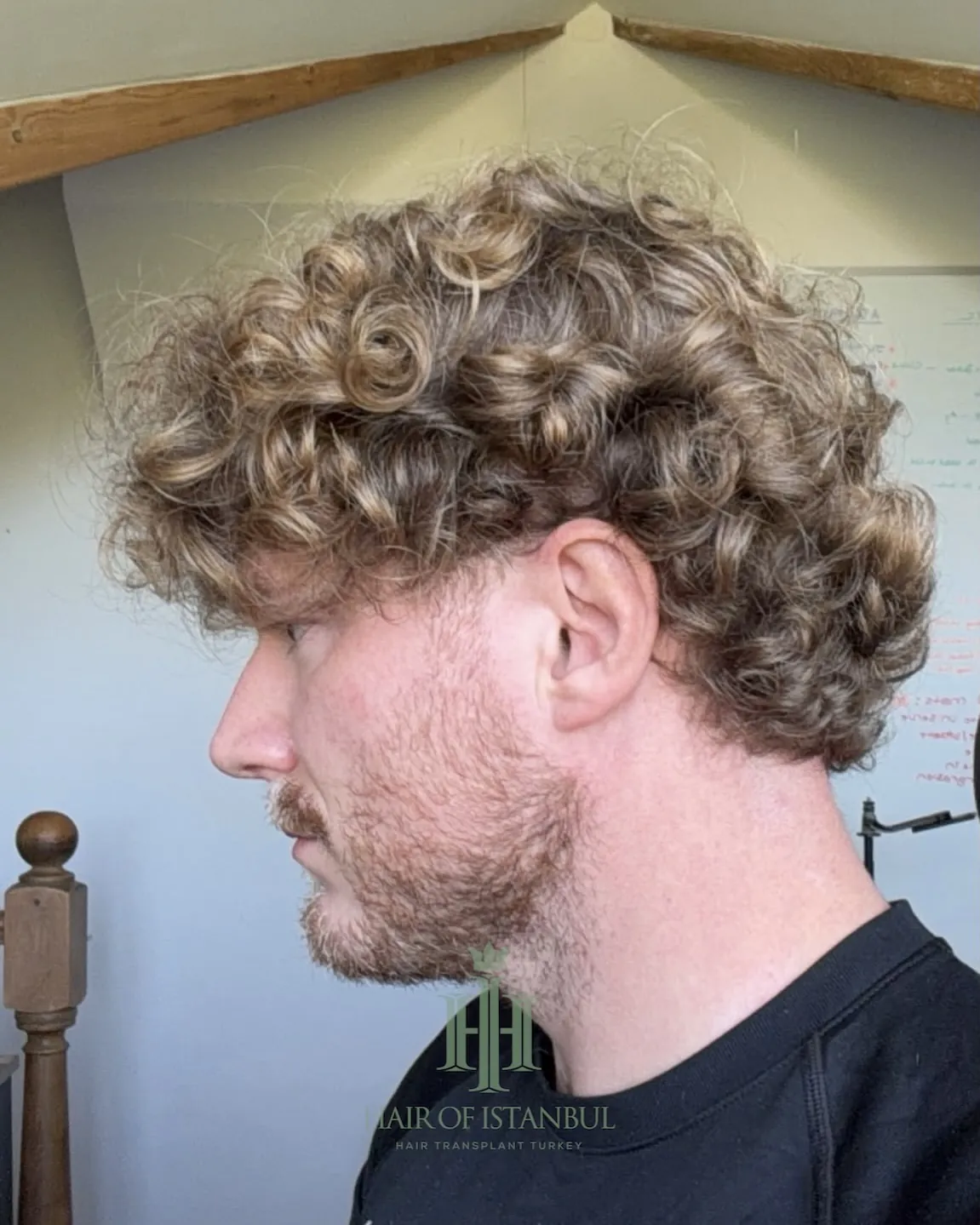
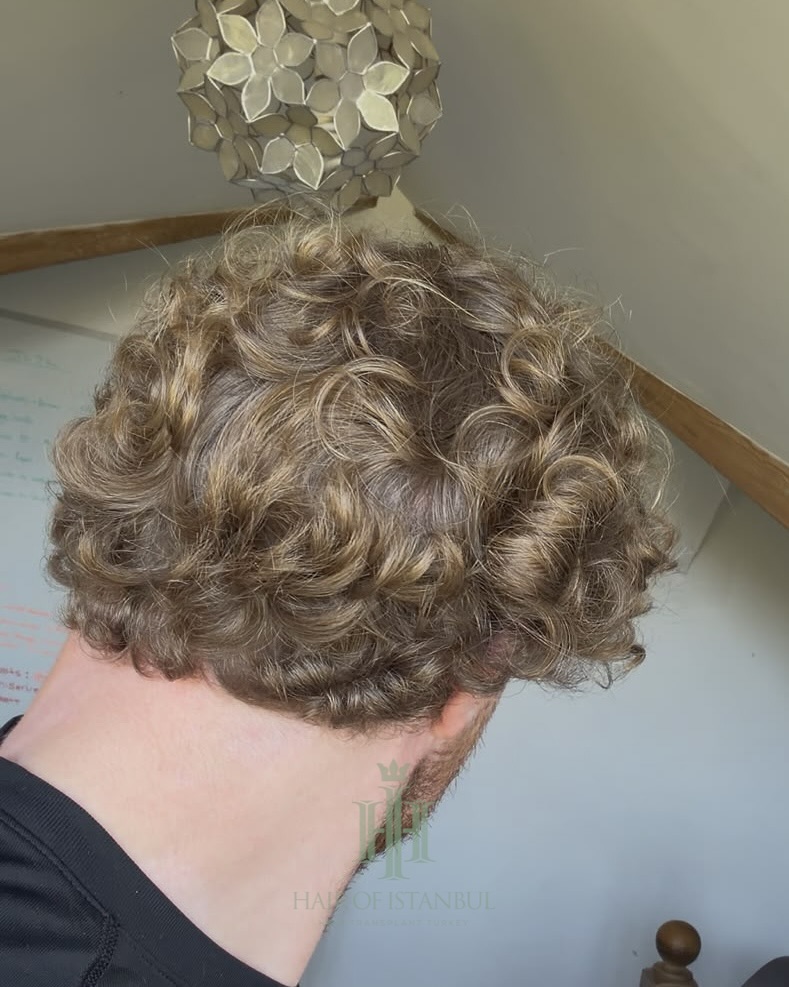
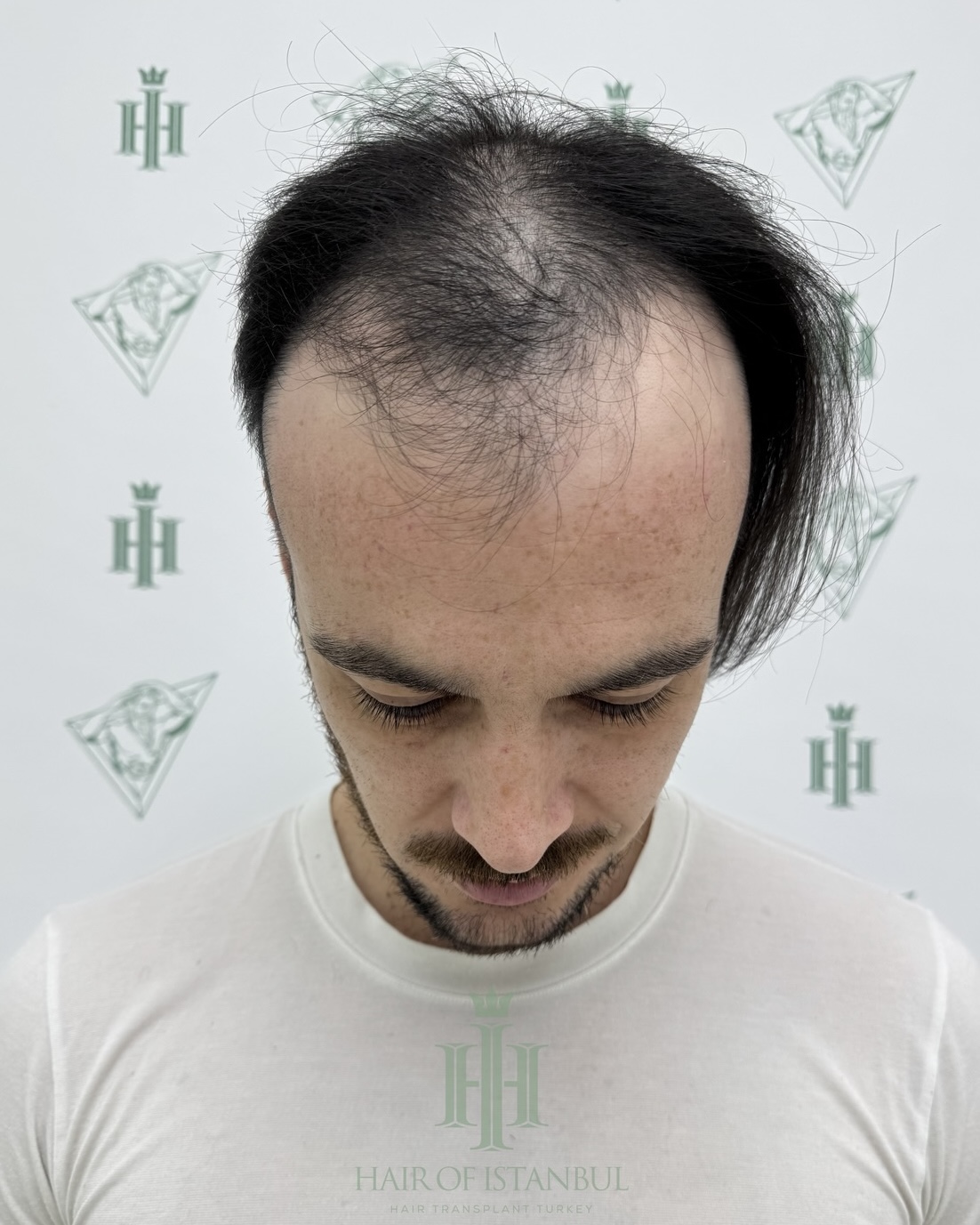
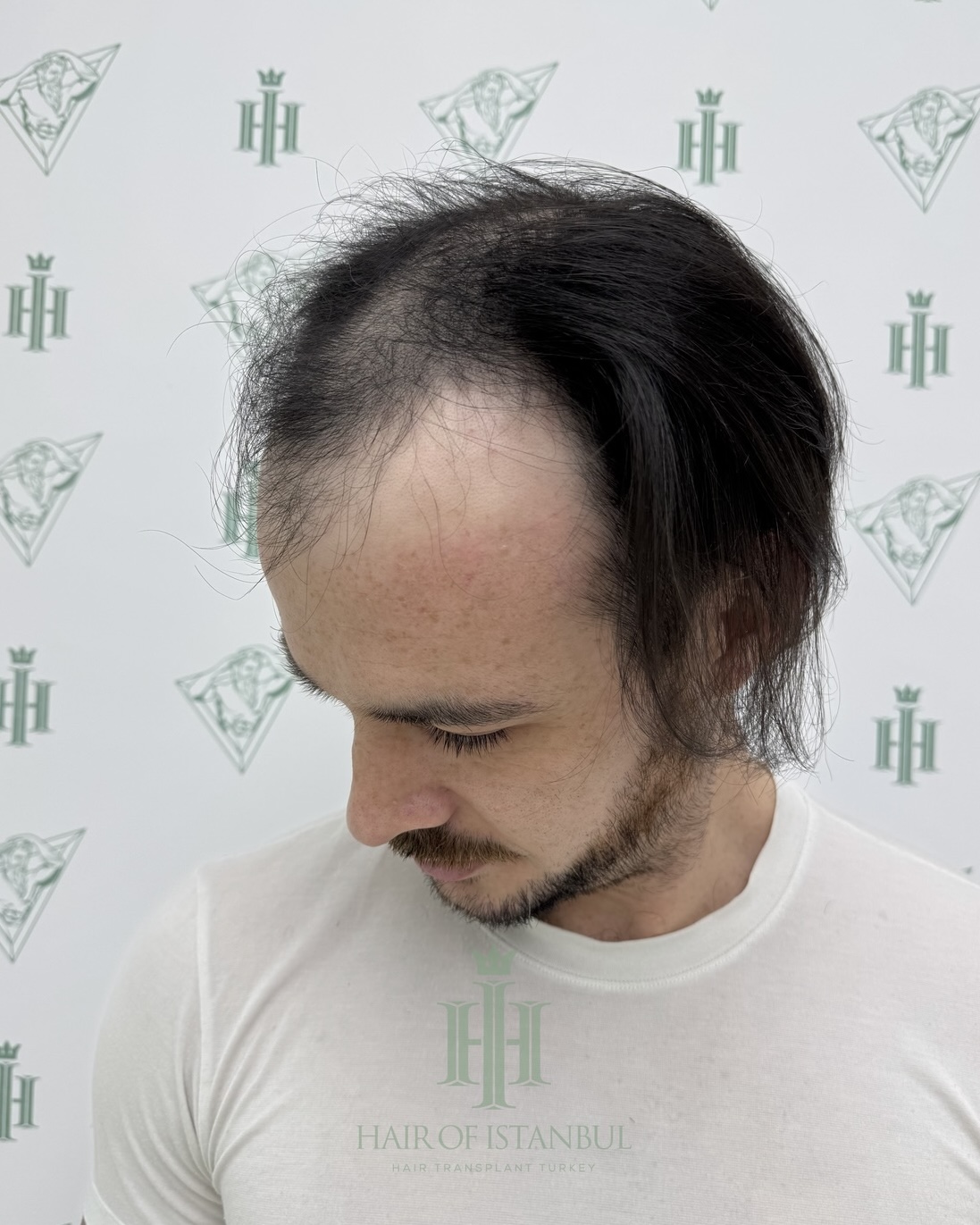
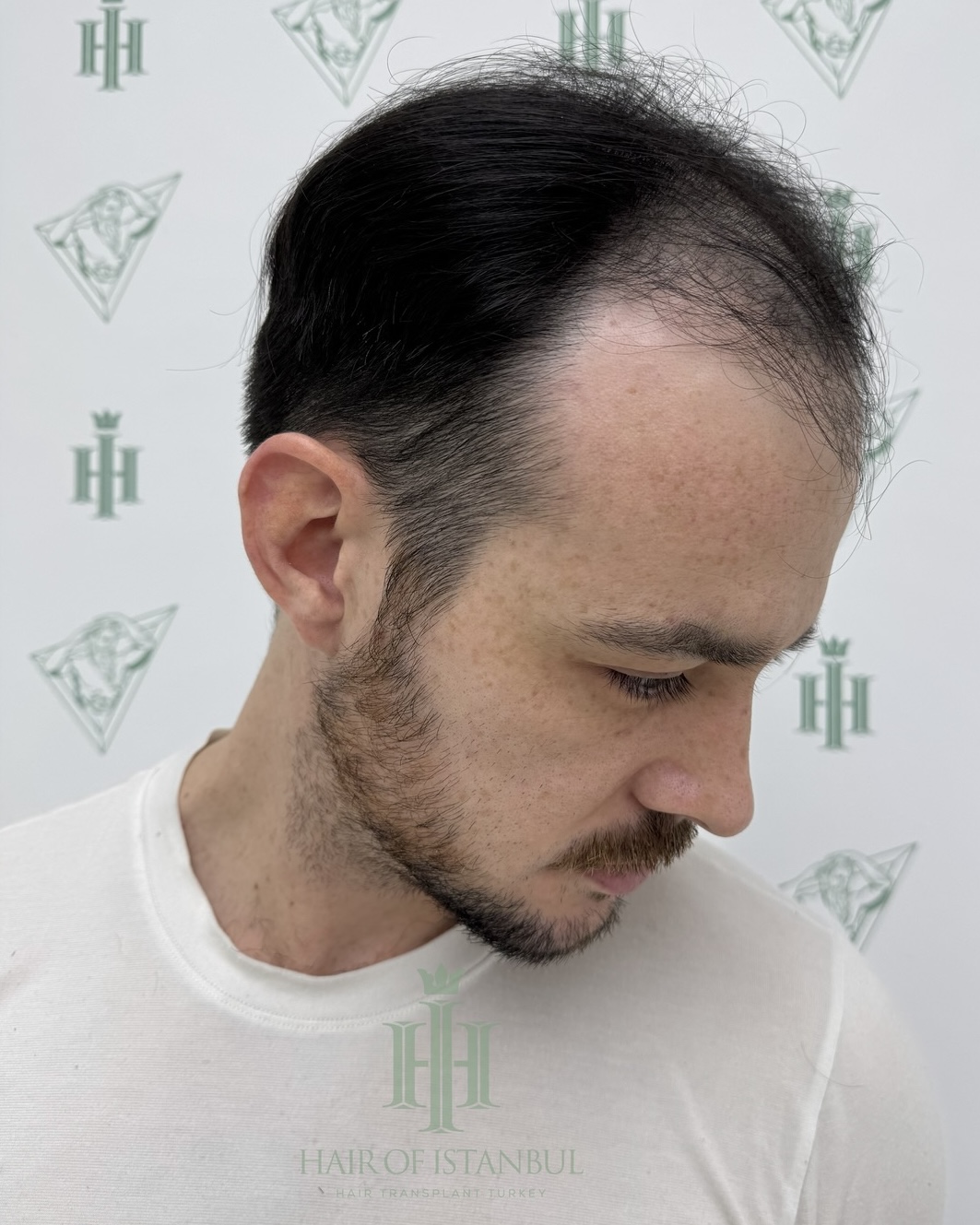
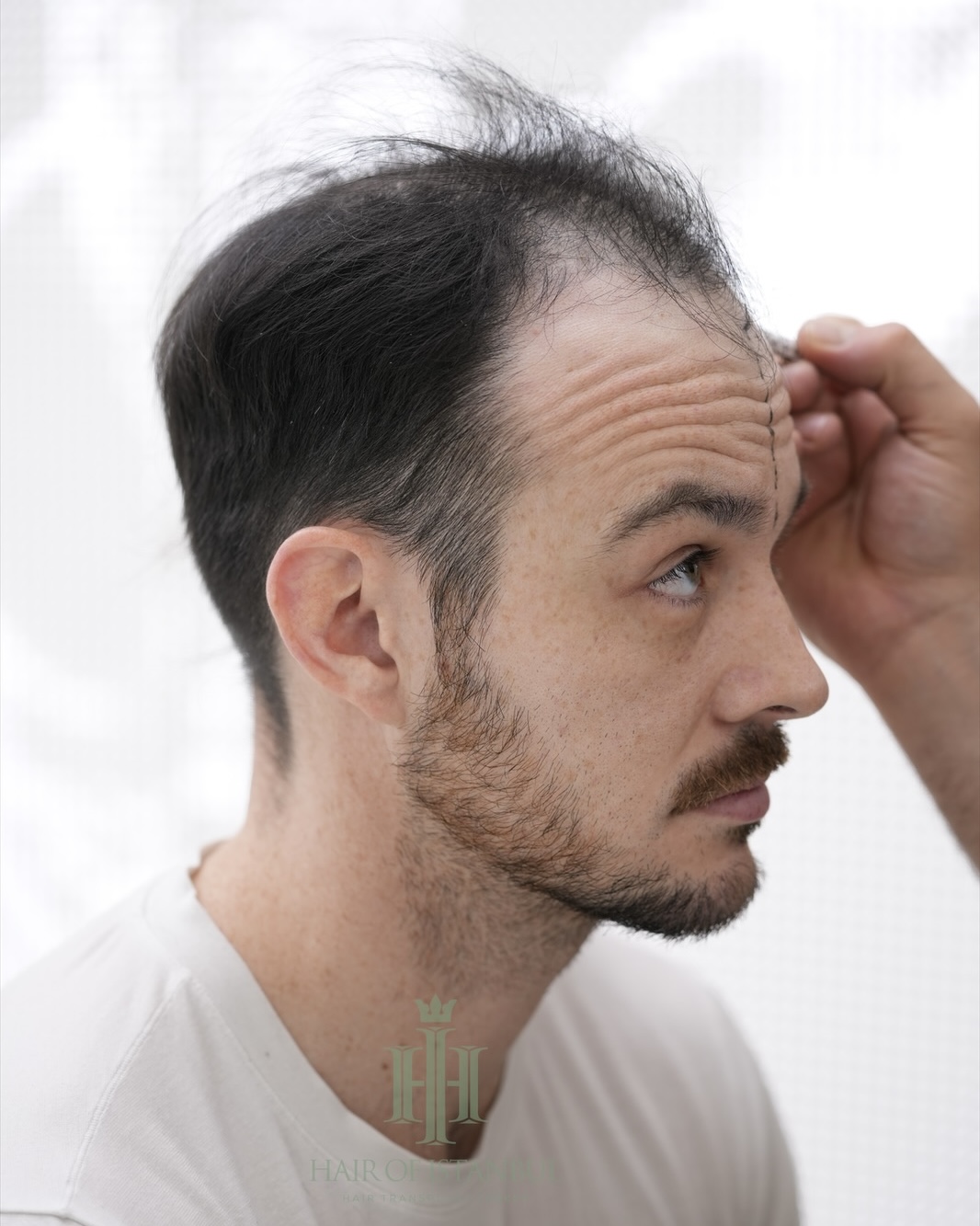
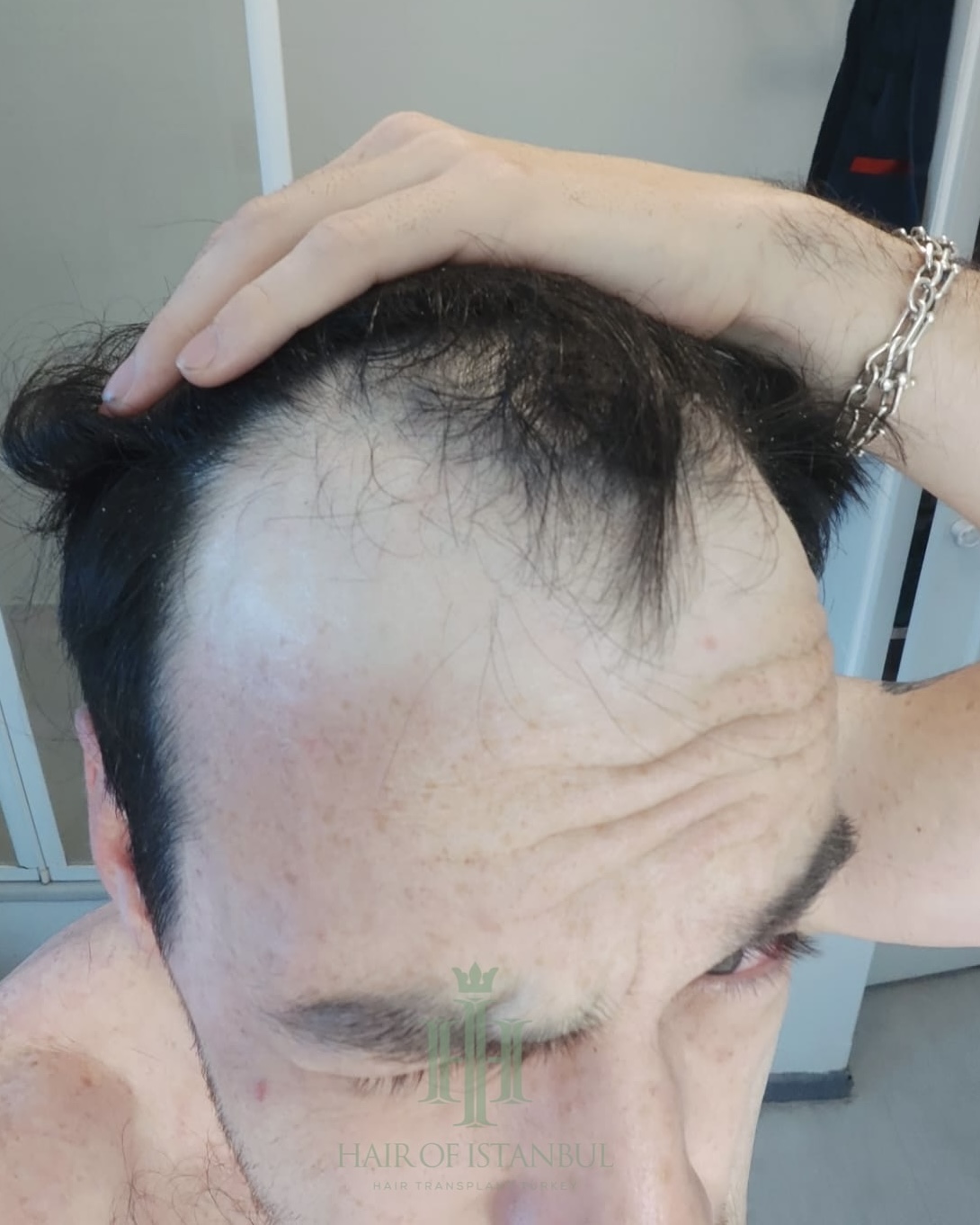
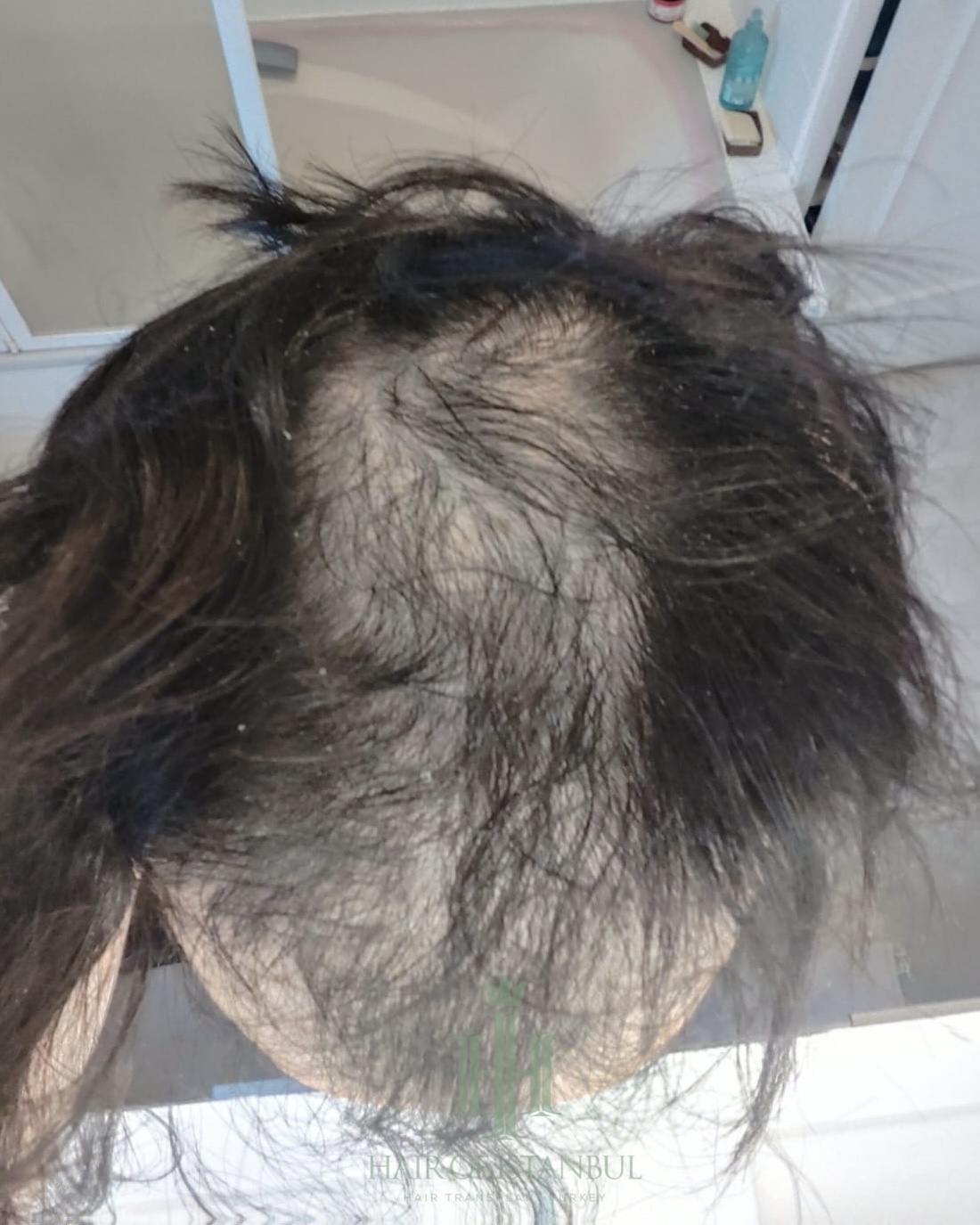
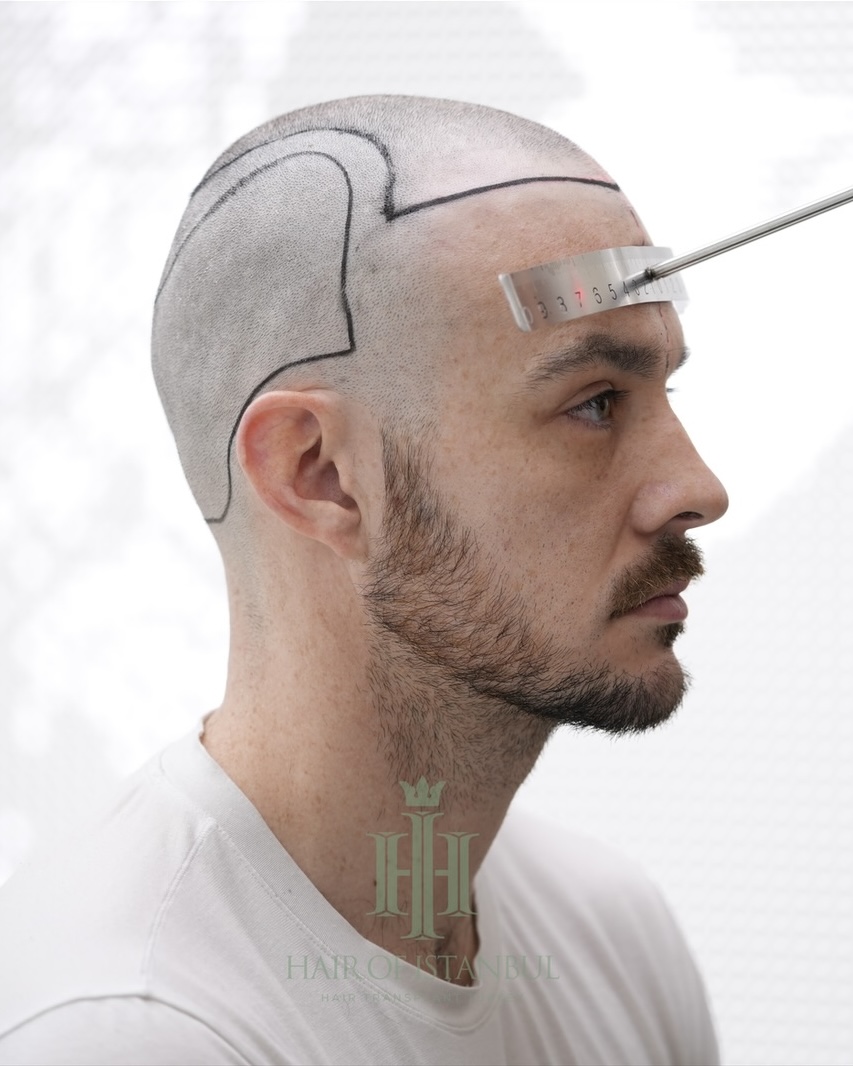
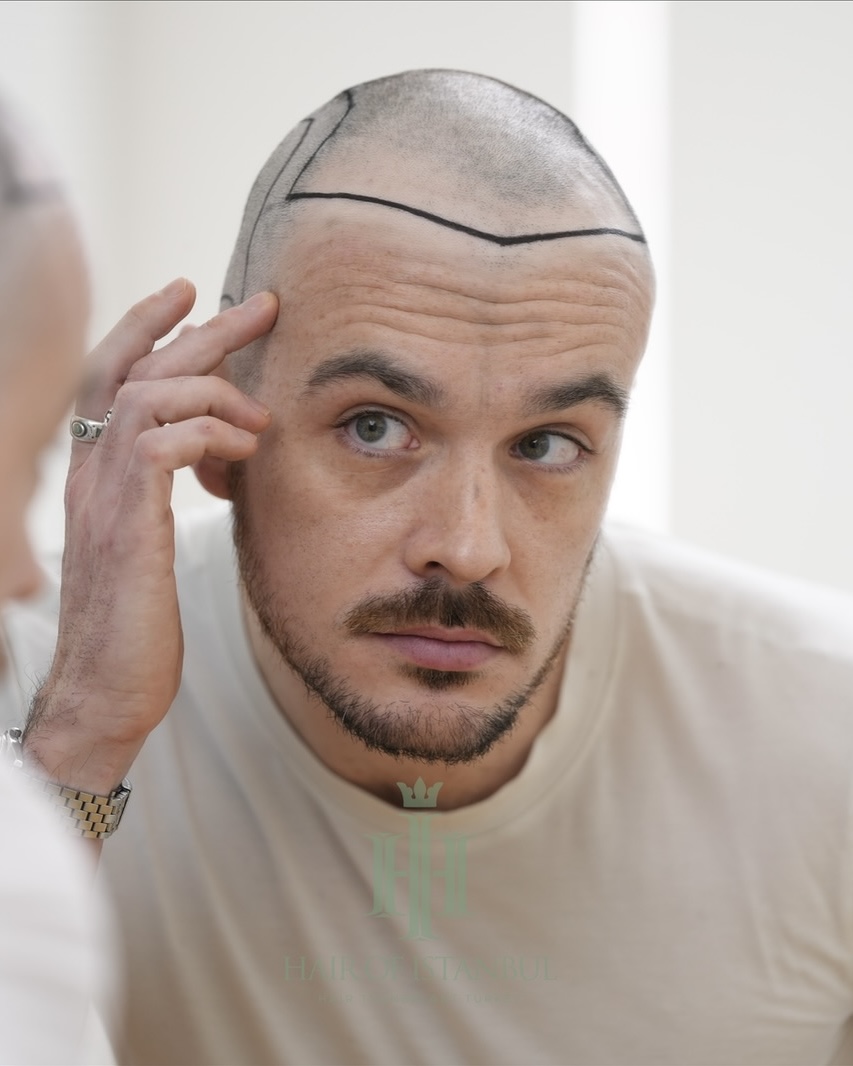
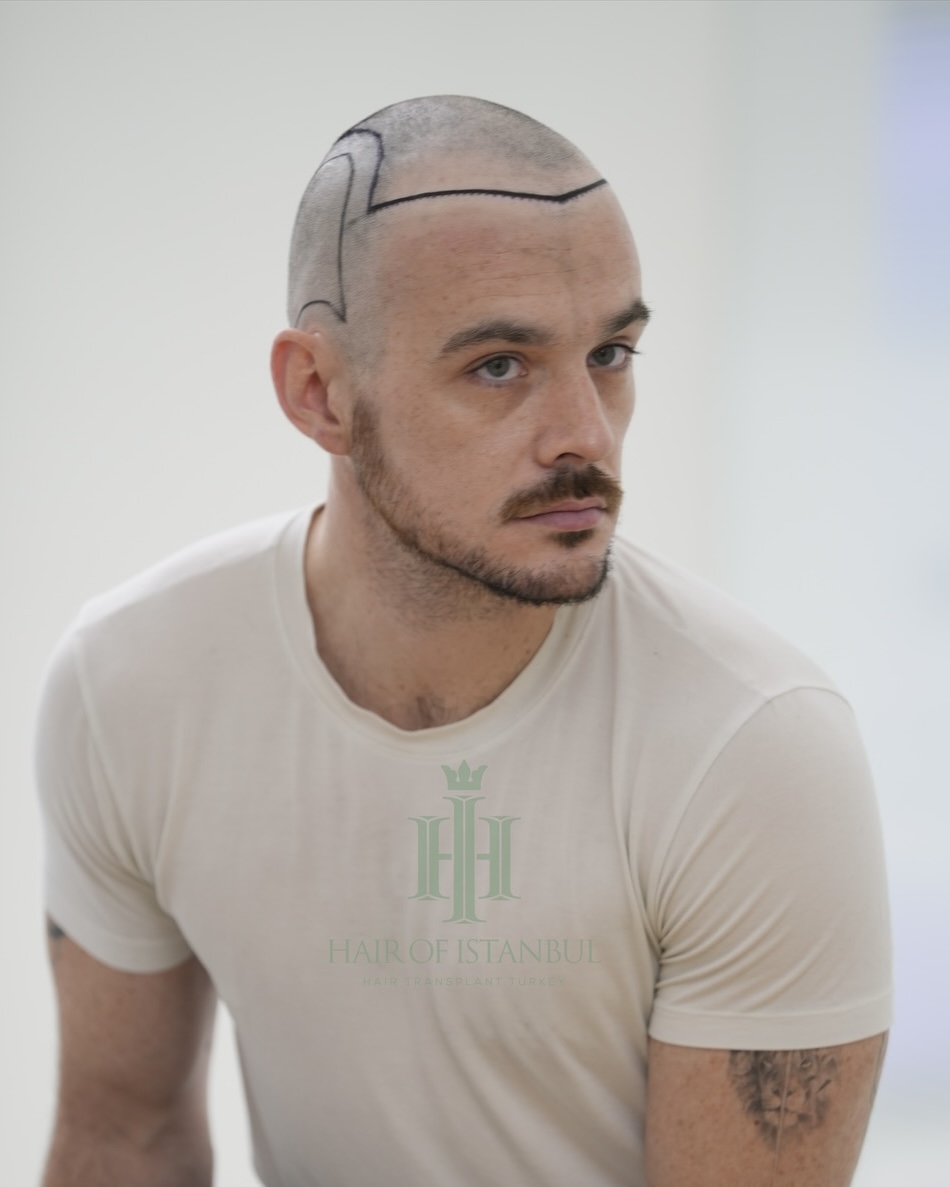
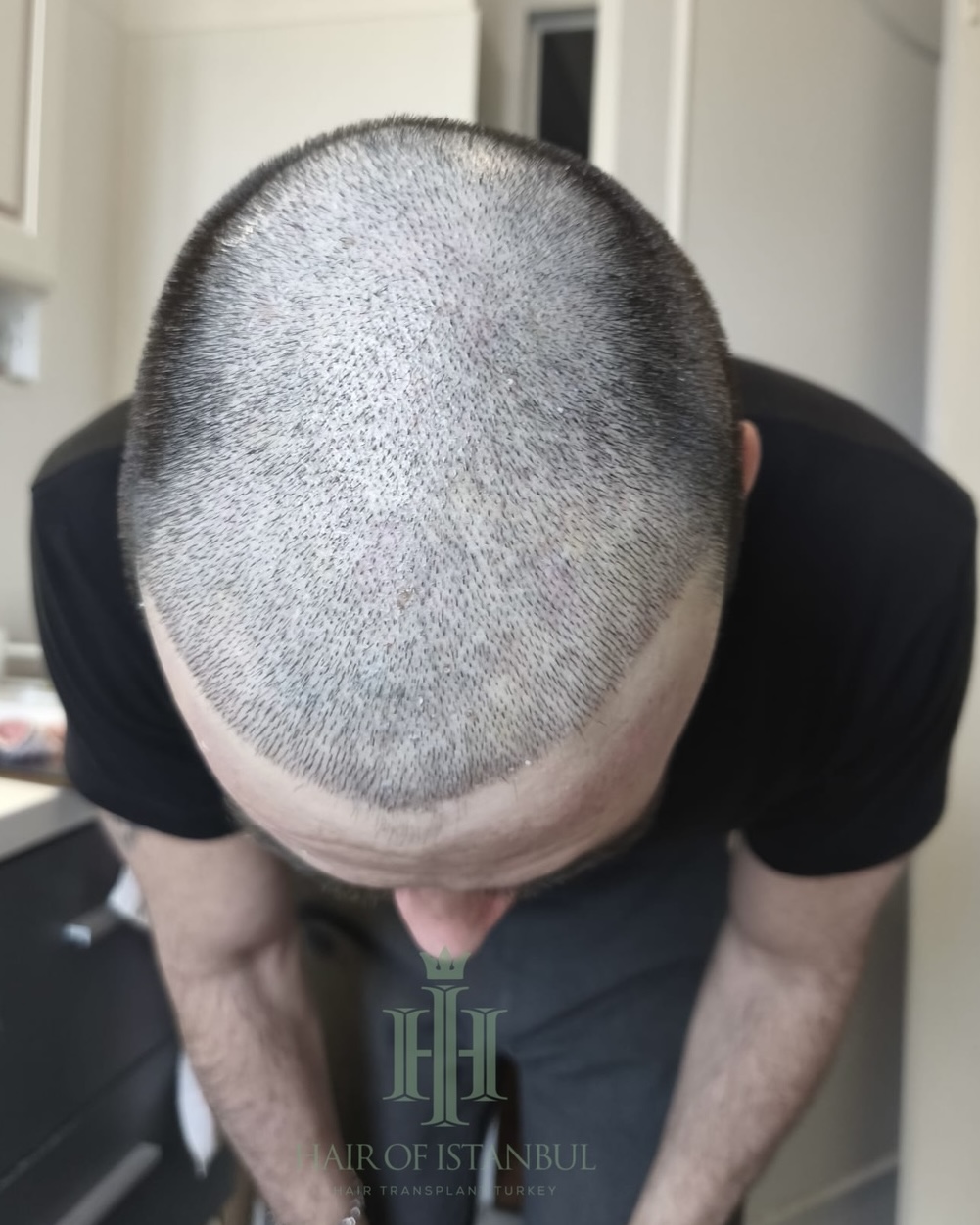
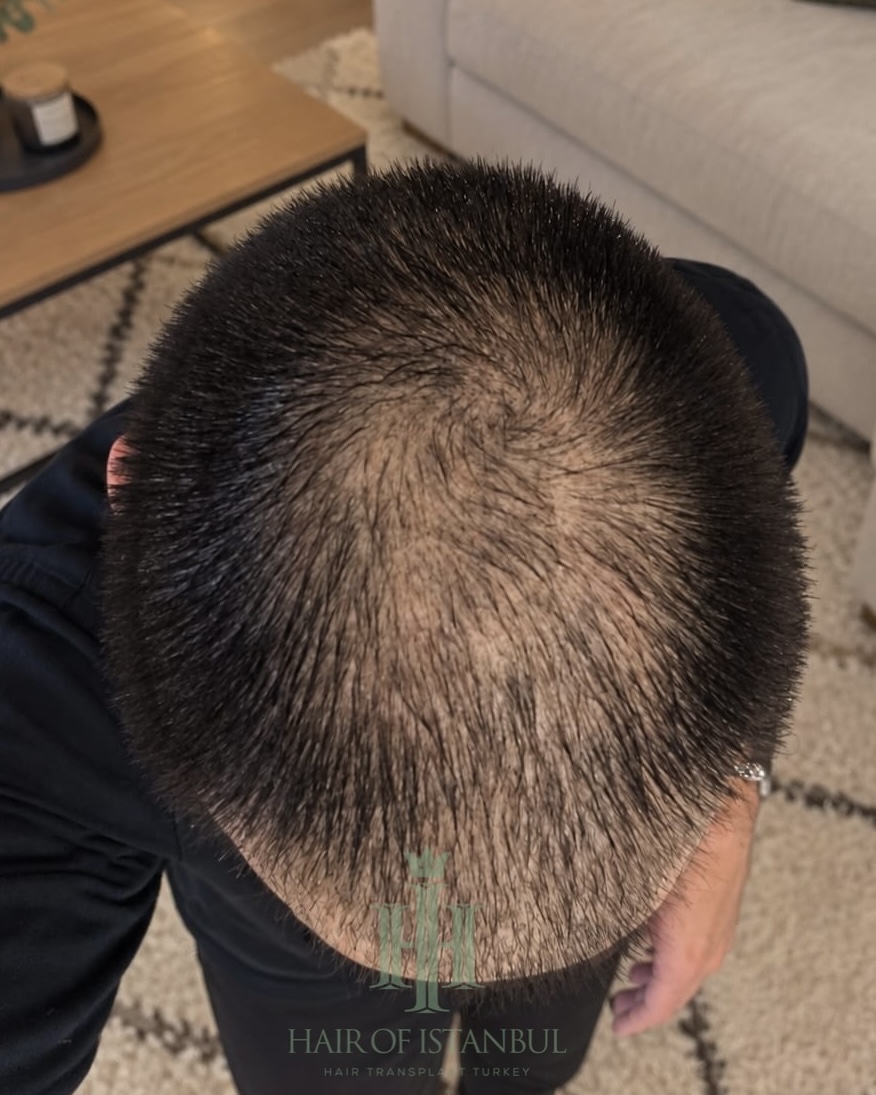
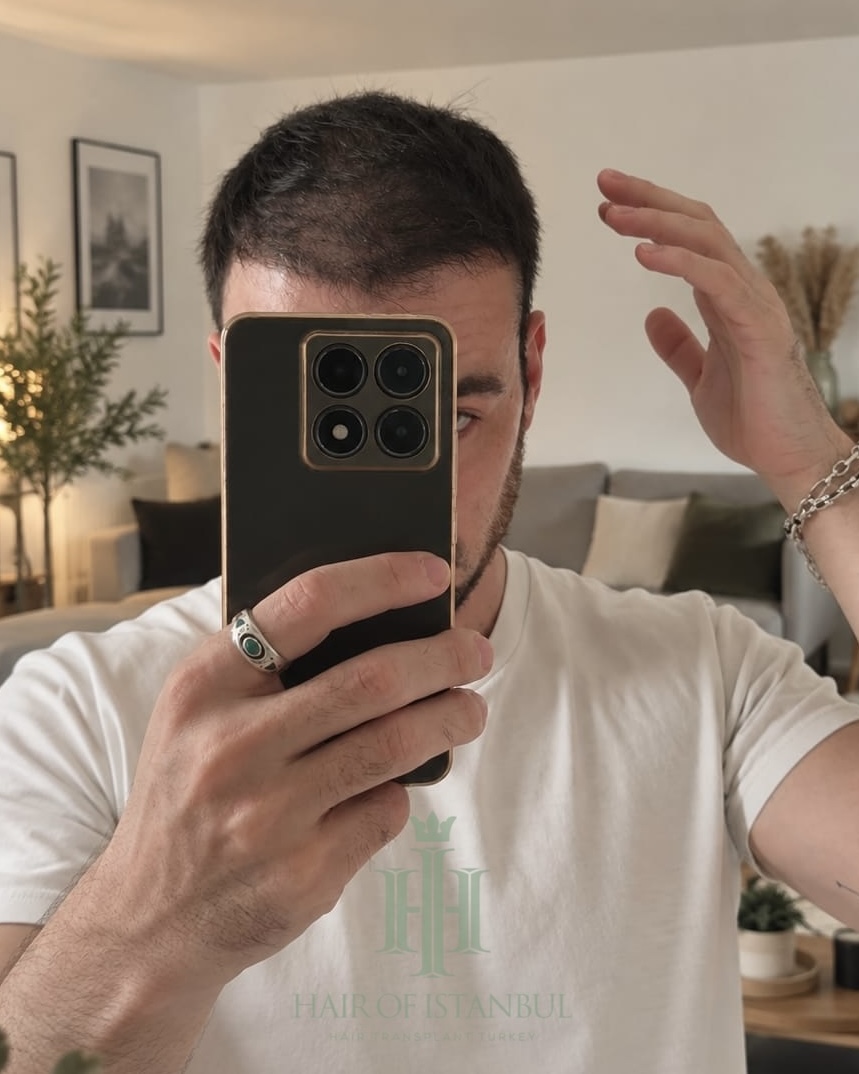
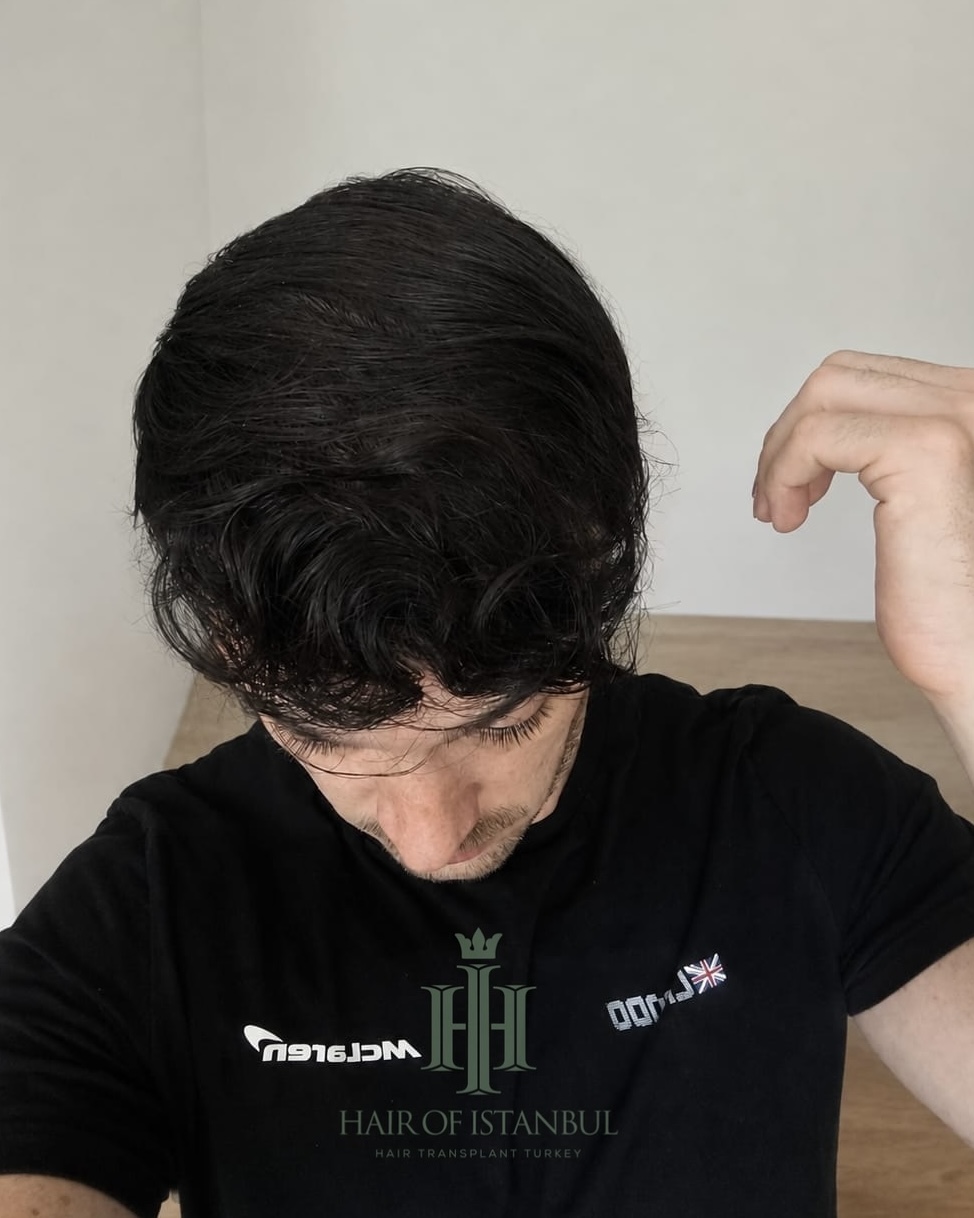
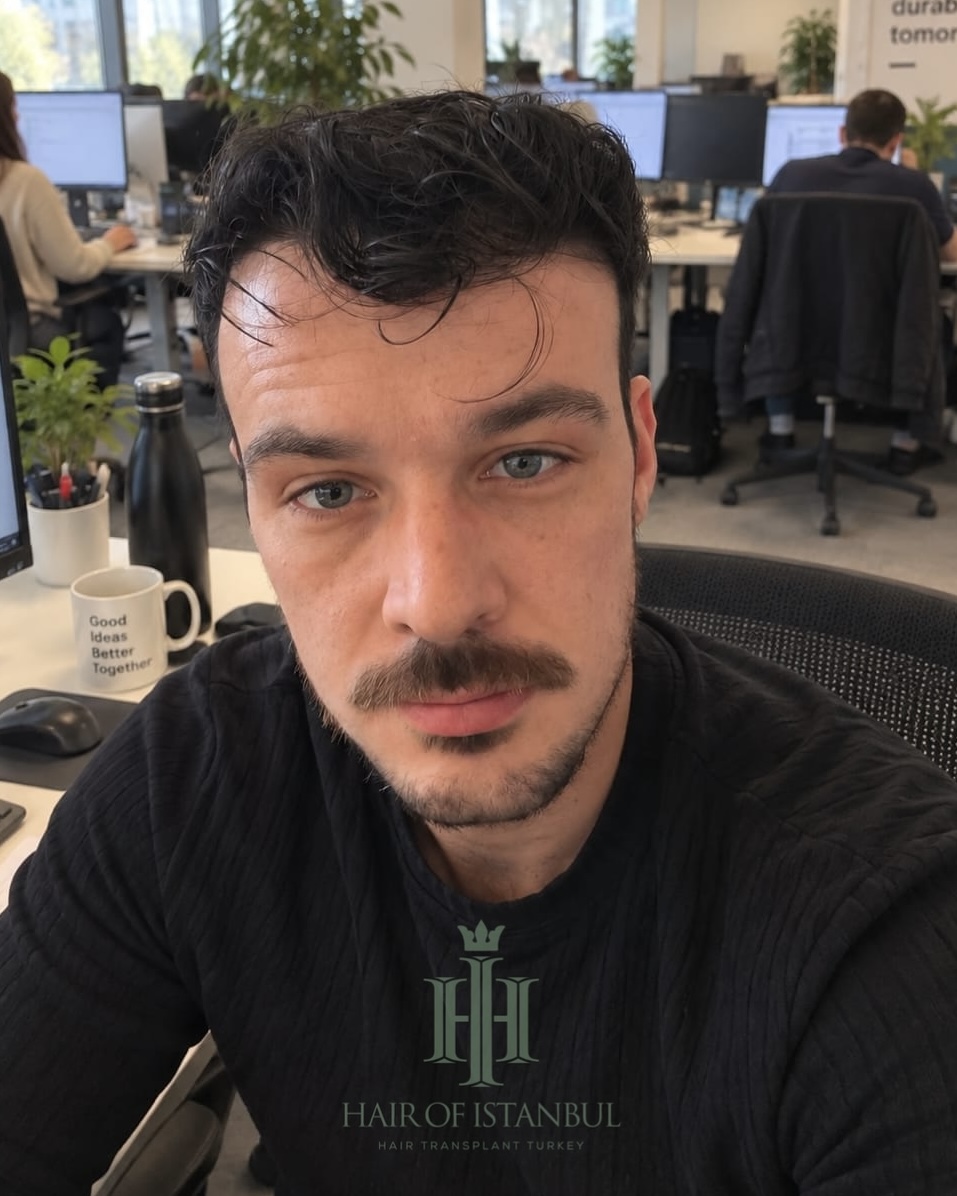
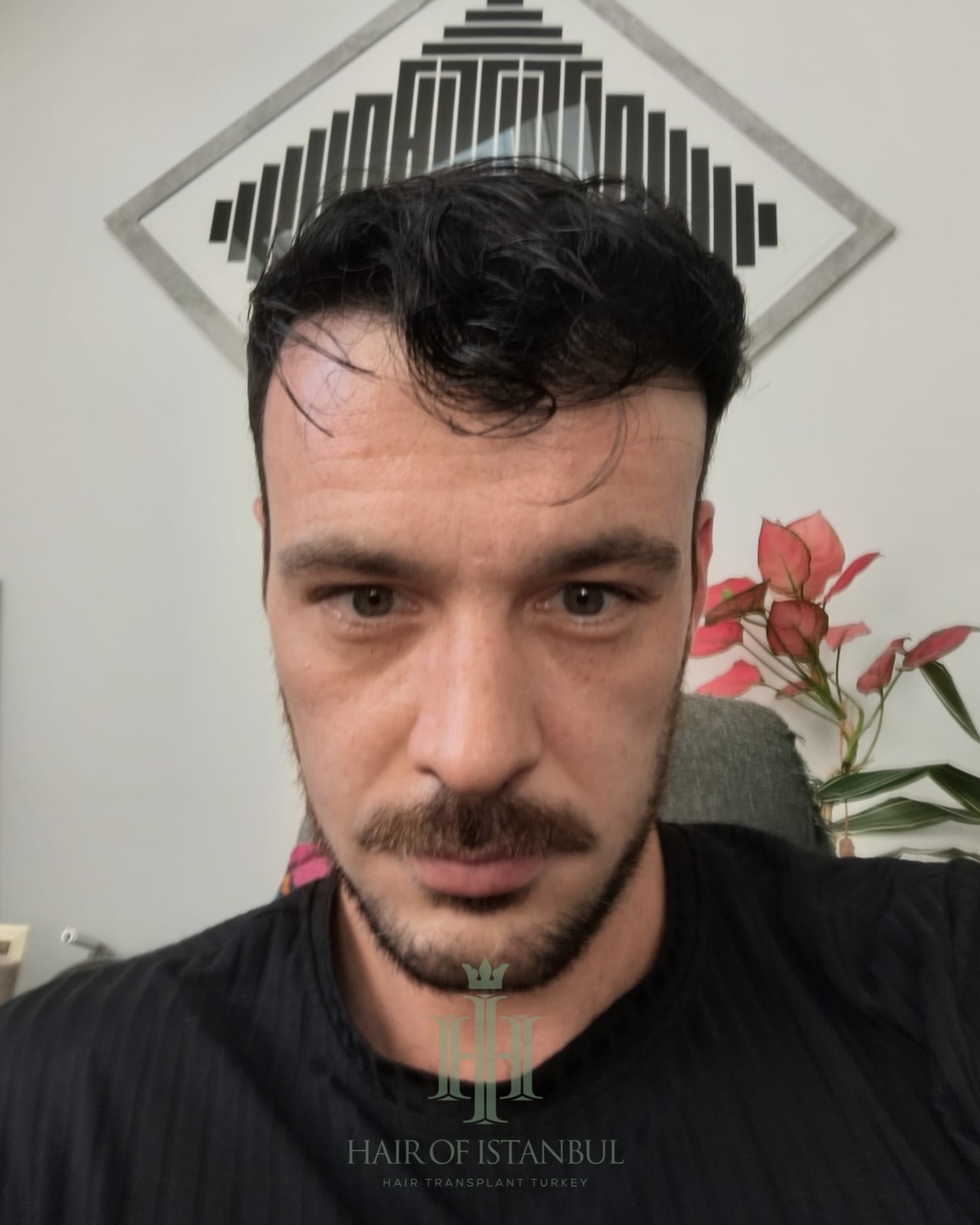
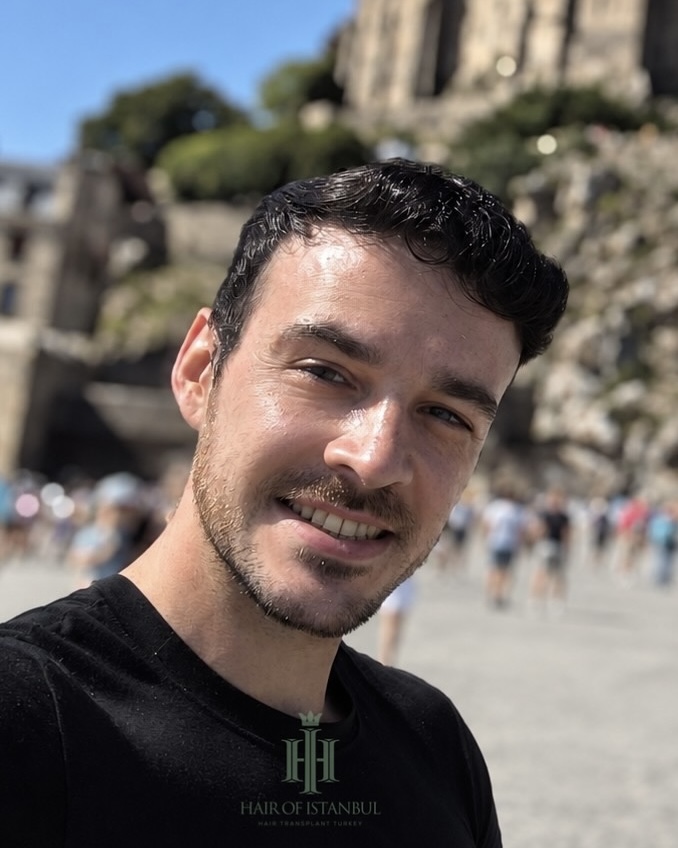
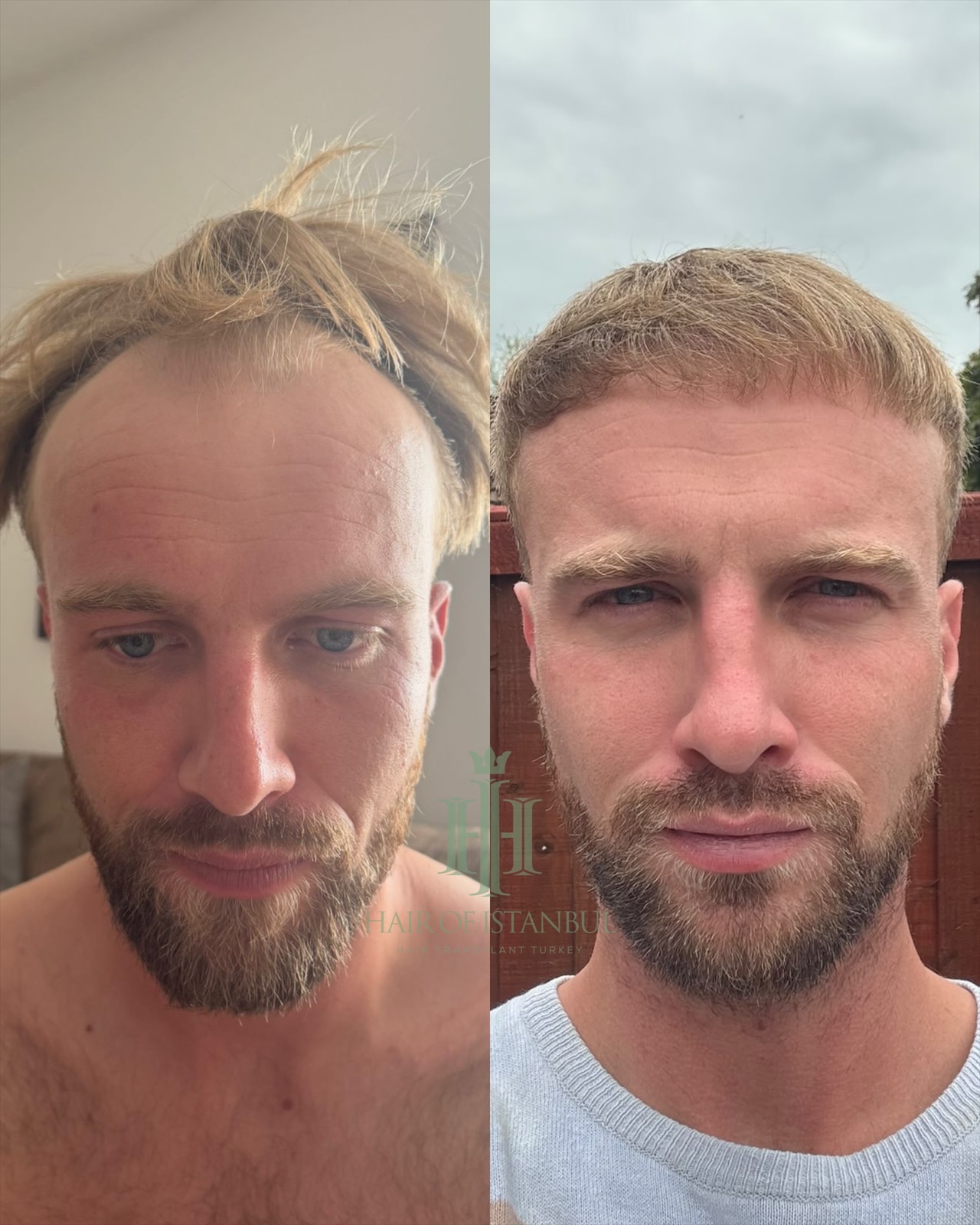
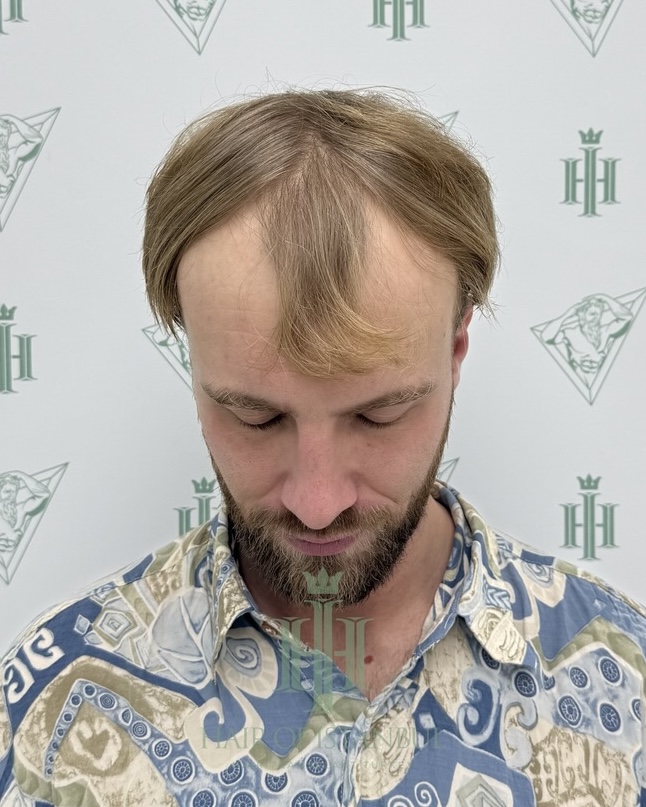
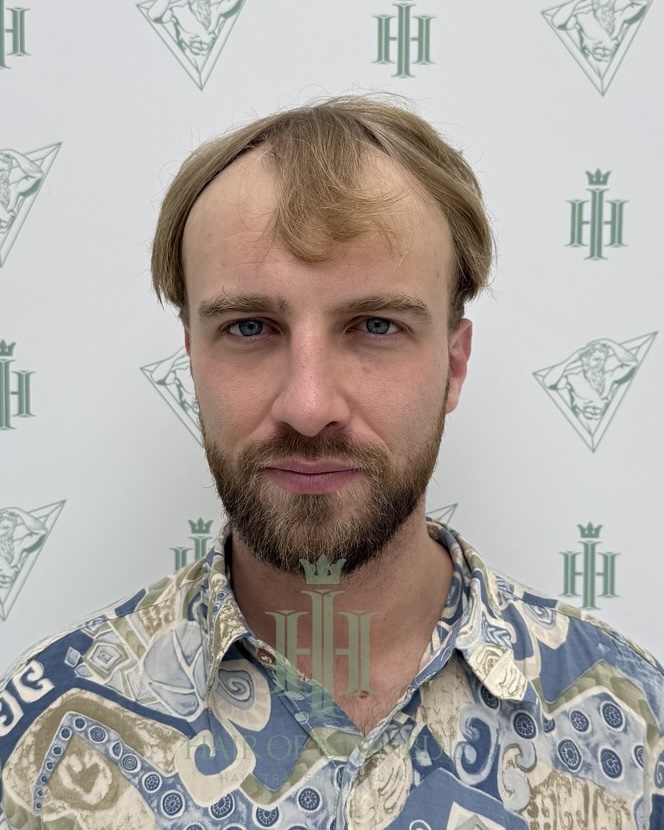
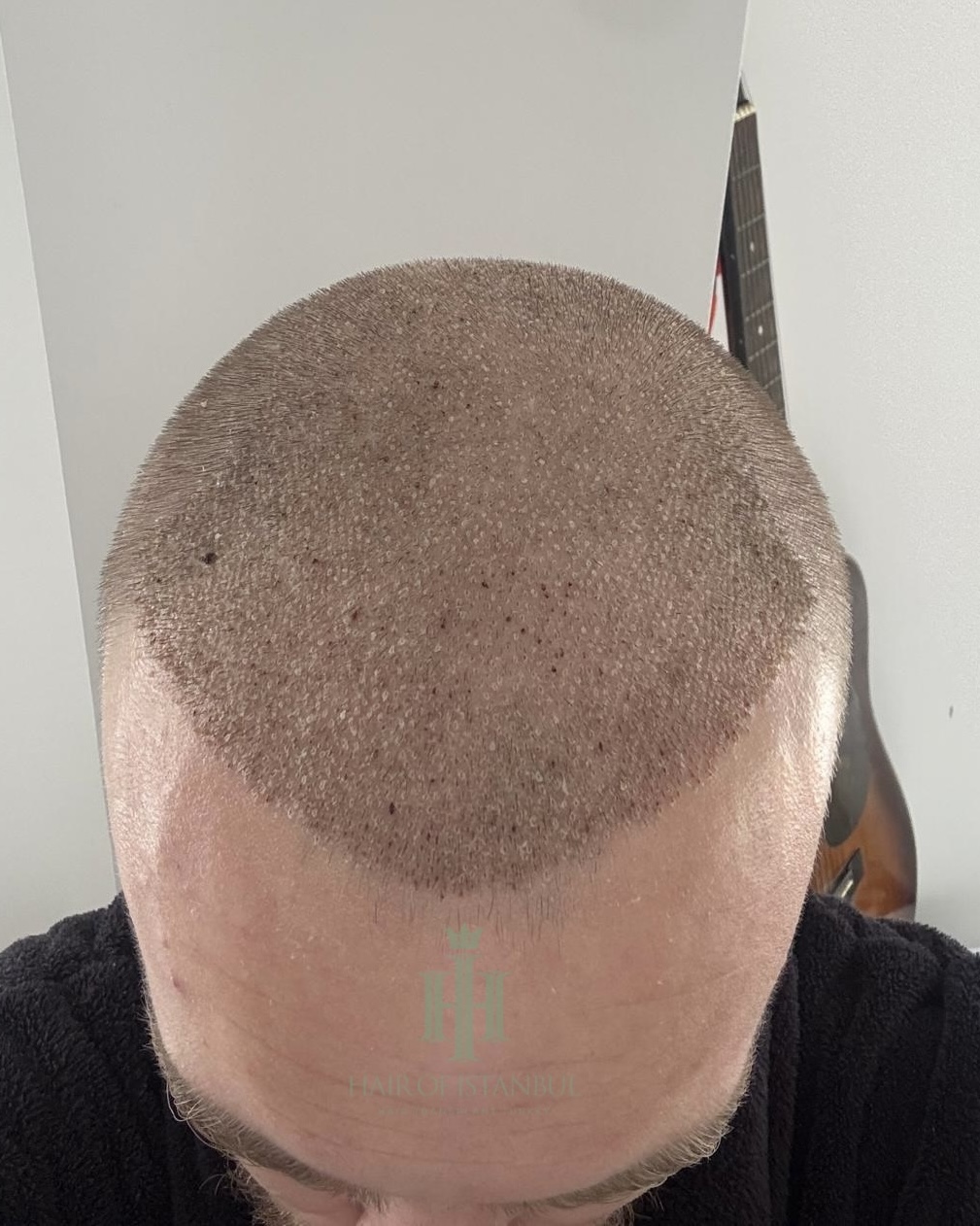
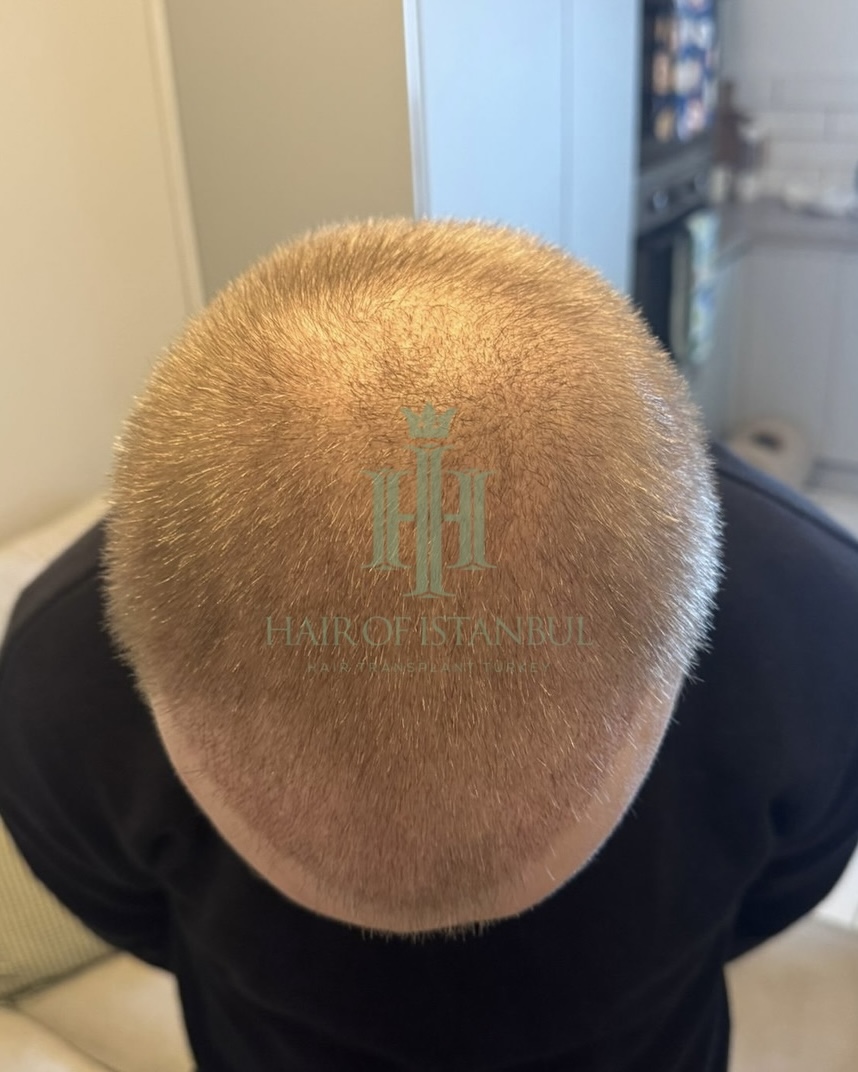
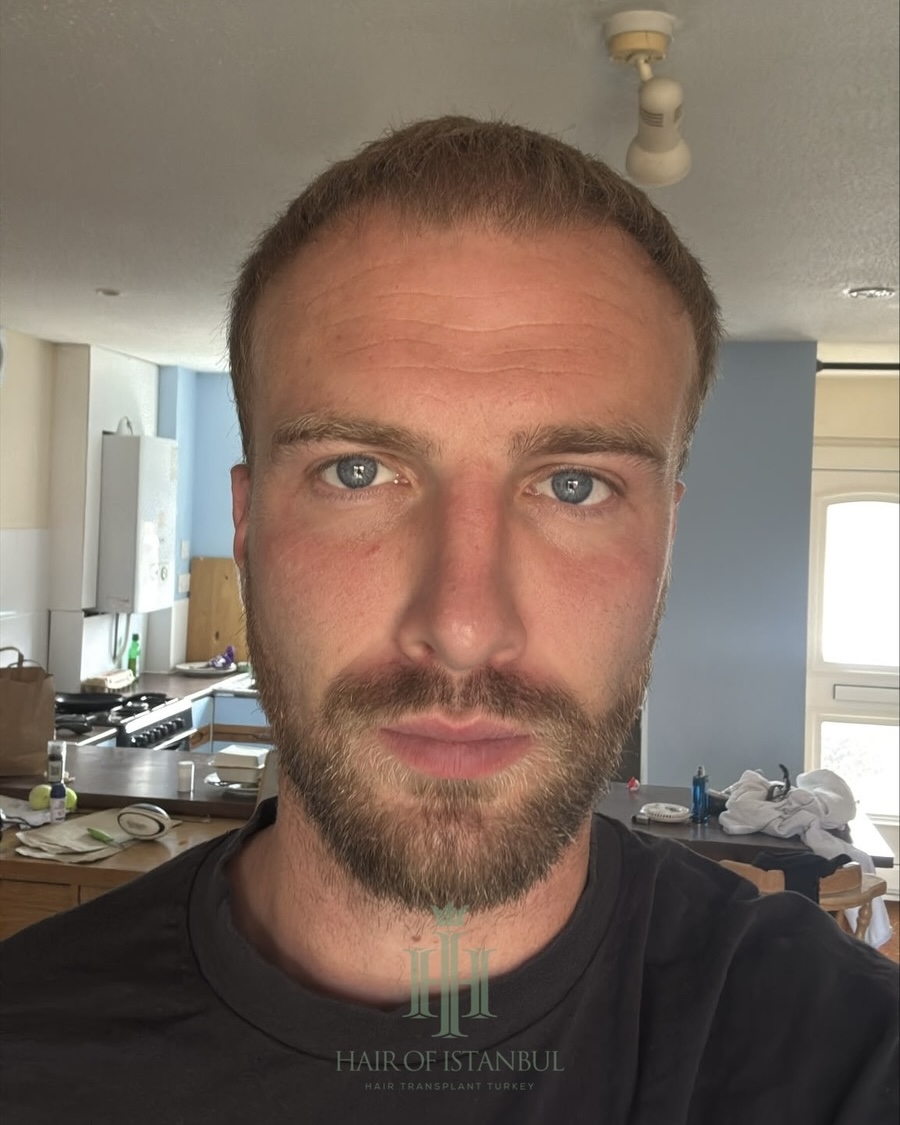
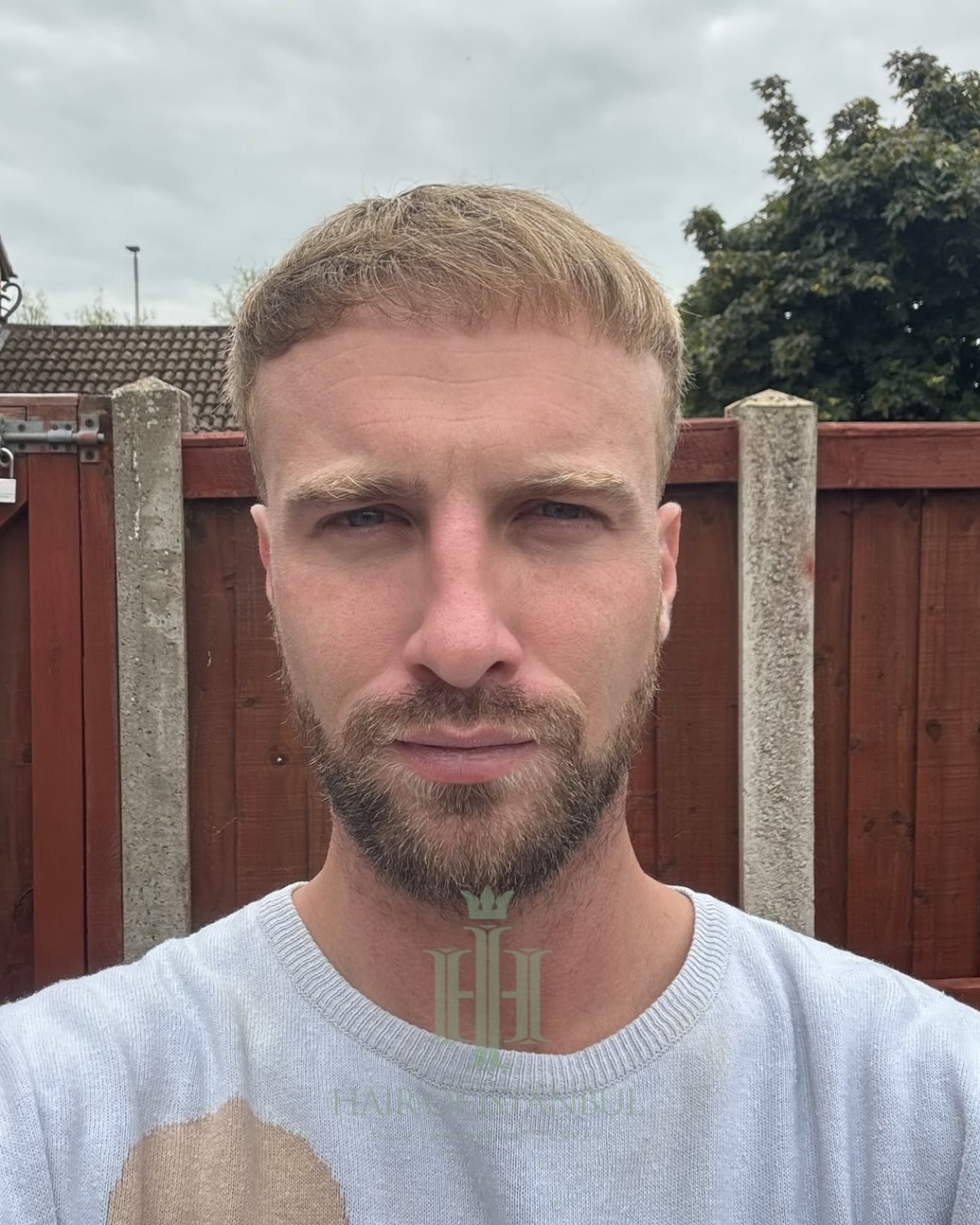
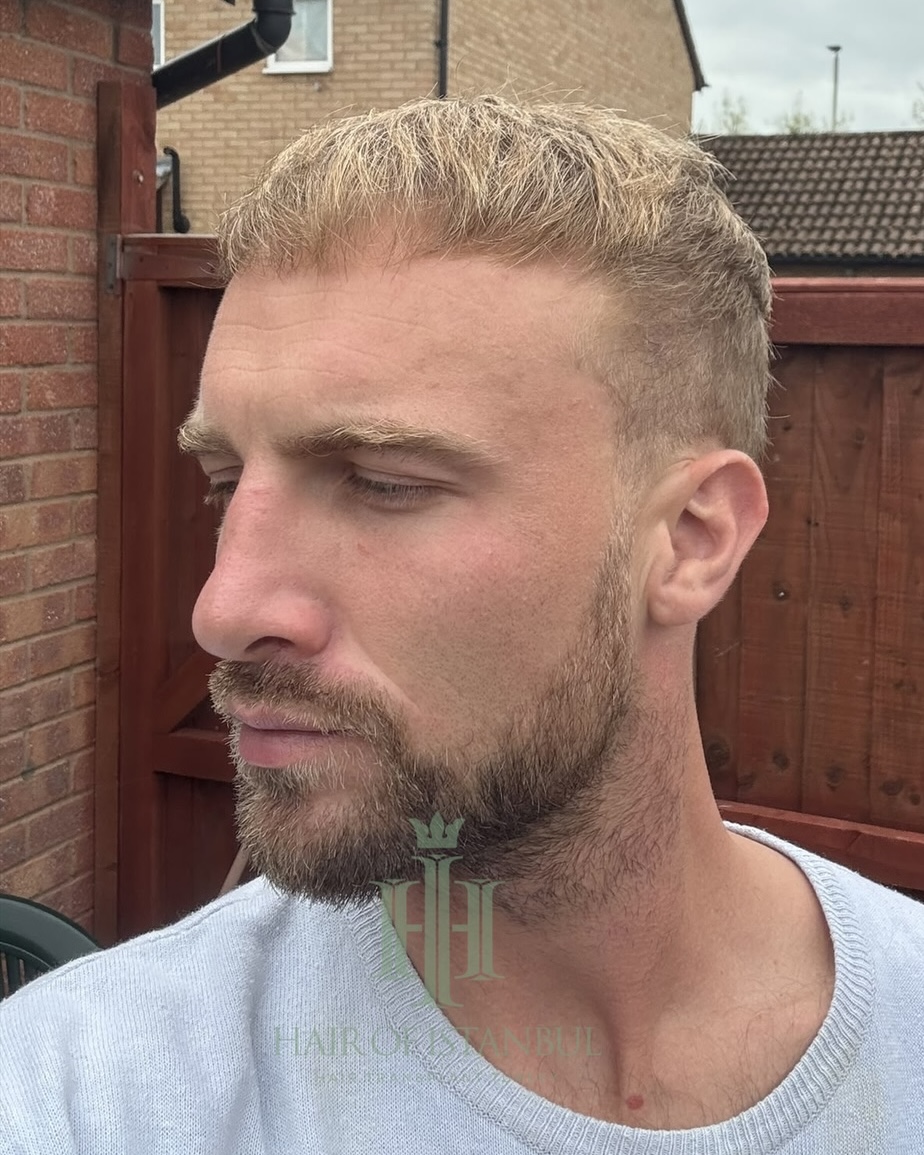
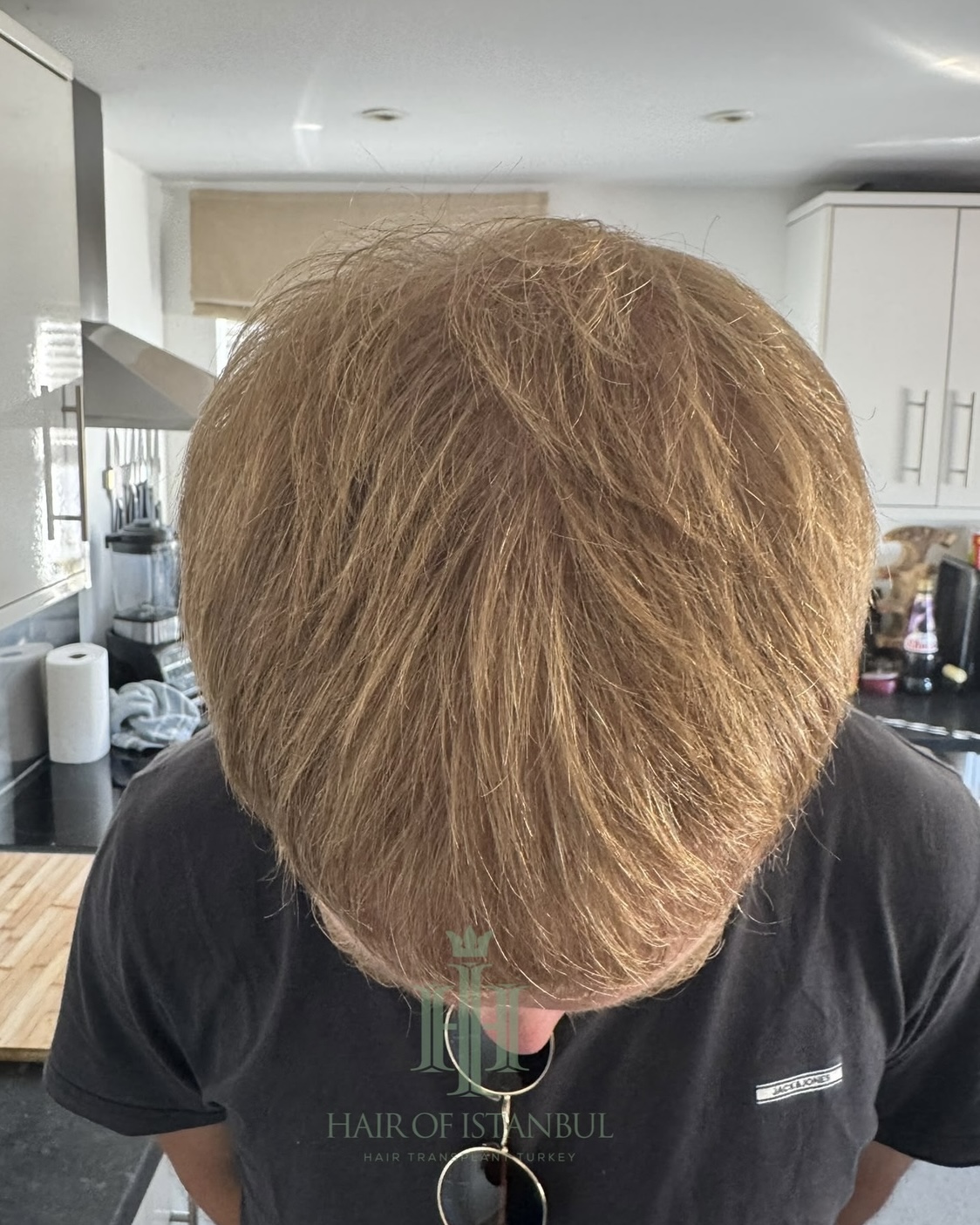
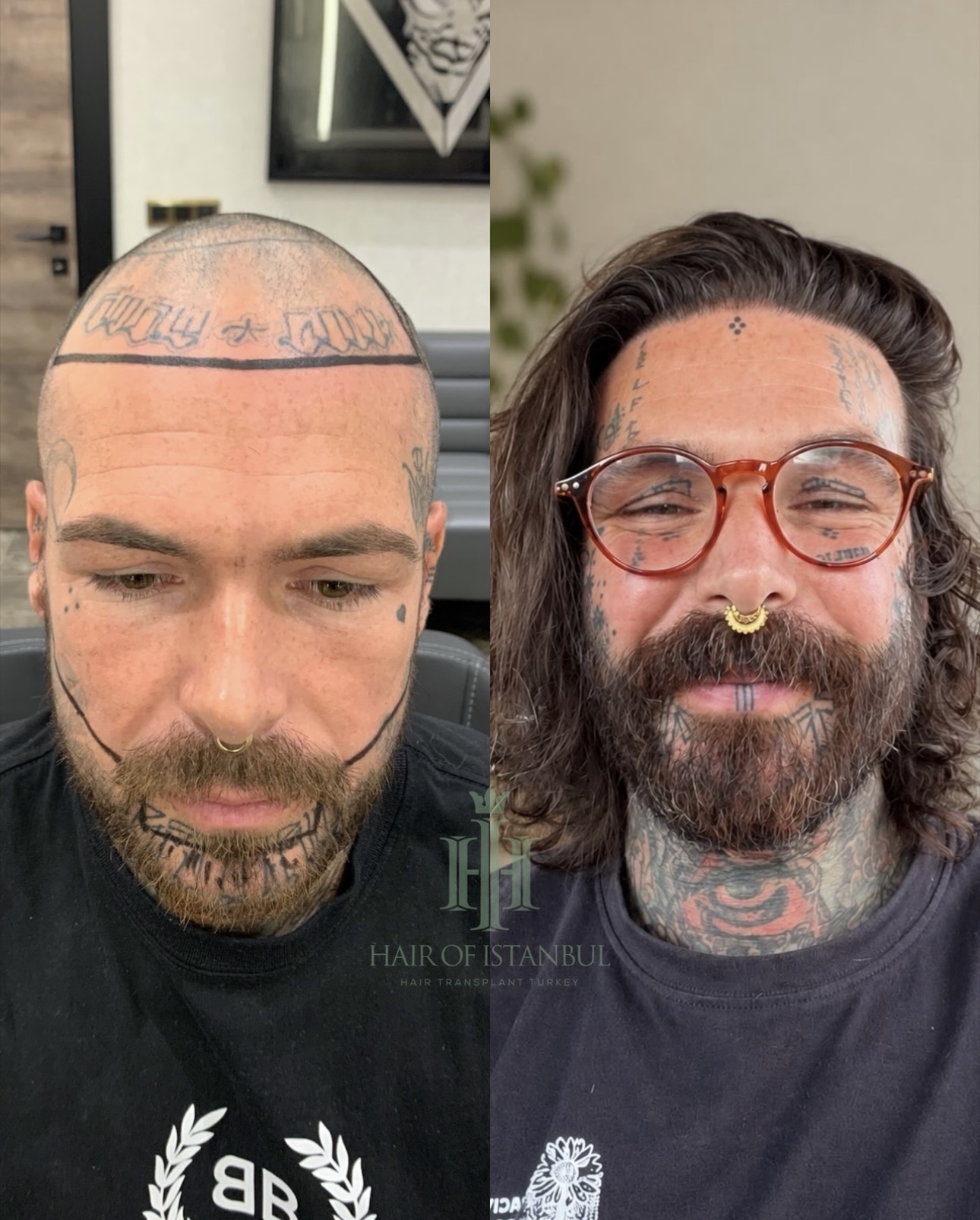
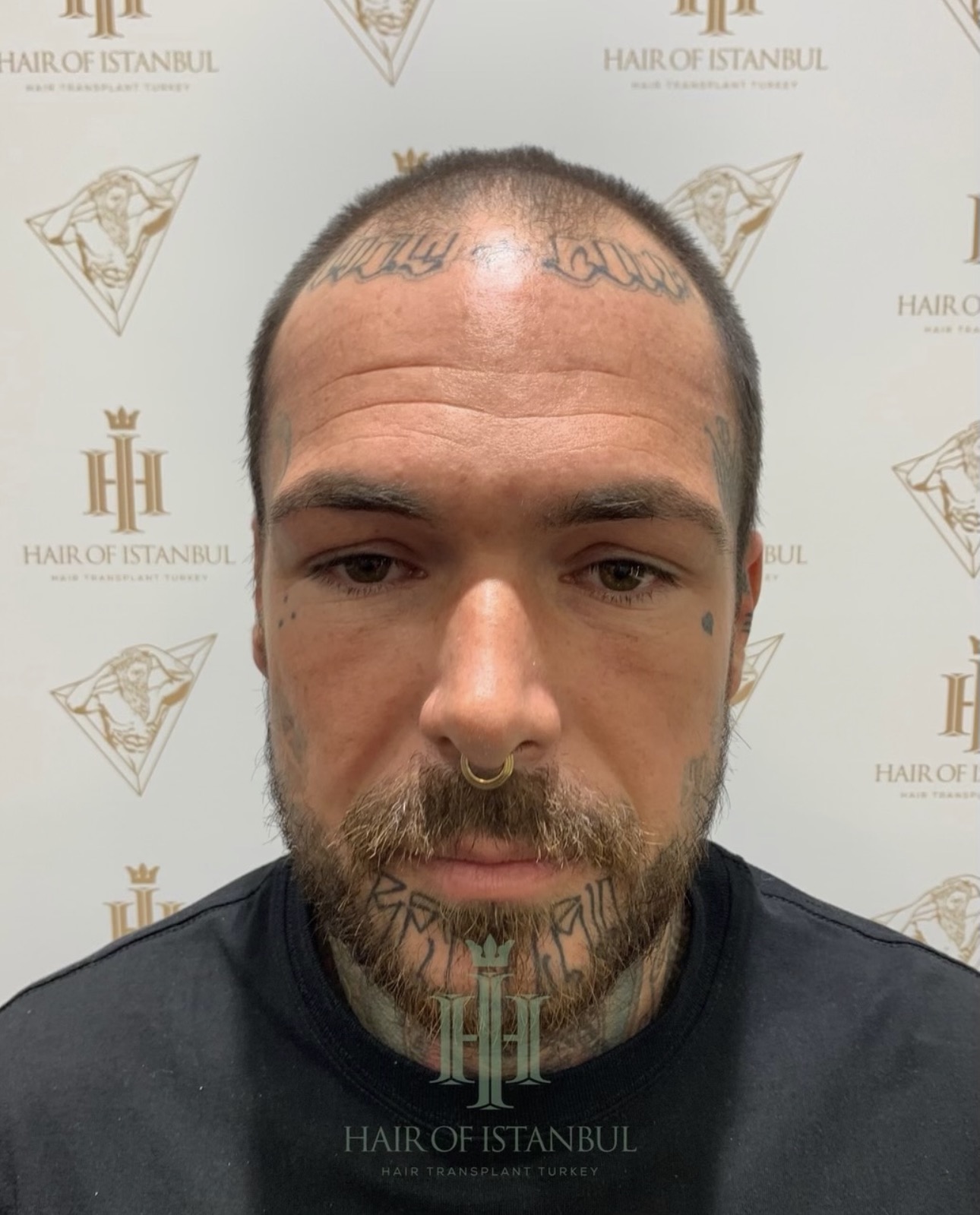
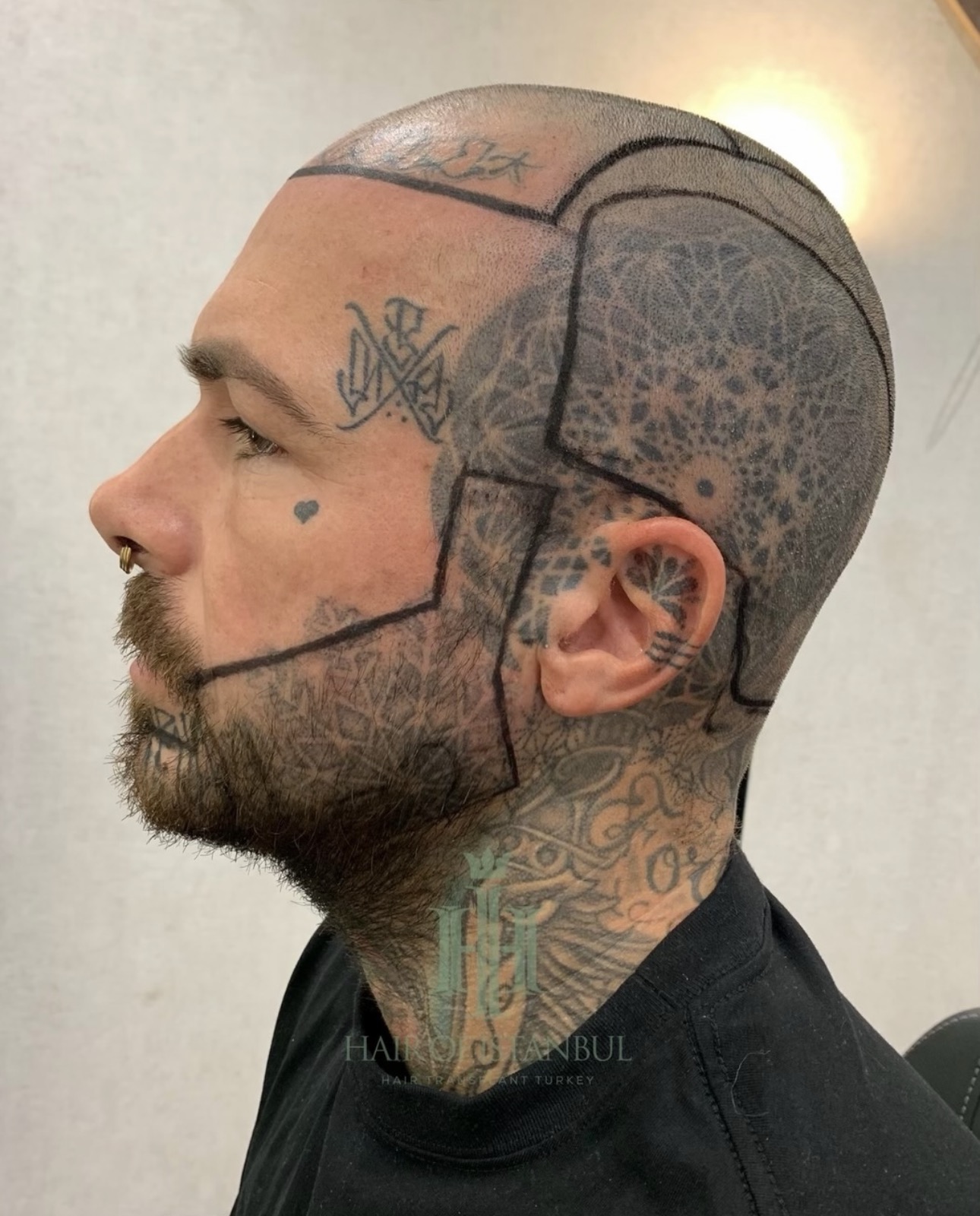
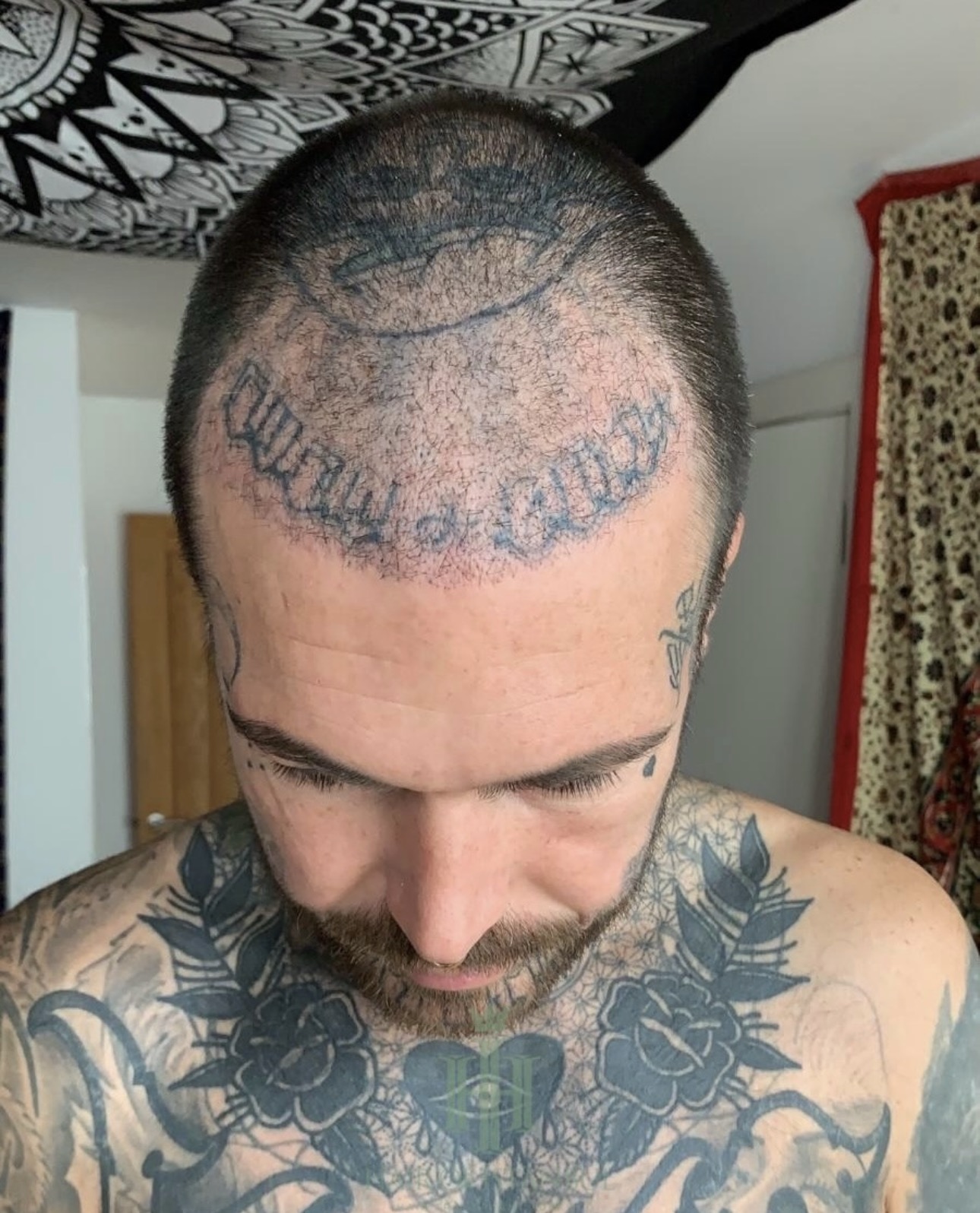
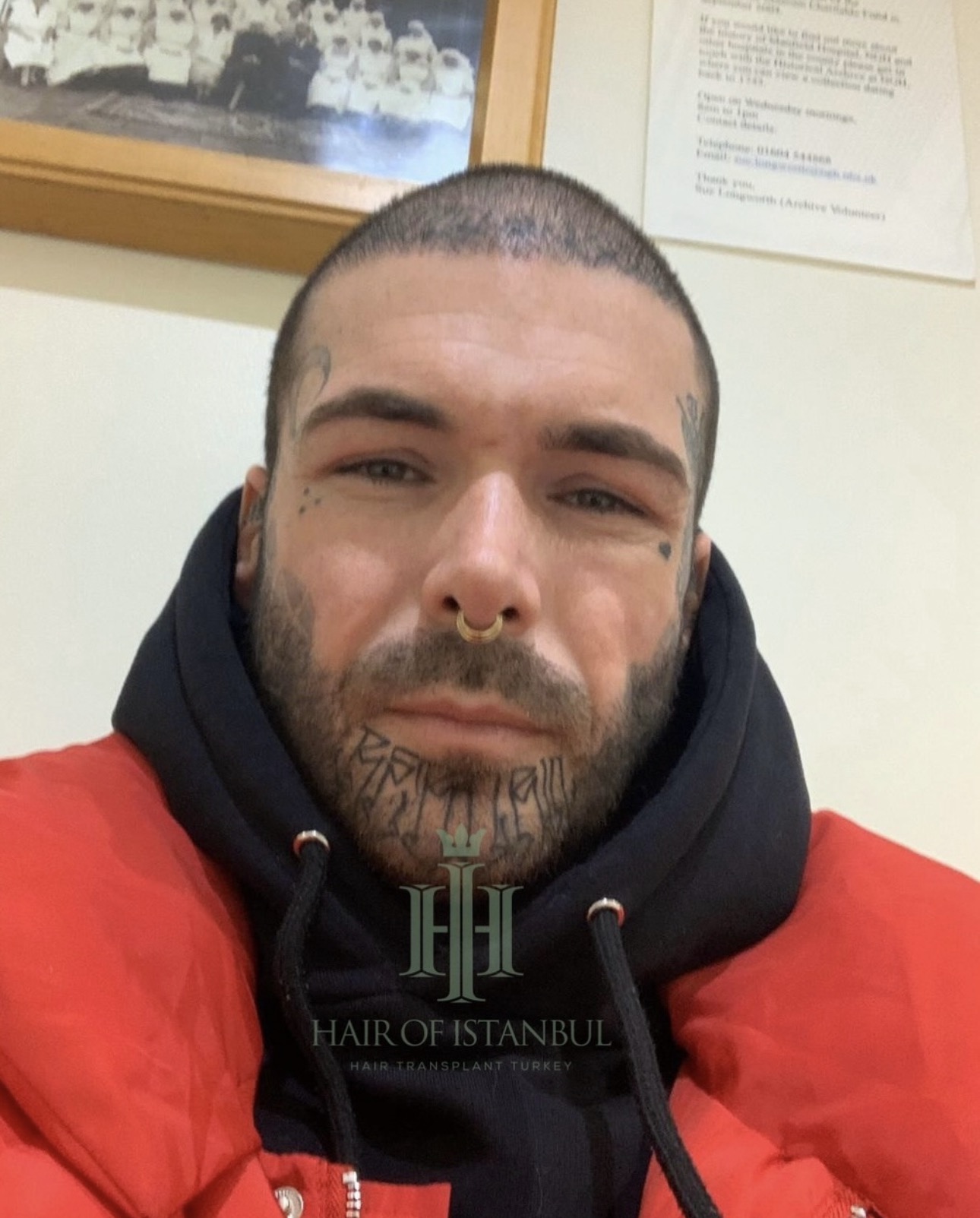
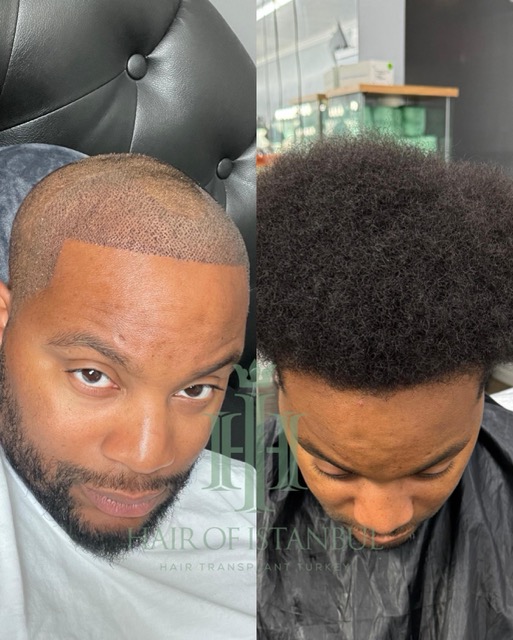
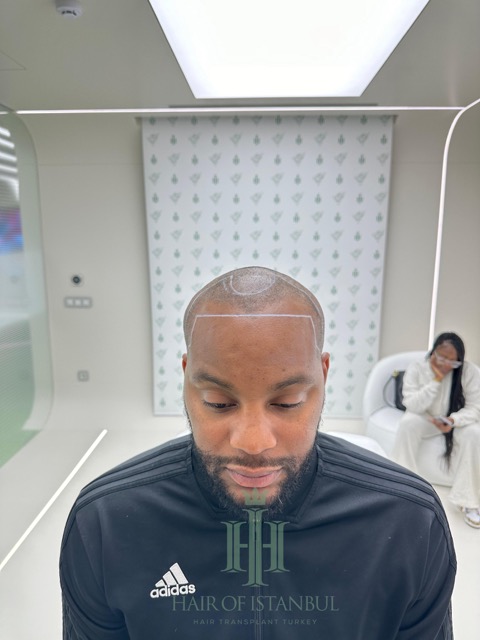
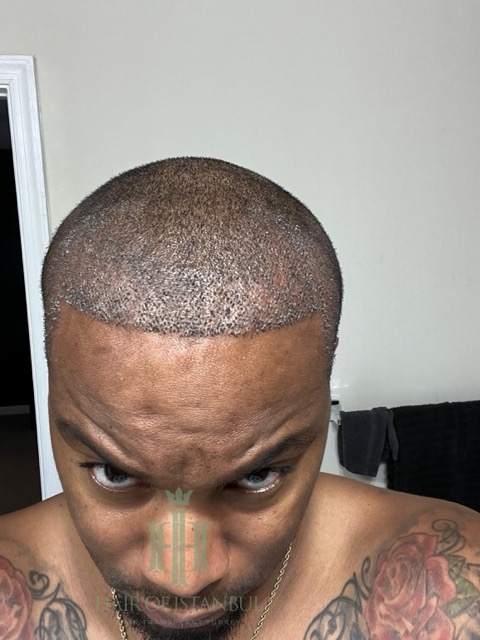
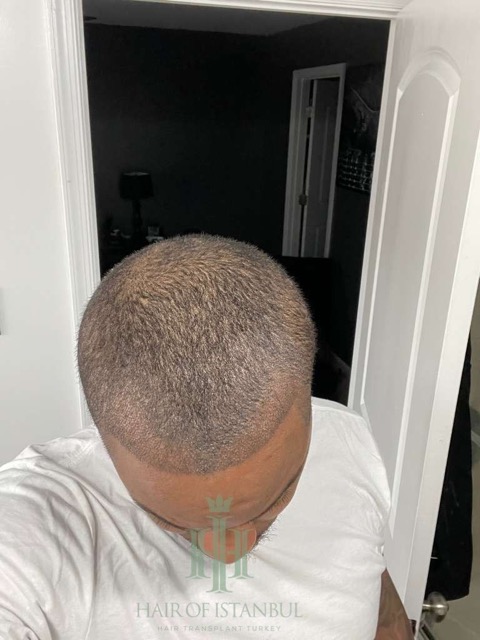
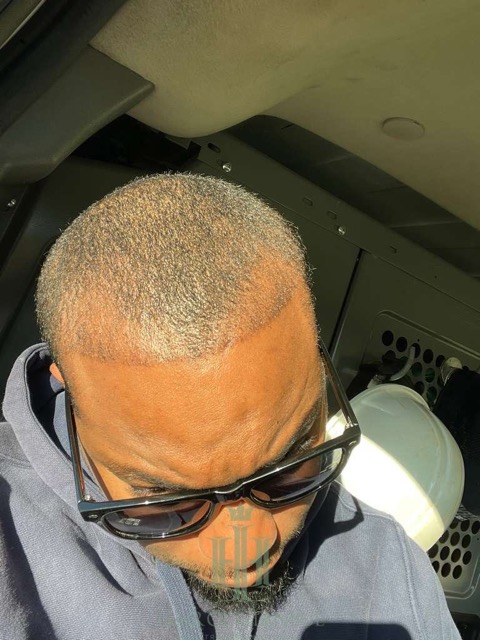
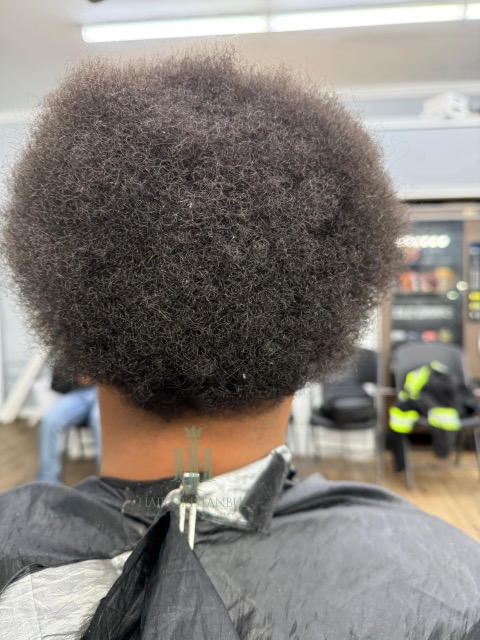
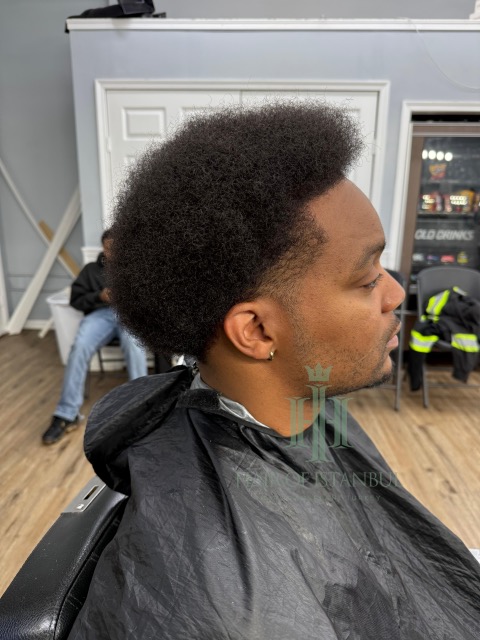
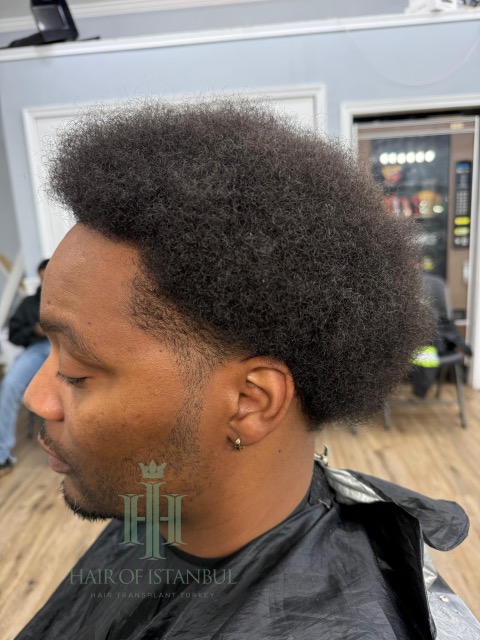
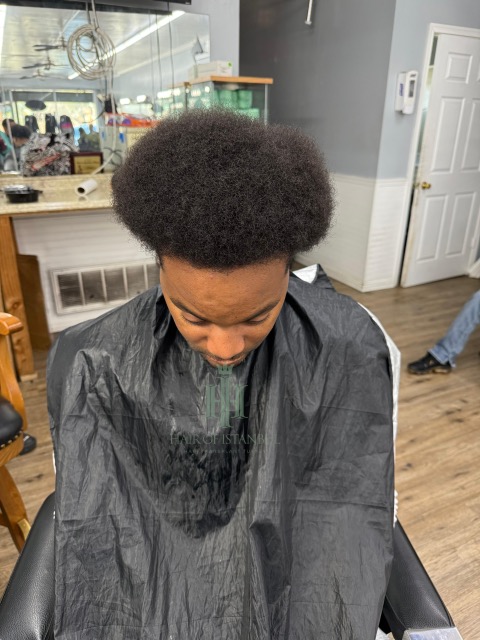
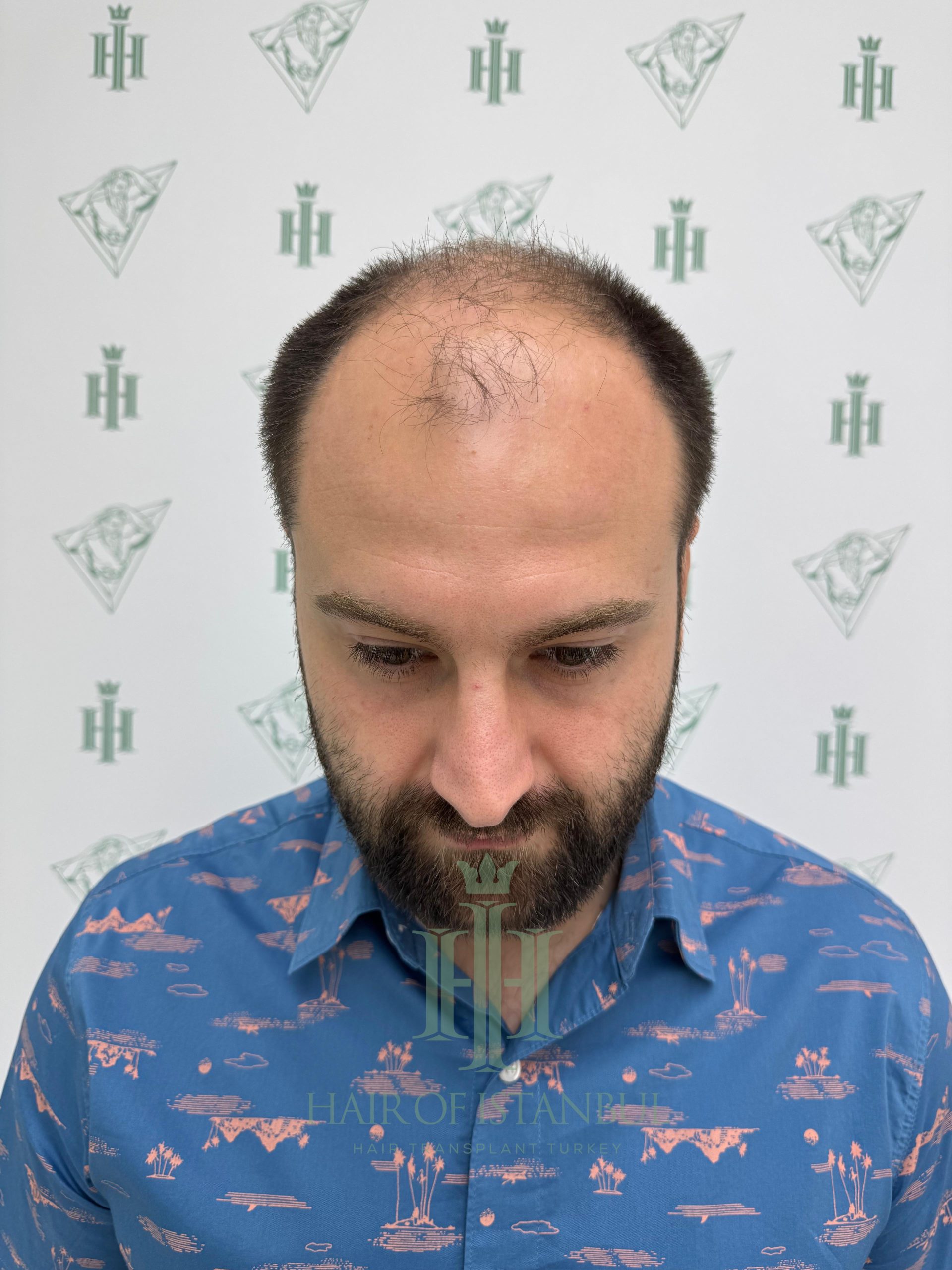
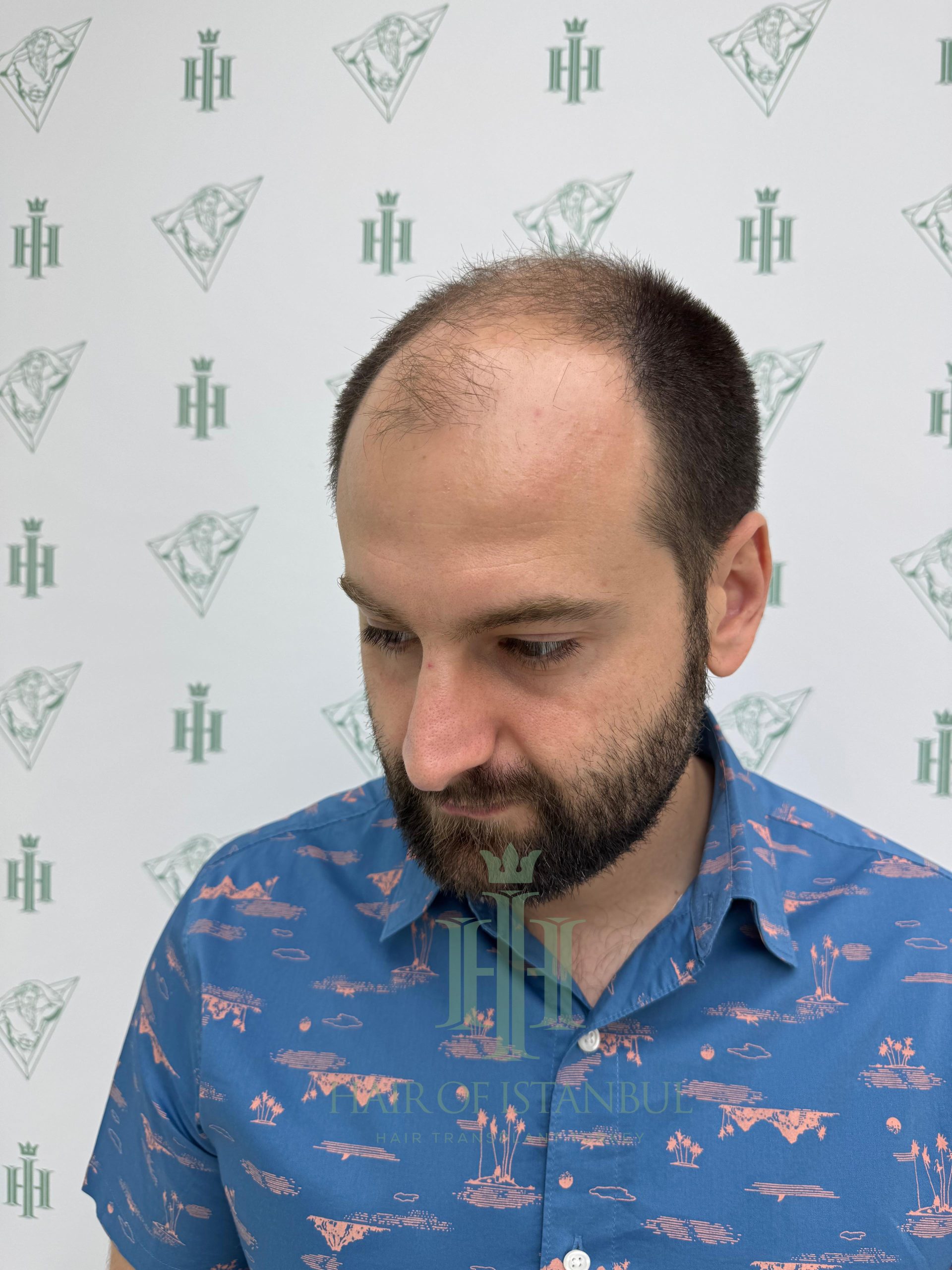
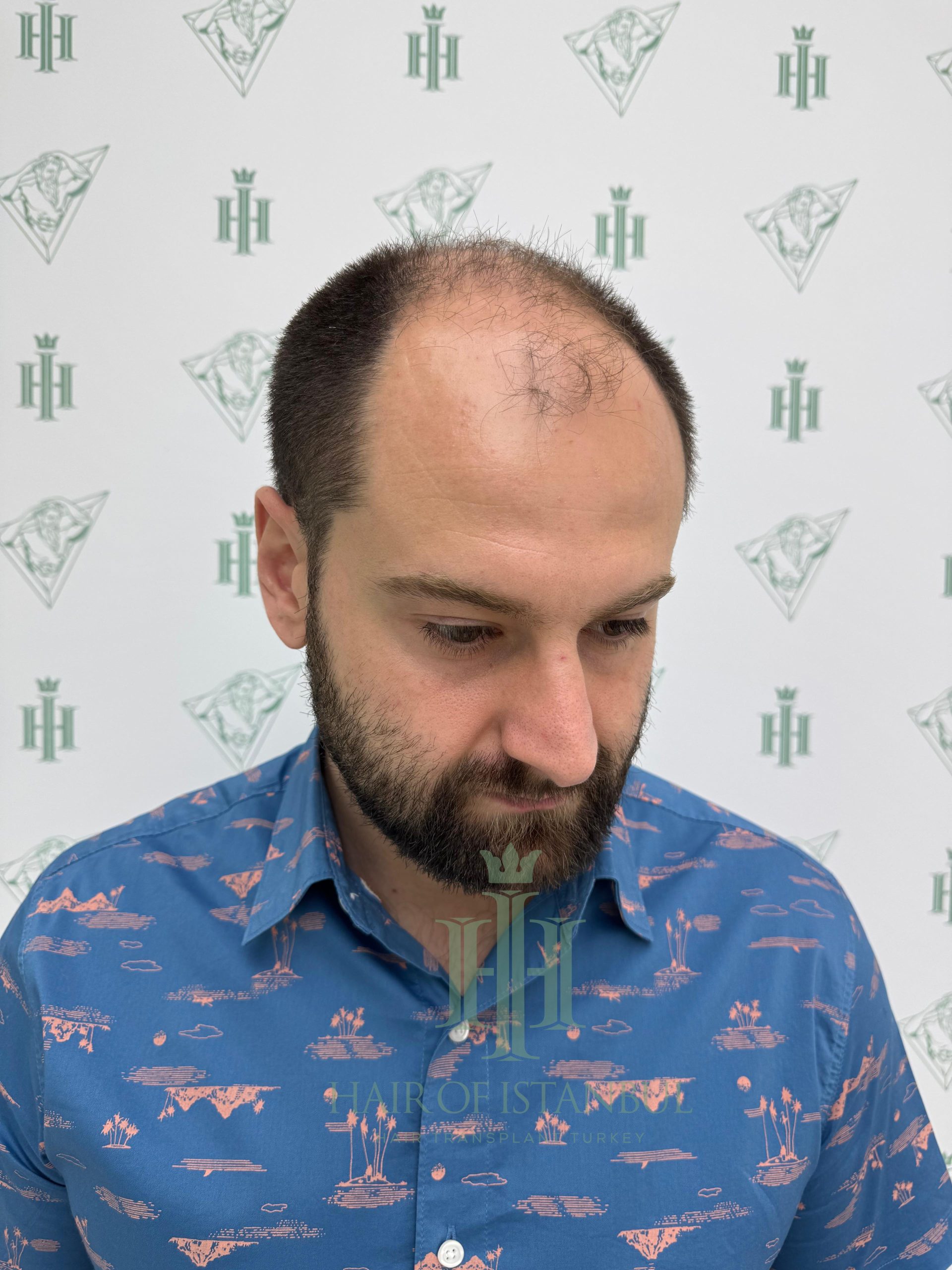
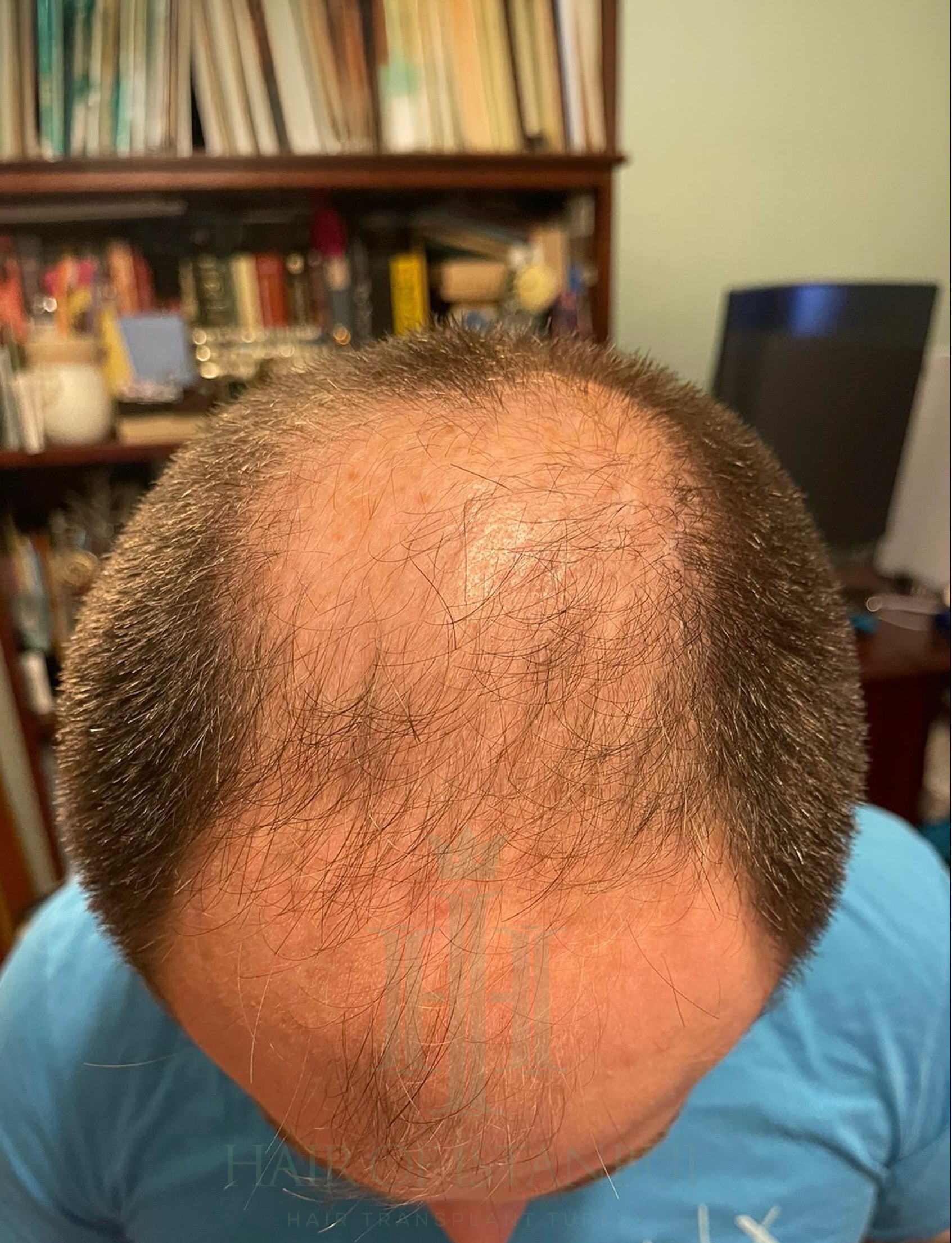
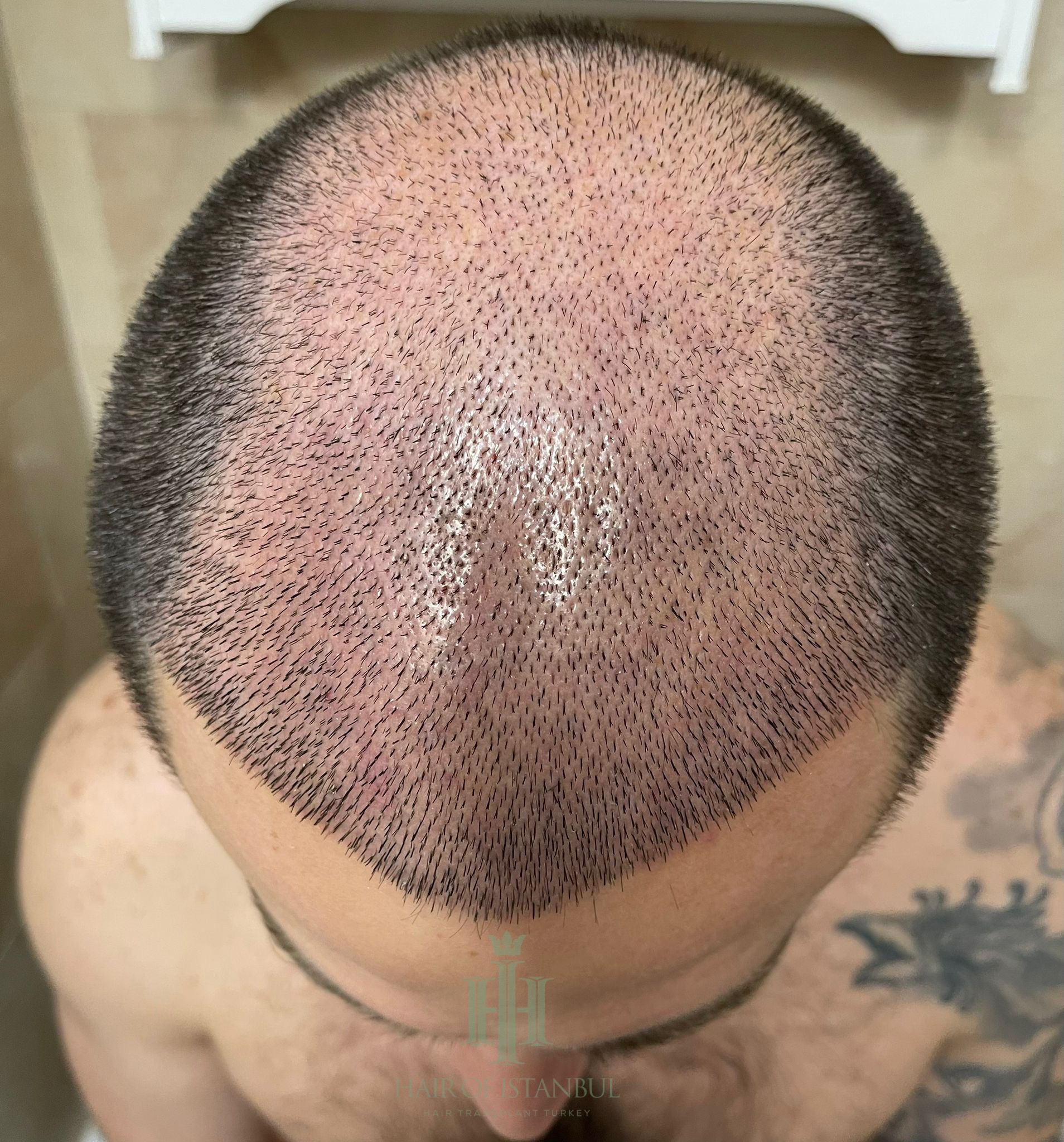
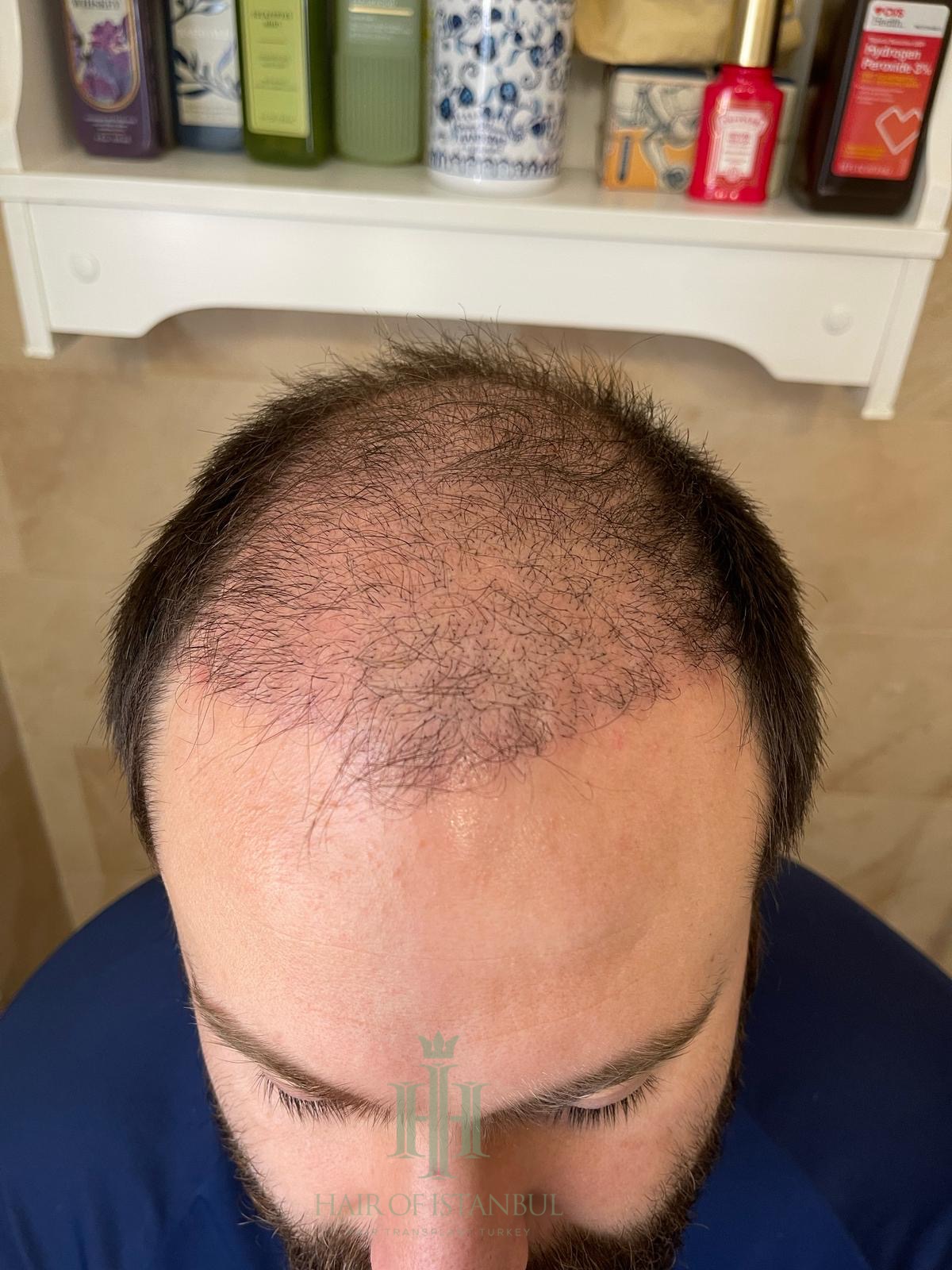
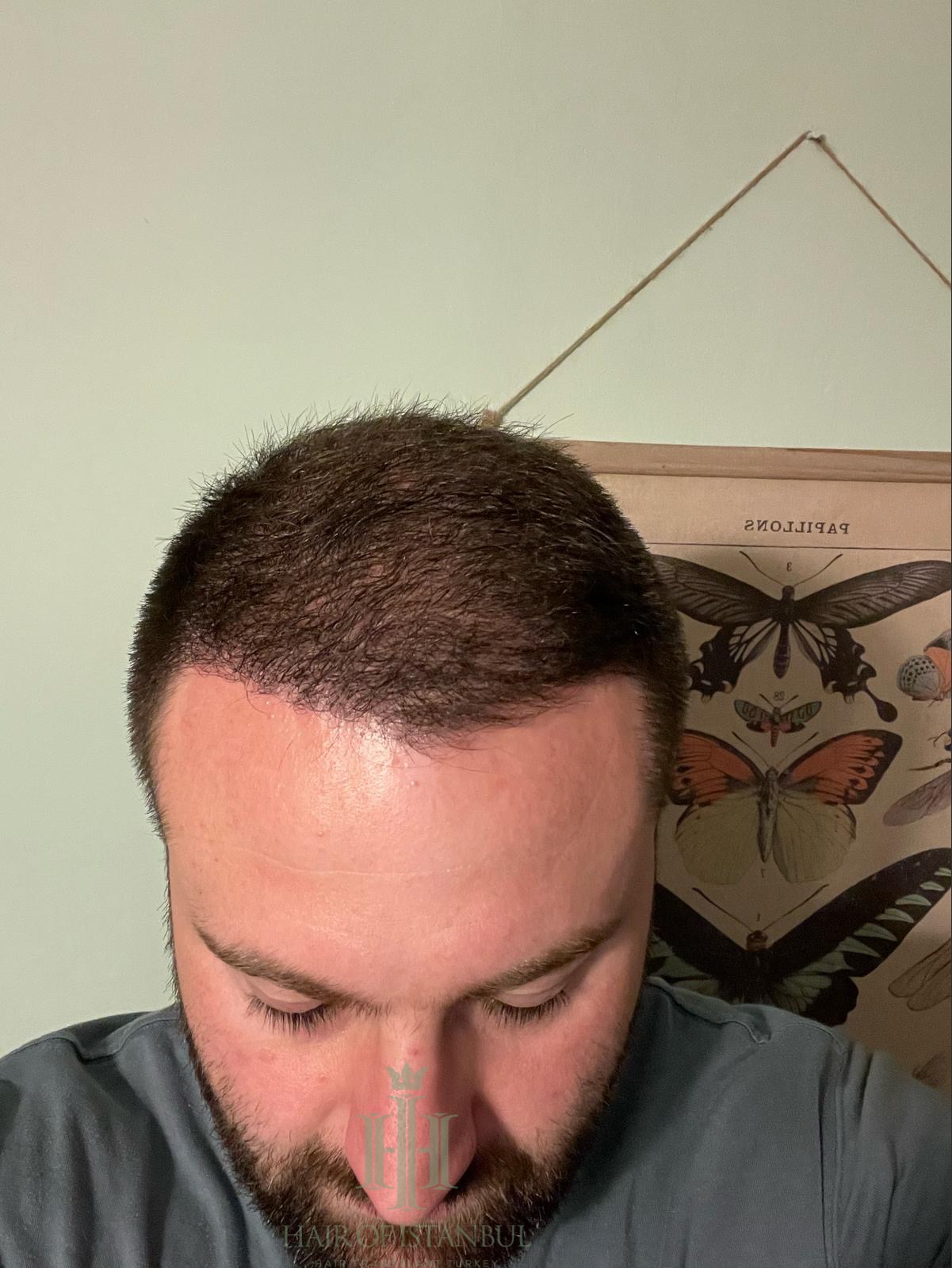
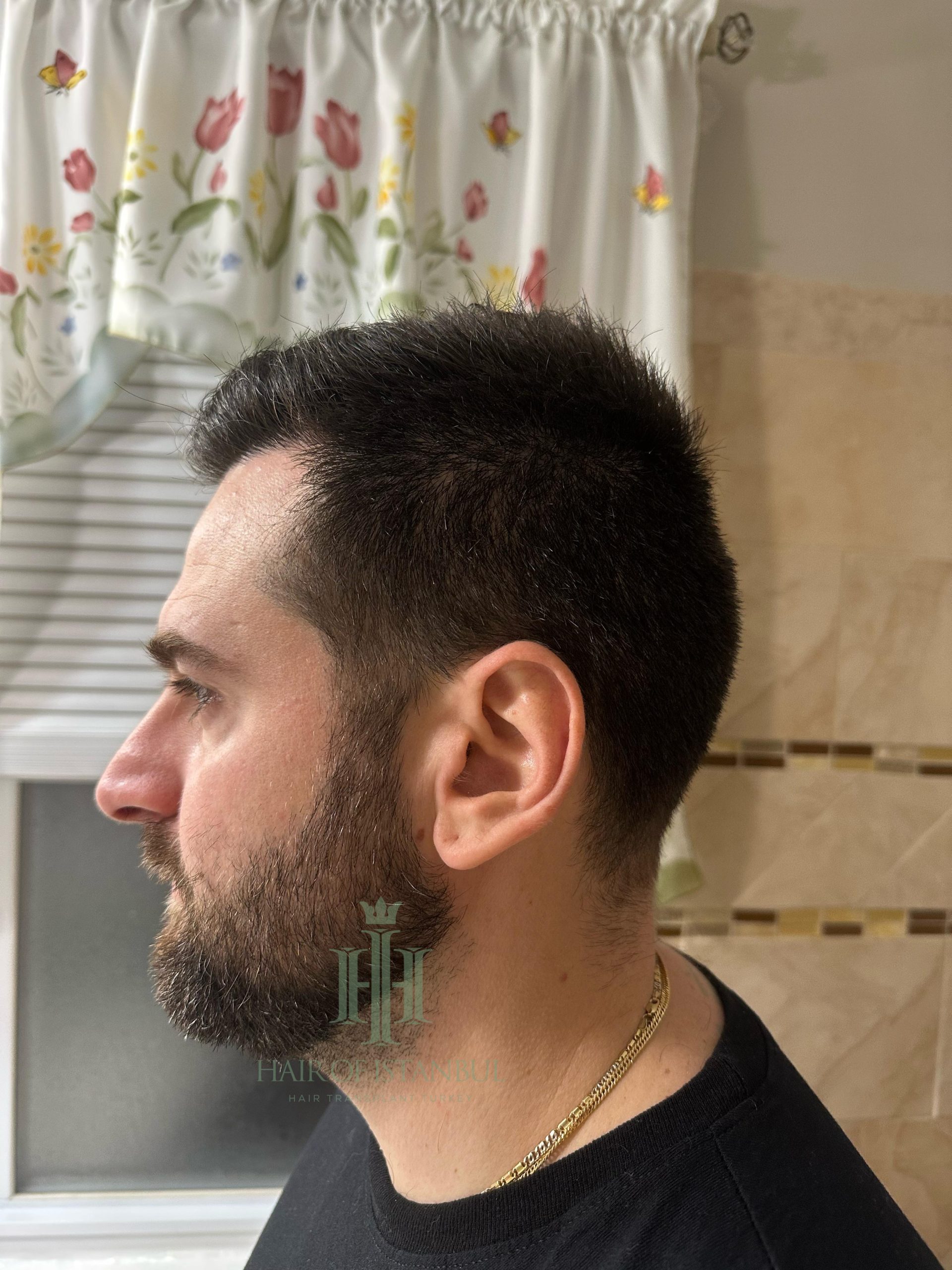
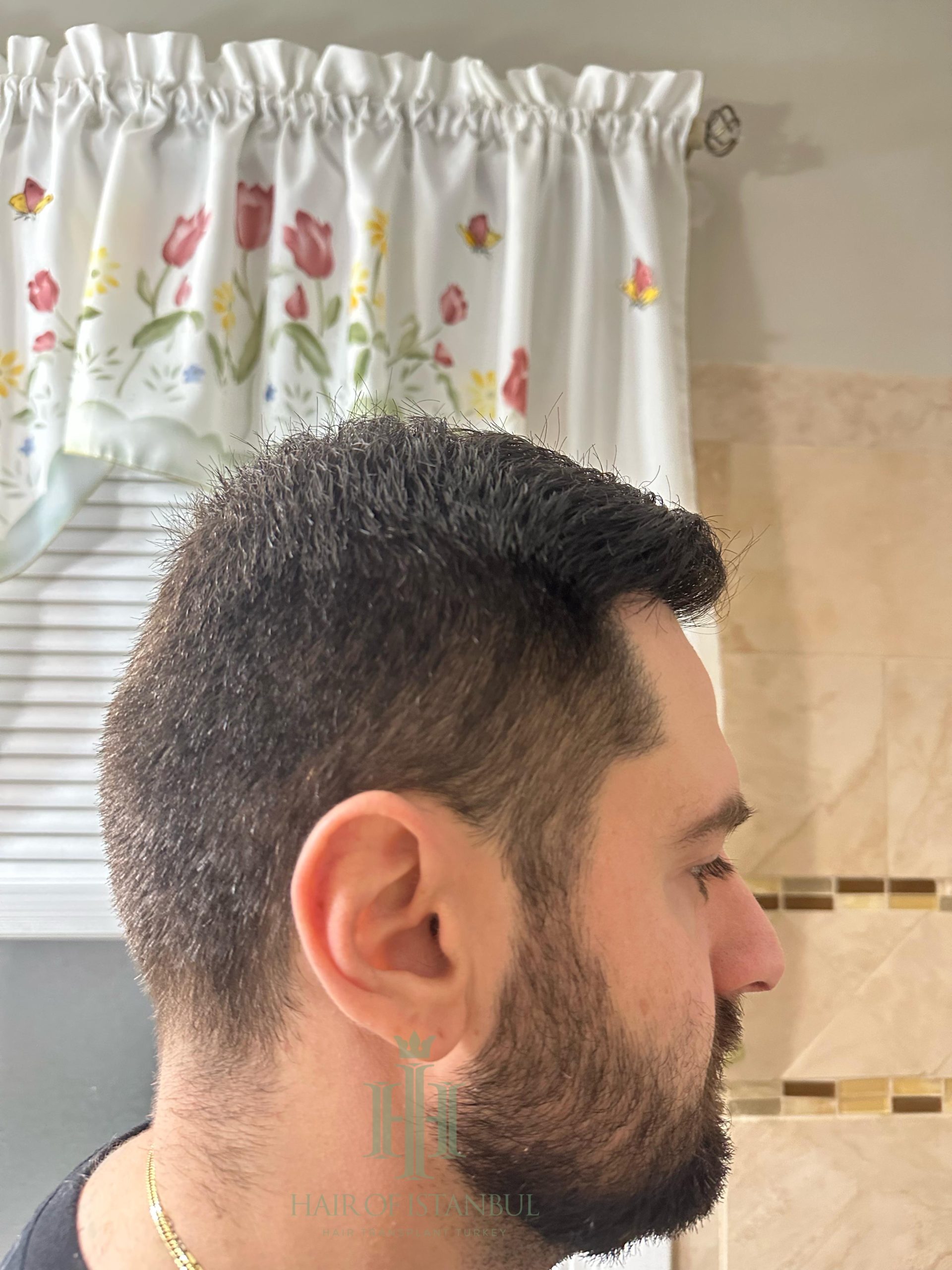
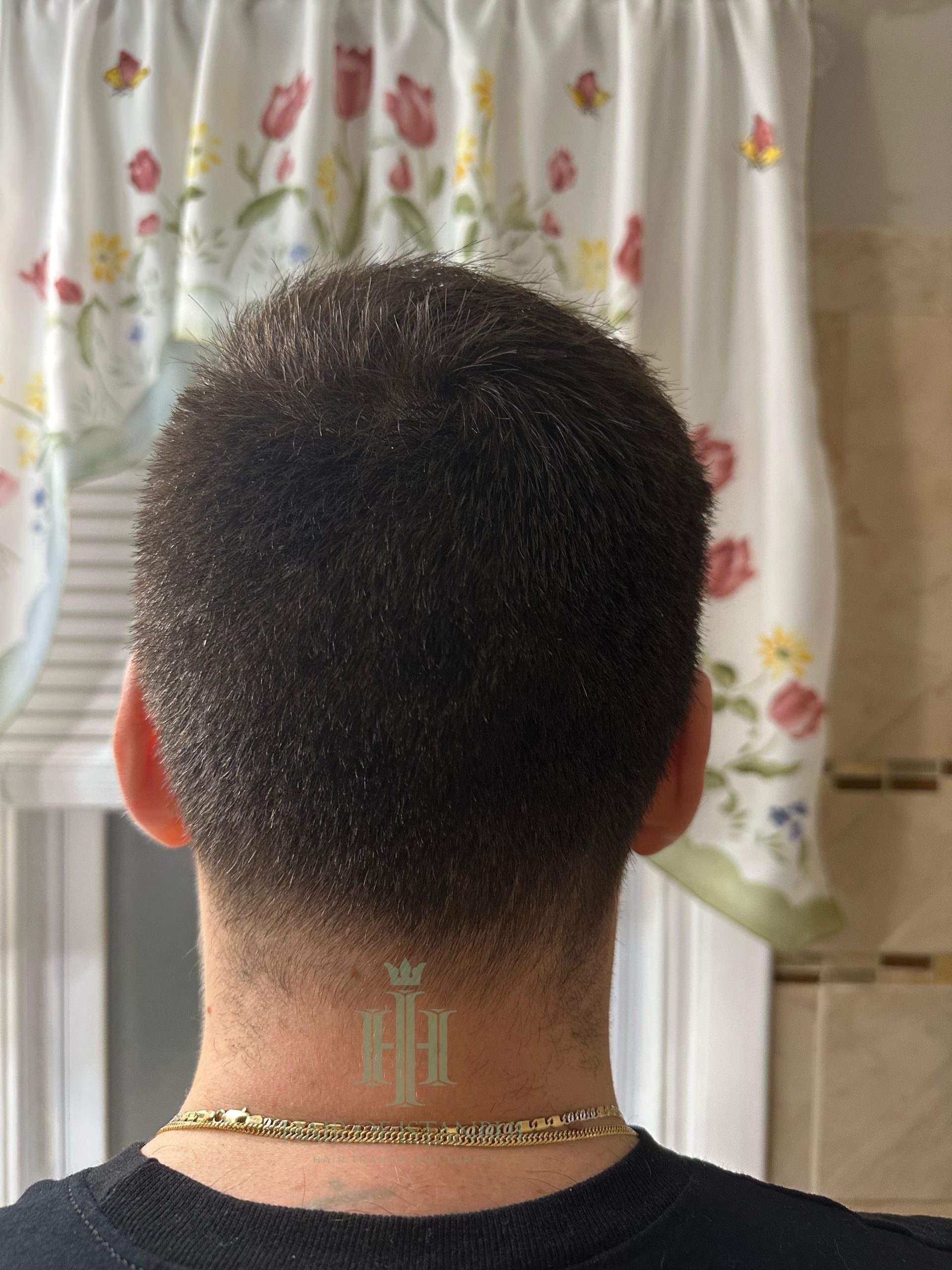
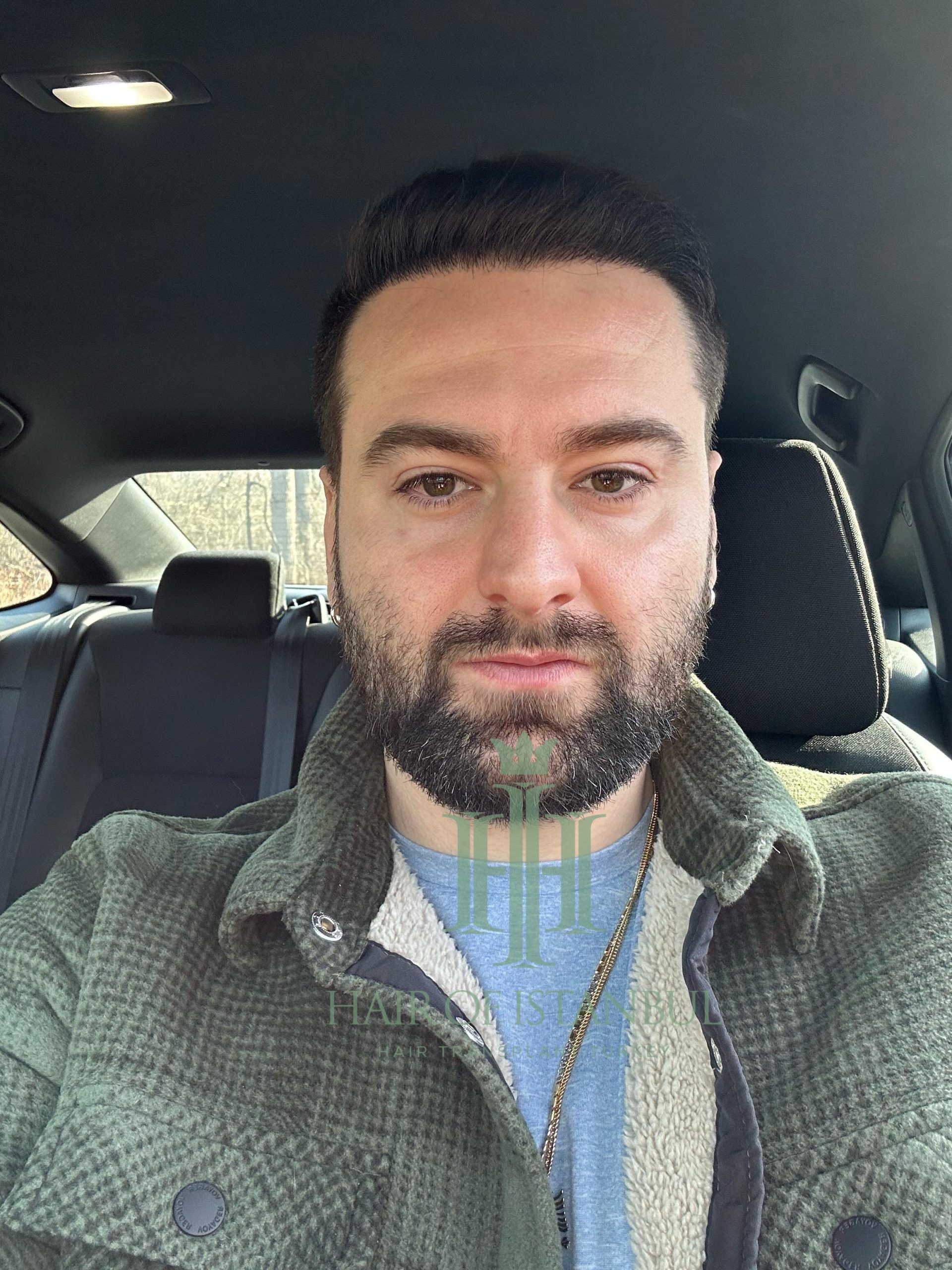
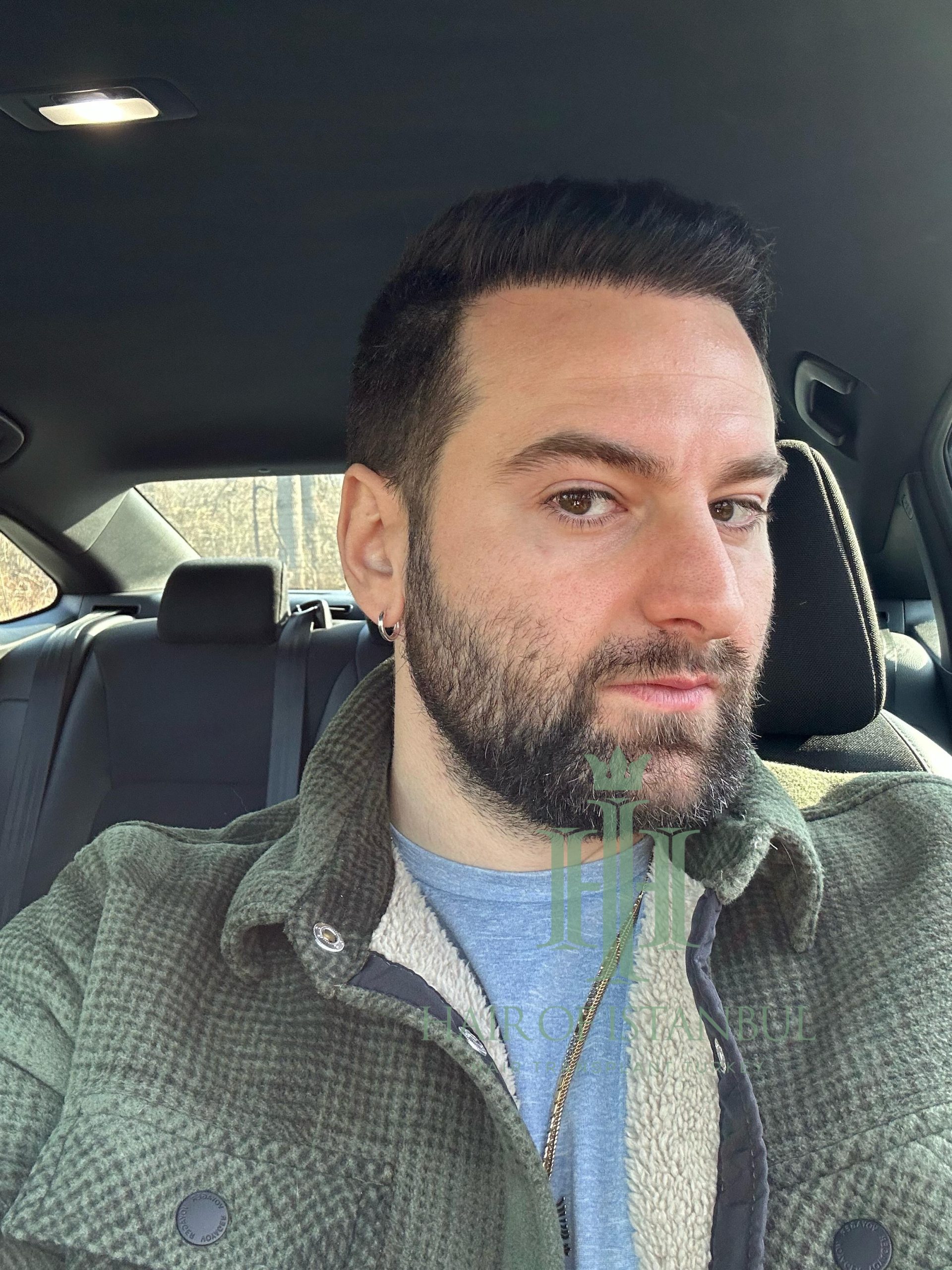
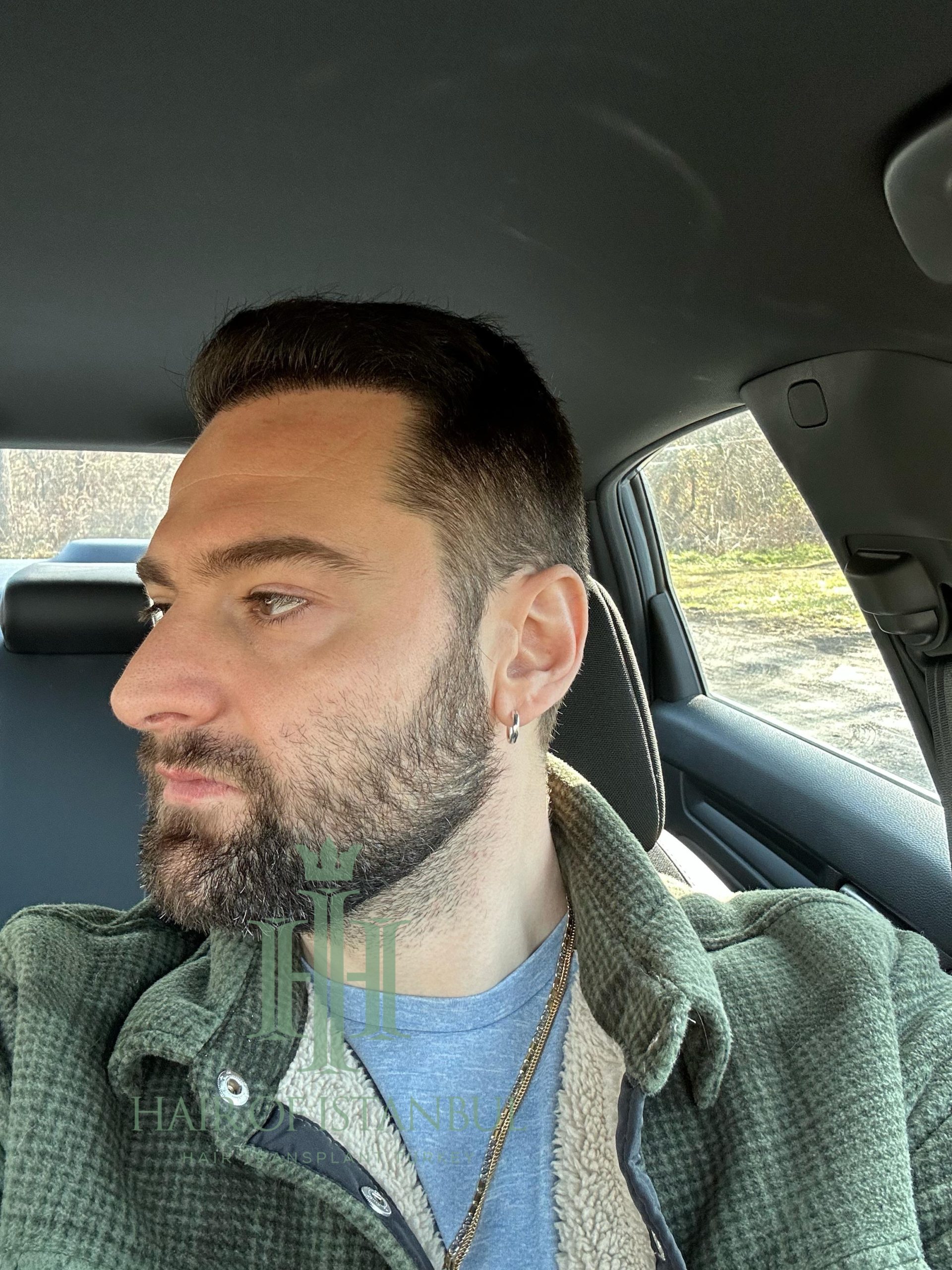
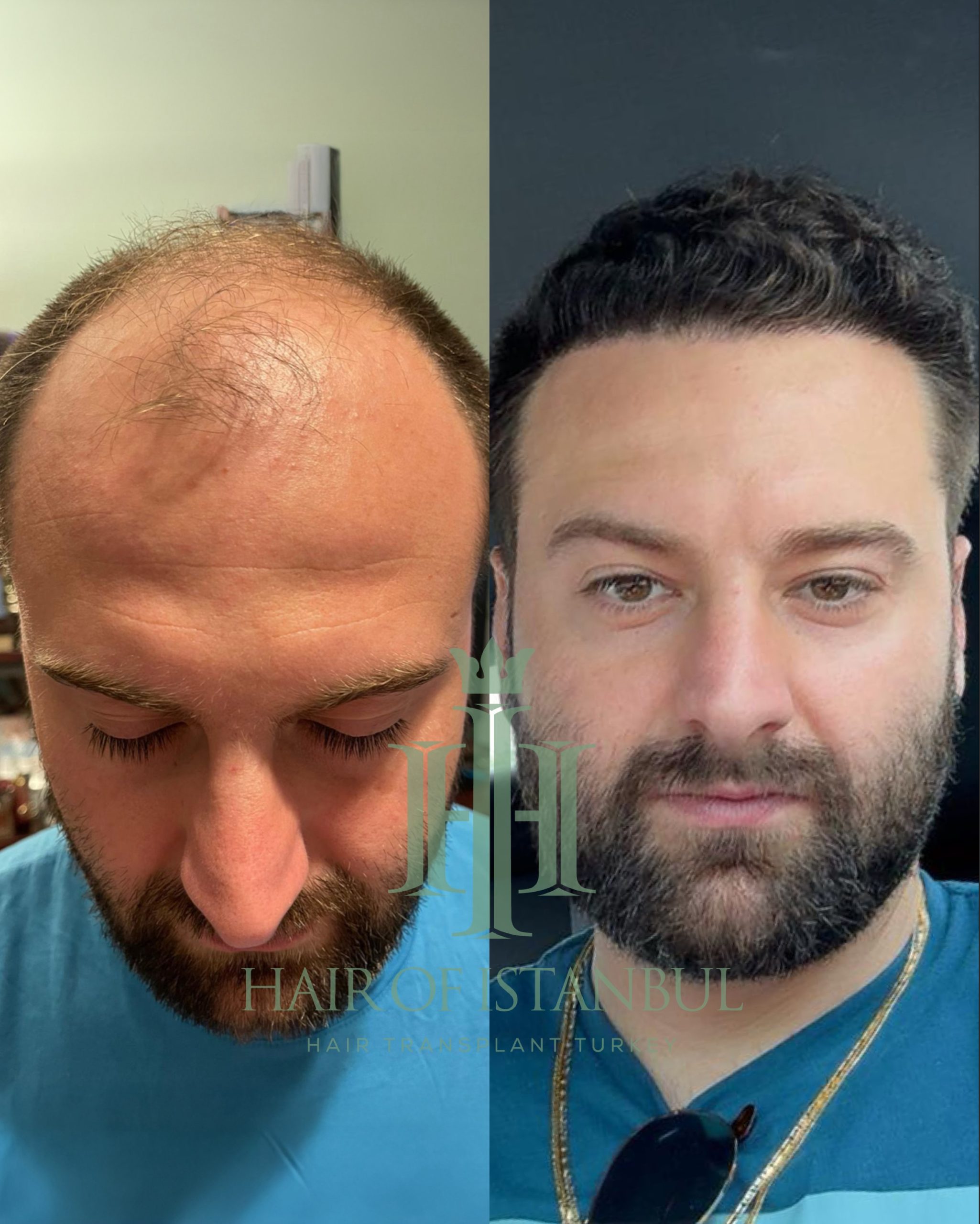
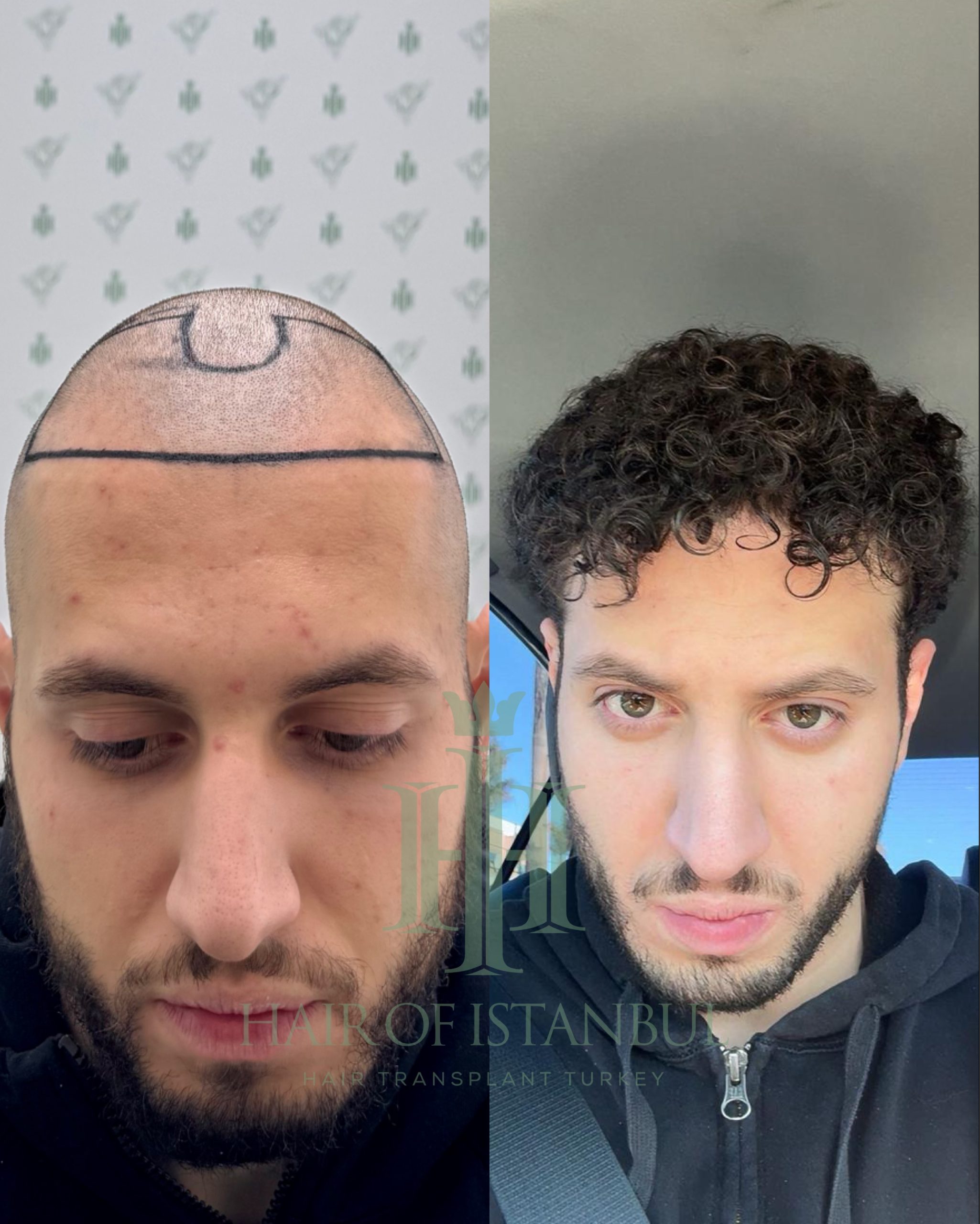
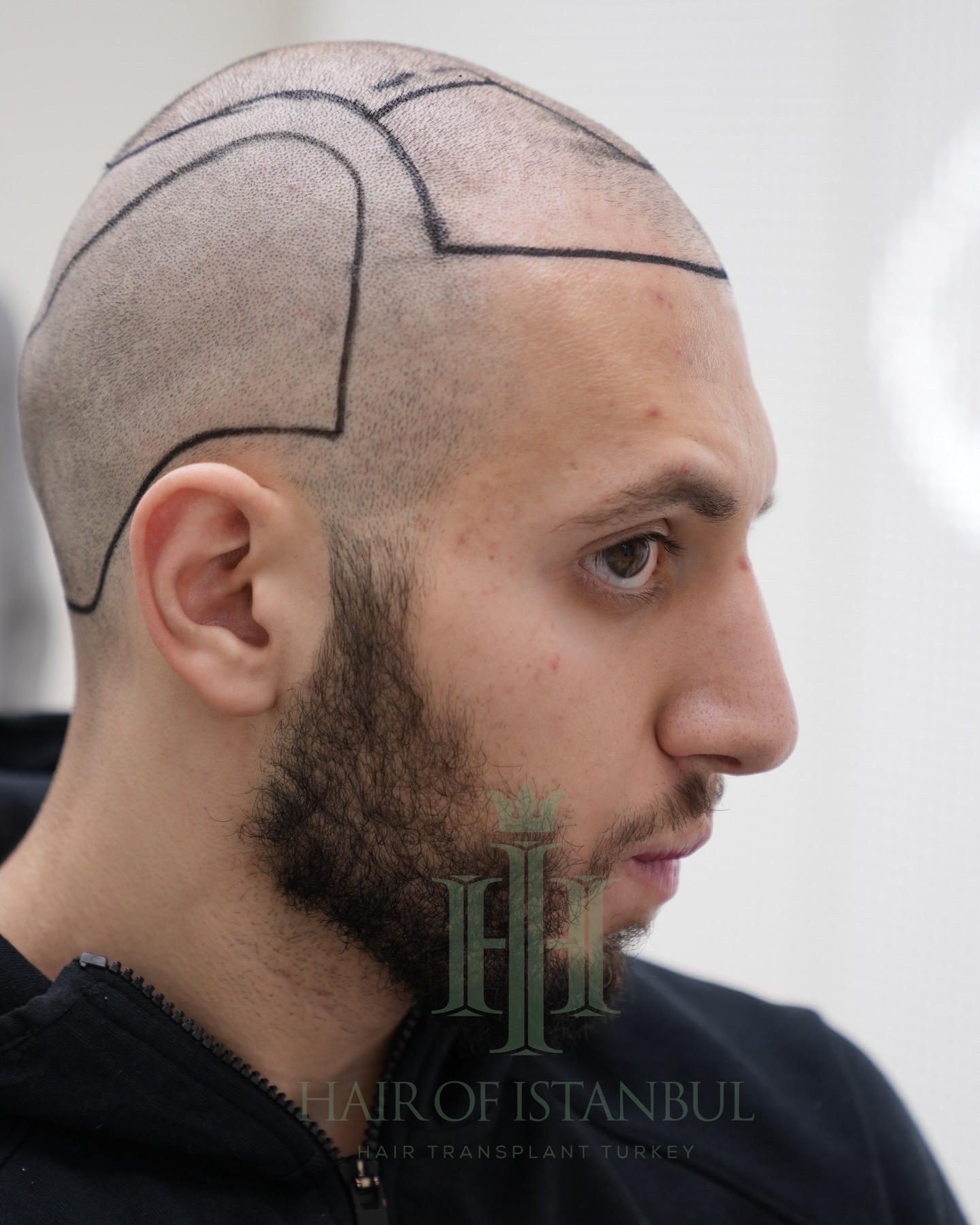
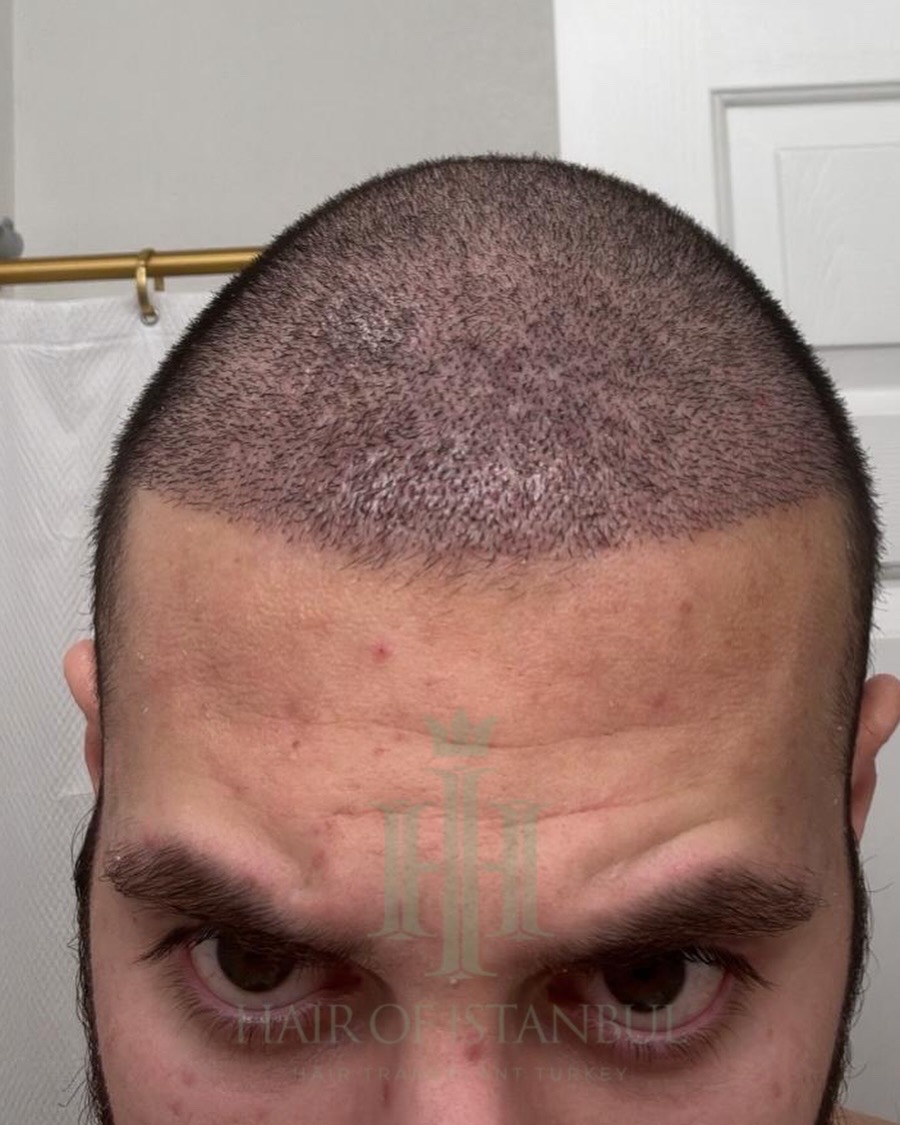
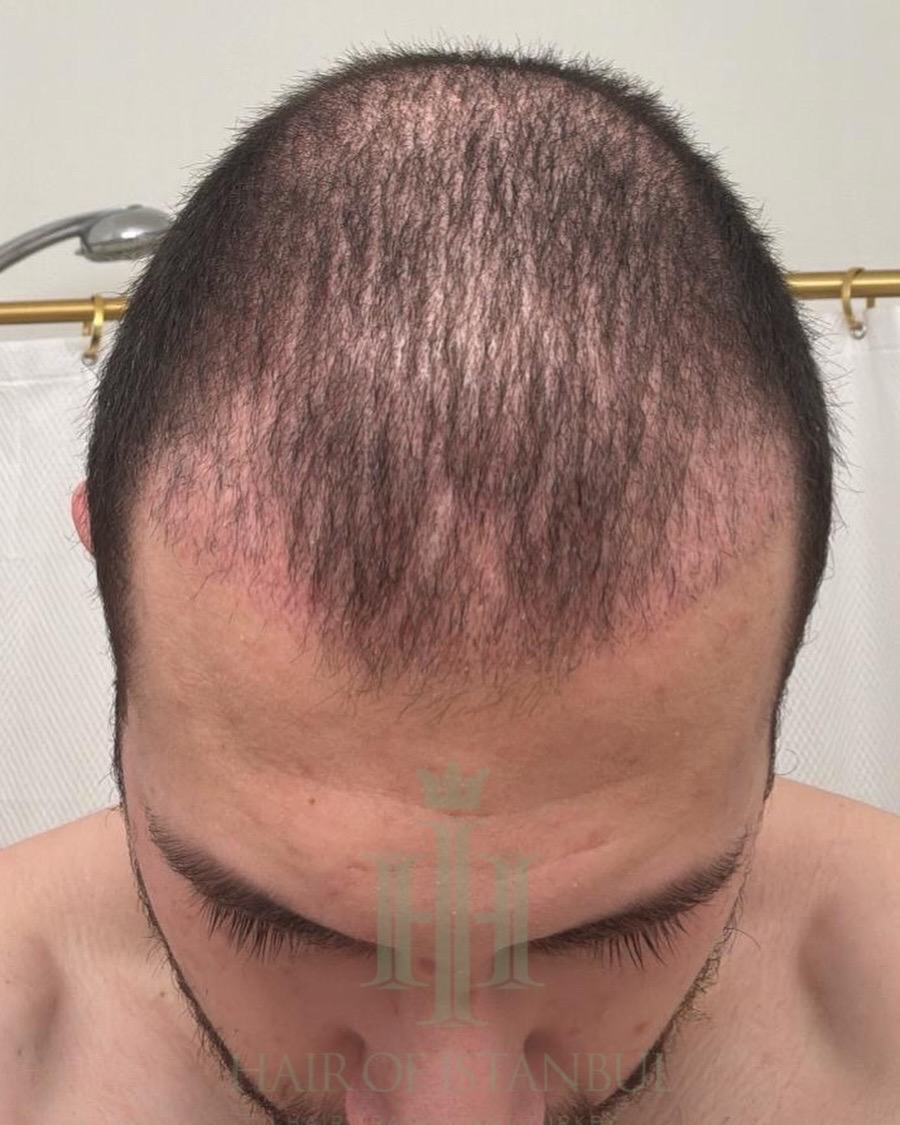
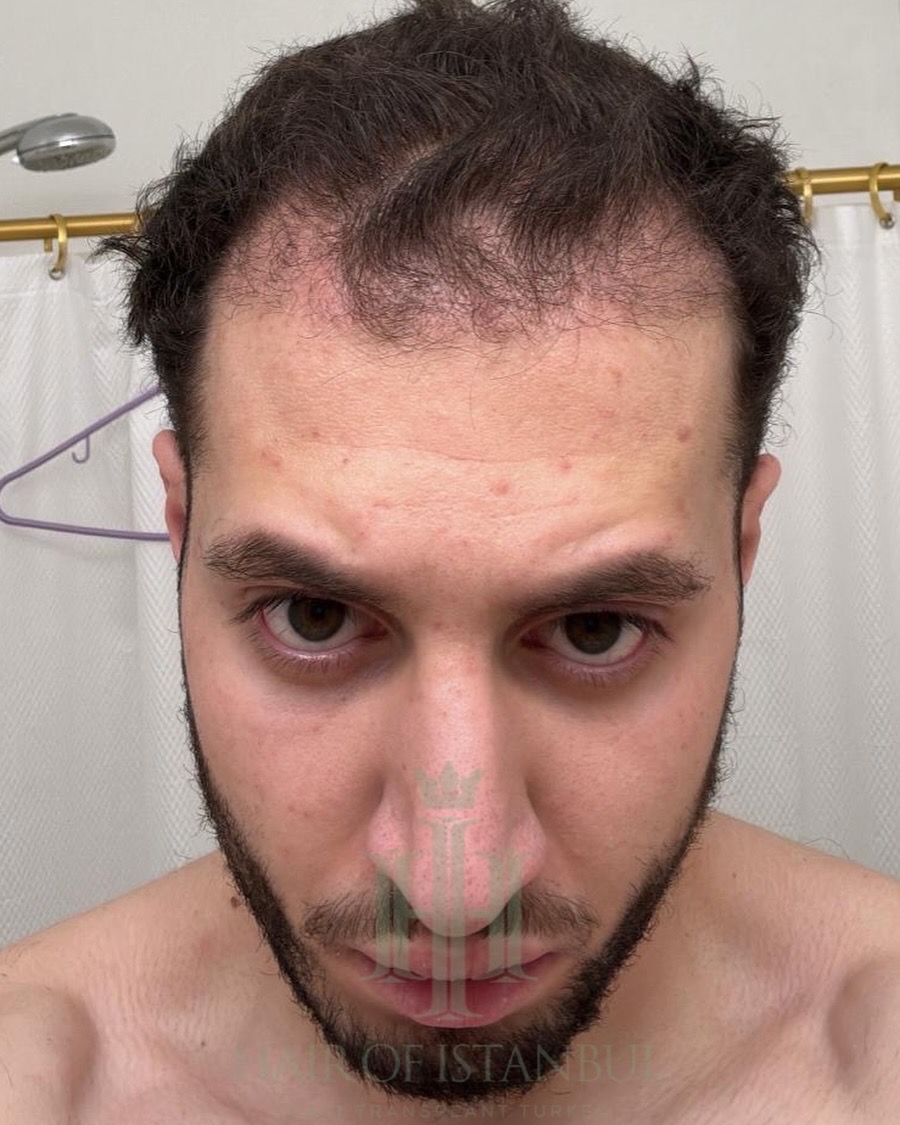
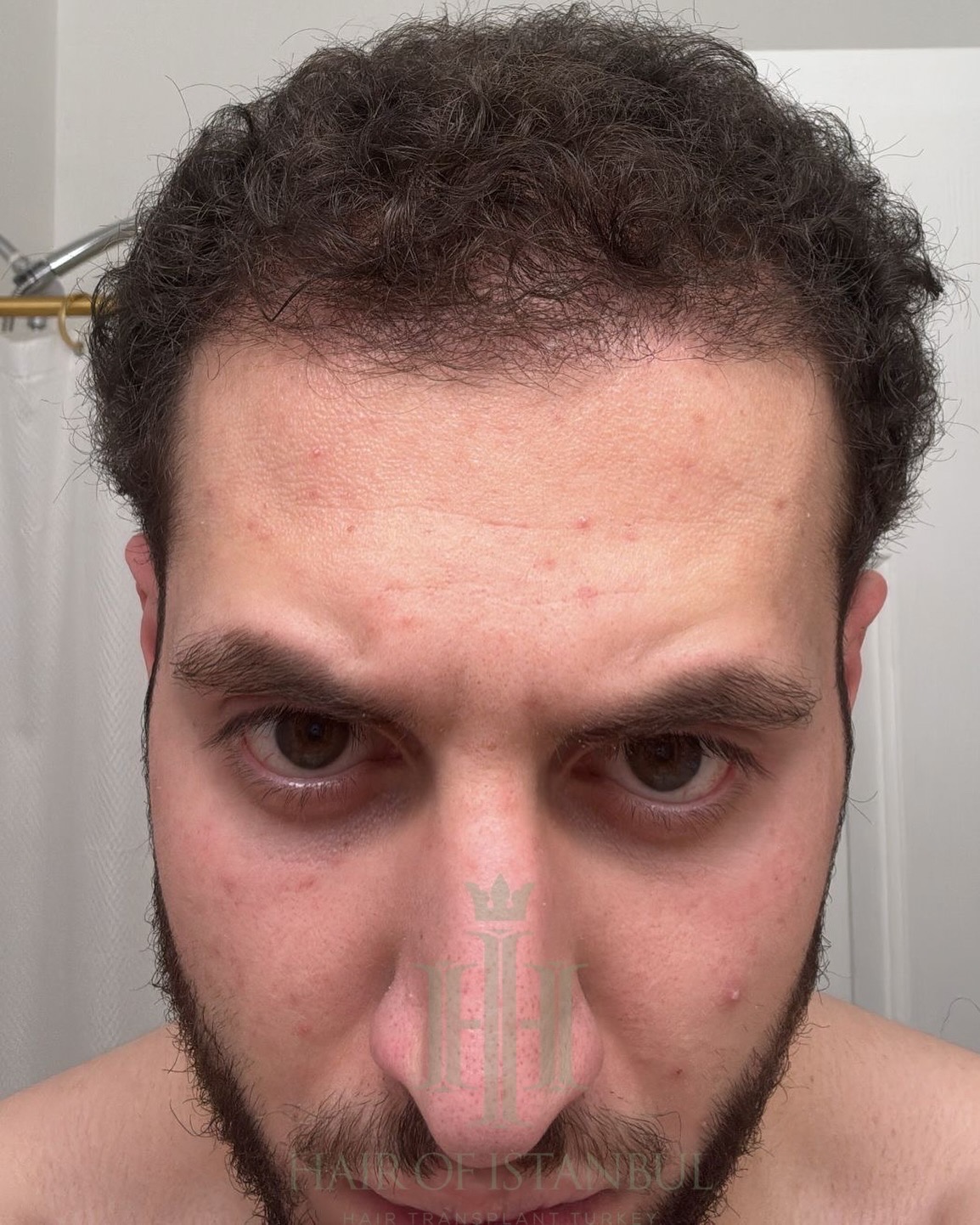
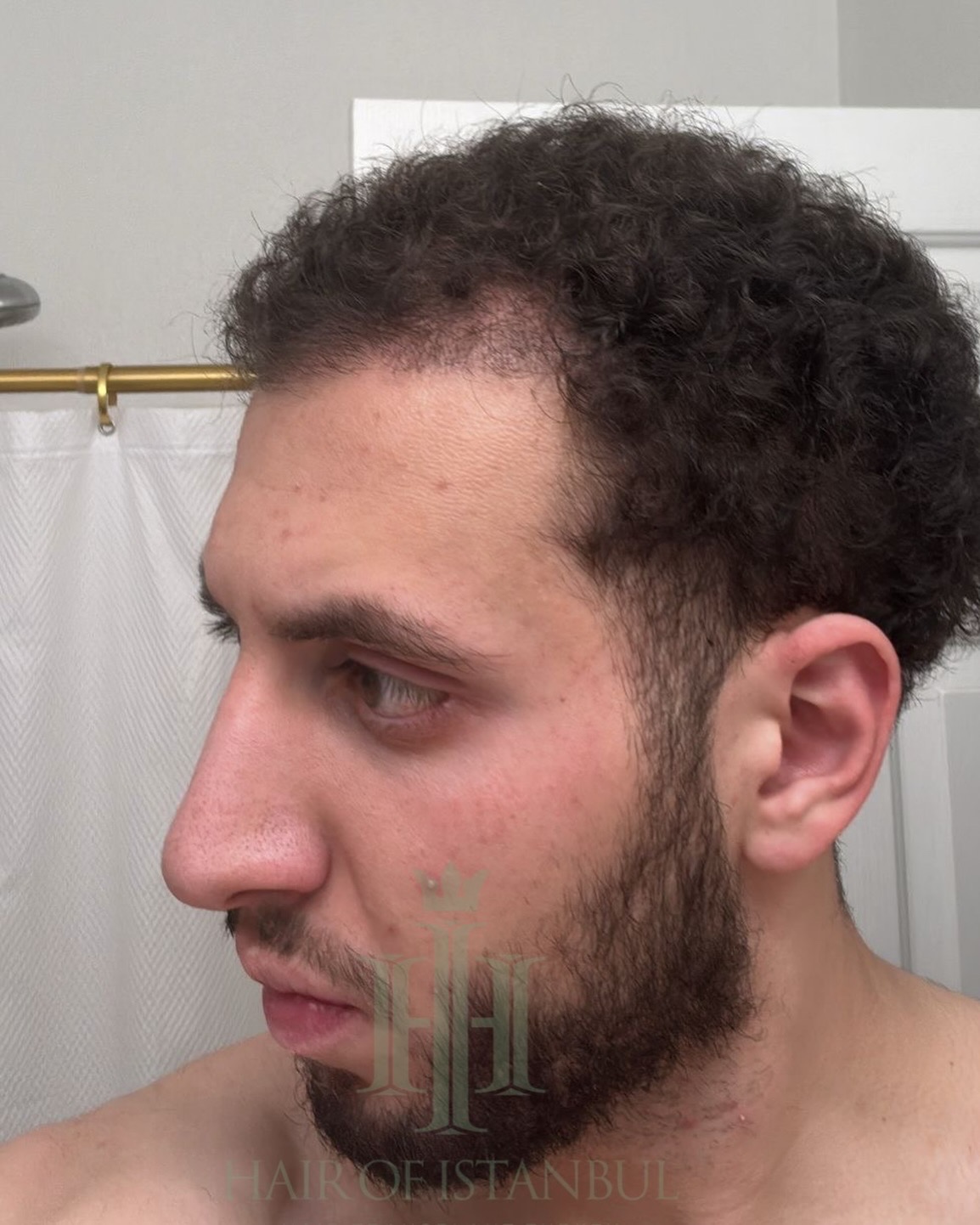
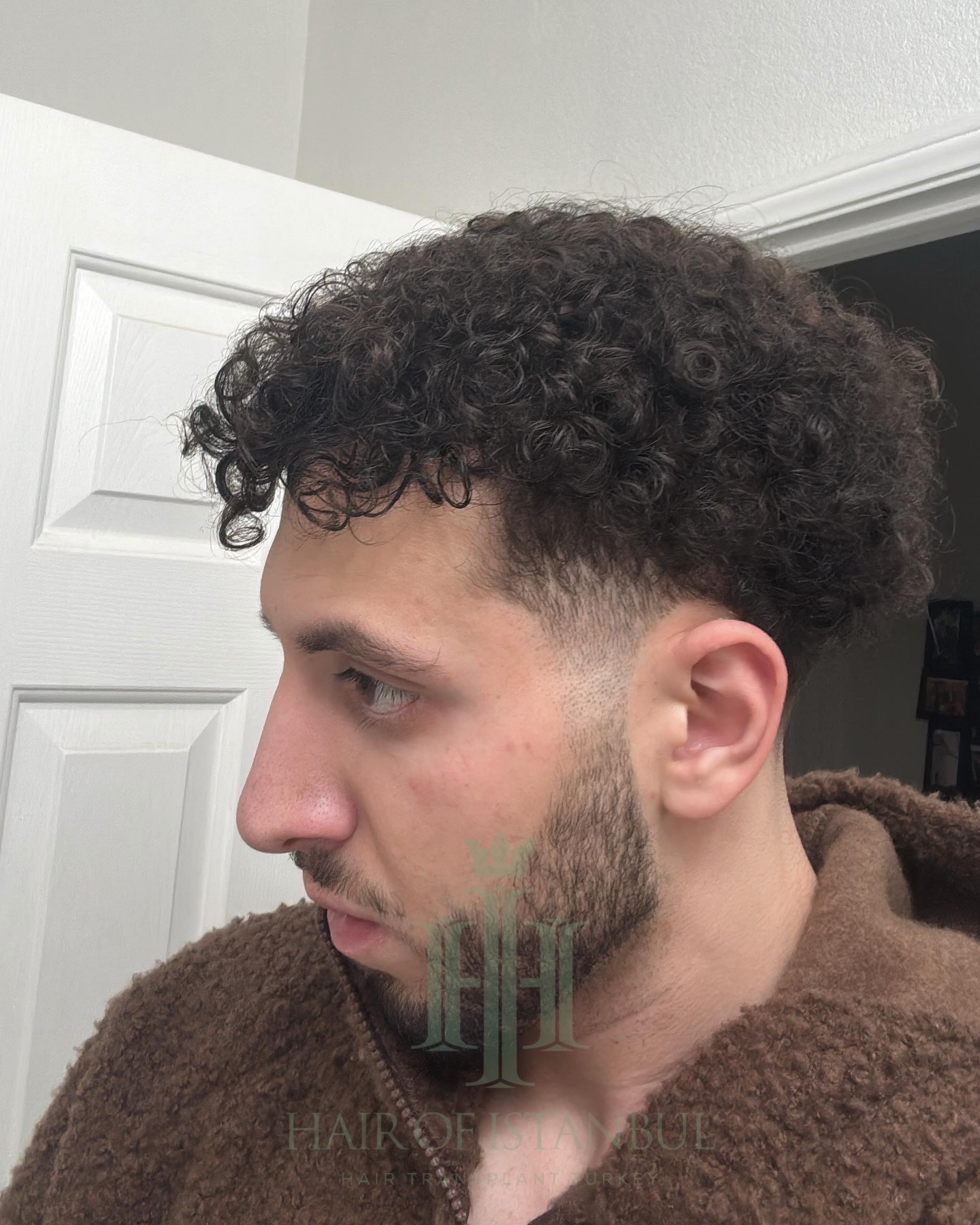
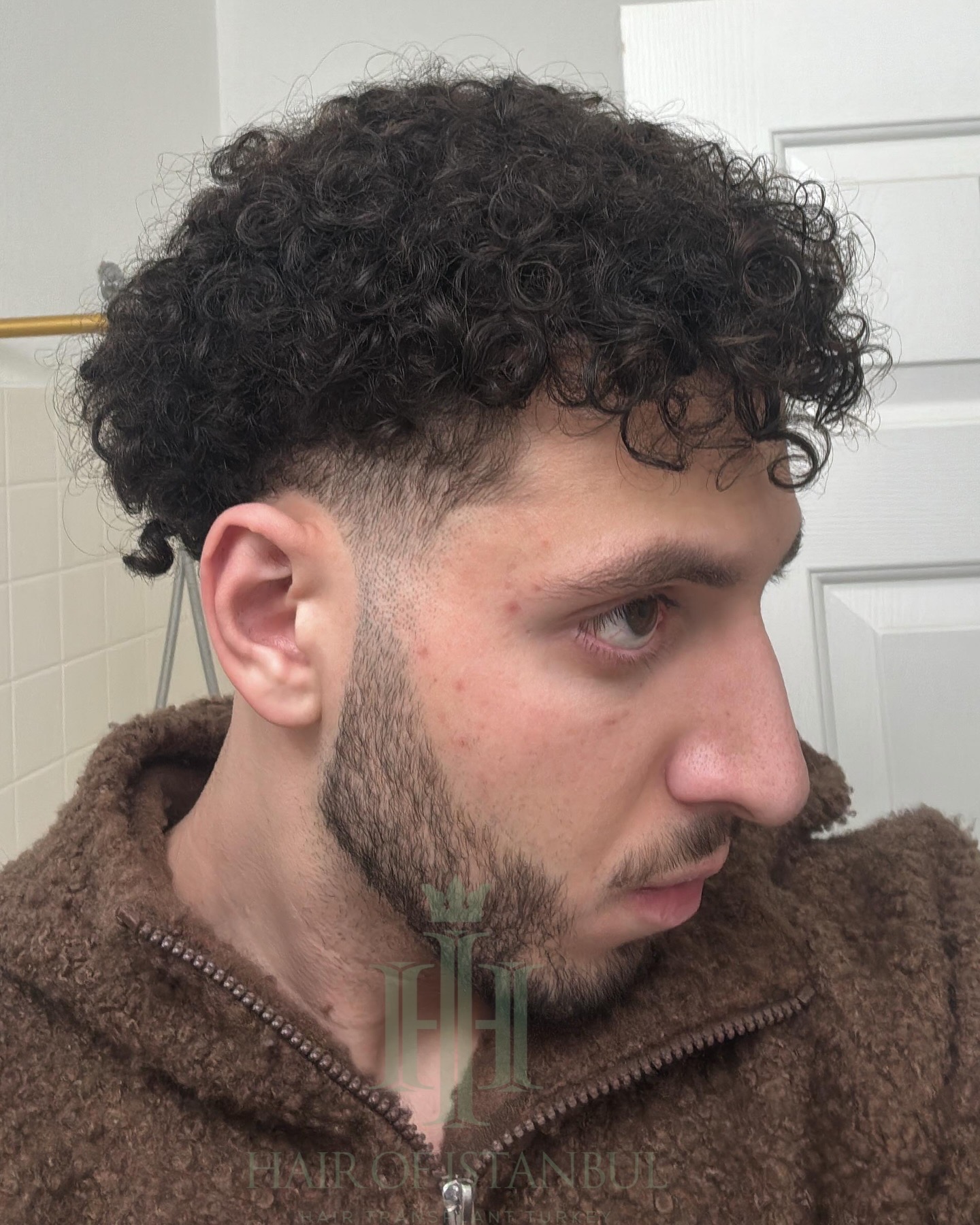
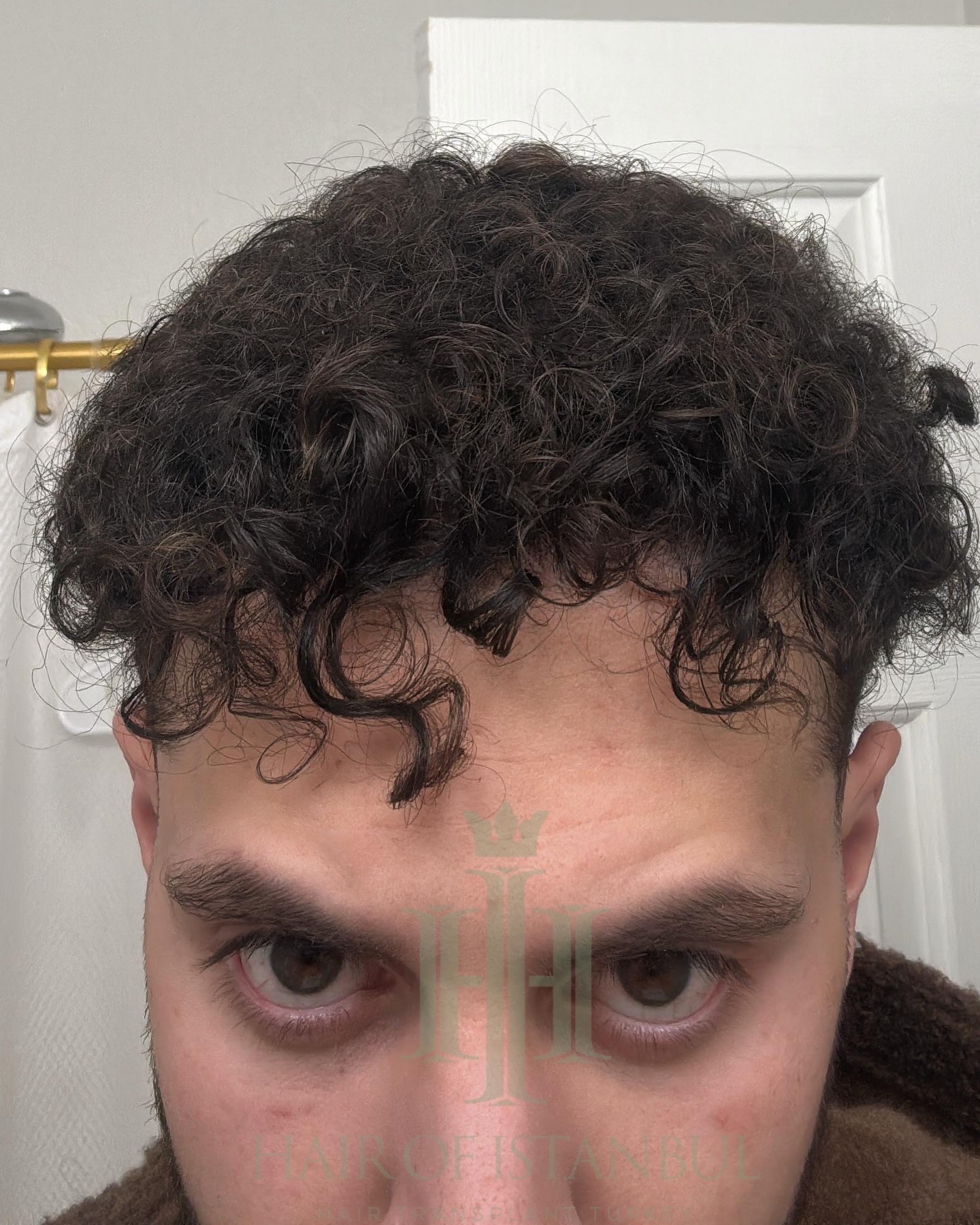
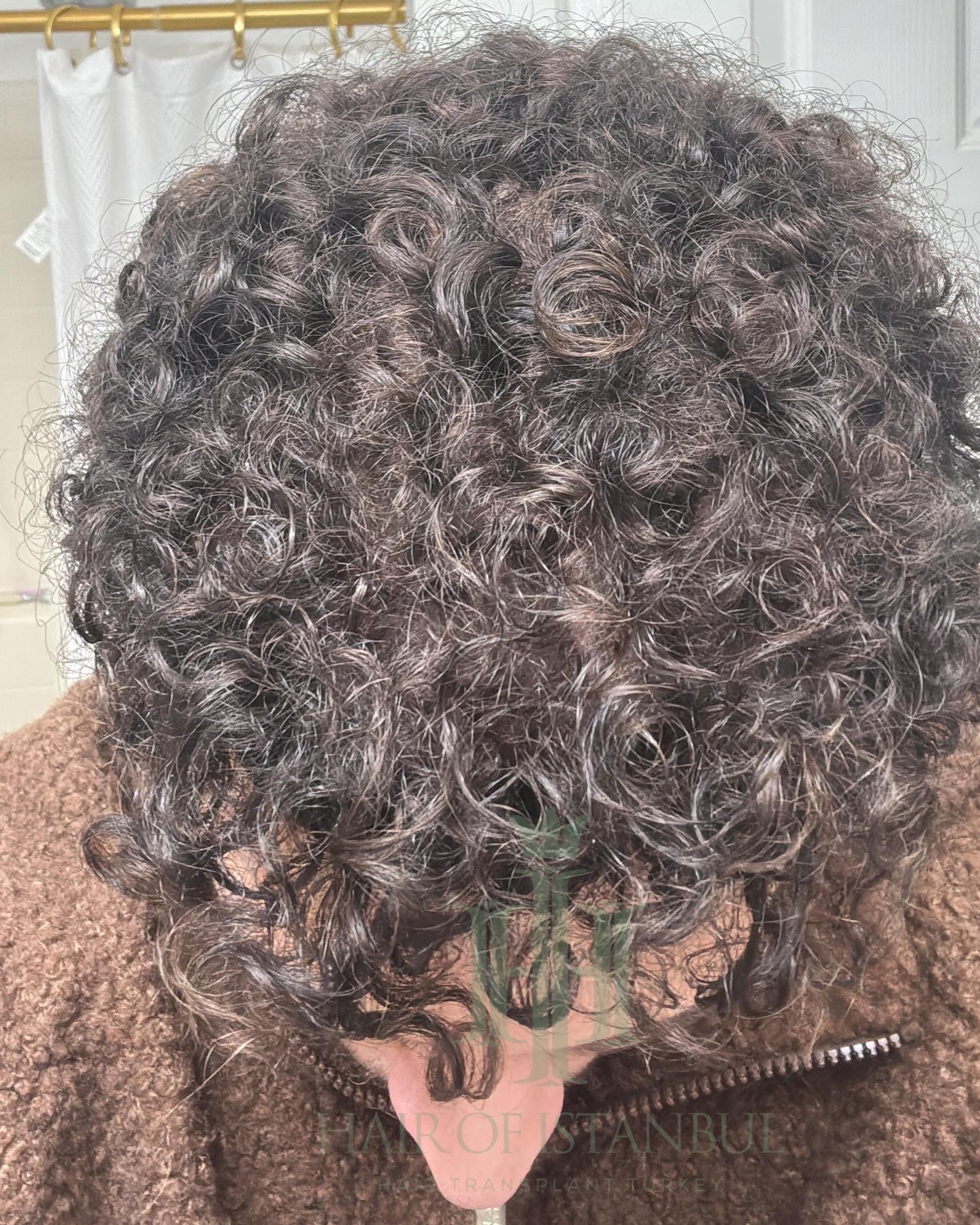
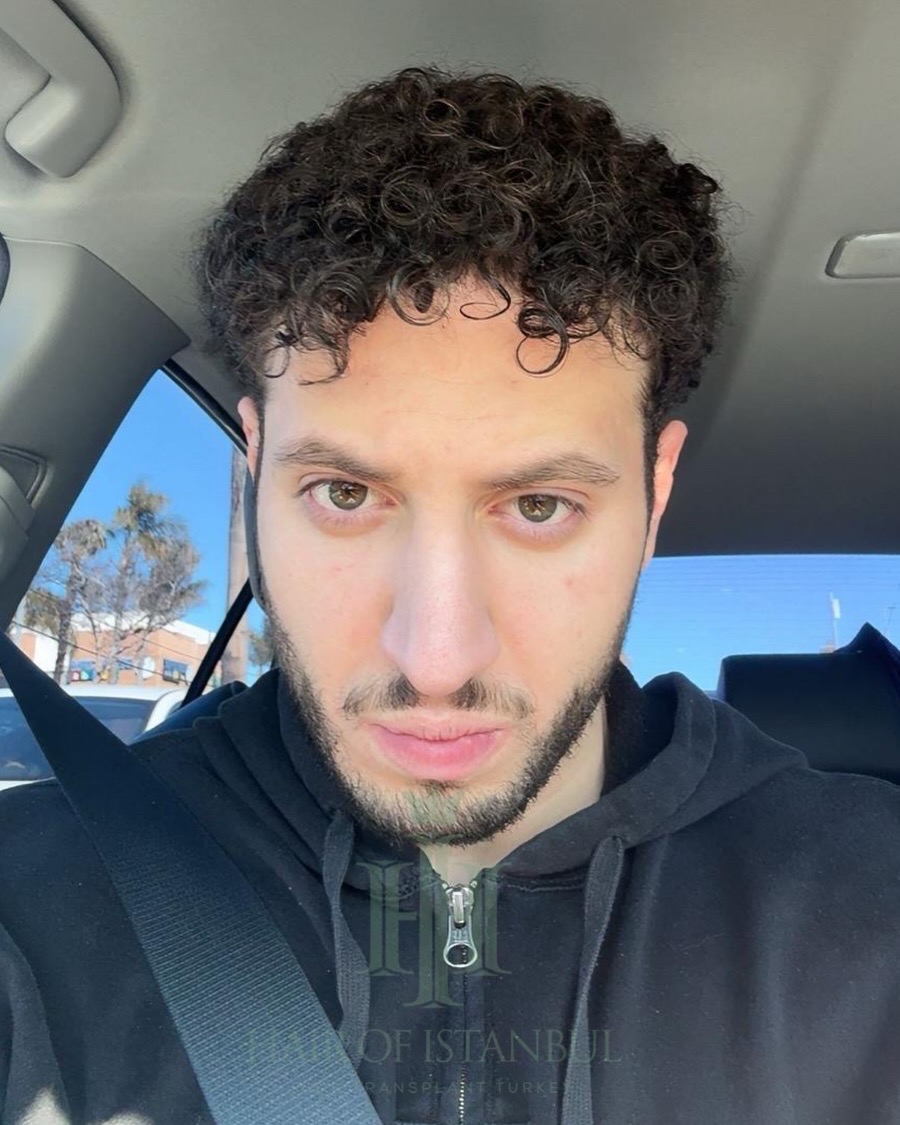
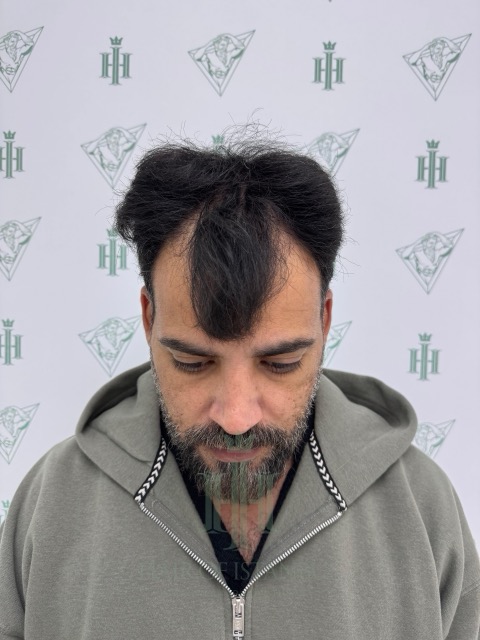
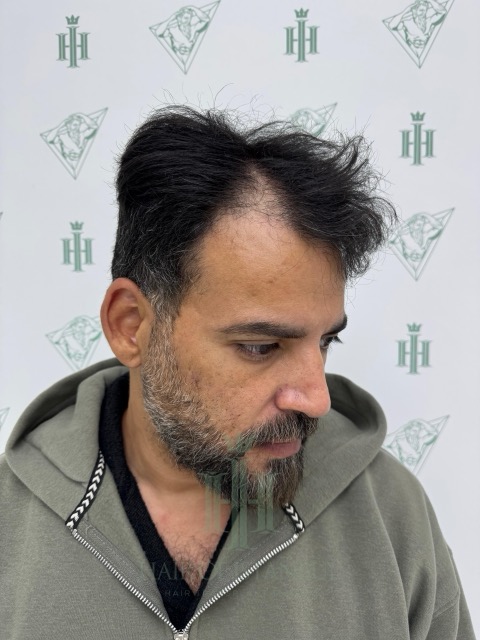
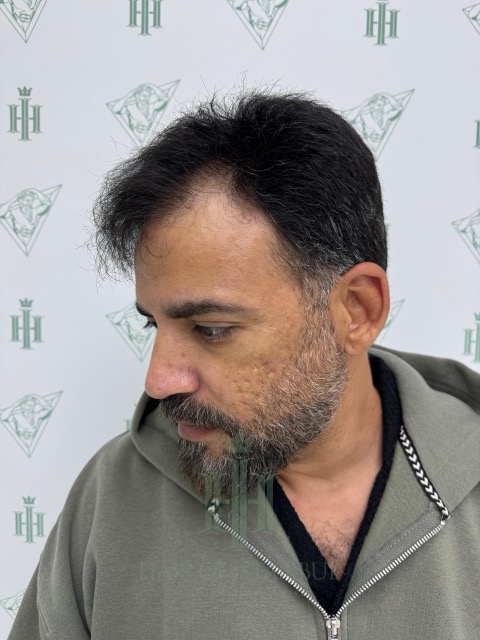
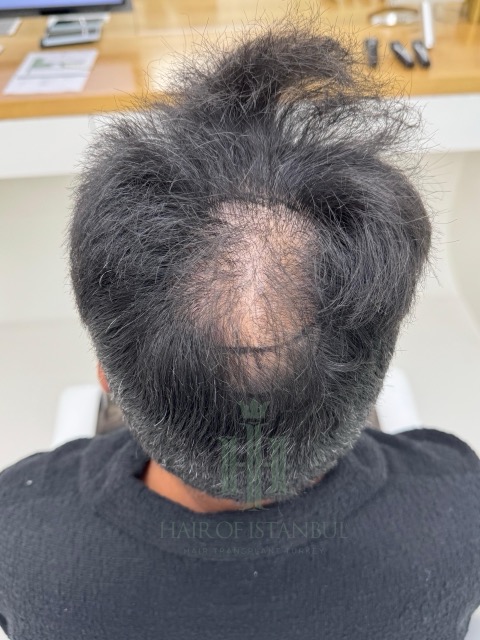
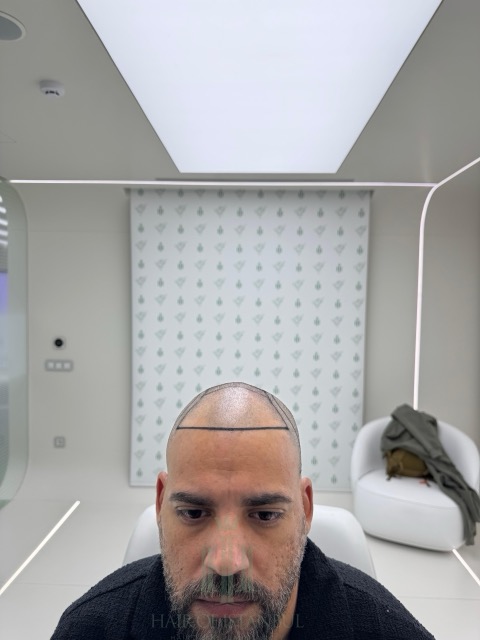
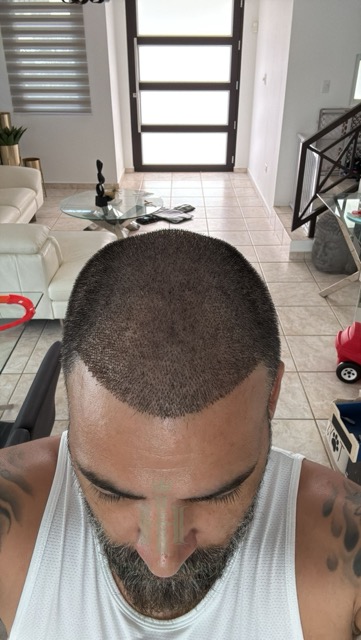
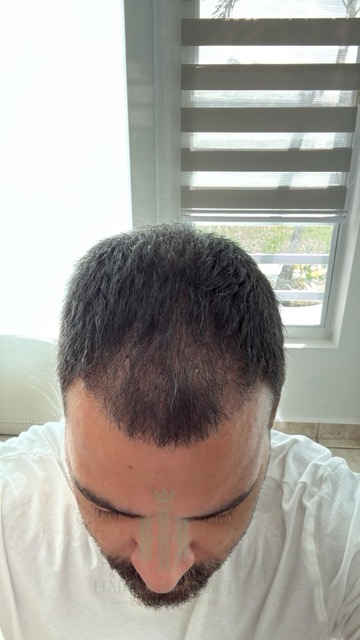
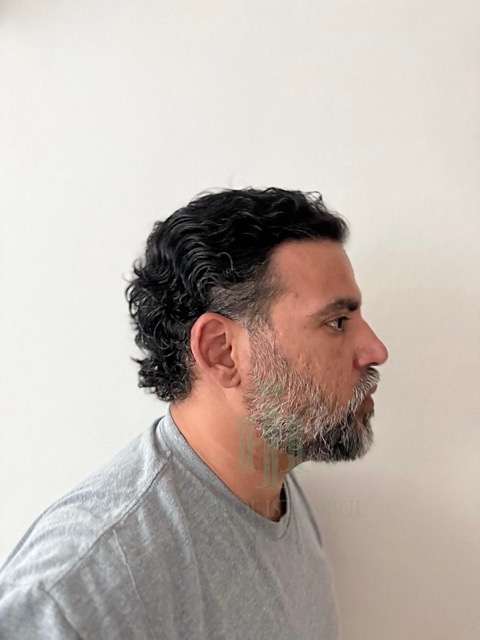
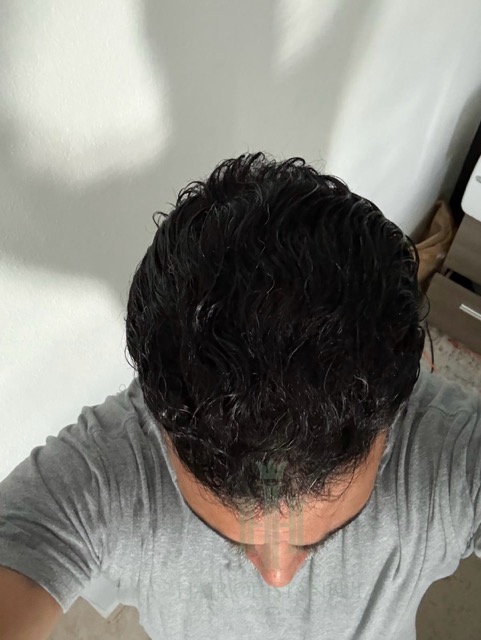
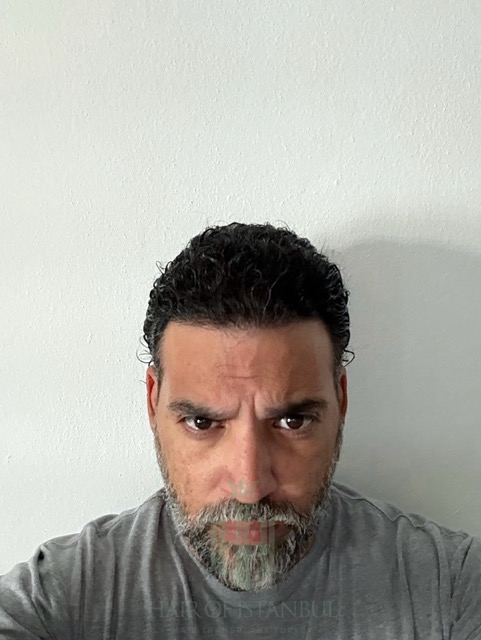
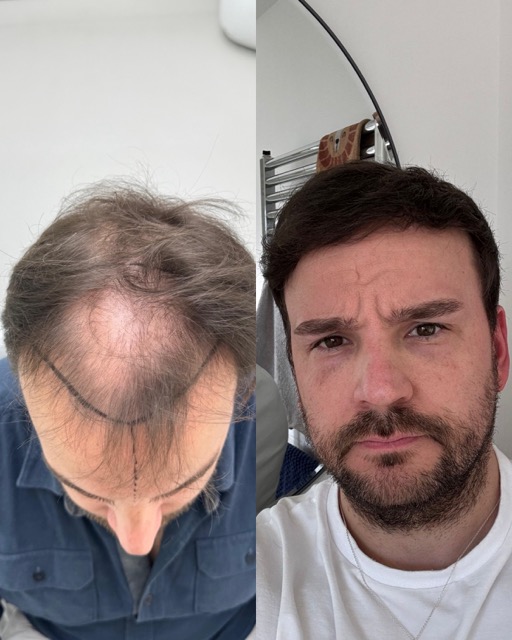
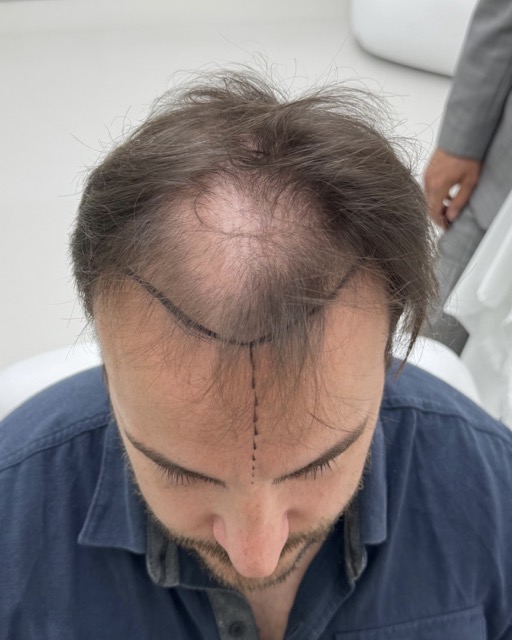
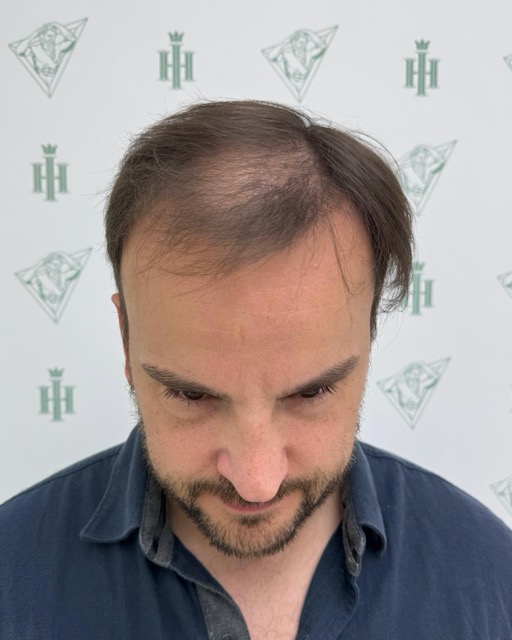
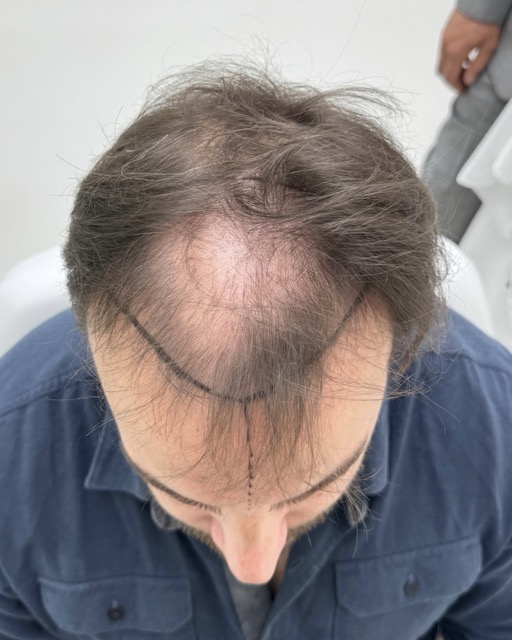
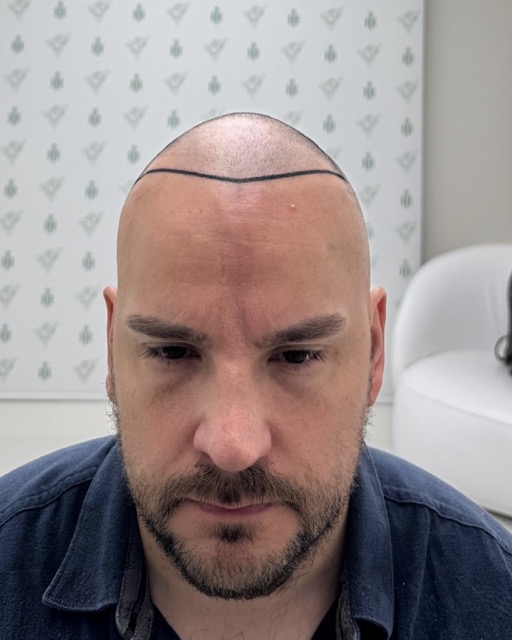
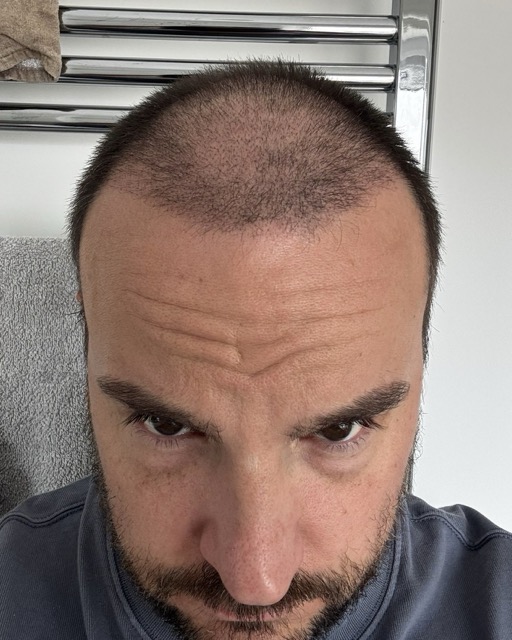
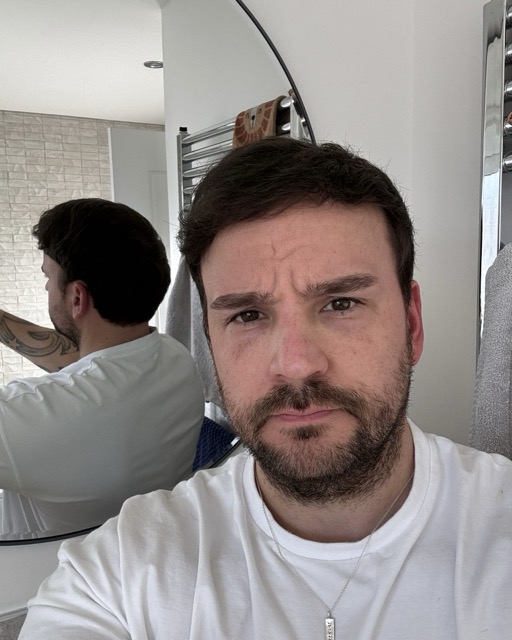
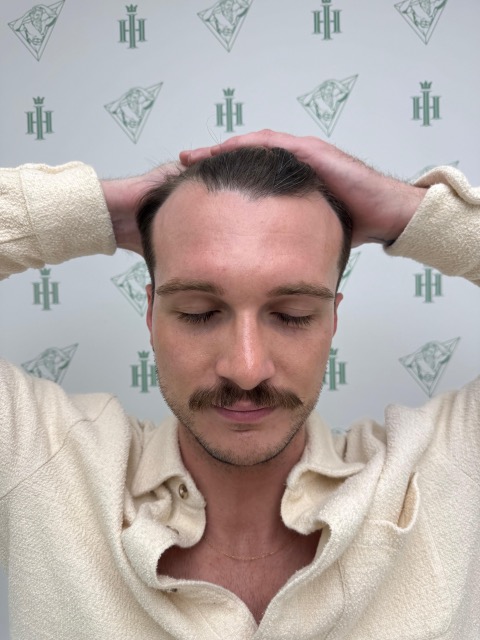
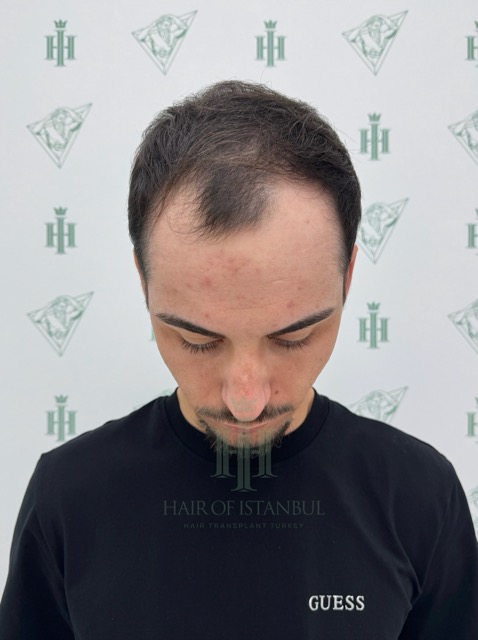
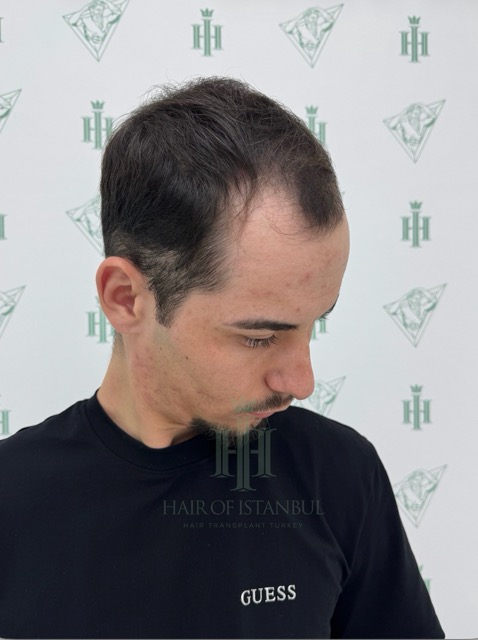
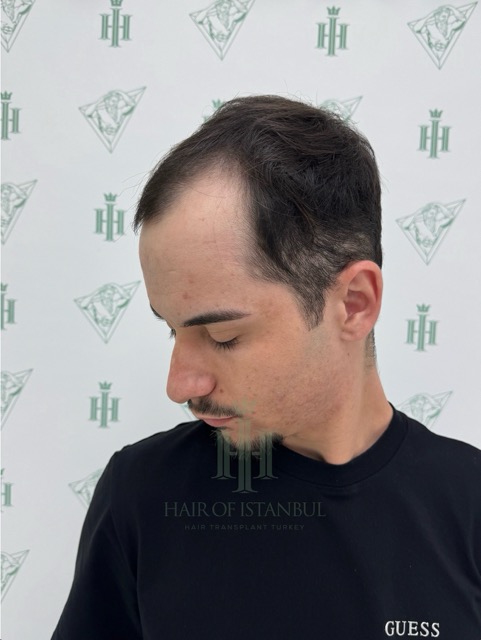
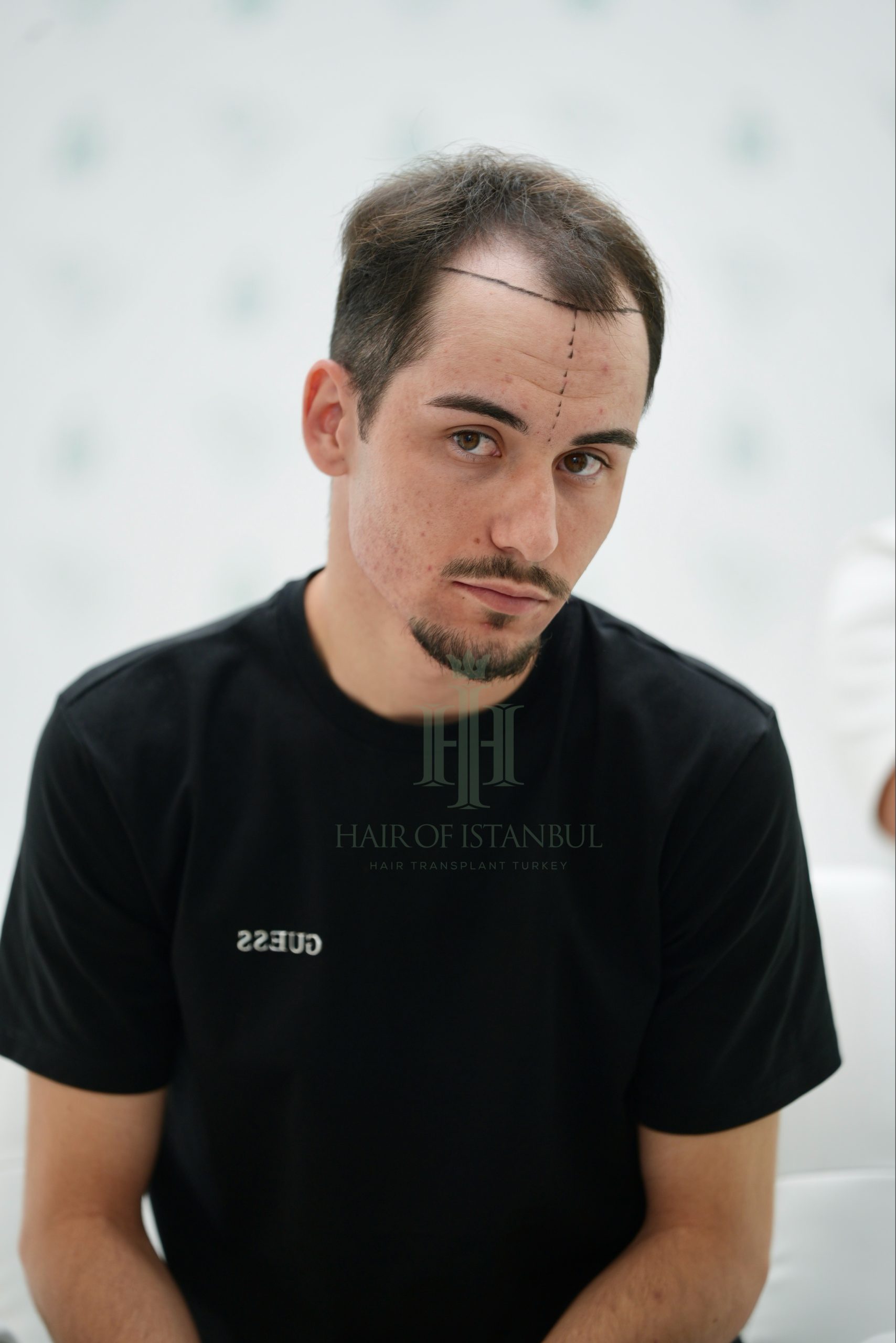
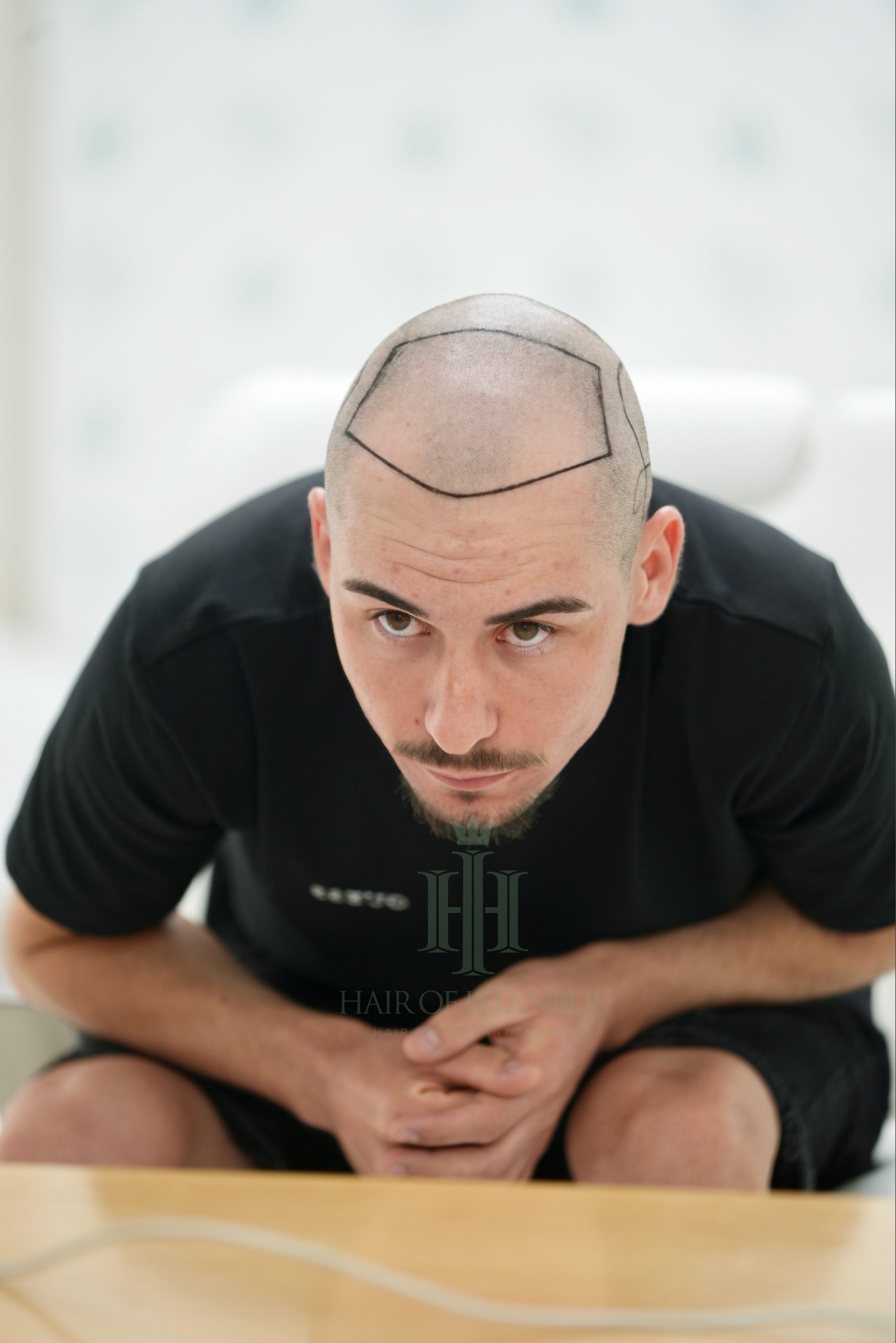
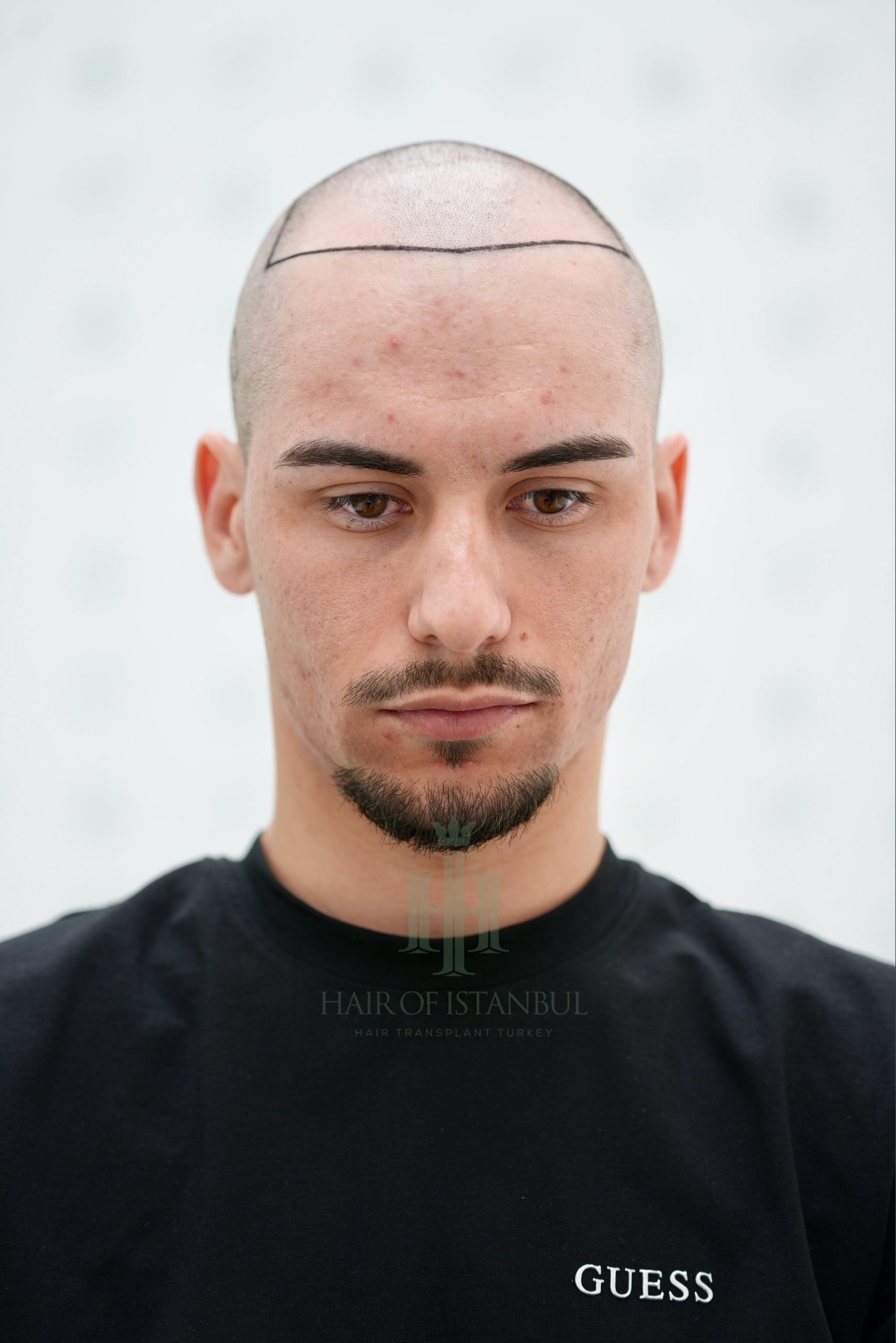
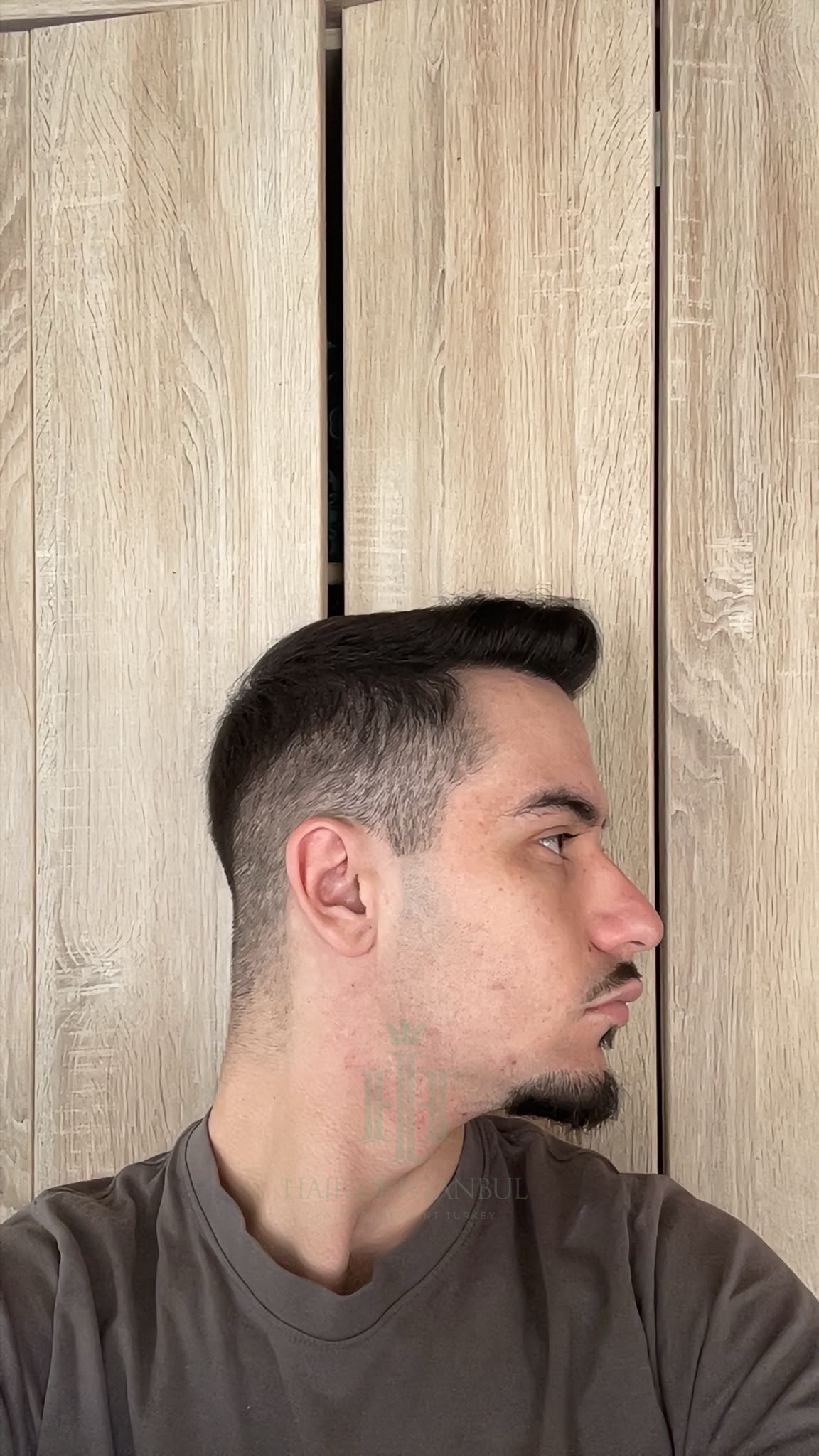
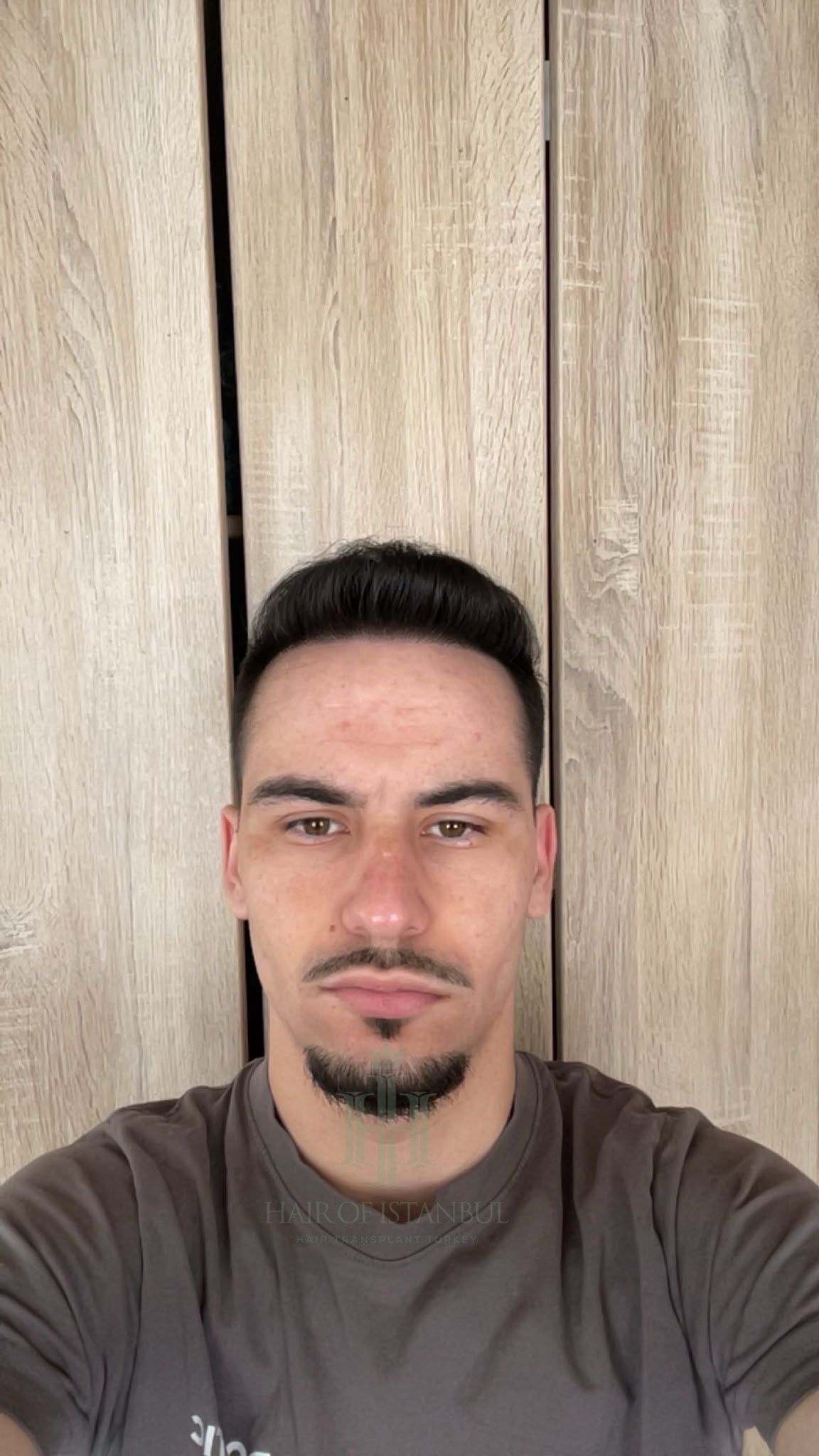
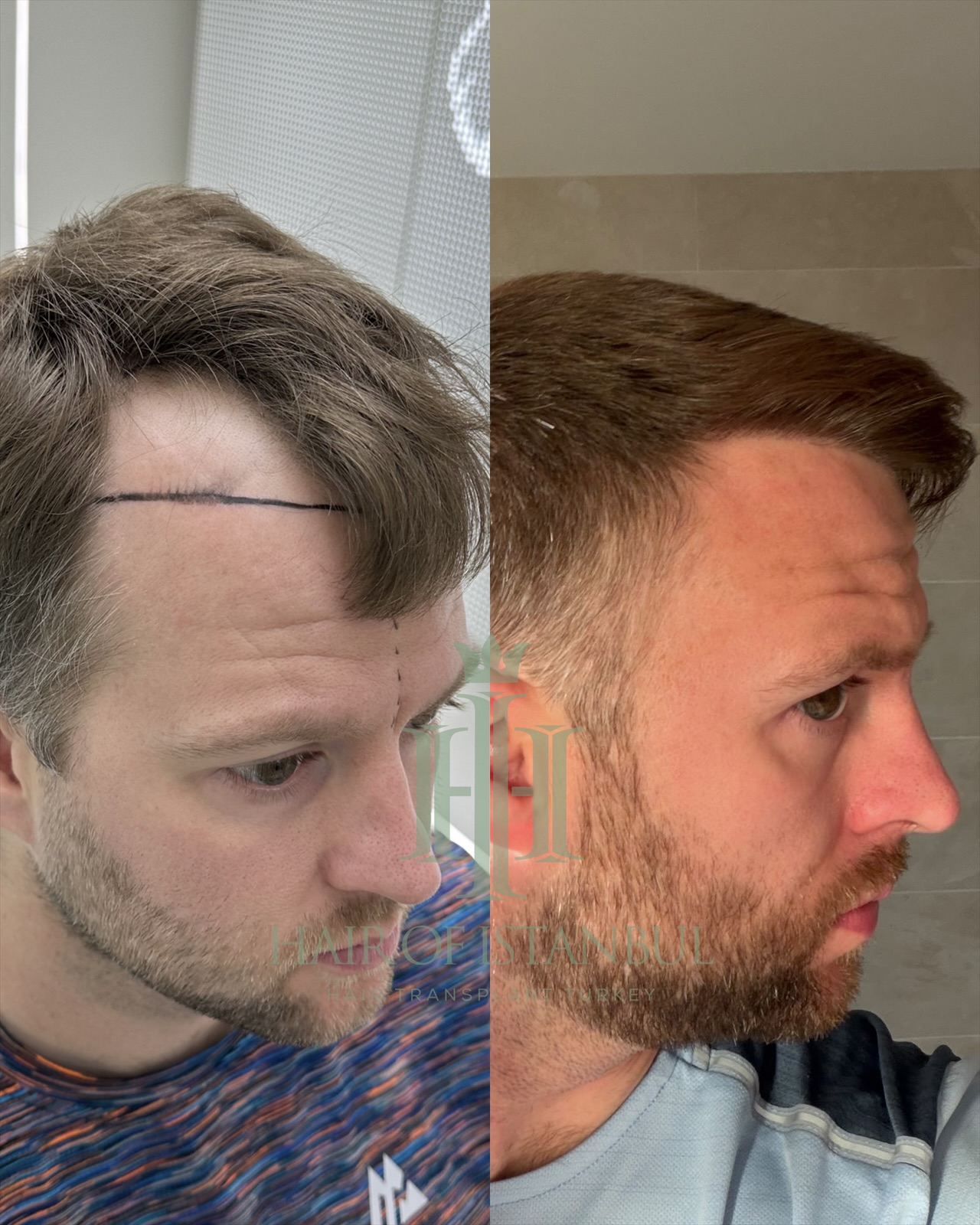
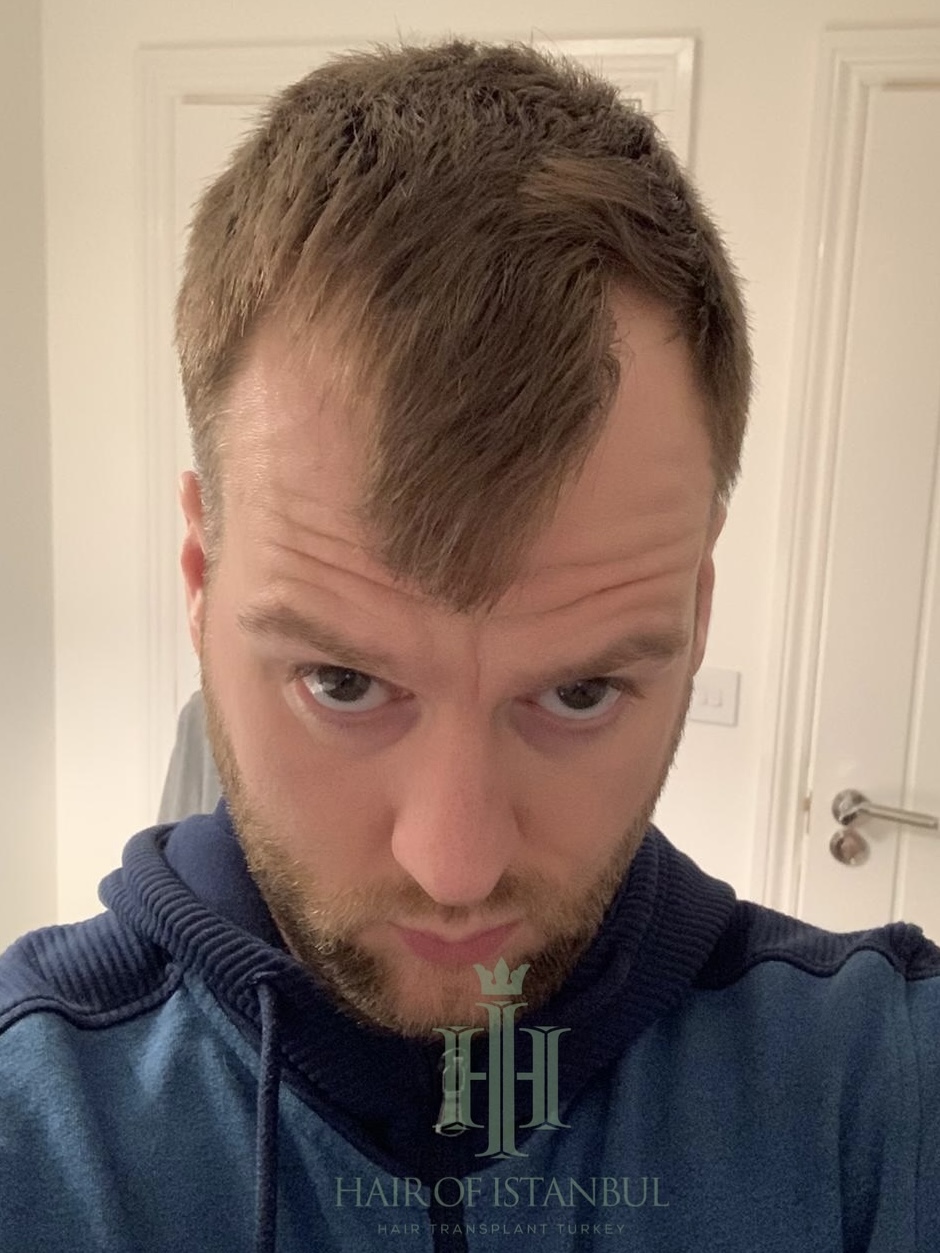
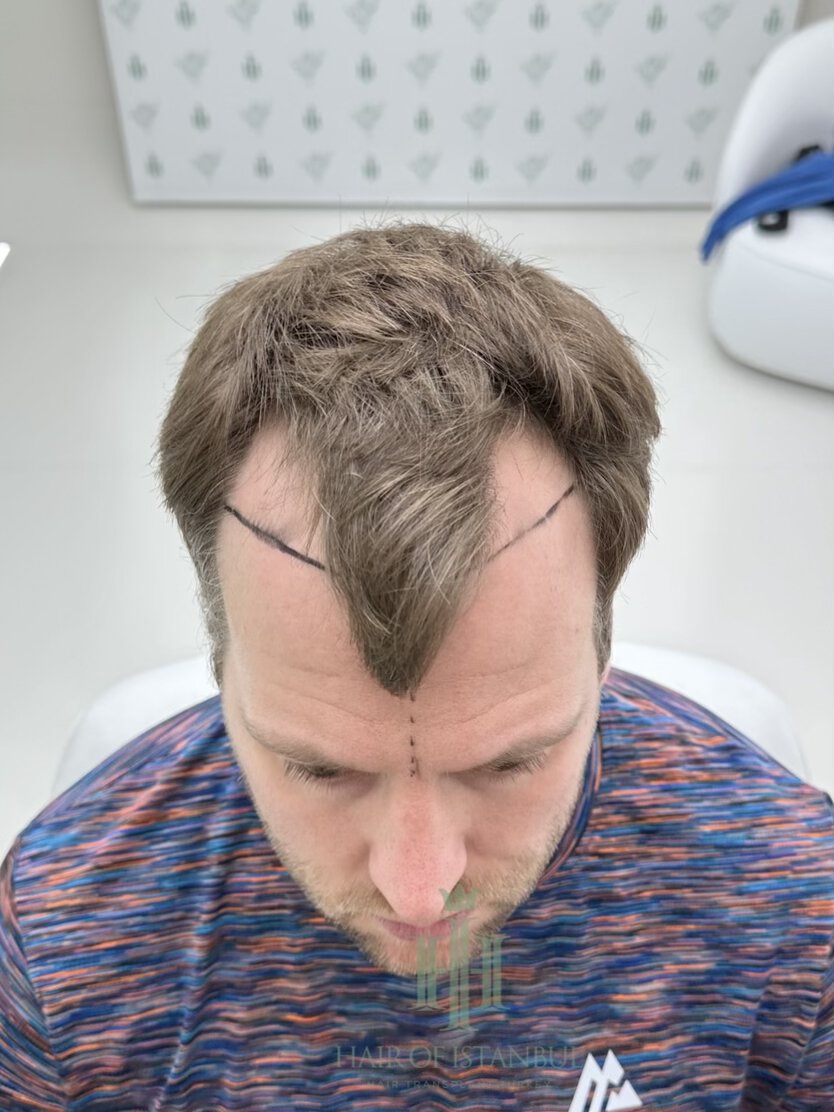
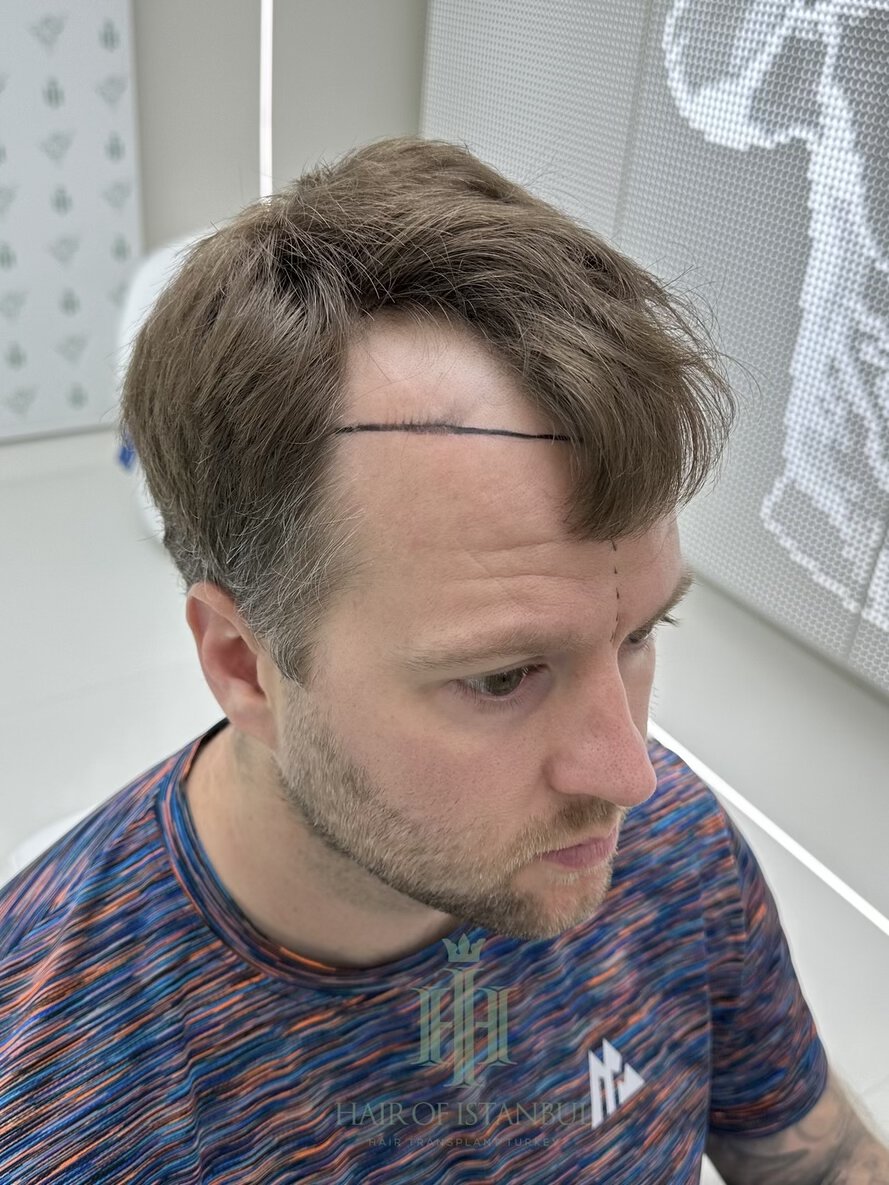
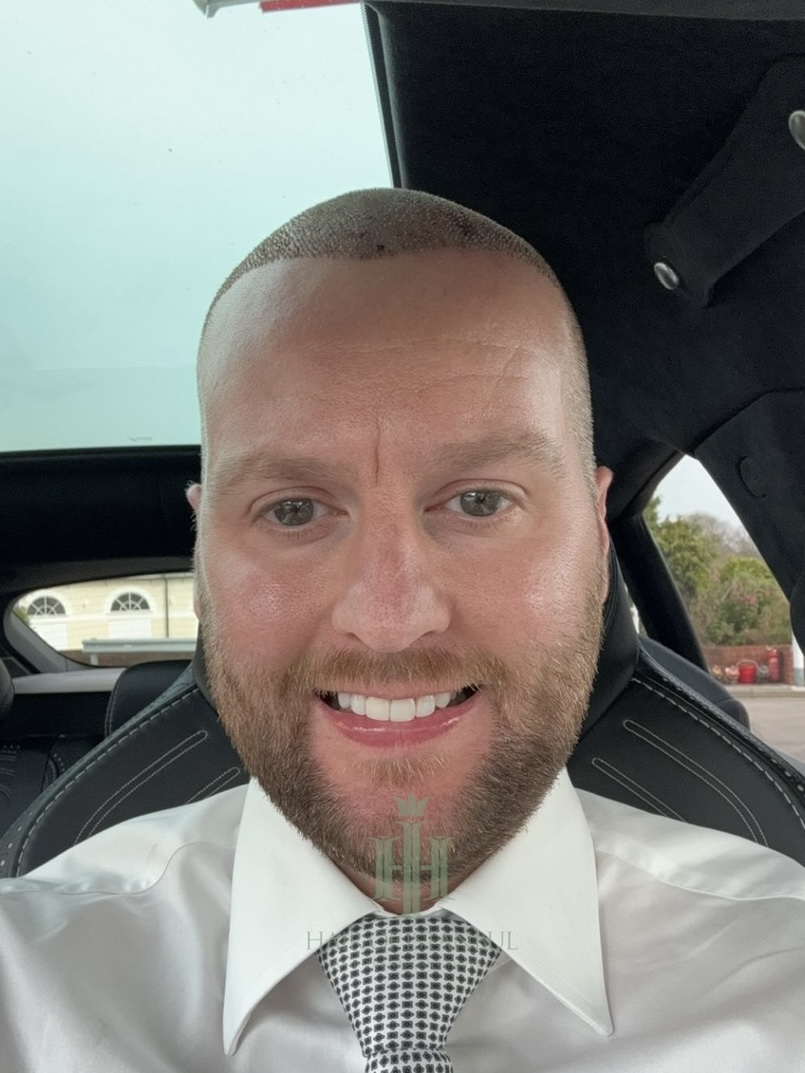
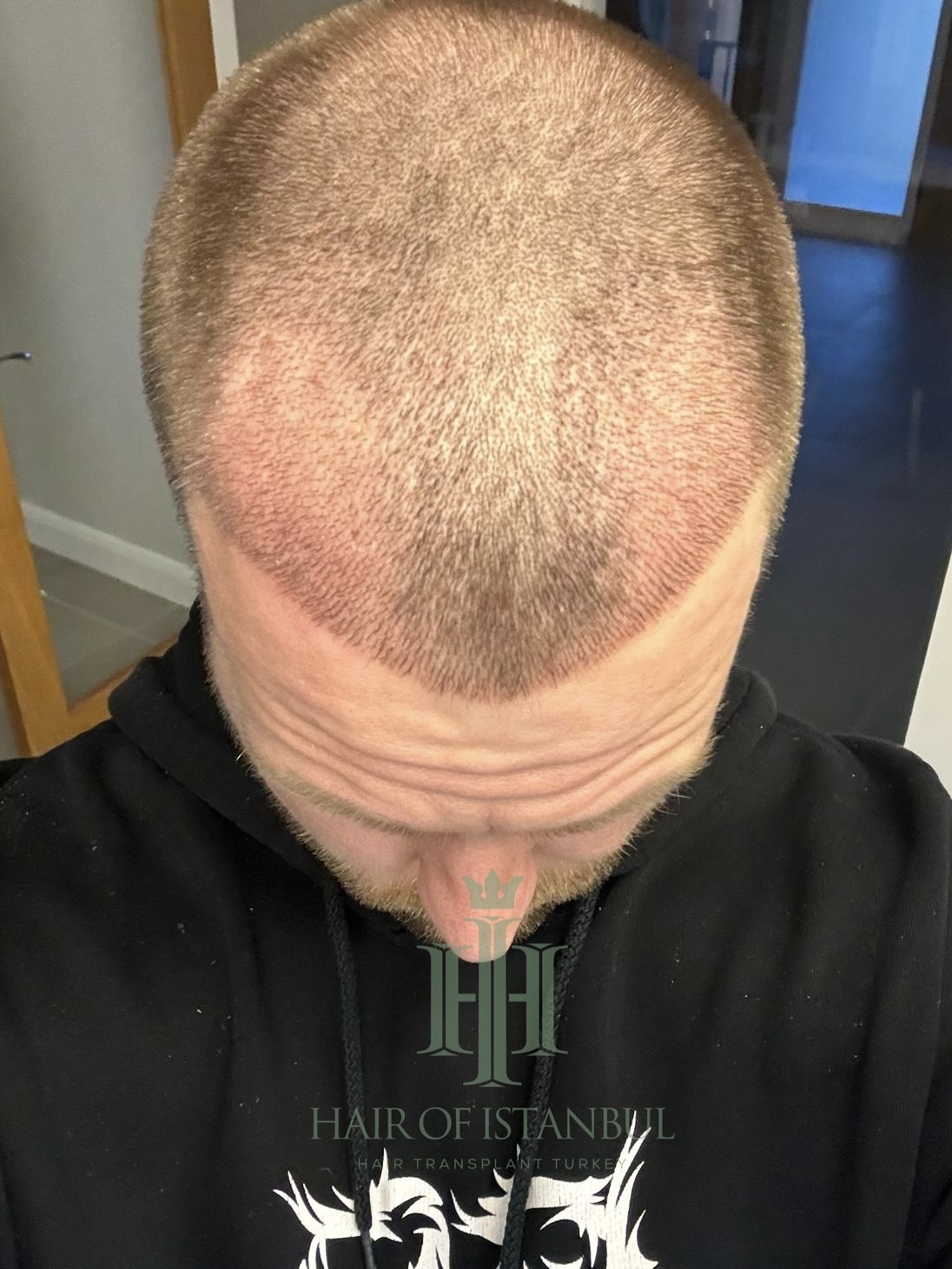
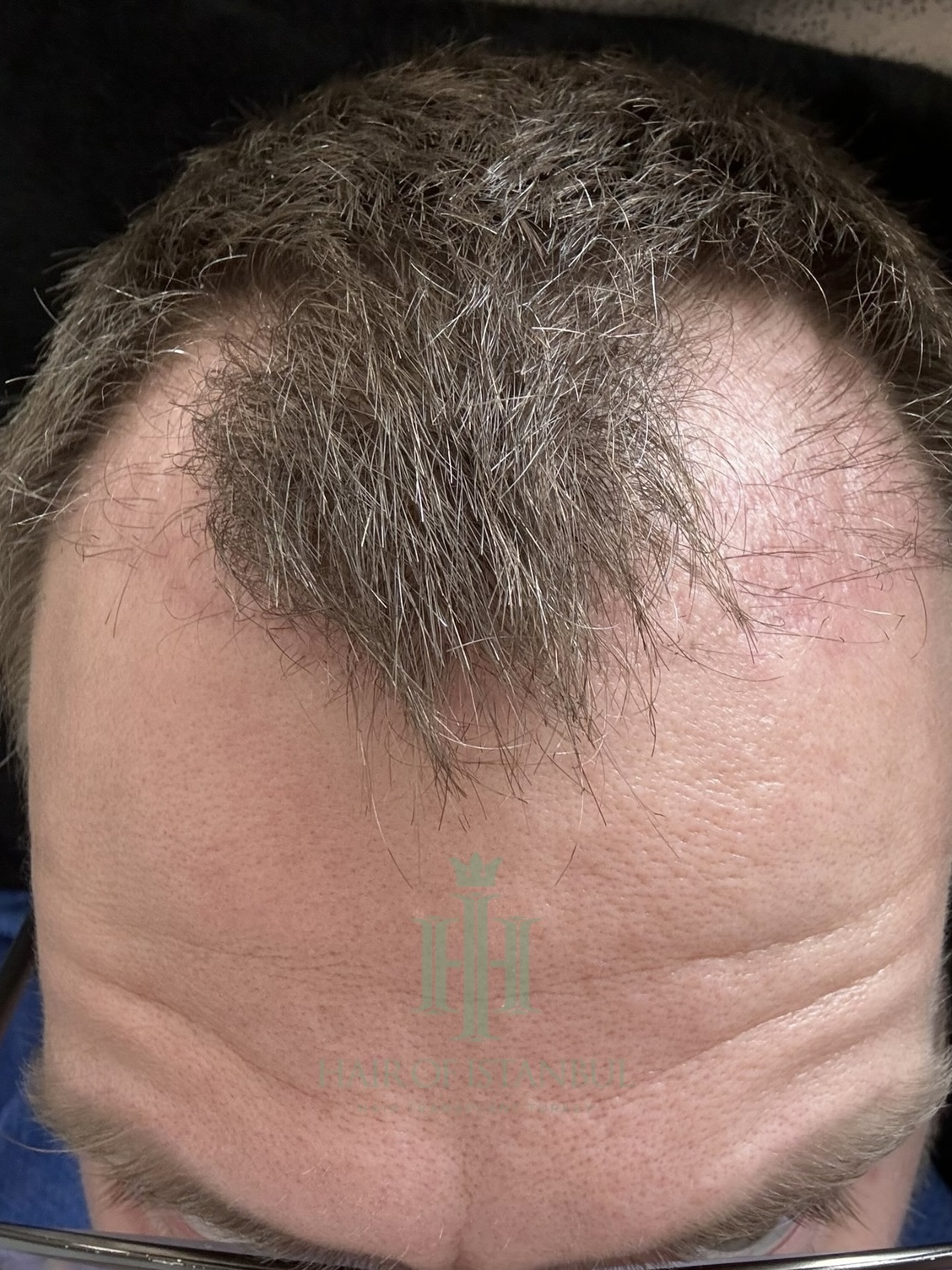
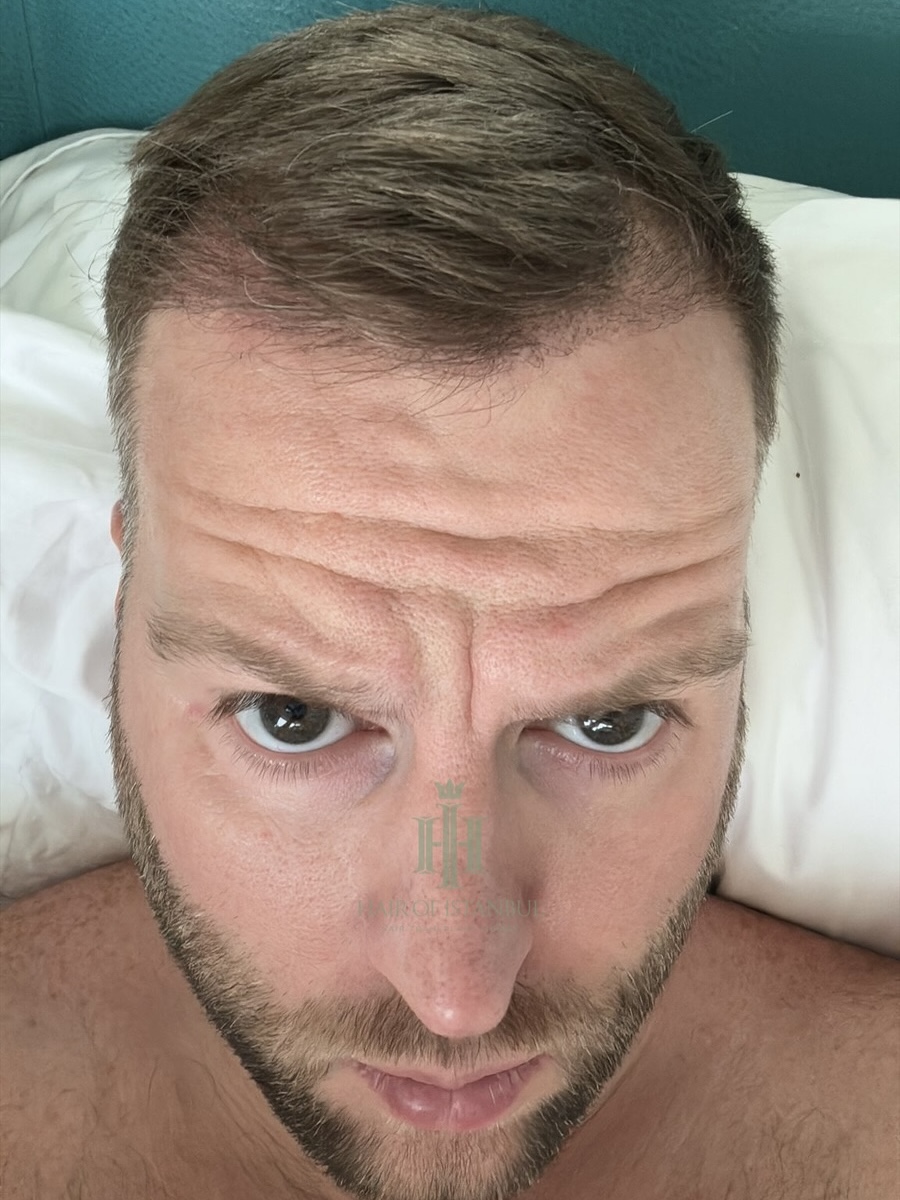
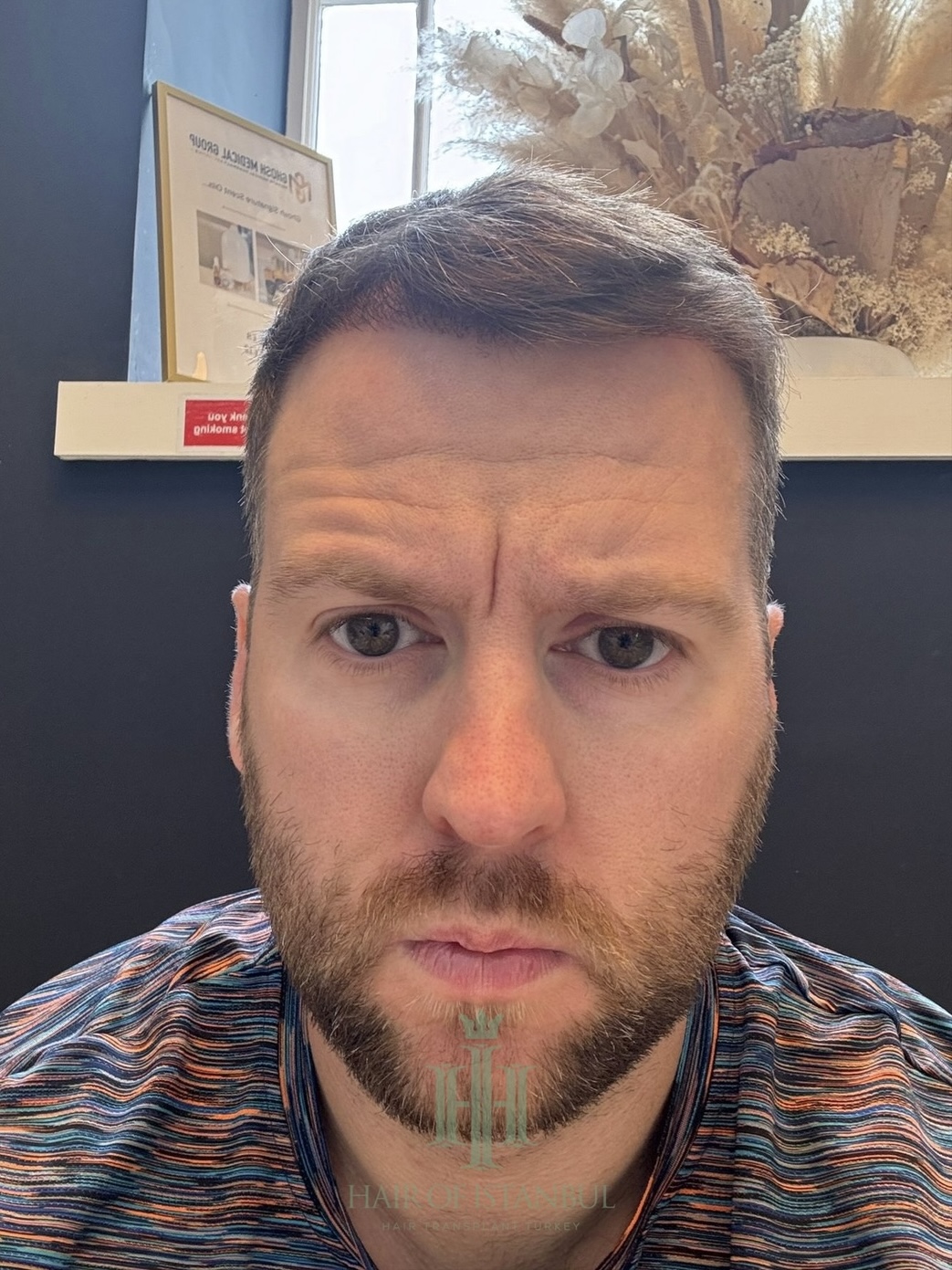
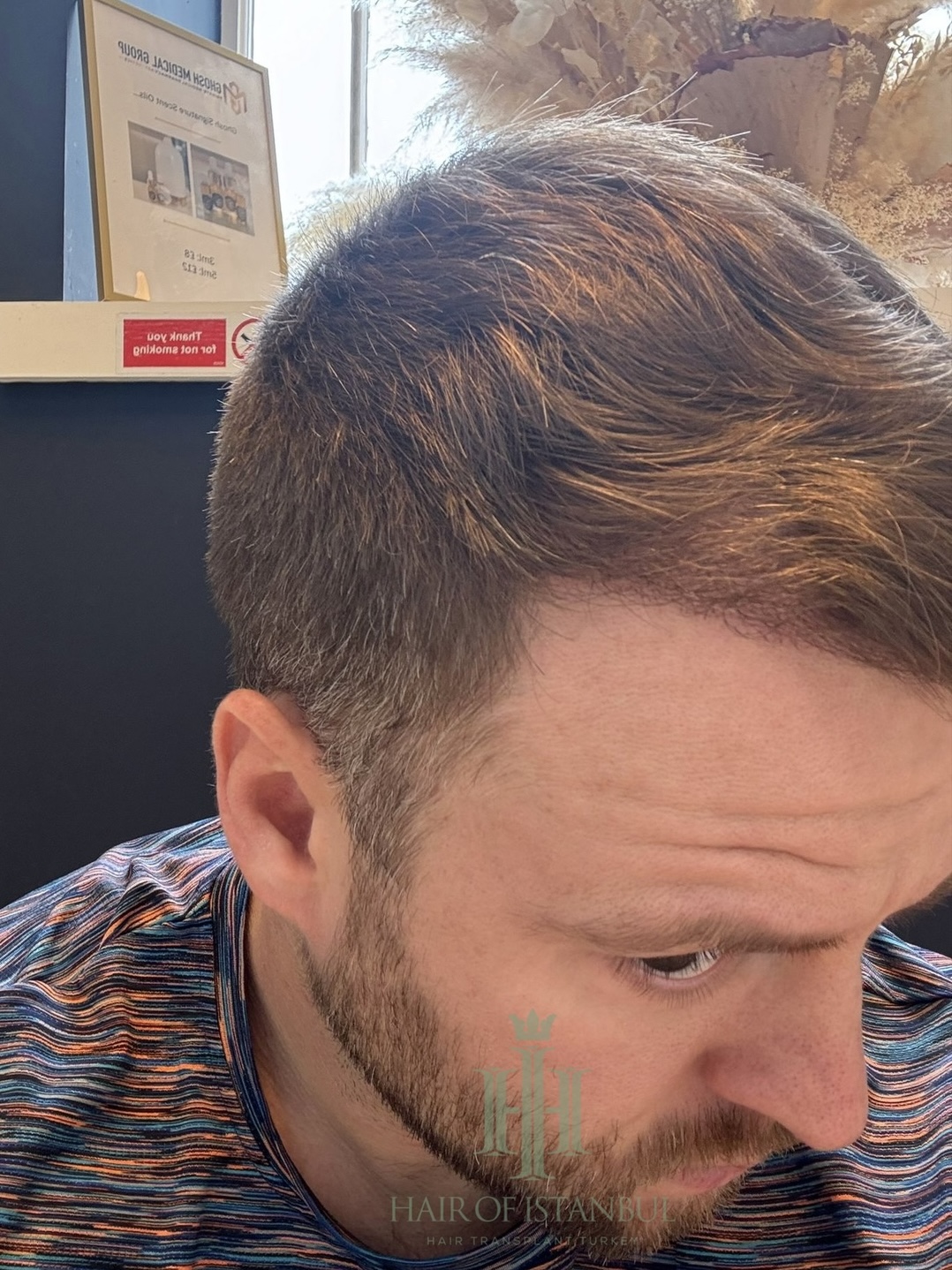
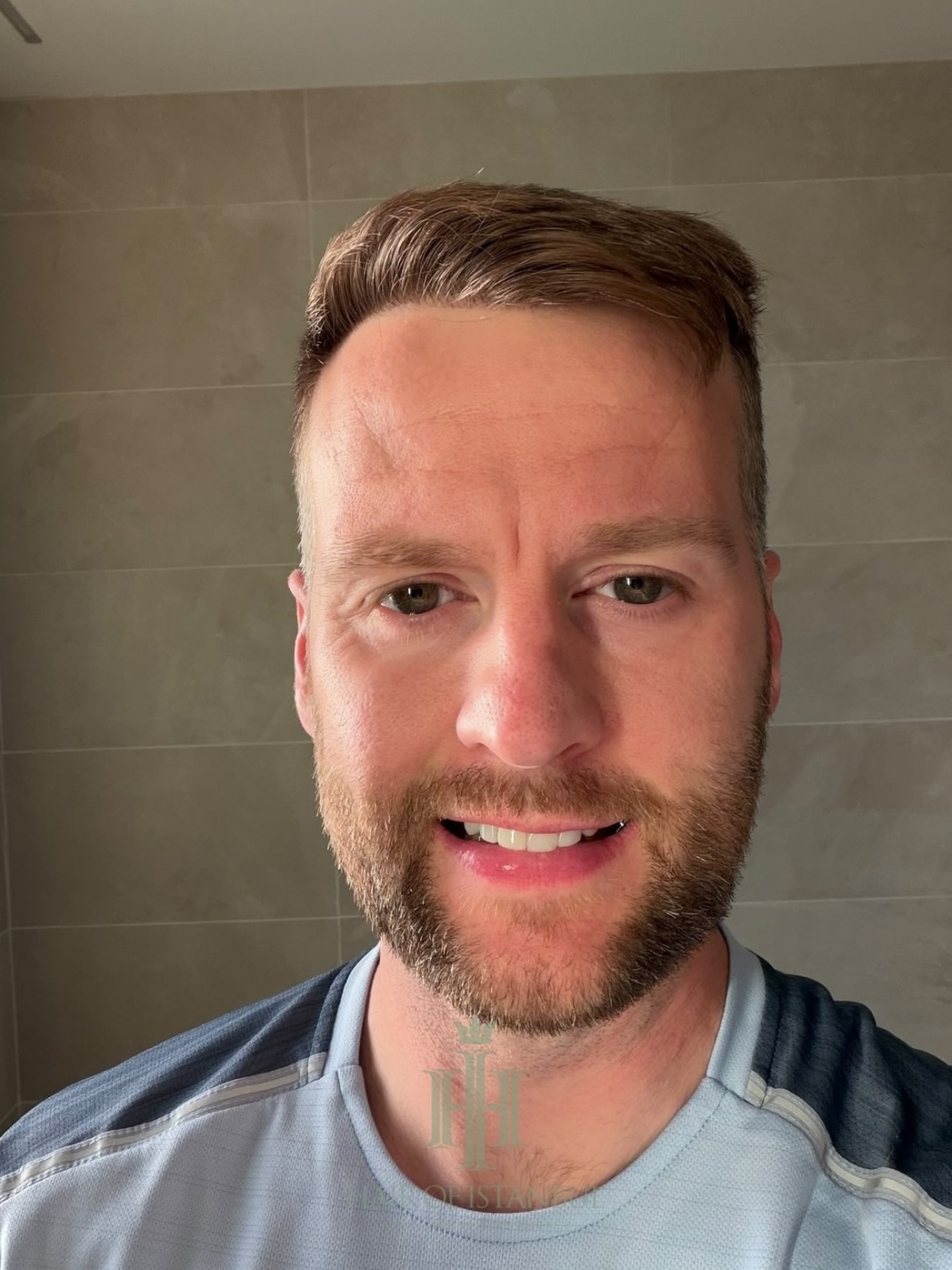
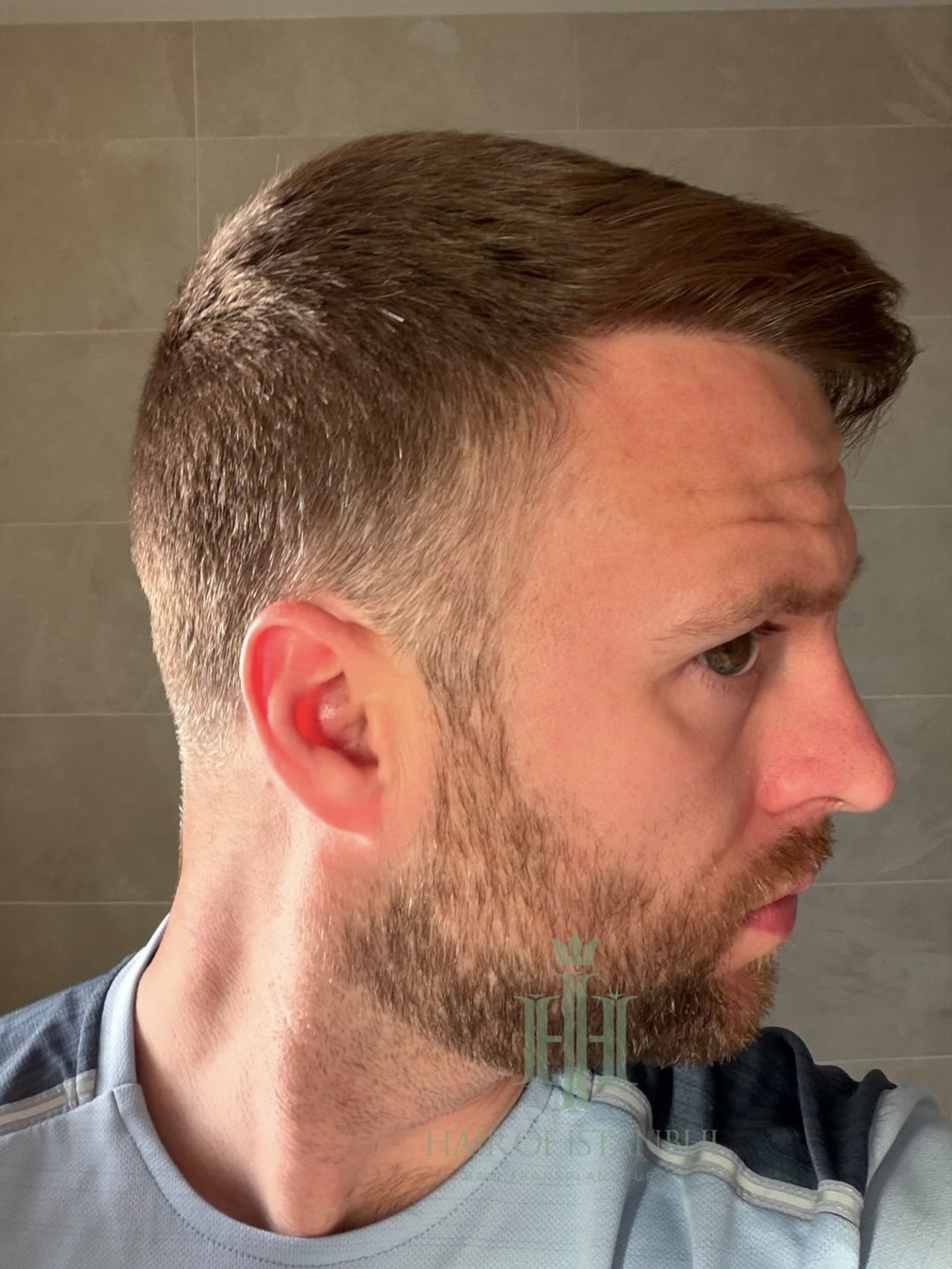
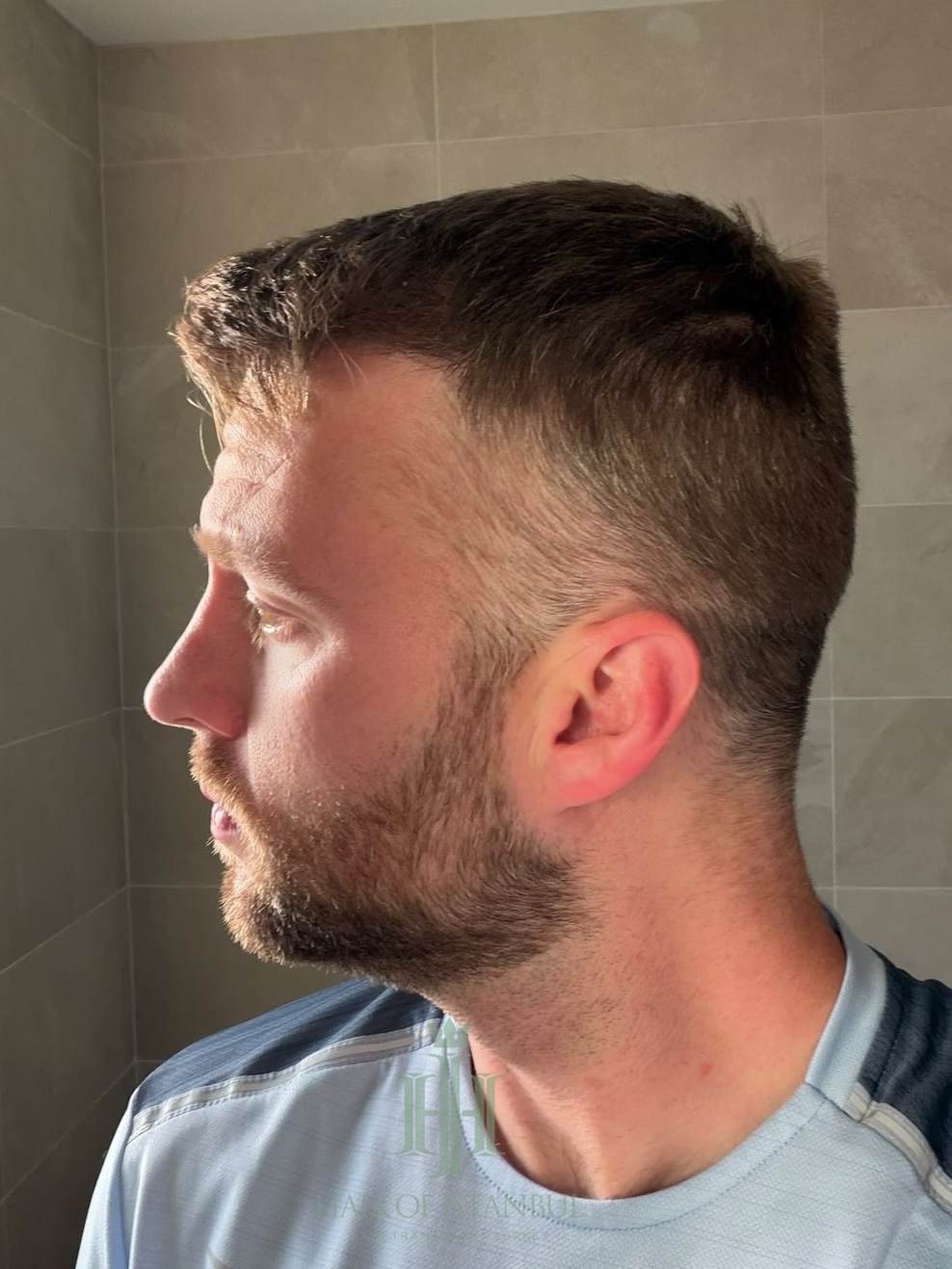
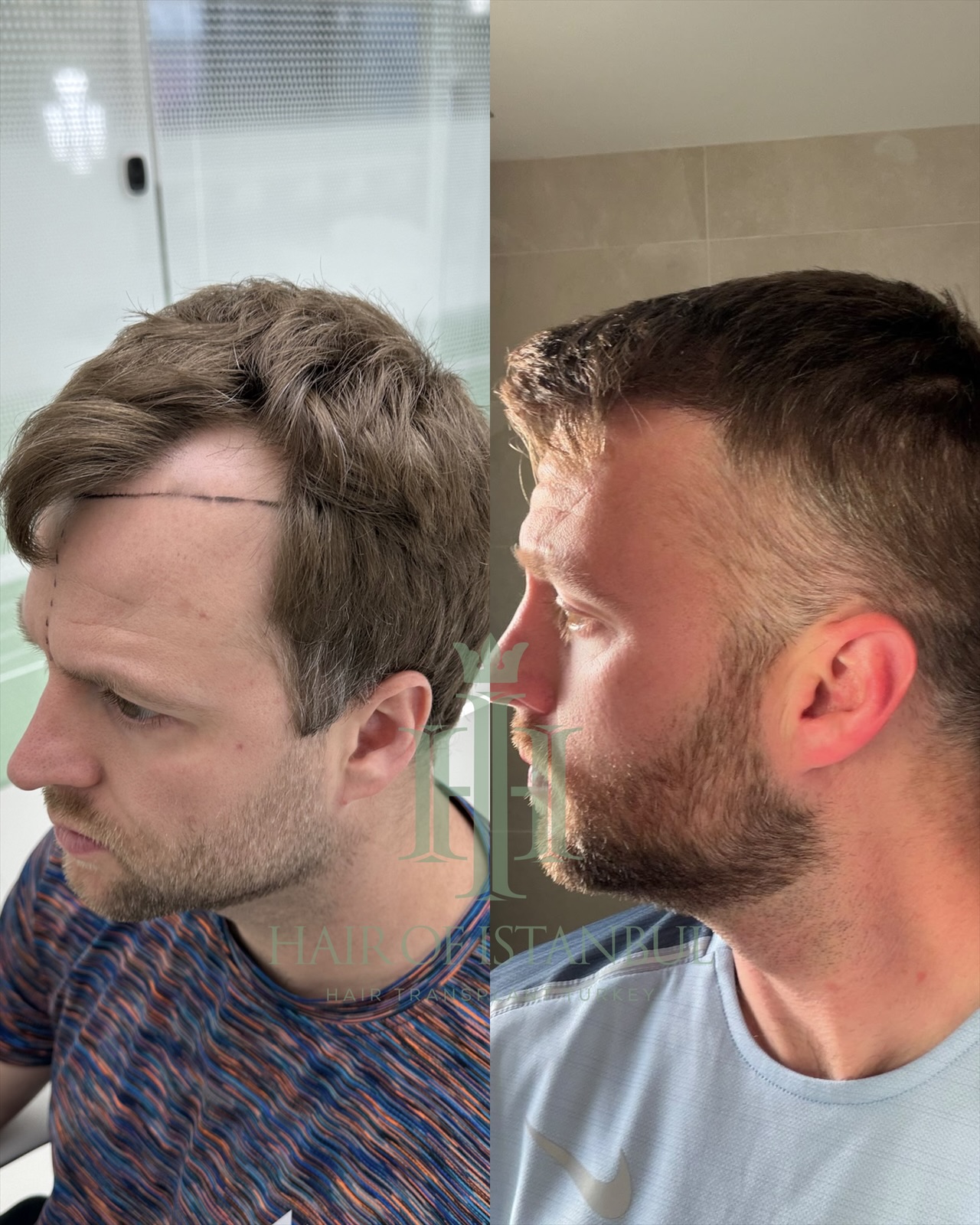
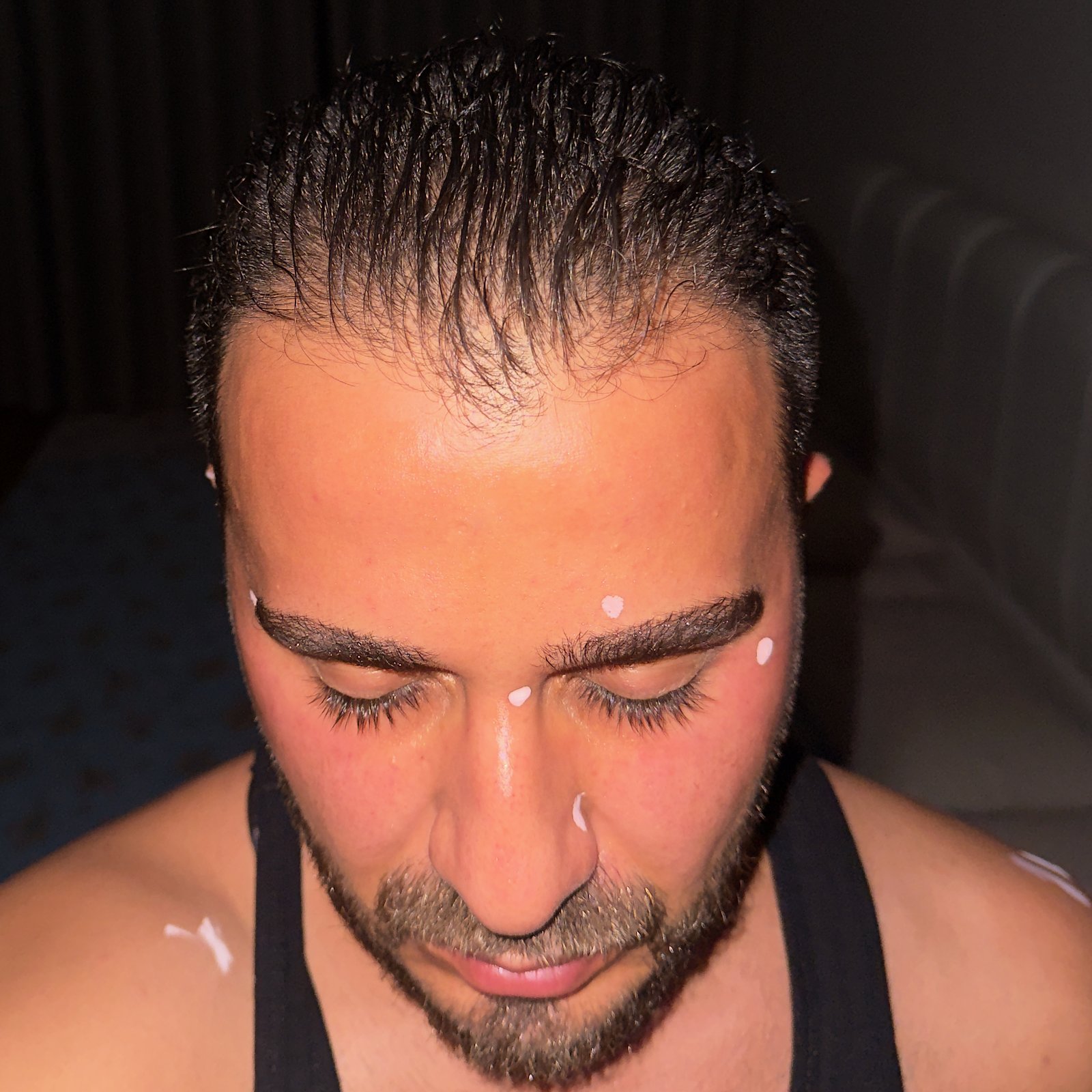
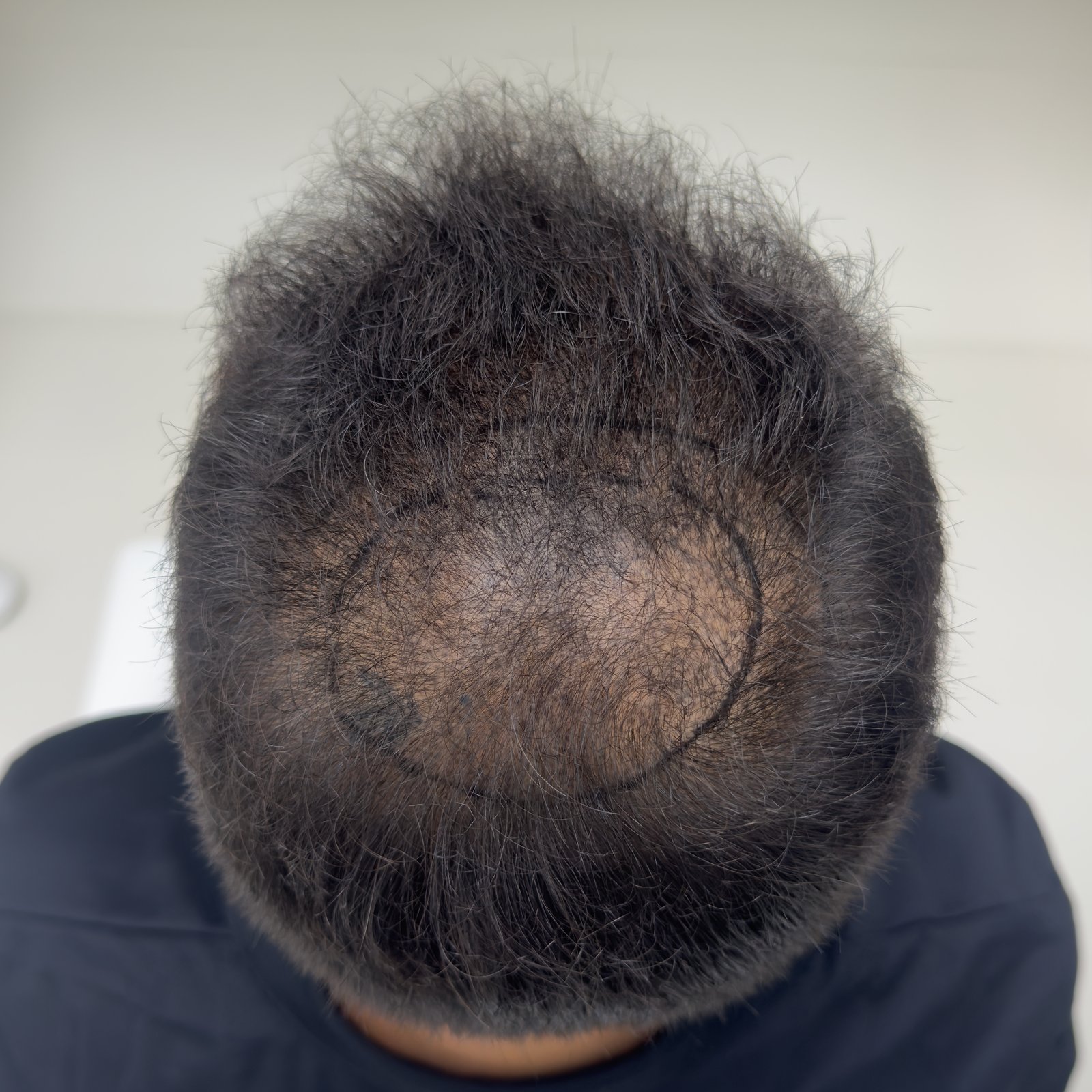
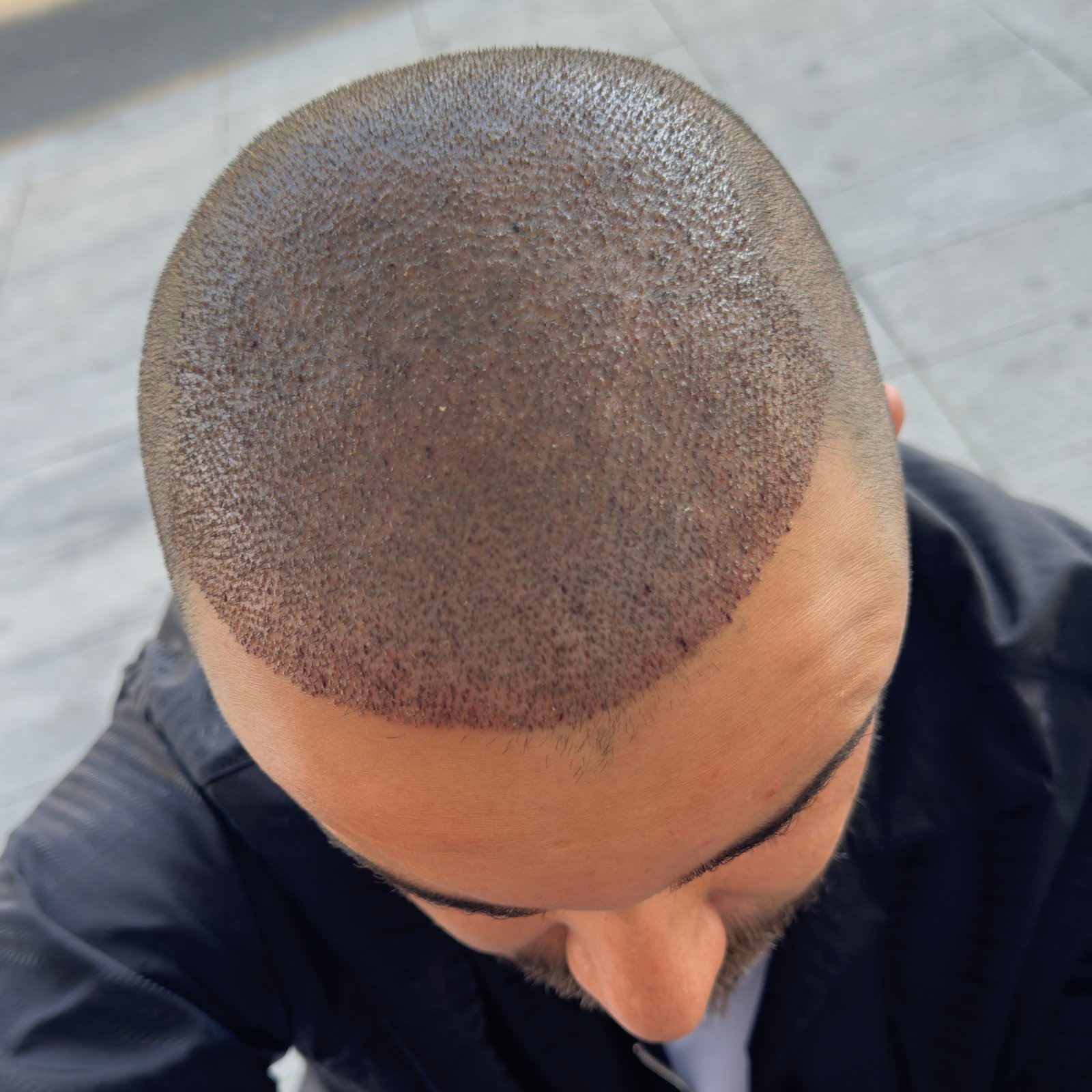
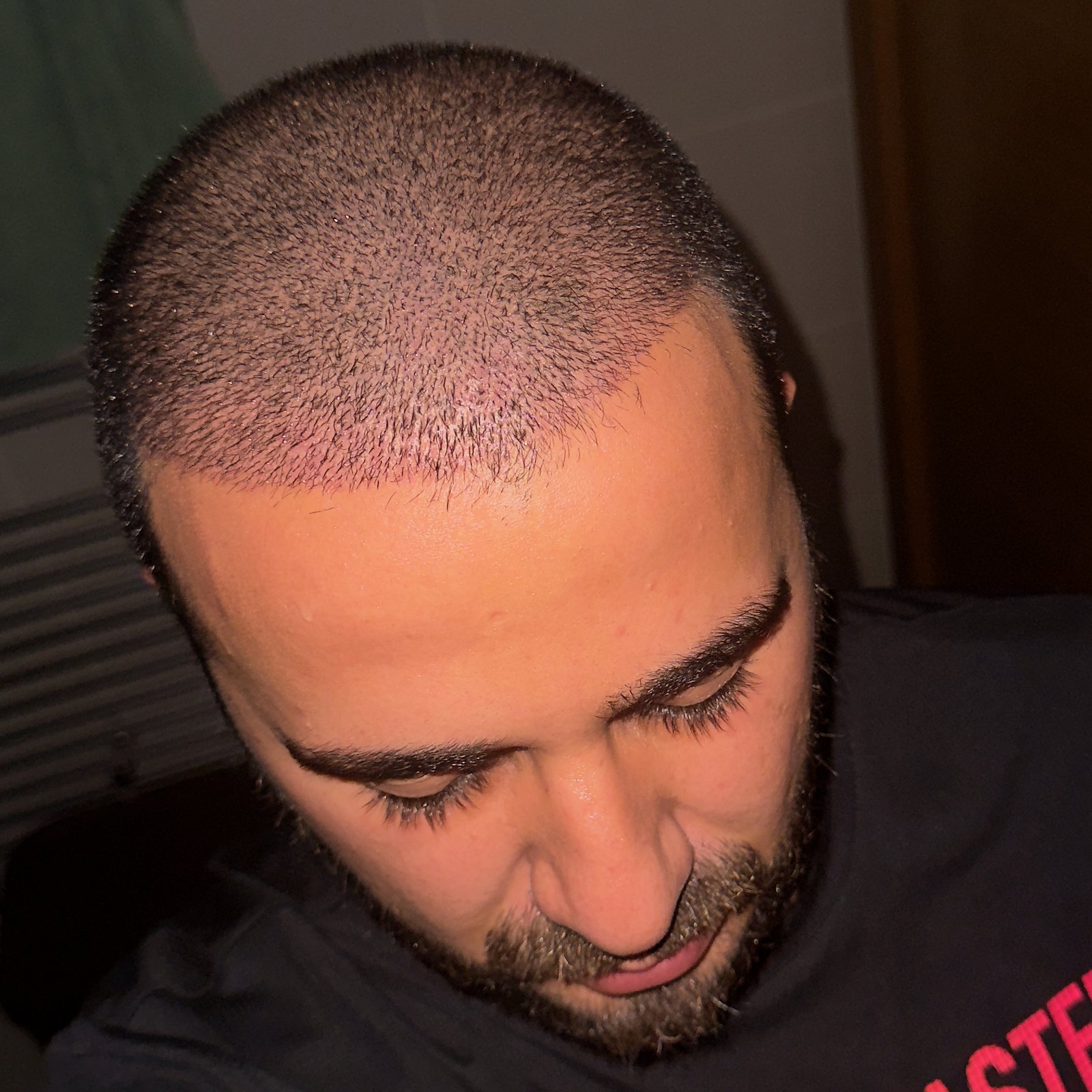
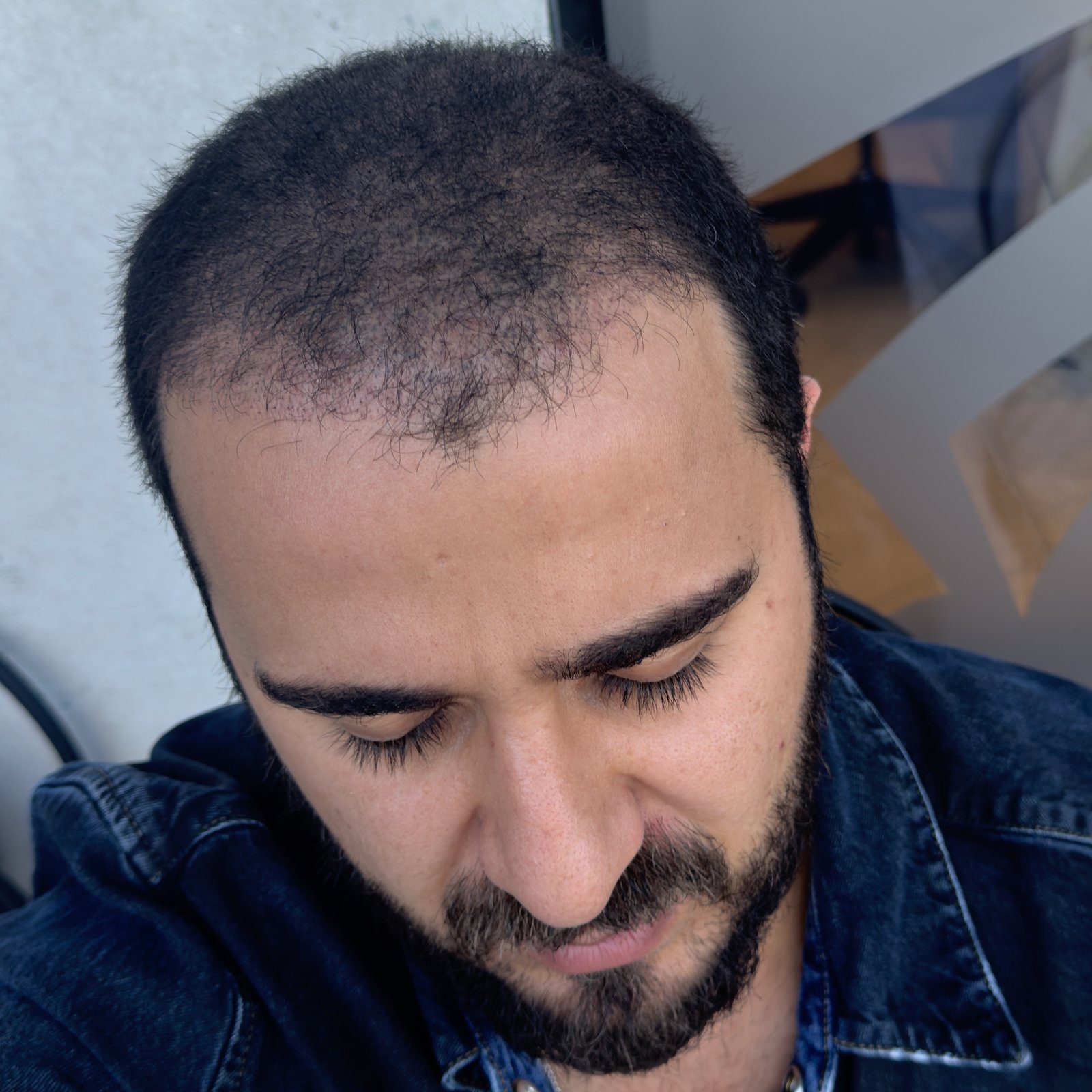
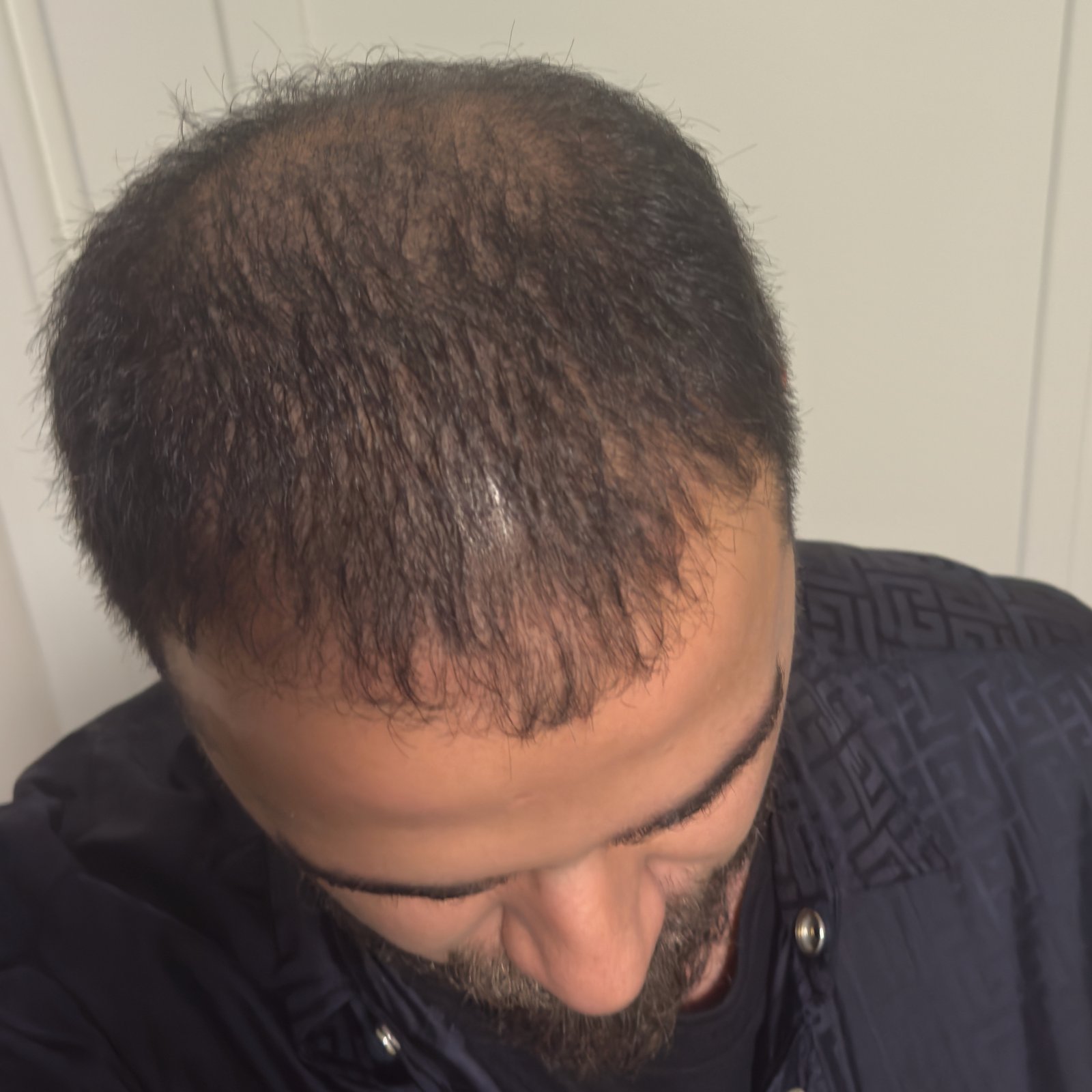
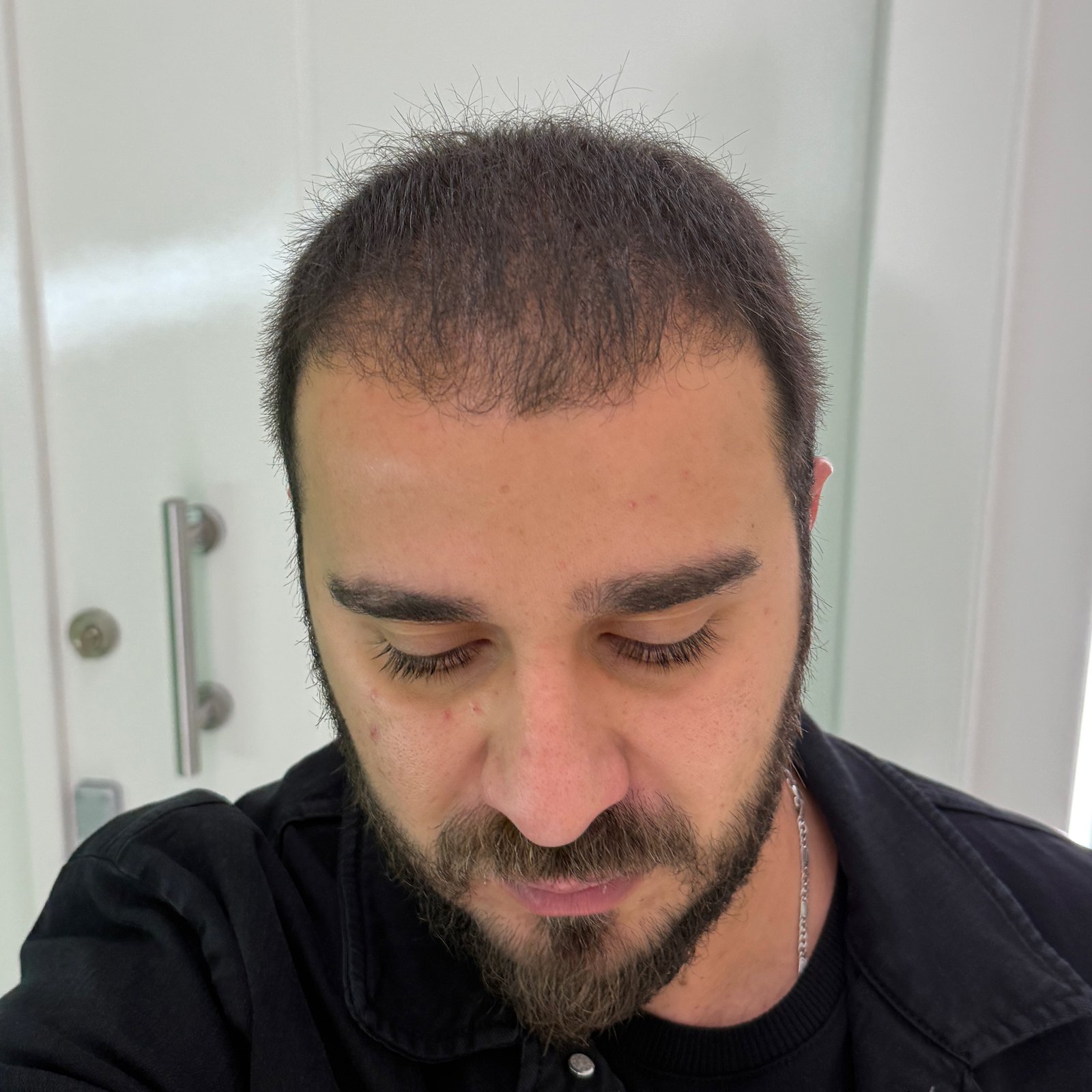
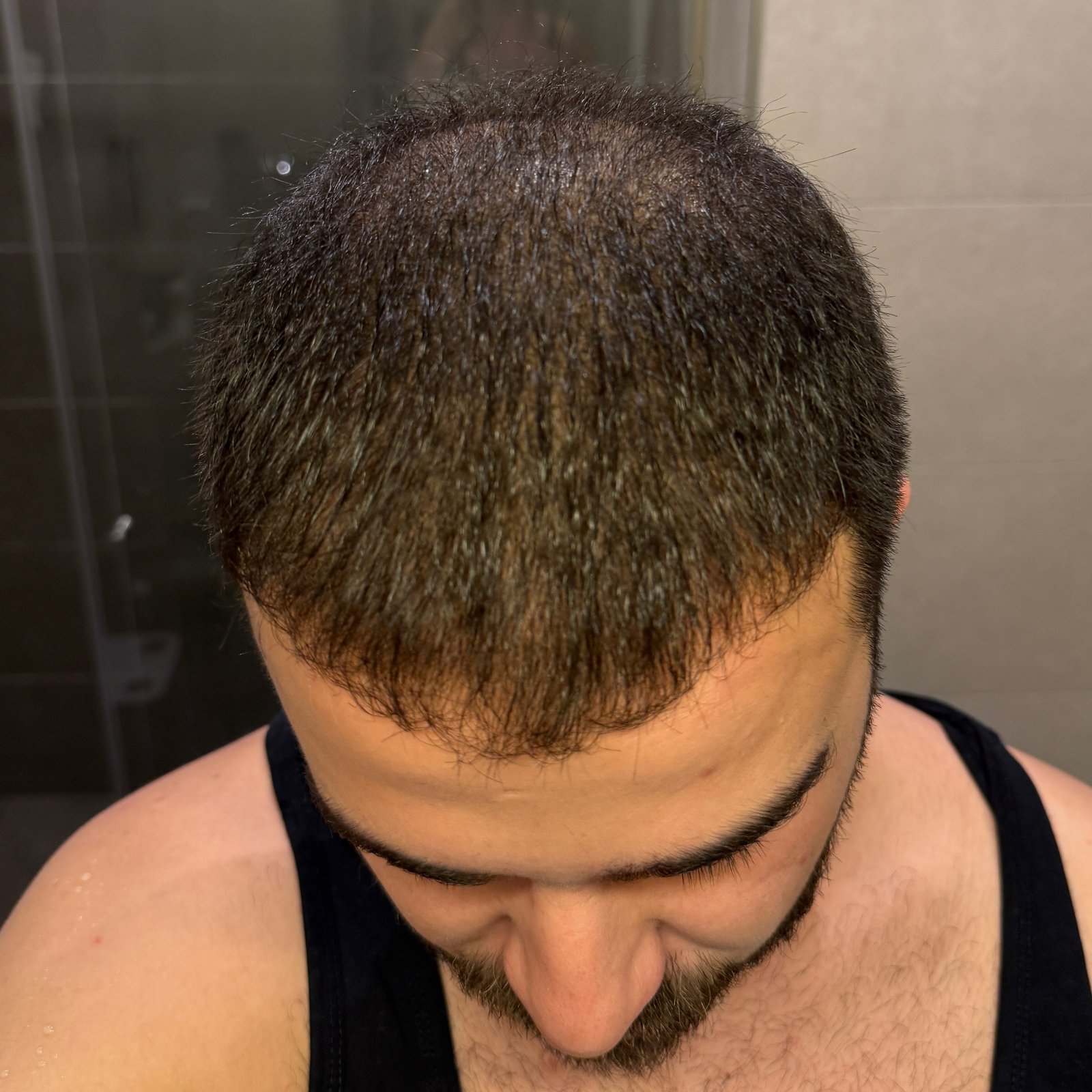
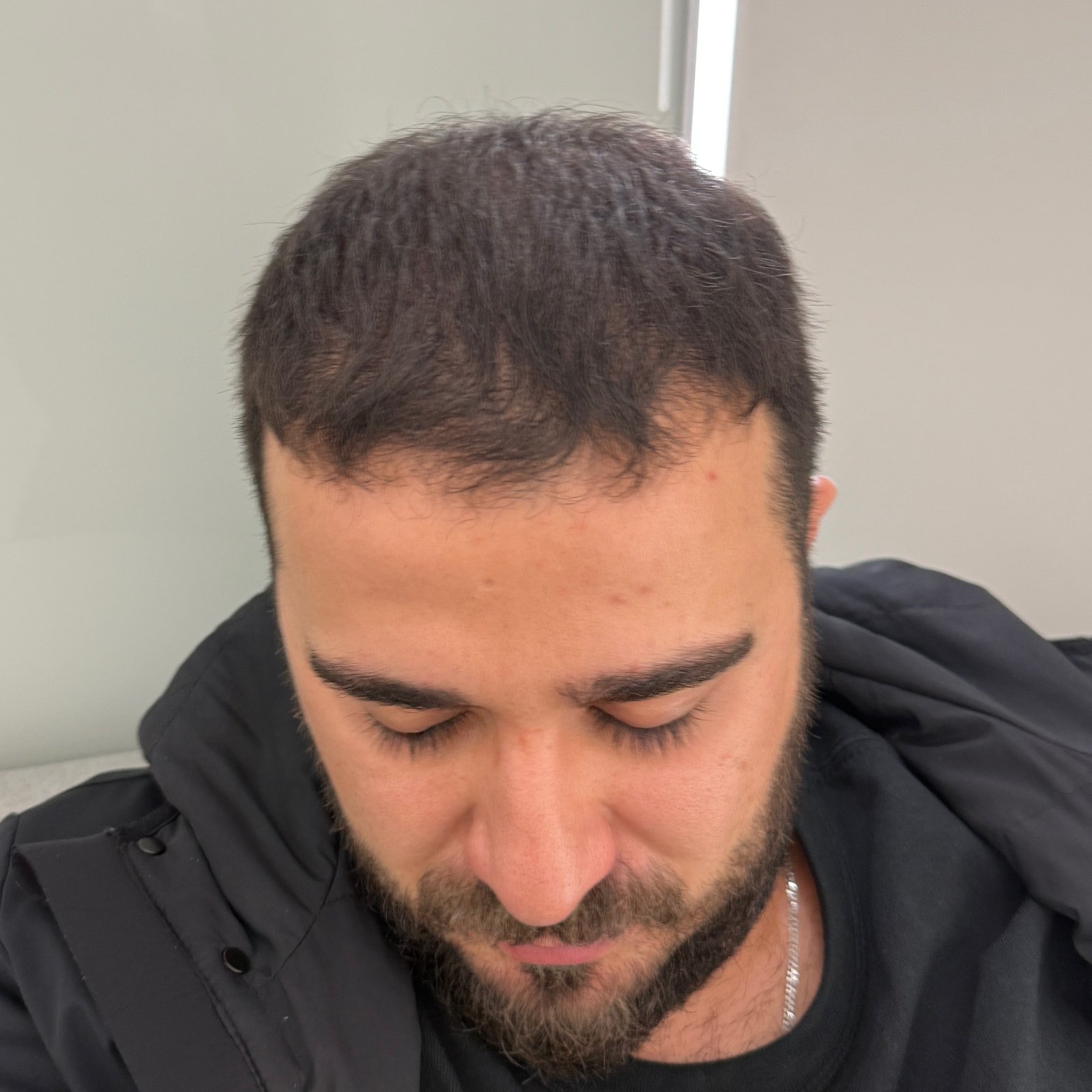
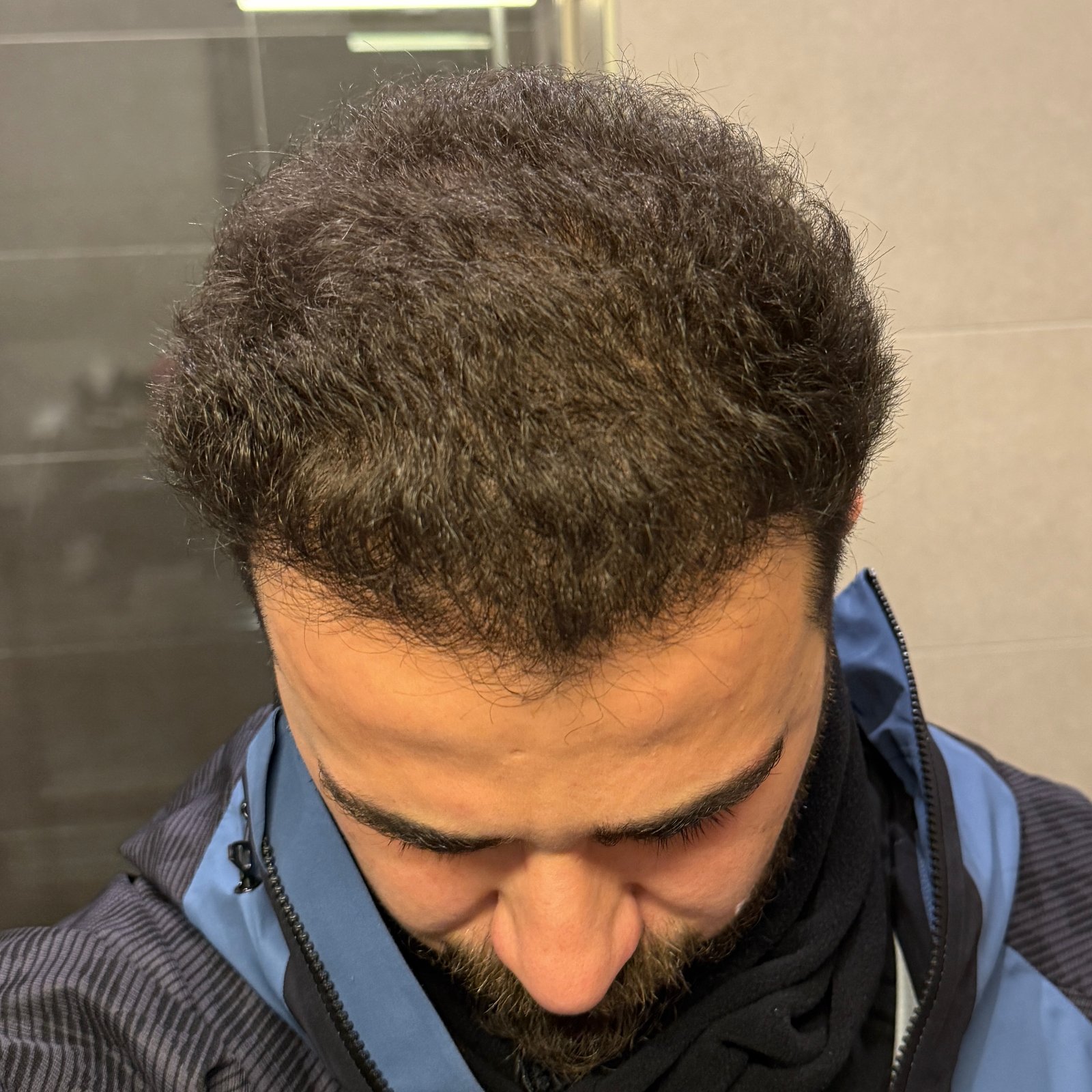
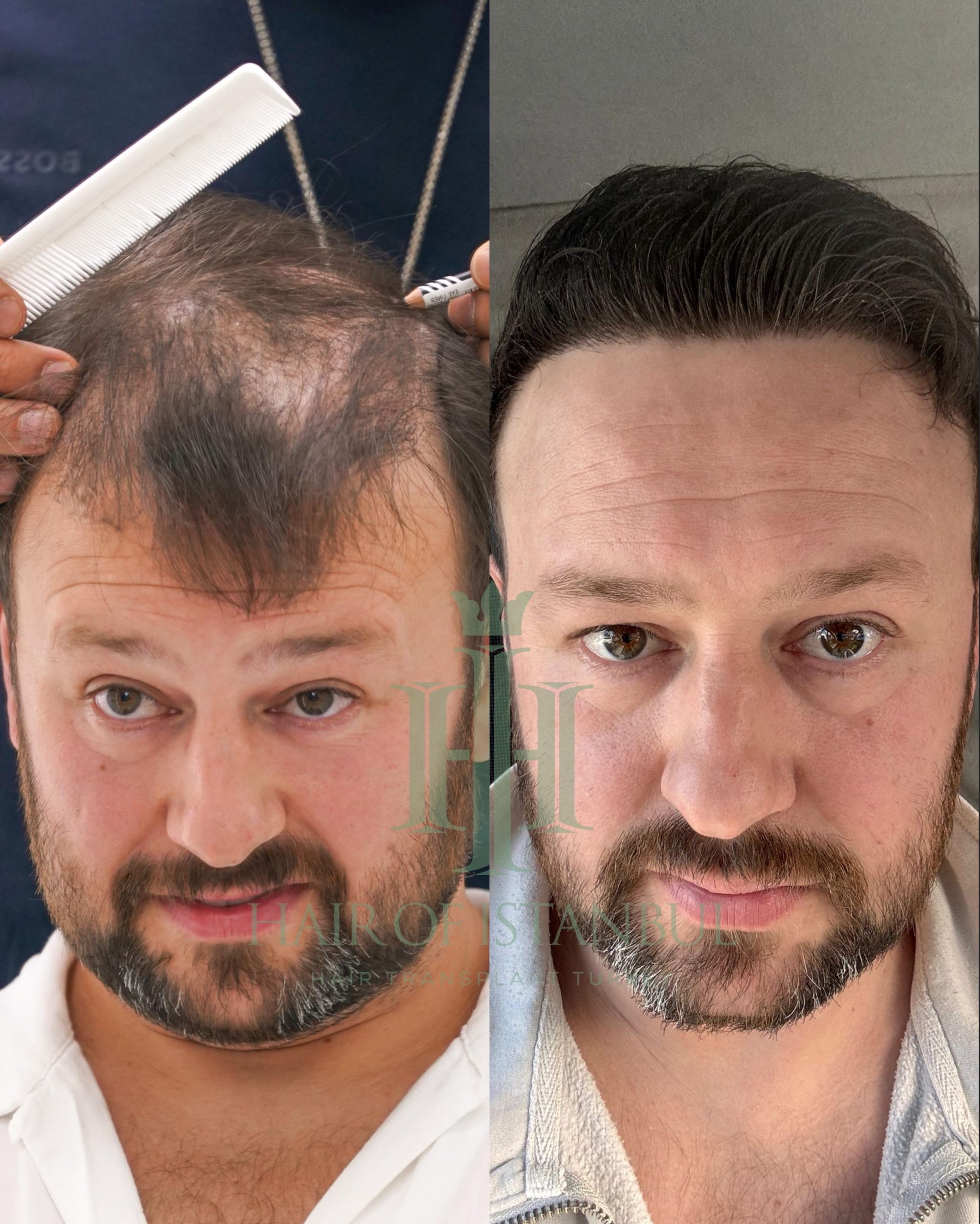
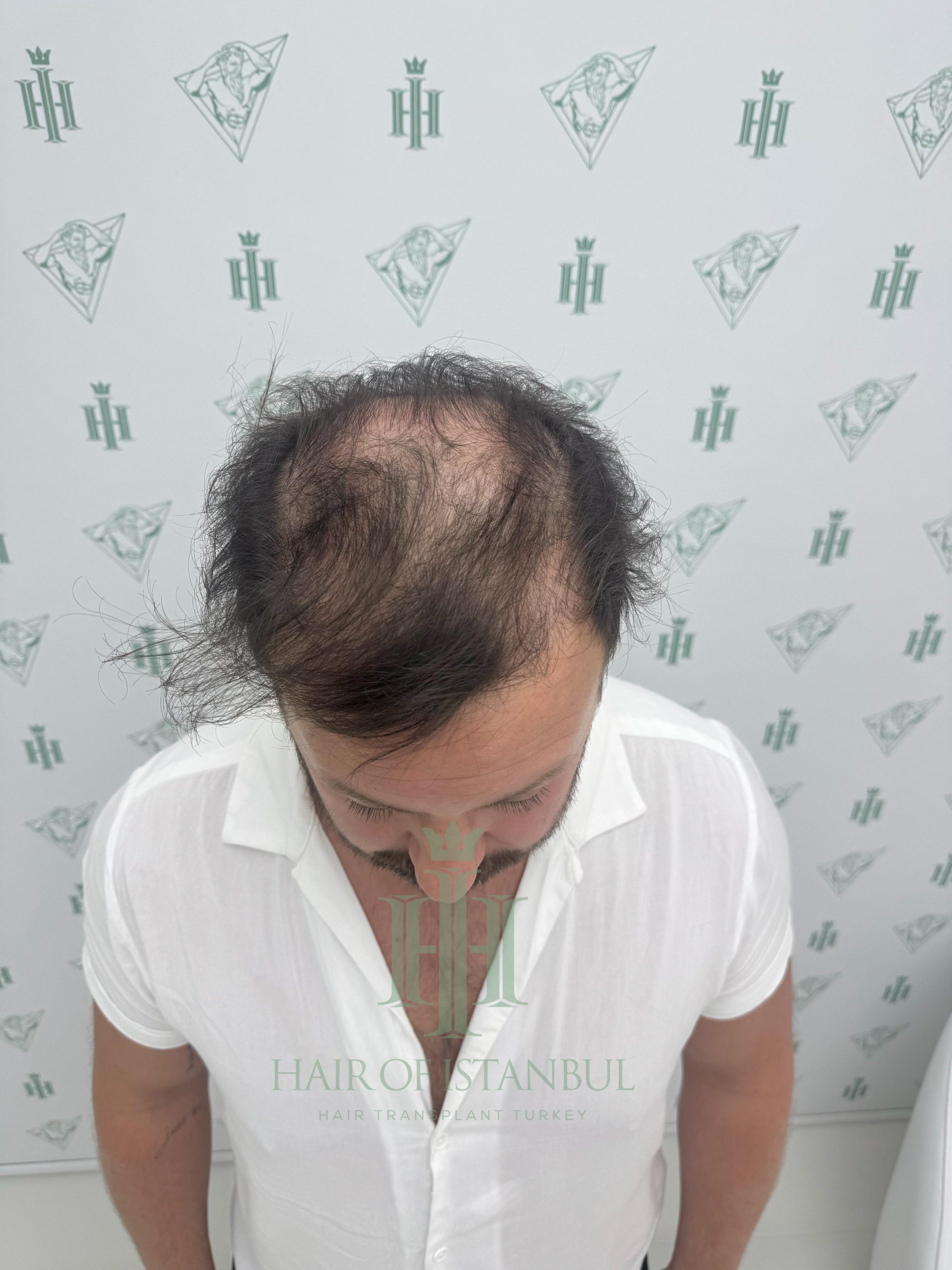
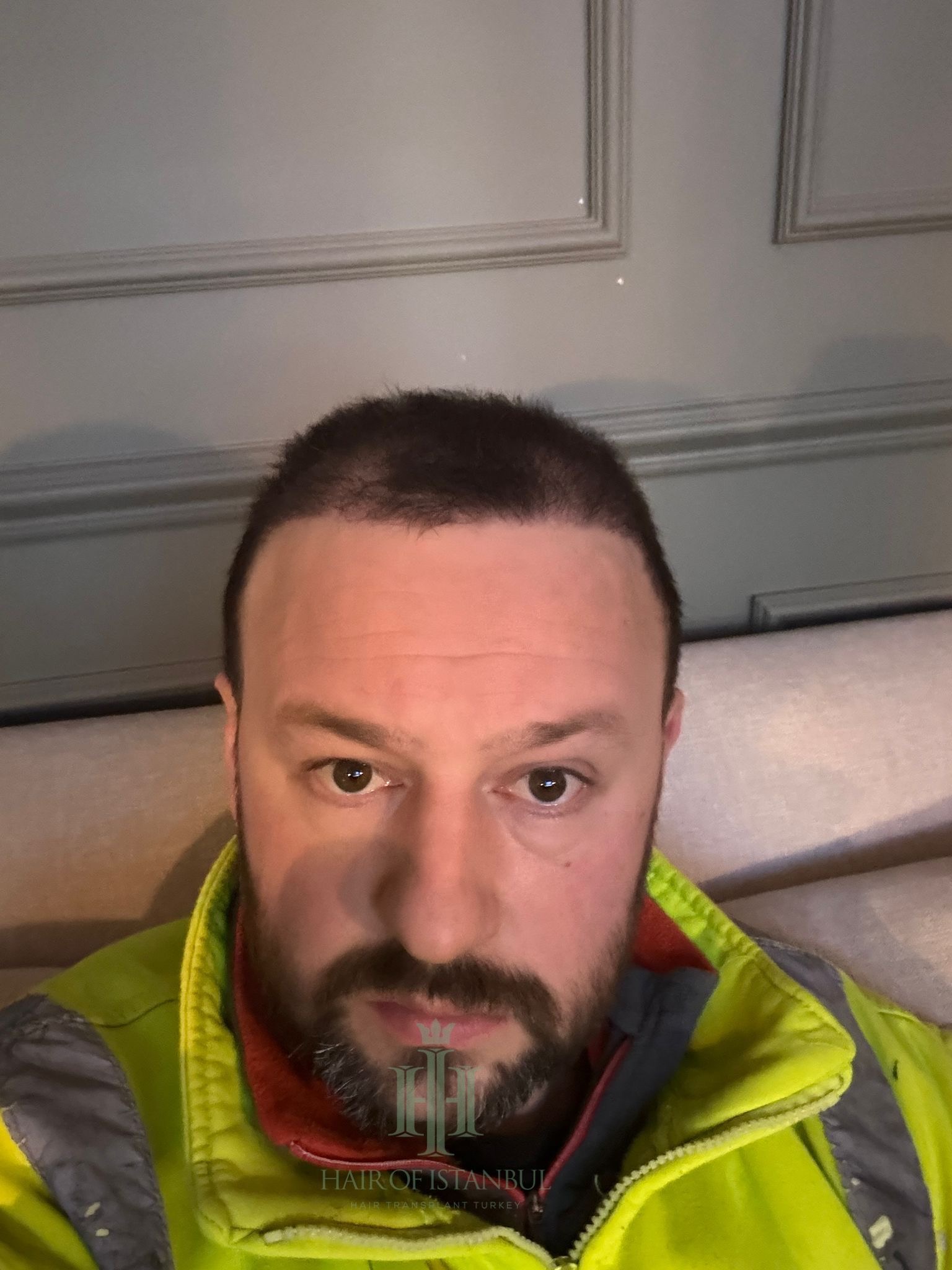
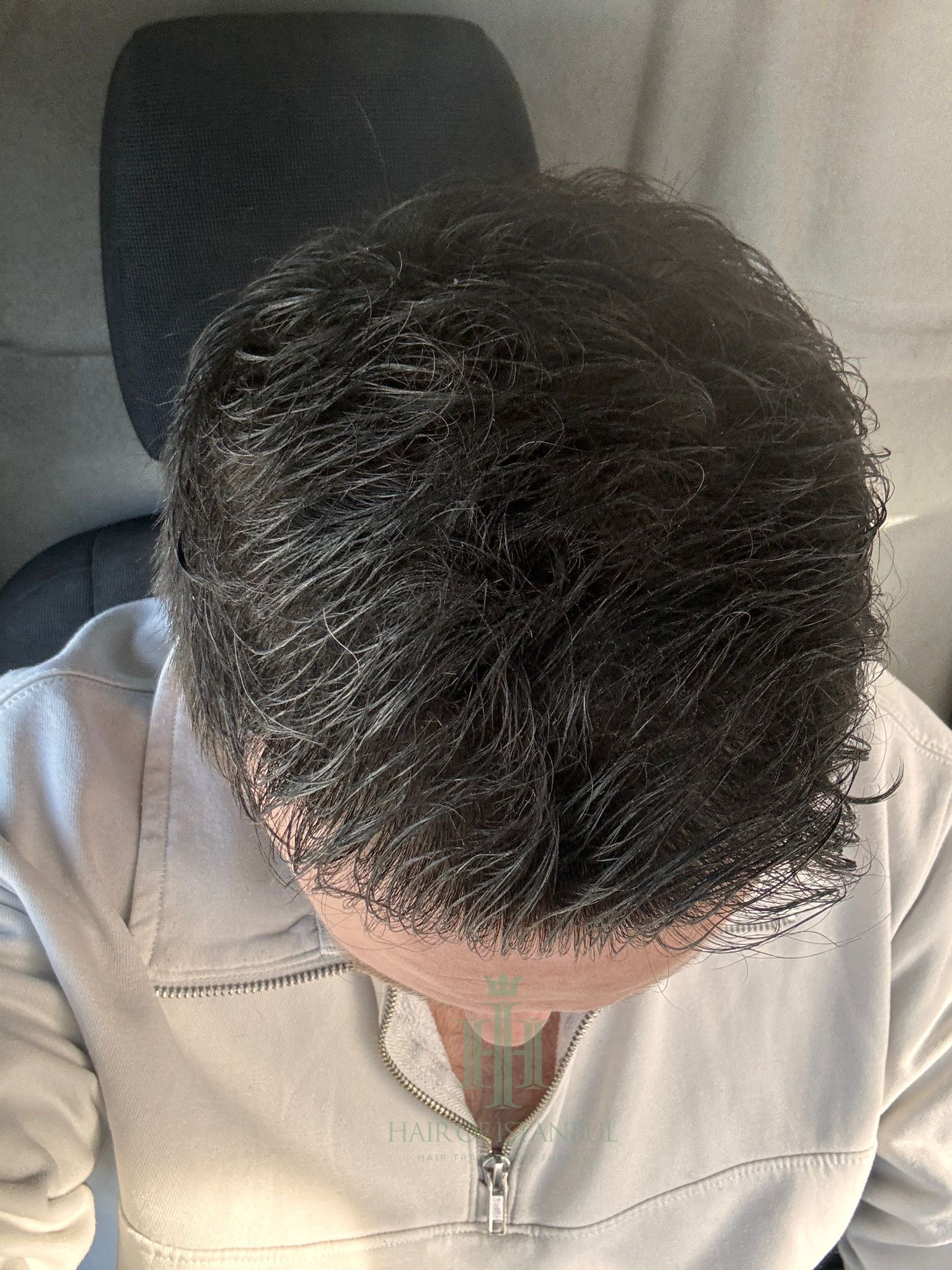
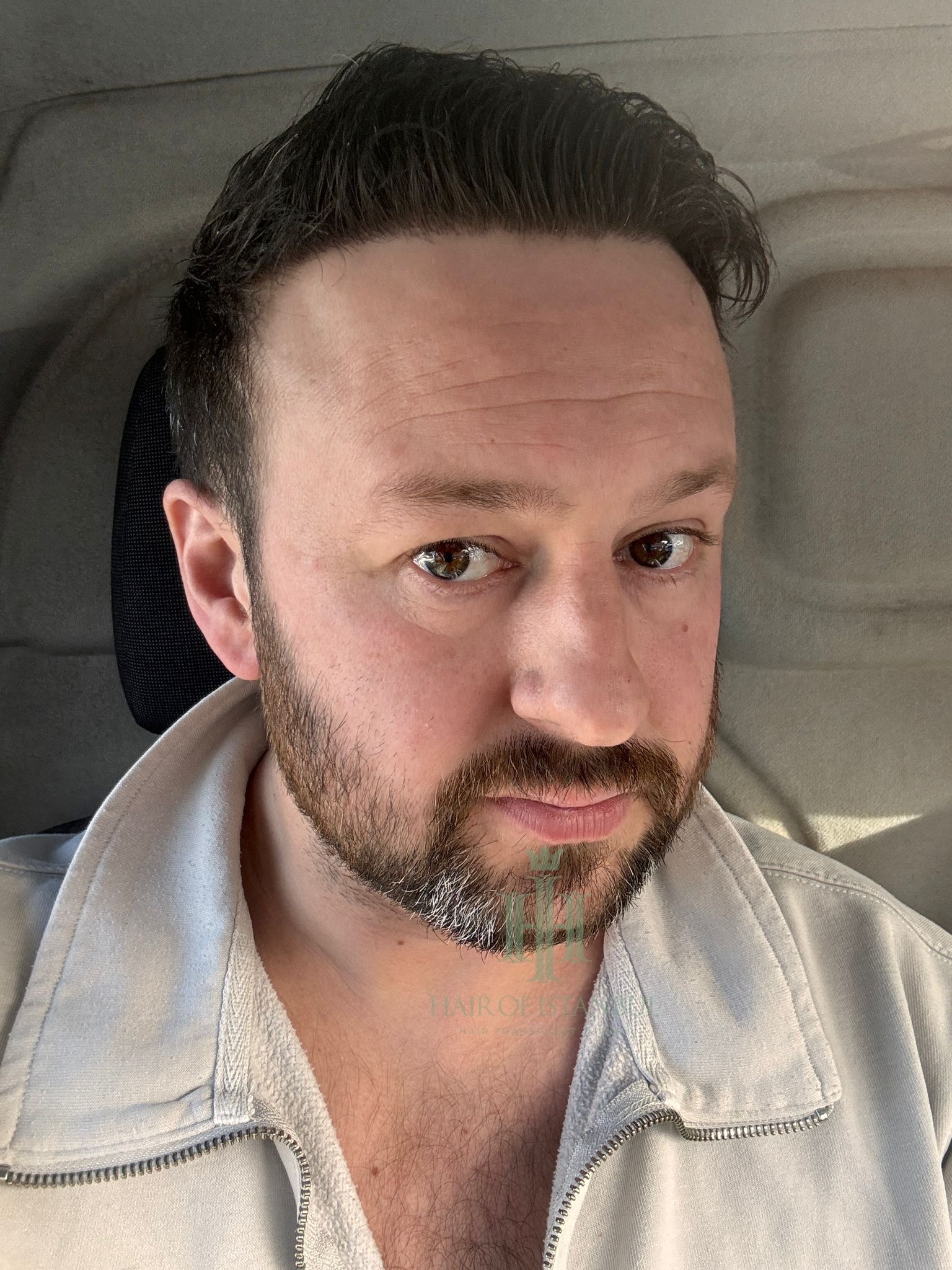
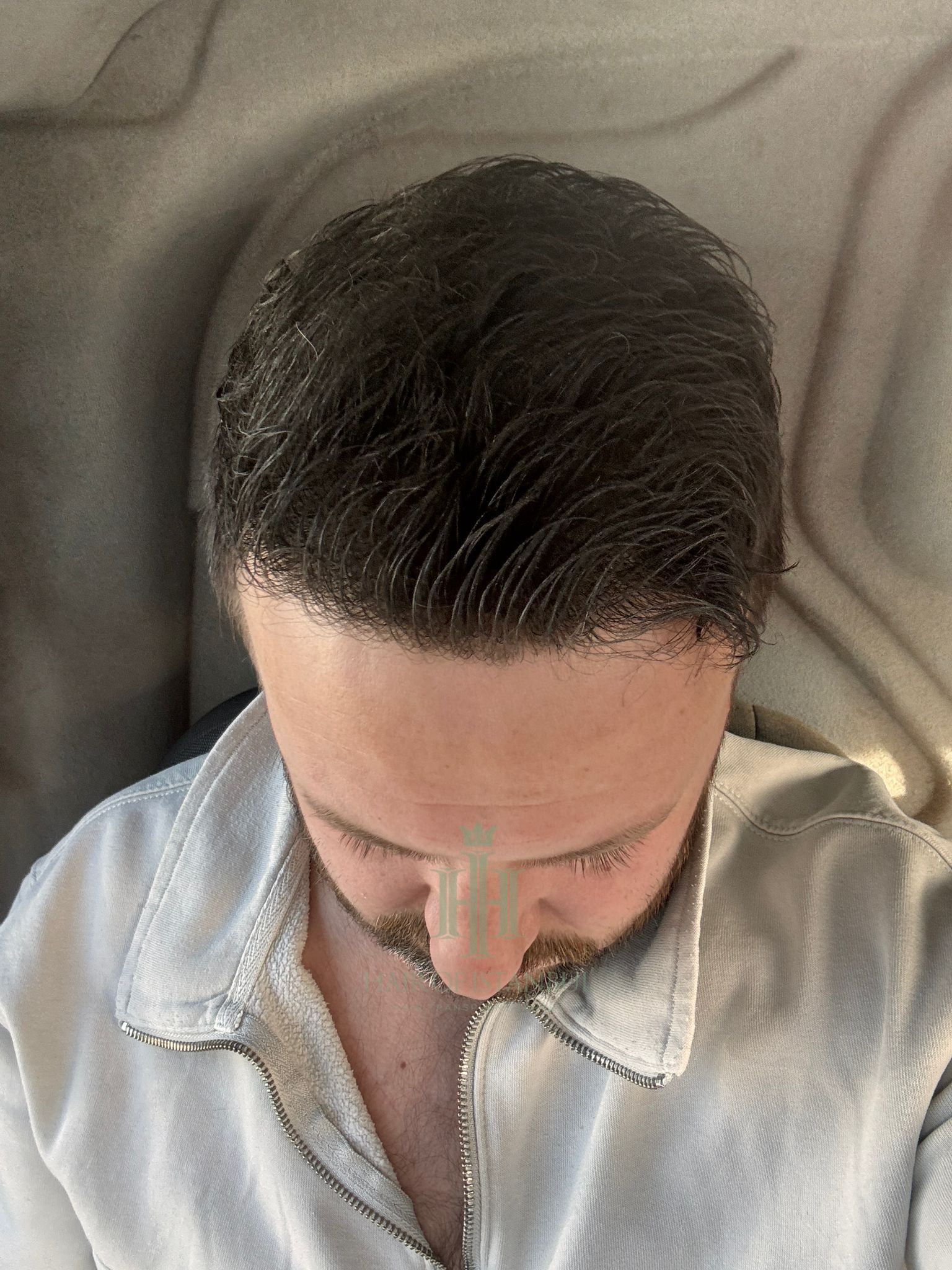
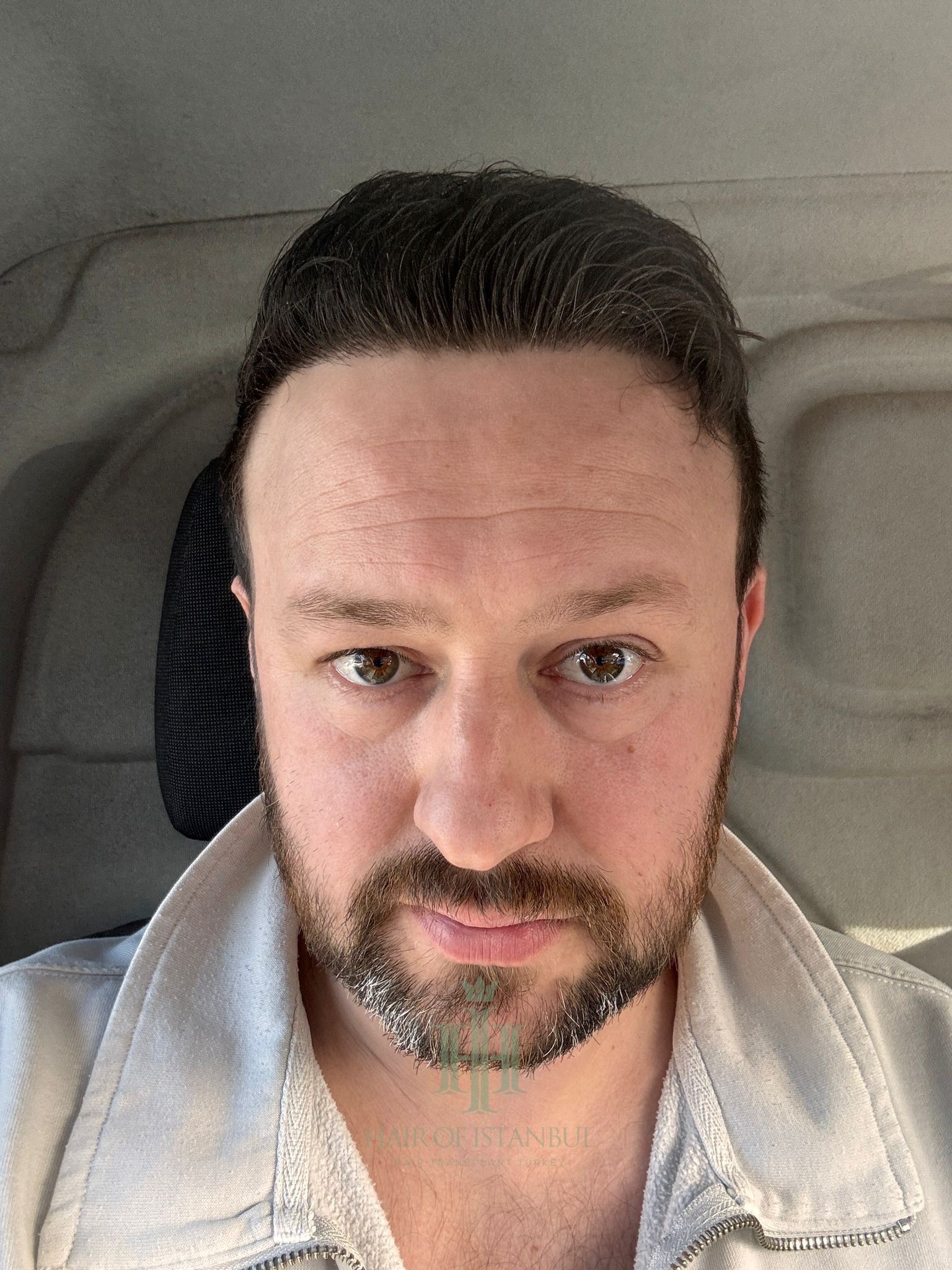
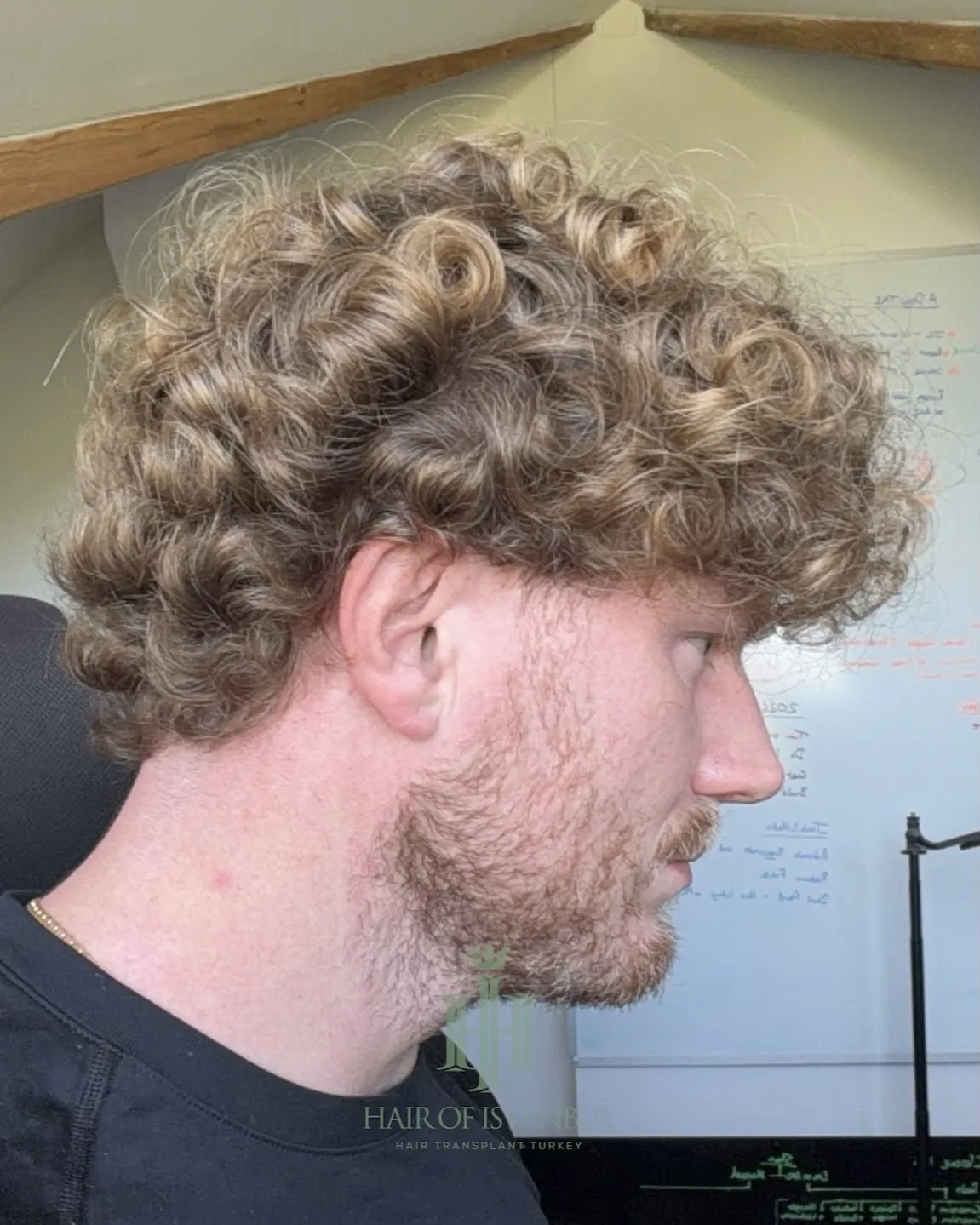
Real outcomes are influenced by donor availability, hair calibre, skin characteristics, and how your hair loss progresses over time. Reviewing patient journeys and photographic documentation in the before & after gallery can help you develop realistic expectations.
Is a Hair Transplant Turkey Right for You?
Choosing Turkey for a hair transplant can be a strong option if:
- You are a confirmed candidate after medical evaluation.
- You are comfortable travelling for surgery and follow-up by remote communication.
- You are willing to invest time into researching and selecting a medically reliable clinic—not just the most convenient offer.
If these conditions are met, Turkey’s combination of experience, infrastructure, and value can make it a compelling choice.
Conclusion
Hair transplant Turkey searches reflect a growing global interest in combining expert hair restoration with an international treatment journey. The country offers some of the world’s most experienced FUE centres and comprehensive medical tourism ecosystems—but also a wide range of quality. For patients, the key is to treat this choice as a medical decision first and a travel decision second.
By understanding the core techniques, asking the right questions, verifying the medical structure of the clinic, and aligning expectations with biological reality, you can use Turkey’s strengths while protecting your long-term hair and donor health. A careful approach transforms “going to Turkey for a hair transplant” from a marketing slogan into a well-planned, medically sound step toward lasting change.
Because of high surgical experience, modern FUE-based techniques, integrated medical tourism infrastructure, and a generally favourable cost–quality balance compared with many Western countries.
It can be very safe when performed in a medically structured clinic with qualified surgeons and proper facilities. Risks increase when decisions are based only on price or aggressive marketing.
Most patients stay 2–4 days to allow for consultation, surgery, first wash, and early follow-up before travelling home.
Packages can be valuable if they combine strong medical quality with well-organised logistics. Focus on what the package includes medically, not just hotel stars or transfer services.
Yes. Even after flying home, you will continue healing for months. Good clinics maintain long-term follow-up through photos, messaging, and scheduled check-ins to monitor progress and answer questions.
en
TR
SK
ITA
FR
DE
ES
BG